
The position of a bank teller is often the first point of contact between a financial institution and the public. While the rise of digital banking and automated teller machines (ATMs) has transformed how we manage our money, the human element represented by the bank teller remains a cornerstone of retail banking. This role is far more than just “counting cash”; it is a multifaceted position that involves financial security, customer relationship management, and meticulous regulatory compliance. Understanding the intricacies of this role provides valuable insight into how the global financial system operates at the grassroots level.
The Core Responsibilities of a Modern Bank Teller
At its heart, the teller job is about the accurate and secure movement of capital. Tellers handle the daily inflow and outflow of funds that keep a local economy liquid. However, the scope of their work extends significantly beyond simple withdrawals and deposits.
Processing Routine Transactions
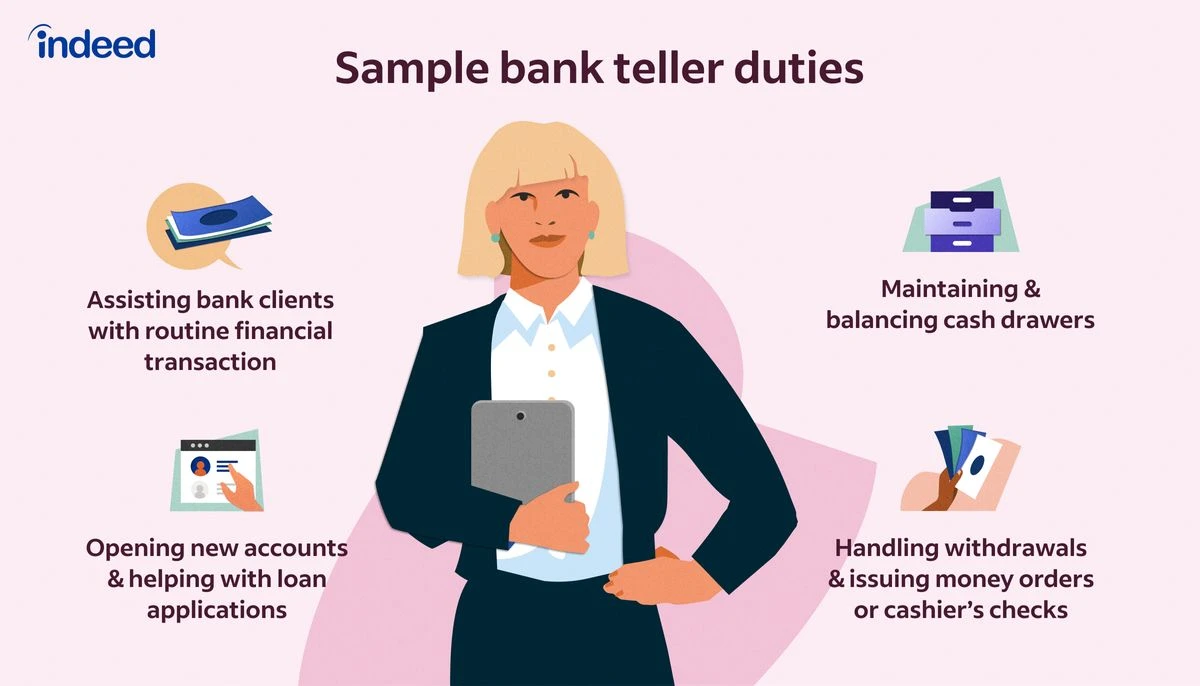
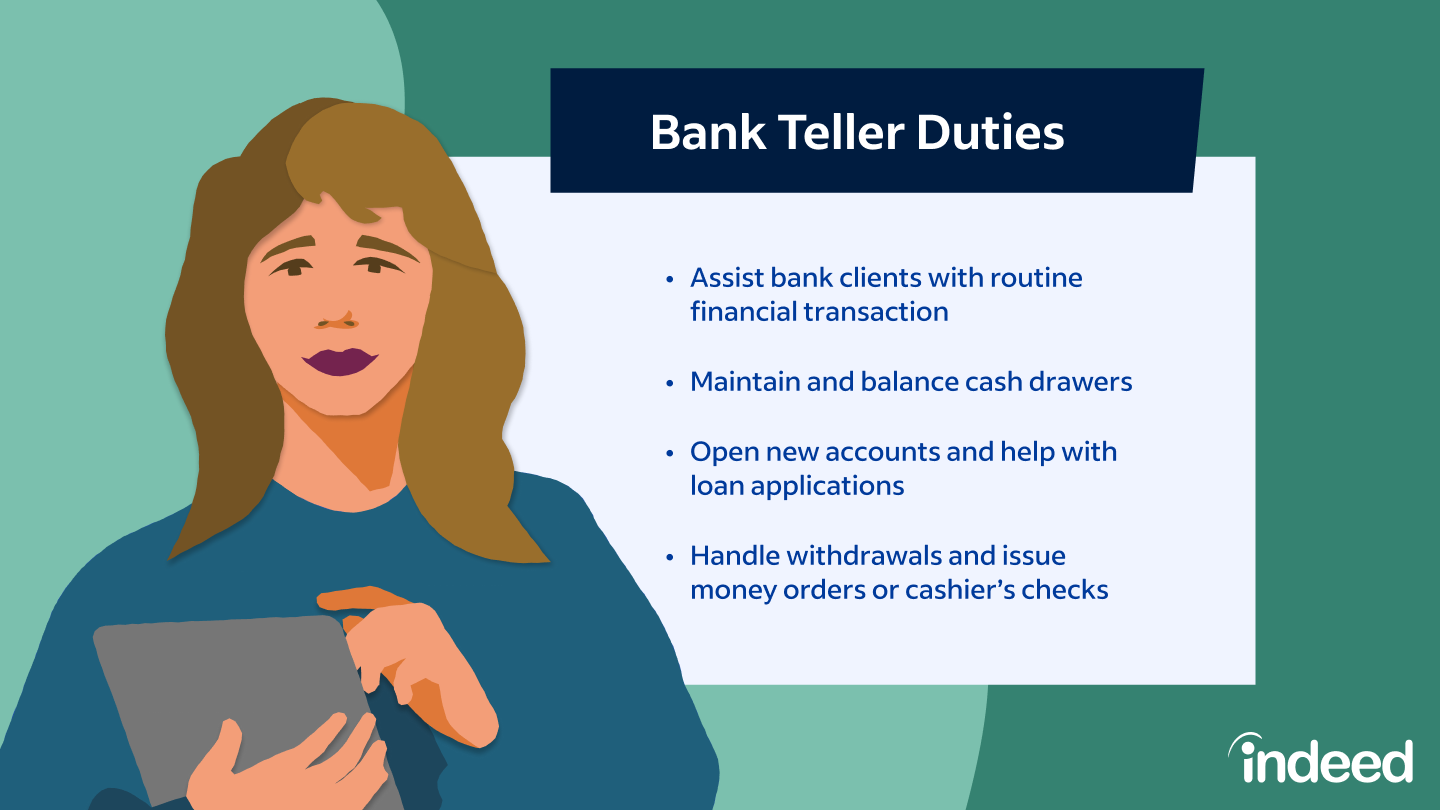
The primary function of a teller is to process financial transactions with precision. This includes cashing checks, accepting deposits into various accounts (savings, checking, or certificates of deposit), and processing loan payments. Each transaction must be recorded in the bank’s ledger software to ensure the institution’s books are perfectly balanced at the end of every business day. Tellers are also responsible for managing their “drawer”—the physical cash kept at their station. They must reconcile this cash at the beginning and end of their shifts, ensuring that every cent is accounted for.
Customer Service and Relationship Management
In the competitive landscape of personal finance, a teller serves as a brand ambassador. They are often the primary reason a customer chooses to stay with a specific bank rather than switching to a competitor. Tellers answer questions about account balances, explain fee structures, and assist customers with basic administrative tasks, such as ordering new debit cards or updating personal information. By providing a professional and welcoming experience, tellers help build the trust necessary for long-term banking relationships.
Compliance and Risk Mitigation
One of the most critical, yet least visible, aspects of the teller job is the role of a guardian. Tellers are trained to identify fraudulent checks, recognize counterfeit currency, and spot signs of elder financial abuse. They are also on the frontline of preventing money laundering. Under regulations like the Bank Secrecy Act, tellers must monitor for suspicious activities and file Currency Transaction Reports (CTRs) for large cash movements. This vigilance protects the bank from legal liability and shields the broader financial system from criminal exploitation.
The Financial Impact and Value of the Teller Role
While many view the teller position as an entry-level role, its impact on the bank’s profitability and the customer’s financial health is substantial. Tellers are strategically positioned to observe the financial behaviors of a diverse clientele.
Bridging the Gap Between People and Capital
For many individuals, navigating the complexities of modern finance can be daunting. Tellers act as translators, helping customers understand how to use the bank’s tools to achieve their goals. Whether it is explaining how a high-yield savings account differs from a standard one or helping a small business owner manage their daily cash receipts, the teller facilitates the efficient use of capital. This interaction ensures that money does not just sit idle but is moved into vehicles that can generate interest or fund community development.
Identifying Opportunities for Financial Growth
Tellers are often trained to recognize when a customer might benefit from more sophisticated financial products. For instance, if a teller notices a customer maintains a consistently high balance in a non-interest-bearing checking account, they might suggest a meeting with a personal banker to discuss investment options or money market accounts. This “cross-selling” is not merely about sales; it is about financial education. By connecting customers with wealth management or mortgage specialists, tellers help individuals grow their personal net worth while simultaneously increasing the bank’s assets under management.
Required Skills and Qualifications for Banking Success

The requirements for a teller job have evolved as the financial sector becomes more technology-driven. While a high school diploma is often the minimum educational requirement, the skill set needed to excel is quite specific.
Hard Skills: Numeracy and Software Proficiency
Unsurprisingly, strong mathematical skills are non-negotiable. A teller must be able to calculate totals quickly and accurately, even when dealing with complex multi-part transactions. Furthermore, modern tellers must be adept at using specialized banking software. These platforms track customer histories, manage electronic transfers, and integrate with federal reporting systems. Data entry speed and accuracy are vital to ensuring that a customer’s financial records are updated in real-time.
Soft Skills: Communication and Ethical Judgment
Because they deal with people’s life savings, tellers must possess impeccable integrity. They handle sensitive personal information, from social security numbers to account passwords, requiring a deep commitment to privacy and ethical conduct. Additionally, soft skills like active listening and conflict resolution are essential. Tellers often interact with customers who are stressed about financial difficulties or frustrated by bank policies. The ability to remain calm, professional, and empathetic is what distinguishes a top-performing teller.
The Evolution of the Teller Job in the Digital Age
The narrative that “the bank teller is a dying breed” is a common misconception. Instead of disappearing, the role is undergoing a significant transformation, shifting away from repetitive manual tasks toward a more consultative approach.
From Transactional to Consultative Roles
As customers increasingly use mobile apps for simple transfers and check deposits, the physical bank branch is becoming a place for more complex financial conversations. Tellers are being rebranded in many institutions as “Universal Bankers” or “Member Service Representatives.” In these roles, they are trained to handle a wider array of tasks, such as opening new accounts, processing credit card applications, and providing basic financial counseling. This shift adds more value to the customer experience and makes the teller’s workday more varied and intellectually stimulating.
Integration with Fintech and AI
Technology is enhancing the teller’s capabilities rather than replacing them. Artificial Intelligence (AI) tools are now being used to assist tellers in real-time. For example, AI can analyze a customer’s spending patterns and prompt the teller with personalized financial advice or product recommendations during a transaction. Advanced verification technologies, such as biometric scanning and instant ID verification, have also made the teller’s job more secure and efficient, allowing them to focus more on the human aspect of the interaction.
Career Pathing: From the Teller Window to Financial Leadership
For many successful professionals in the finance industry, the teller window was their starting point. The position offers an unparalleled “on-the-ground” education in how money moves and how customers think about their finances.
Advancement in Retail Banking
The most direct path for a teller is moving up the ranks within retail banking. A teller might advance to a Lead Teller or Head Teller position, where they take on supervisory duties and manage the branch’s vault. From there, the path leads to Personal Banker, Assistant Branch Manager, and eventually Branch Manager. These roles involve greater responsibility for the branch’s profit and loss statements, staff development, and local community engagement.
Transitioning to Specialized Financial Sectors
The experience gained as a teller is highly transferable to other areas of the financial world. The attention to detail and knowledge of compliance make former tellers excellent candidates for roles in internal auditing, fraud investigation, or anti-money laundering (AML) compliance. Those who enjoy the sales and relationship-building aspects of the job may transition into mortgage lending, commercial banking, or investment advisory roles. By mastering the fundamentals at the teller window, an individual builds a solid foundation for a lucrative and stable career in the broader financial services industry.
In conclusion, the job of a bank teller is a vital component of the personal finance ecosystem. It is a role that combines high-level security protocols with interpersonal finesse. As the banking industry continues to innovate, the teller will remain an essential bridge between the digital tools of modern finance and the human need for trust, guidance, and community-based service. Whether viewed as a long-term career or a stepping stone into the vast world of finance, the teller position remains one of the most significant entry points into the professional world of money management.
aViewFromTheCave is a participant in the Amazon Services LLC Associates Program, an affiliate advertising program designed to provide a means for sites to earn advertising fees by advertising and linking to Amazon.com. Amazon, the Amazon logo, AmazonSupply, and the AmazonSupply logo are trademarks of Amazon.com, Inc. or its affiliates. As an Amazon Associate we earn affiliate commissions from qualifying purchases.