
In the early decades of the digital revolution, identifying a technology company was a straightforward task. They were the manufacturers of semiconductors, the builders of mainframe computers, and the developers of the operating systems that allowed hardware to function. Today, the lines have blurred. As Marc Andreessen famously noted, “software is eating the world,” leading many traditional businesses to pivot toward digital-first models. However, a true tech company is defined by more than just owning a website or using an app to facilitate sales. It is defined by its core value proposition, its reliance on proprietary intellectual property, and its ability to scale through digital innovation.
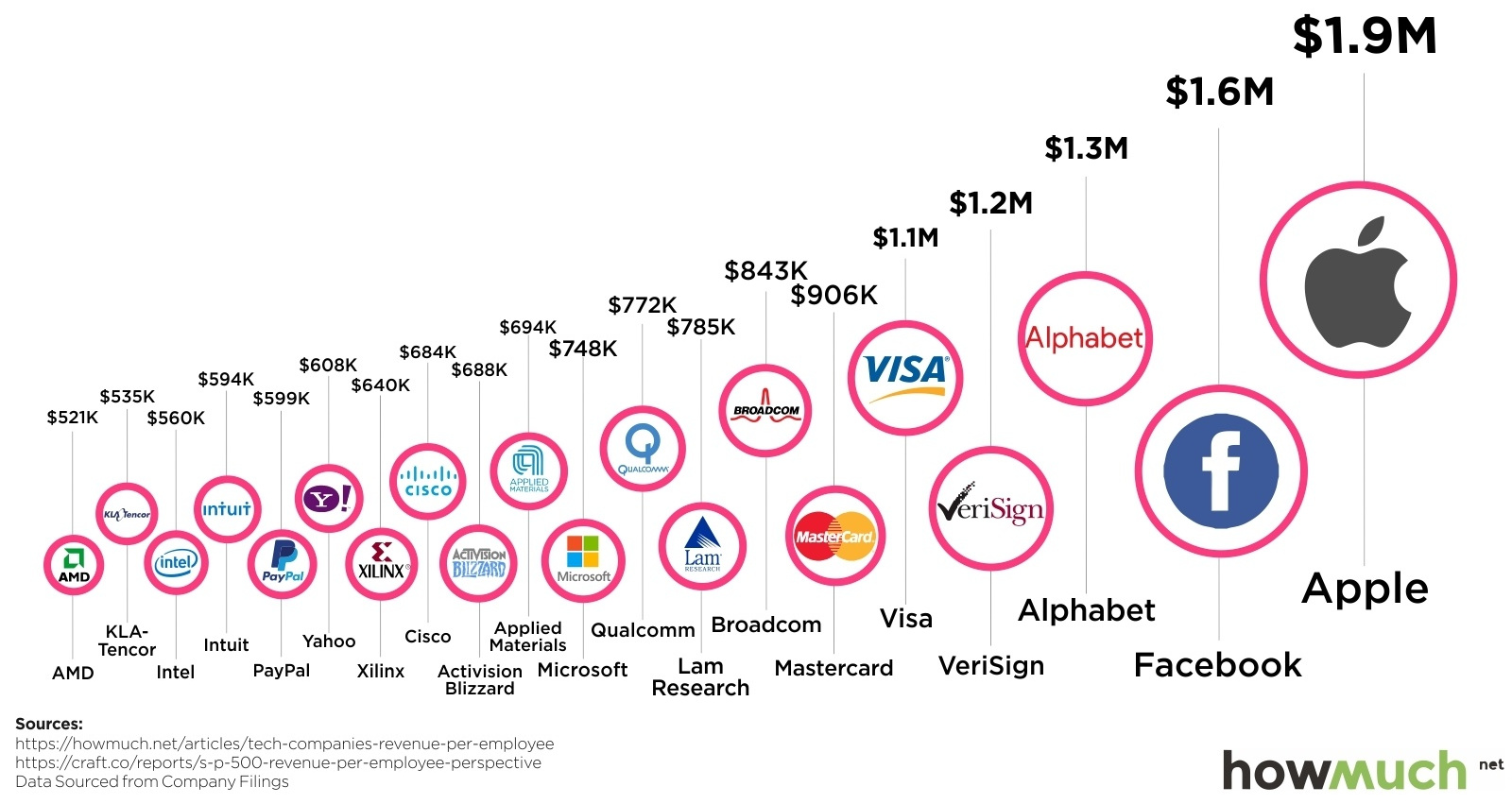
At its essence, a technology company is an organization that focuses primarily on the development and manufacturing of technology products or provides technology as a service. These entities leverage engineering, computer science, and data analytics to solve problems, create efficiencies, and provide entertainment. From the giants of Silicon Valley to the specialized startups in “deep tech,” these companies form the backbone of the modern global economy.
The Evolution of the Technology Sector
The definition of a tech company has undergone several metamorphic shifts since the mid-20th century. Understanding these shifts is crucial to grasping what these organizations represent today.
From Hardware Foundations to Software Sovereignty
The first era of tech companies was dominated by “The Hardware Giants.” Companies like IBM, Hewlett-Packard, and Intel focused on the physical components of computing. For these organizations, the product was a tangible piece of machinery—a processor, a server, or a personal computer. The value was tied to manufacturing capacity and physical distribution.
As the industry matured, the focus shifted toward software. Microsoft and Oracle demonstrated that value could be decoupled from hardware. The “product” became a set of instructions—code—that could be installed on various machines. This transition marked a significant turning point: the marginal cost of producing one additional unit of software dropped nearly to zero, fundamentally changing the economics of the industry and allowing for unprecedented profit margins.
The Rise of Platform-Based Ecosystems
With the advent of the internet, the concept of a tech company evolved again. It was no longer enough to sell a static software package. The most successful modern tech companies, such as Alphabet (Google), Amazon, and Meta (Facebook), operate as platforms. These companies do not just provide a tool; they provide an environment where users, developers, and businesses interact.
In this stage of evolution, the “technology” is often an invisible layer of algorithms and data processing that facilitates connection. For a platform-based tech company, the value grows exponentially with the number of users, a phenomenon known as the “network effect.” This era has redefined the tech company as a service provider rather than a product manufacturer.
Core Characteristics of a Tech Company
While a retail company might use sophisticated logistics software, that doesn’t necessarily make it a tech company. To distinguish a true tech firm from a tech-enabled firm, we must look at several defining characteristics.
Intellectual Property as the Primary Asset
In a traditional manufacturing or service firm, assets are often physical—factories, inventory, or storefronts. In a tech company, the primary asset is intellectual property (IP), specifically in the form of proprietary code, patents, and algorithms. Whether it is a search engine’s ranking algorithm, a social media platform’s recommendation engine, or a biotech firm’s patented gene-editing sequence, the “secret sauce” is digital or conceptual. This reliance on IP allows tech companies to maintain a competitive moat that is difficult for competitors to replicate through physical capital alone.
Scalability and the Marginal Cost of Distribution
One of the most distinct hallmarks of a tech company is high scalability. Traditional businesses often face a linear relationship between growth and costs; to sell twice as many cars, a manufacturer generally needs twice the raw materials and labor.
Tech companies, particularly those in the software-as-a-service (SaaS) sector, operate differently. Once the initial investment in developing a platform is made, the cost of adding a million new users is relatively negligible. This allows tech companies to achieve rapid, exponential growth that traditional industries find nearly impossible to match. This scalability is powered by cloud computing, which allows companies to rent massive amounts of processing power and storage on demand.
Constant Research and Development (R&D)
A tech company is characterized by a relentless cycle of innovation. Because the digital landscape shifts so rapidly, these companies must reinvest a significant portion of their revenue into Research and Development. In many tech firms, R&D spending accounts for 15% to 25% of total revenue, far exceeding the averages found in the industrial or retail sectors. This commitment to R&D ensures that the company stays ahead of “disruption”—the process by which a newer, more efficient technology renders an older one obsolete.

The Diverse Landscape: Categories of Tech Companies
The “tech” umbrella is vast, covering everything from consumer gadgets to back-end infrastructure. To understand what tech companies are, it is helpful to categorize them by their specific focus.
SaaS and Cloud Infrastructure
Software-as-a-Service (SaaS) is perhaps the most prevalent business model in the modern tech era. Companies like Salesforce, Slack, and Zoom provide software that is hosted in the cloud and accessed via the internet, usually on a subscription basis. Alongside SaaS are the infrastructure providers, such as Amazon Web Services (AWS) and Microsoft Azure, which provide the foundational “plumbing” of the internet. Without these infrastructure companies, the modern digital economy would cease to function.
Consumer Electronics and Hardware
While software dominates the headlines, hardware remains a vital pillar. This category includes companies like Apple, Samsung, and Nvidia. These organizations focus on the design and assembly of physical devices—smartphones, wearables, and high-performance graphics processing units (GPUs). However, modern hardware companies are increasingly integrating software services into their physical products, creating “walled gardens” or ecosystems that lock in users through a combination of superior hardware and proprietary software.
Artificial Intelligence and Deep Tech
The newest frontier involves companies focused on Artificial Intelligence (AI) and “Deep Tech.” These are organizations whose primary goal is to push the boundaries of science and engineering. OpenAI, Anthropic, and various quantum computing startups fall into this category. These companies are often characterized by long development cycles and high risk, but they offer the potential for transformative breakthroughs in how humans interact with machines, process information, and solve complex biological or physical problems.
Specialized “Tech” Verticals: Fintech, EdTech, and HealthTech
As technology permeates every industry, specialized sub-sectors have emerged.
- Fintech: Companies like Stripe or Square that use technology to disrupt traditional banking and payment processing.
- EdTech: Platforms like Coursera or Duolingo that use digital tools to deliver education.
- HealthTech: Companies leveraging data, AI, and wearable devices to improve patient outcomes and streamline medical diagnostics.
The Role of Tech Companies in Modern Society
Tech companies are no longer just vendors; they are the architects of the modern social and economic experience. They influence how we communicate, how we work, and how we perceive reality.
Driving Global Digital Transformation
The primary role of tech companies is to act as engines of efficiency. By automating repetitive tasks, providing instant access to information, and enabling remote collaboration, tech companies have fundamentally altered the productivity frontier. Digital transformation—the integration of digital technology into all areas of a business—is a process facilitated by tech companies for the benefit of the wider economy. This has led to the “democratization of tools,” where a small startup can access the same computing power as a Fortune 500 company.
Data Privacy and Ethical Considerations
With the power of technology comes significant responsibility, and modern tech companies are increasingly defined by their approach to data ethics. Because many tech business models rely on the collection and analysis of user data, these companies are at the center of debates regarding privacy, surveillance, and algorithmic bias. A modern tech company is not just evaluated on its code, but on its digital governance and how it protects the digital rights of its users.
The Future of the Tech Industry
The definition of a tech company will continue to expand as new technologies emerge. We are currently witnessing a shift toward more decentralized and immersive technologies that will once again redefine the landscape.
Quantum Computing and the Next Frontier
While today’s tech companies are built on silicon-based transistors, the next generation may be built on quantum bits (qubits). Quantum computing companies are working on machines that can solve problems in seconds that would take today’s most powerful supercomputers thousands of years. This will likely birth a new class of tech companies focused on molecular modeling, cryptography, and advanced material science.

The Shift Toward Sustainable Technology
As global priorities shift toward environmental concerns, “Climate Tech” is becoming a major sub-sector. These are tech companies focused on carbon capture, renewable energy management, and sustainable supply chain software. In this context, the tech company becomes a tool for planetary survival, using data and engineering to mitigate the effects of climate change.
In conclusion, a tech company is defined by its pursuit of innovation through digital or engineered solutions. Whether they are building the chips that power our phones, the algorithms that curate our news, or the cloud platforms that host our businesses, these organizations are the primary drivers of change in the 21st century. As technology becomes indistinguishable from everyday life, the “tech company” label may eventually apply to every organization, but the core focus on scalability, intellectual property, and constant evolution will always distinguish the leaders of the digital frontier.
aViewFromTheCave is a participant in the Amazon Services LLC Associates Program, an affiliate advertising program designed to provide a means for sites to earn advertising fees by advertising and linking to Amazon.com. Amazon, the Amazon logo, AmazonSupply, and the AmazonSupply logo are trademarks of Amazon.com, Inc. or its affiliates. As an Amazon Associate we earn affiliate commissions from qualifying purchases.