
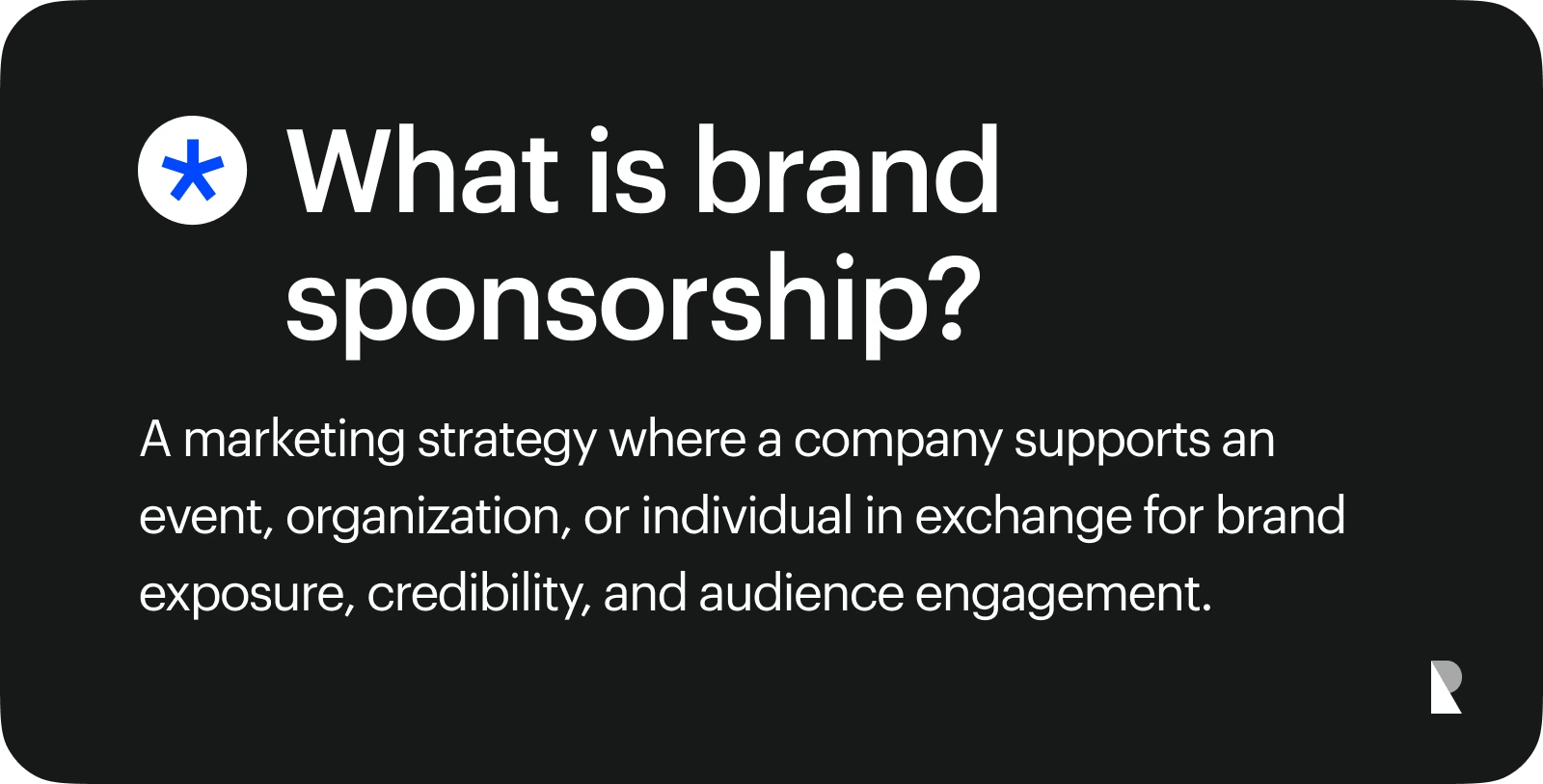
In the contemporary marketing landscape, the term “sponsorship” has evolved far beyond its historical roots as a simple financial contribution in exchange for a logo placement on a stadium wall or a racing car. Today, sponsorship represents a sophisticated strategic alliance between two entities—typically a brand and a property (be it an event, an individual, an organization, or a digital creator). At its core, sponsorship is a powerful instrument of brand strategy, designed to transfer the positive attributes and cultural capital of a sponsored property directly to the sponsoring brand.

Unlike traditional advertising, which interrupts a consumer’s experience to deliver a message, sponsorship integrates a brand into the activities and passions that the audience already values. This distinction is critical for modern brand identity. It moves the brand from a position of “outsider looking in” to an active participant in the consumer’s lifestyle. In an era defined by ad-blockers and fragmented attention, sponsorship offers a unique pathway to build brand equity through association, emotional resonance, and shared values.
The Strategic Evolution of Brand Sponsorships
To understand what sponsorship is today, one must recognize its shift from passive awareness to active engagement. In the early decades of mass media, sponsorship was largely a game of reach. A brand would fund a broadcast or a high-profile sports league to ensure its name was seen by millions. While reach remains a component, the primary objective has shifted toward brand positioning and sentiment alignment.
Moving Beyond Passive Logo Placement
The “logo soup” approach—where dozens of brand marks are crammed onto a single backdrop—is increasingly viewed as a low-value tactic in high-level brand strategy. Modern brands are now seeking “integrated partnerships.” This means the sponsorship is woven into the narrative of the property. For example, a luxury watch brand sponsoring a prestigious tennis tournament doesn’t just want its logo on the clock; it wants to be seen as the “official timekeeper,” reinforcing its brand identity of precision, heritage, and excellence. This narrative alignment is what distinguishes a successful sponsorship from a mere donation.
The Psychology of Association and Brand Rub
The effectiveness of sponsorship relies heavily on the psychological principle of “brand rub” or image transfer. When a brand aligns itself with a property that possesses specific characteristics—such as the innovation of a tech conference, the grit of a marathon, or the creativity of an art festival—consumers subconsciously begin to attribute those same characteristics to the sponsor. This is a shortcut to building brand personality. If a brand wants to be perceived as “adventurous,” it does not simply tell people it is adventurous; it sponsors extreme sports and exploration initiatives. The audience’s affinity for the event is transferred to the brand, fostering a deeper level of trust and loyalty that traditional commercials struggle to achieve.
The Anatomy of a High-Impact Sponsorship Strategy
A sponsorship is only as effective as the strategy behind it. For a brand to realize a return on its investment, the partnership must be grounded in three fundamental pillars: authenticity, relevance, and longevity. Without these, a sponsorship can feel forced, leading to consumer cynicism or, worse, brand dilution.
Identifying Brand-Property Synergy
The first step in any sponsorship strategy is the selection process. A brand must ask: Does this property share our core values? A health-focused food brand sponsoring a fast-food eating competition would be a catastrophic mismatch that erodes brand trust. Strategic synergy occurs when the audience of the property overlaps significantly with the target demographic of the brand, and when the mission of the property complements the brand’s positioning. This synergy ensures that the sponsorship feels like a natural extension of the brand rather than a desperate attempt at attention.
Activation: Bringing the Brand to Life
“Activation” is the industry term for the marketing activities a brand conducts to promote its sponsorship. A common mistake in brand management is spending the entire budget on the “rights fee” (the cost to be a sponsor) and leaving nothing for activation. Effective activation involves creating experiences that add value to the audience. This might include interactive “fan zones” at a music festival, exclusive behind-the-scenes content for digital followers, or limited-edition product collaborations. Activation is where the brand proves its worth to the community, moving from a silent benefactor to a valuable contributor.

The Power of Exclusive Association
In the competitive world of corporate identity, exclusivity is a prized asset. Most high-level sponsorship agreements include “category exclusivity,” ensuring that no direct competitor can sponsor the same property. This allows a brand to own a specific cultural space in the minds of the consumer. If a specific airline is the only travel partner for a major global summit, they effectively own the “prestige travel” narrative within that community for the duration of the partnership. This exclusivity is a powerful defensive and offensive maneuver in brand positioning.
Measuring the Intangible: Beyond Direct Sales
One of the most complex aspects of sponsorship is measurement. Unlike digital advertising, where click-through rates provide immediate data, the impact of sponsorship on brand strategy is often long-term and multifaceted. To truly understand what a sponsorship has achieved, brand managers must look at a spectrum of Key Performance Indicators (KPIs).
Assessing Brand Equity and Sentiment
The primary goal of most sponsorships is to move the needle on brand perception. This is measured through brand lift studies, sentiment analysis, and tracking “top-of-mind” awareness. Are consumers more likely to associate the brand with “innovation” after the sponsorship? Has the “Net Promoter Score” (NPS) increased among the target demographic? These metrics reveal the “soft power” of sponsorship—the ability to change how people feel about a company, which eventually drives long-term purchasing behavior.
Earned Media Value and Cultural Relevance
Sponsorships often generate “earned media”—the coverage and conversation that happens organically outside of paid channels. When a brand’s partnership becomes a talking point in the press or on social media, the value of the sponsorship multiplies. Brands now use sophisticated social listening tools to measure the volume and tone of these conversations. High cultural relevance is the ultimate prize; when a brand becomes part of the cultural zeitgeist through a timely and well-executed sponsorship, it achieves a level of “cool” that no amount of traditional advertising can buy.
B2B Relationships and Internal Branding
Sponsorship is not always about the end consumer. For many B2B brands, sponsorship is a tool for relationship management and corporate identity. Sponsoring a high-level industry forum provides a platform for executive networking, client entertainment, and talent recruitment. Internally, sponsorships can boost employee morale and pride. When employees see their company associated with prestigious global events or meaningful social causes, it reinforces the internal brand culture and the sense of purpose within the organization.
Common Pitfalls and the Future of Strategic Alliances
As the landscape of sponsorship grows more crowded, the risks of misalignment increase. A failed sponsorship can result in “vampire creativity,” where the event is so memorable that the sponsor is completely forgotten, or “backlash,” where the association with a controversial property damages the sponsor’s reputation.
Navigating Brand Dilution and Over-Commercialization
The modern consumer is highly sensitive to “selling out.” If an event or a creator becomes over-saturated with sponsors, the impact of each individual brand is diminished. This is known as “clutter.” To avoid this, savvy brands are looking for “under-indexed” opportunities—niche communities or emerging platforms where they can be a founding or dominant partner. Furthermore, brands must ensure that their involvement is seen as supportive rather than intrusive. The goal is to enhance the experience, not interrupt it.
The Rise of Purpose-Led Sponsorships
The future of sponsorship lies in “purpose-led” partnerships. Consumers, particularly younger generations, increasingly expect brands to stand for something. Consequently, sponsorships are shifting toward social impact, sustainability, and community development. A brand that sponsors a reforestation project or a STEM education program for underprivileged youth is building a brand identity rooted in ethics and social responsibility. This form of sponsorship is less about “look at us” and more about “look at what we are doing together.”
Digital and Micro-Sponsorships
The digital revolution has democratized sponsorship. It is no longer the exclusive domain of multinational corporations with multi-million dollar budgets. Through micro-sponsorships of niche influencers, podcasters, and local community leaders, brands can achieve highly targeted and authentic engagement. These smaller-scale partnerships often yield higher engagement rates because the relationship between the property and the audience is more intimate and trusted. In the digital age, the “what” of sponsorship is becoming more personalized, data-driven, and interactive.
In summary, sponsorship is a multi-dimensional tool of brand strategy that bridges the gap between a company and its audience through shared passions and values. It is a strategic investment in cultural relevance, brand equity, and emotional connection. When executed with authenticity and clear strategic intent, sponsorship does more than just promote a product—it defines the soul of the brand in the eyes of the world.
aViewFromTheCave is a participant in the Amazon Services LLC Associates Program, an affiliate advertising program designed to provide a means for sites to earn advertising fees by advertising and linking to Amazon.com. Amazon, the Amazon logo, AmazonSupply, and the AmazonSupply logo are trademarks of Amazon.com, Inc. or its affiliates. As an Amazon Associate we earn affiliate commissions from qualifying purchases.