
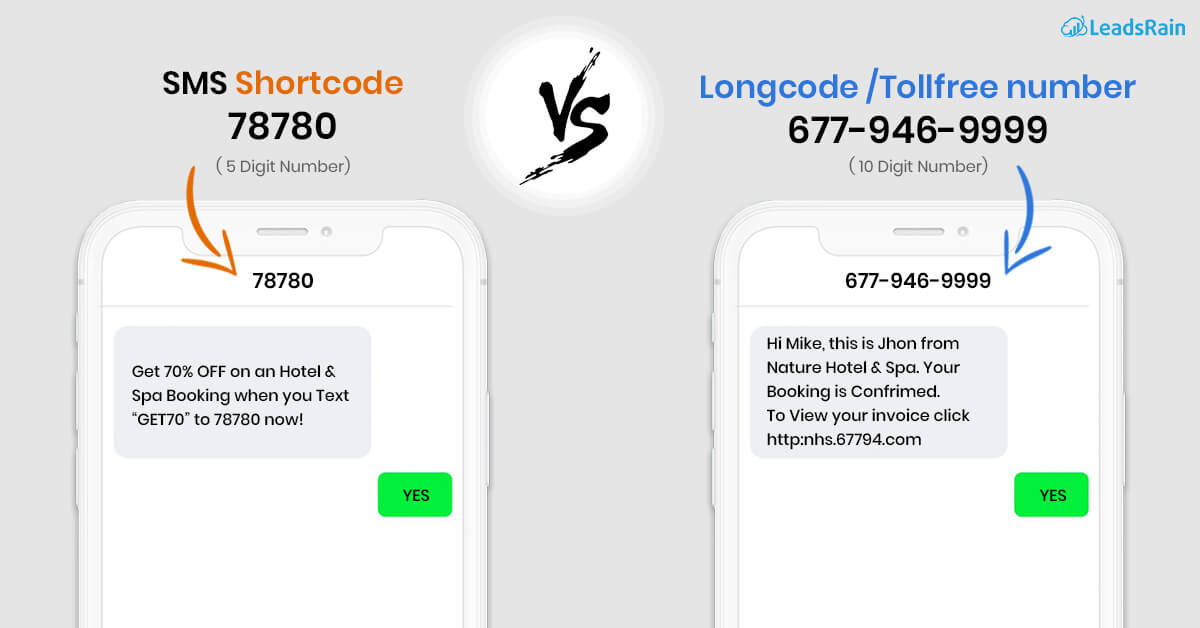
In the hyper-connected landscape of modern telecommunications, the efficiency of data transmission is paramount. While most mobile users are accustomed to the standard ten-digit Long Code (10DLC) used for person-to-person (P2P) communication, a specialized technical solution exists for high-volume, automated messaging: the Short Code. At its core, a short code is a truncated telephone number, typically five to six digits long, engineered specifically for Application-to-Person (A2P) communication.
Unlike standard phone numbers, short codes are not tied to a specific mobile device or physical SIM card. Instead, they serve as high-throughput endpoints within a sophisticated network architecture designed to handle thousands of messages per second. Understanding the technical nuances, the underlying protocols, and the regulatory frameworks of short codes is essential for any technologist or developer working within the mobile ecosystem.

The Technical Anatomy of Short Codes
To understand why short codes are fundamental to the tech stack of modern enterprises, one must look at the infrastructure that distinguishes them from traditional long codes. Short codes are built for scalability and reliability, bypassing many of the carrier filters that typically throttle standard SMS traffic.
Common vs. Dedicated Short Codes
In the technical provisioning of these numbers, two primary types exist. A Dedicated Short Code is assigned to a single entity. This ensures that the organization has total control over its keyword triggers and data throughput. From a technical standpoint, dedicated codes are superior for security-sensitive applications, such as banking alerts or two-factor authentication (2FA), as there is no risk of “neighbor noise” or shared reputation impacting delivery.
Conversely, Common Short Codes (or shared short codes) were historically used by multiple organizations simultaneously, distinguished by different keywords. However, due to security vulnerabilities and the lack of granular control, major carriers in the United States and other regions have largely phased out shared short codes in favor of dedicated ones or 10DLC solutions to ensure a cleaner, more secure ecosystem.
Throughput and Latency
The primary technical advantage of a short code is its “throughput”—the volume of messages sent per second (MPS). A standard long code is typically restricted to 1 MPS on traditional networks to prevent spam. In contrast, short codes are pre-approved by mobile network operators (MNOs) for high-volume traffic, often starting at 30 to 40 MPS and scaling into the hundreds or even thousands for major national alerts or high-traffic events. This low-latency, high-volume capability makes them the backbone of time-sensitive digital security and large-scale system notifications.
Random vs. Vanity Short Codes
When an organization applies for a short code through the Common Short Code Administration (CSCA), they have two routing options. A Random Short Code is assigned by the registry without preference, functioning as a standard numerical identifier. A Vanity Short Code is specifically selected—much like a custom URL or IP address—to be memorable or to represent a specific sequence (e.g., 123456). While the routing logic remains identical, the provisioning process for vanity codes often involves higher scrutiny during the carrier approval phase.
The Protocol Behind the Message: How Short Codes Work
The journey of a message from an application to a mobile handset via a short code involves a complex series of handshakes between various software layers and hardware gateways.
Application-to-Person (A2P) Architecture
Short codes operate on an A2P model. This begins at the application layer, where a software program (often integrated via an API) triggers a message based on a specific event, such as a login attempt or a system failure. This request is sent to an SMS Gateway or a CPaaS (Communications Platform as a Service) provider. The provider then routes the message through an aggregator, which maintains direct connections to the Short Message Service Centers (SMSCs) of various mobile carriers.
The Role of SMS Gateways and Aggregators
Aggregators act as the bridge between the digital world of IPs and APIs and the cellular world of SS7 (Signaling System No. 7) or SIGTRAN protocols. Because mobile carriers operate on proprietary networks, an aggregator simplifies the process by providing a unified interface for the developer. When a short code message is sent, the aggregator identifies the destination carrier based on the recipient’s mobile number and routes the data packet through the most efficient path, ensuring that the short code identity is preserved across different network protocols.
Provisioning and Carrier Approvals
One of the most rigorous aspects of short code technology is the “provisioning” process. Unlike a VOIP number that can be generated in seconds, a short code requires a 6-to-12-week lead time. This period is dedicated to technical “briefing,” where every major carrier must manually white-list the code on their network. This includes testing the code’s “stop” and “help” triggers to ensure compliance with industry standards. This level of technical vetting is what gives short codes their high deliverability rate; because the carriers have already verified the sender’s technical setup, the messages are rarely blocked by automated spam filters.

Security, Compliance, and Digital Integrity
In an era of increasing cybersecurity threats, the architecture of short codes provides a robust layer of protection for both the sender and the receiver. Because they are strictly regulated and monitored, they are considered one of the most secure channels for digital communication.
Combating Smishing and Spam
“Smishing” (SMS phishing) is a significant threat to digital security. Standard long codes are frequently used by bad actors because they are easy to acquire and cycle through. Short codes, however, require a paper trail, corporate verification, and a significant financial investment. This creates a high barrier to entry for malicious actors. Furthermore, because carriers have direct oversight of the traffic flowing through a short code, they can instantly identify and throttle anomalies in messaging patterns, protecting the integrity of the telecommunications network.
Regulatory Frameworks: CTIA and TCPA
Technical compliance is not just about code; it’s about adhering to the standards set by the CTIA (Cellular Telecommunications and Internet Association) and the TCPA (Telephone Consumer Protection Act). These organizations dictate the technical requirements for “opt-in” and “opt-out” mechanisms. From a developer’s perspective, this means the software must be programmed to recognize specific keywords (like STOP, QUIT, CANCEL) and immediately update the database to prevent further transmissions. Failure to automate these protocols at the software level can lead to significant legal ramifications and the revocation of the short code by the carriers.
Encryption and Data Privacy in Transit
While SMS as a protocol is not end-to-end encrypted in the same way as platforms like Signal or WhatsApp, short code providers often implement TLS (Transport Layer Security) for the “first mile”—the journey from the enterprise server to the SMS gateway. This ensures that sensitive data, such as a one-time password (OTP), is protected against interception until it reaches the carrier’s core network.
Short Codes in the Modern Tech Ecosystem
Beyond simple text messaging, short codes are integrated into the broader technology stack, serving as a critical touchpoint for automation and security.
Two-Factor Authentication (2FA) and Security Tokens
Short codes are the gold standard for SMS-based 2FA. When a user attempts to log into a secure system, the server generates a time-sensitive token. This token is pushed through a short code API. The reason short codes are preferred over long codes for this specific tech use case is delivery speed. In security, a 30-second delay in receiving a code can lead to session timeouts or a degraded user experience. The high-throughput nature of short codes ensures that these tokens arrive within seconds.
IoT and Machine-to-Machine (M2M) Communication
In the realm of the Internet of Things (IoT), short codes can facilitate M2M communication. For example, a remote sensor might be programmed to send a status update via SMS to a central server if a Wi-Fi or satellite connection fails. Using a short code allows the central system to receive and parse thousands of these incoming data packets simultaneously without the network congestion that would plague a standard mobile number.
Integration with CRM and Automation Platforms
Modern enterprise tech stacks often involve the integration of short codes with CRM (Customer Relationship Management) systems like Salesforce or HubSpot via Webhooks and RESTful APIs. When a specific trigger occurs in the CRM, the system automatically pushes data to the short code gateway. This enables real-time, programmatic interaction with users that is logged, tracked, and analyzed within the organization’s primary data environment.
The Future: RCS and the Evolution of the Short Code
As we look toward the future of mobile technology, the traditional short code is evolving. The introduction of Rich Communication Services (RCS) is designed to upgrade the SMS experience with features like high-resolution media, read receipts, and interactive buttons—all within the native messaging app.
RCS “Verified Sender” profiles are essentially the next generation of the short code. They provide the same high-throughput and security benefits but add a layer of branded metadata, allowing a mobile device to display a company’s logo and a “verified” badge. Despite these advancements, the underlying logic of the short code—a pre-vetted, high-capacity numerical identifier—remains the foundation upon which these newer, richer protocols are built.
In conclusion, the short code is far more than just a short phone number; it is a specialized piece of telecommunications infrastructure designed for the demands of the digital age. By providing a secure, high-speed, and regulated channel for A2P communication, short codes remain an indispensable tool in the global tech ecosystem, ensuring that the flow of critical information remains uninterrupted across the world’s mobile networks.
aViewFromTheCave is a participant in the Amazon Services LLC Associates Program, an affiliate advertising program designed to provide a means for sites to earn advertising fees by advertising and linking to Amazon.com. Amazon, the Amazon logo, AmazonSupply, and the AmazonSupply logo are trademarks of Amazon.com, Inc. or its affiliates. As an Amazon Associate we earn affiliate commissions from qualifying purchases.