
In the realm of structural engineering and high-performance material science, the scarf joint represents a pinnacle of design efficiency. While the concept of joining two pieces of material by tapering their ends and overlapping them dates back centuries, its modern application has undergone a radical transformation. In today’s technological landscape—ranging from aerospace engineering and renewable energy to advanced robotics—the scarf joint is no longer just a method of connection; it is a precision-engineered solution for maintaining structural integrity, aerodynamic smoothness, and optimal load distribution in sophisticated composite materials.
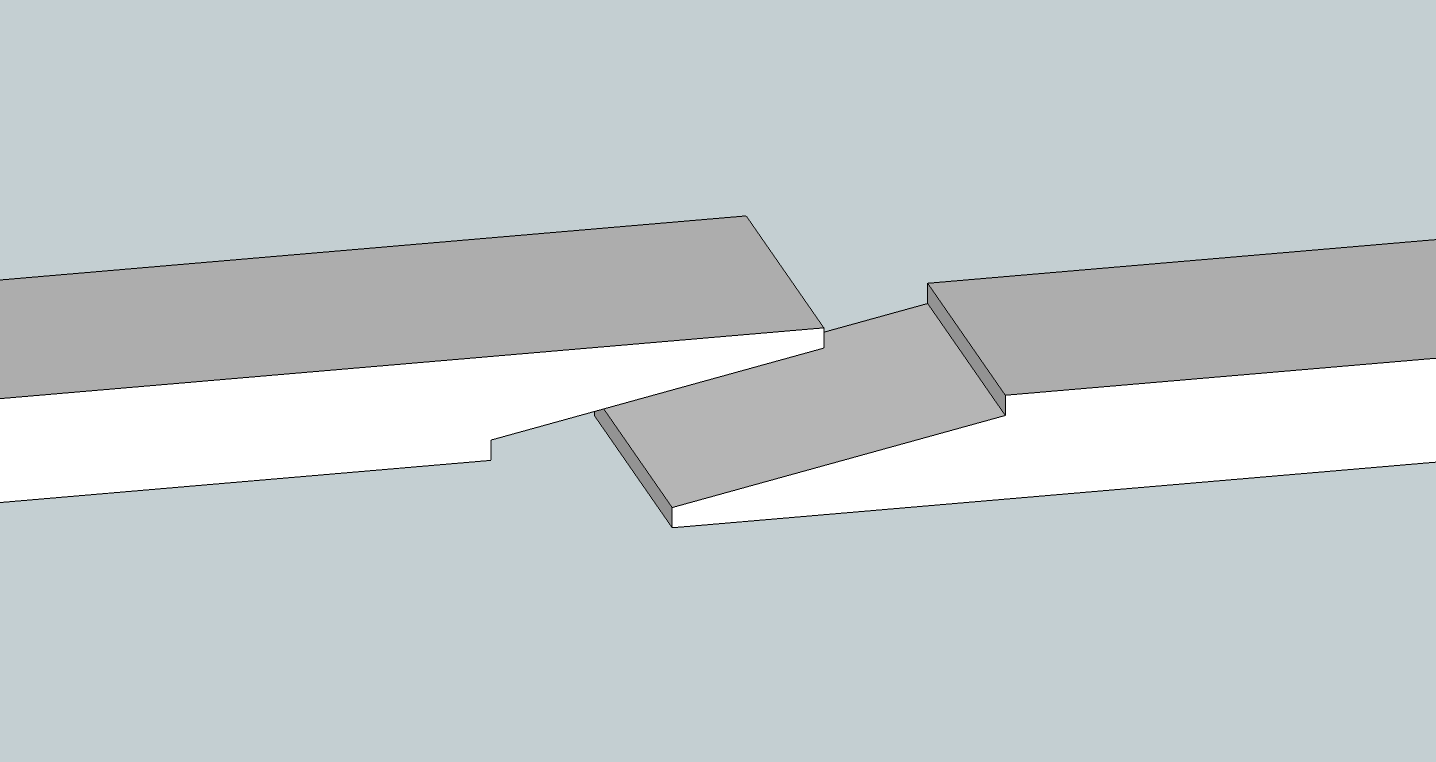
Understanding the scarf joint requires looking past its simple geometric appearance. At its core, it is a method of joining two members end-to-end to create a single, continuous component that behaves as if it were never interrupted. In high-tech manufacturing, where the transition from one material segment to another can introduce catastrophic points of failure, the scarf joint provides a seamless integration that minimizes stress concentrations and maximizes performance.
The Mechanics and Evolution of Scarf Joints in Advanced Engineering
The fundamental principle of a scarf joint involves a gradual taper, or “scarf,” on the joining ends of two components. When these tapers are bonded, they create a large surface area for adhesives to act upon, which is significantly more effective than a simple butt joint or even a traditional lap joint. The sophistication of this joint in the modern era is driven by the move toward lightweight, high-strength materials that require unconventional bonding techniques.
Understanding the Geometry of Strength
In technical applications, the effectiveness of a scarf joint is dictated by its “scarf ratio.” This ratio—the length of the taper relative to the thickness of the material—is a critical variable in engineering calculations. In high-stress environments like the fuselage of a commercial jet or the blade of a wind turbine, ratios of 1:20, 1:30, or even 1:50 are common.
The goal of this aggressive tapering is to ensure that the load path remains as linear as possible. In a lap joint, where two pieces simply overlap, the offset of the materials creates a “bending moment” under tension, which can lead to peeling and eventual failure. The scarf joint eliminates this eccentricity. By aligning the neutral axes of the two joined pieces, engineers can ensure that internal stresses are distributed uniformly across the entire bonded area, mimicking the properties of a monolithic structure.
From Traditional Craftsmanship to Aerospace Composites
The evolution of the scarf joint mirrors the history of material science. Originally a staple of timber framing and shipbuilding, the joint was adapted for early aviation when wooden airframes required long, continuous spars. However, the true technological leap occurred with the advent of Carbon Fiber Reinforced Polymers (CFRP) and other composite materials.
In modern aerospace, weight is the enemy of efficiency. Using heavy mechanical fasteners like bolts or rivets adds weight and creates holes that act as stress concentrators. The scarf joint, when combined with advanced chemical adhesives and heat-cured resins, allows for “fastener-less” assembly. This is particularly vital in the construction of the Boeing 787 Dreamliner and the Airbus A350, where composite skins must be joined or repaired without compromising the aircraft’s stealth-like aerodynamic profile or its structural weight limits.
The Role of Scarf Joints in Composite Material Technology
Composite materials have revolutionized the way we build everything from Formula 1 cars to prosthetic limbs. However, these materials are anisotropic, meaning their strength is directional. This characteristic makes traditional joining methods difficult. The scarf joint has emerged as the gold standard for maintaining the directional strength of fiber-reinforced plastics.
Load Distribution and Stress Mitigation
When a composite structure is damaged, the repair must restore the original load-carrying capacity. A scarf repair involves “stepping” or tapering back the layers of carbon fiber fabric at very shallow angles. This process exposes each individual ply of the laminate. When the new repair plies are laid into the scarf, they bond directly to the corresponding original plies.
This “ply-to-ply” matching is the highest form of structural repair technology. It ensures that the tension and compression forces traveling through the carbon fibers are transferred directly across the joint with minimal interruption. In the high-stakes world of aerospace maintenance, this level of precision is not just preferred; it is mandated by rigorous safety standards.
Applications in High-Performance Environments
Beyond aerospace, the scarf joint is a critical component in the renewable energy sector. Wind turbine blades, which can exceed 100 meters in length, are subjected to immense centrifugal and bending forces. These blades are often manufactured in segments or require field repairs due to bird strikes or lightning damage.
The use of scarfing in wind energy allows for the restoration of the blade’s precise airfoil shape. Unlike a lap patch, which would create a bump on the surface and disrupt the laminar flow of air—leading to turbulence and reduced energy output—a scarf repair is flush with the original surface. This technological requirement for “aerodynamic invisibility” makes the scarf joint indispensable for the green energy transition.
Digital Manufacturing and Automated Repair: The Future of Scarfing
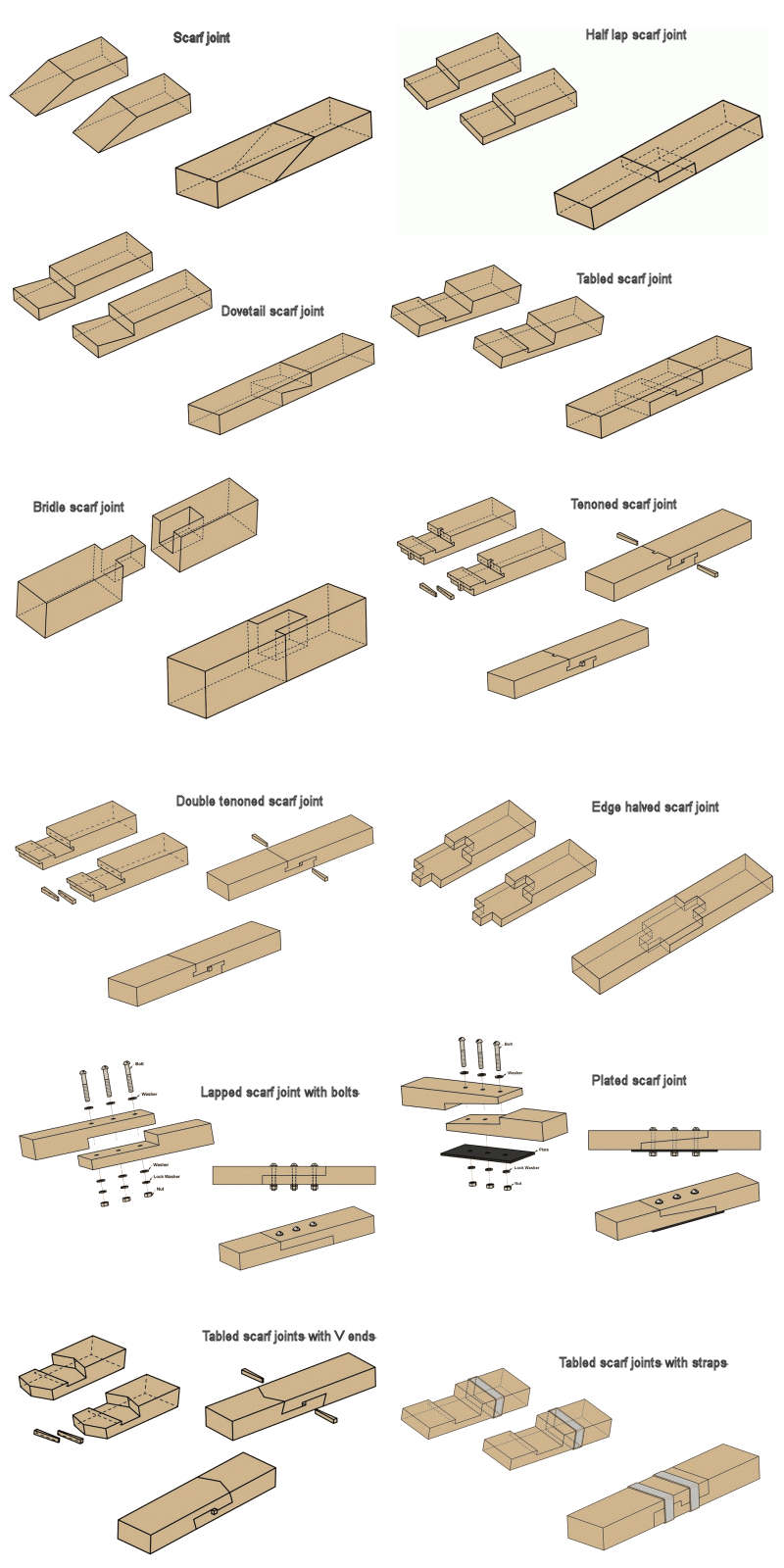
As we move further into the era of Industry 4.0, the manual creation of scarf joints is being replaced by digital precision and robotic automation. The complexity of calculating the perfect scarf angle and executing the cut in a multi-layered composite skin is now handled by sophisticated software and hardware ecosystems.
CAD/CAM Integration for Precision Cutting
In modern manufacturing facilities, Computer-Aided Design (CAD) and Computer-Aided Manufacturing (CAM) systems are used to map out the exact geometry of a scarf joint before a single cut is made. For complex curved surfaces, such as a wing root or a high-performance hull, 3D laser scanning is employed to create a “digital twin” of the component.
This data is then fed into 5-axis CNC (Computer Numerical Control) machines that can mill the scarf profile with micron-level accuracy. This level of precision is impossible to achieve by hand but is necessary to ensure that the bond line thickness is consistent. In the world of high-tech adhesives, a bond line that is too thick or too thin can lead to a significant reduction in joint strength.
Robotic Scarfing and the AI Revolution
The future of structural maintenance lies in robotic scarfing systems. Companies are now developing mobile robotic platforms equipped with vision systems and machine learning algorithms. These robots can be deployed onto an aircraft wing or a wind turbine blade while it is still in the field.
The AI analyzes the extent of the damage and automatically calculates the optimal scarf repair geometry, taking into account the local stresses the part will face. The robot then executes the milling process with perfect repeatability. This integration of AI and robotics reduces the “human factor” in critical repairs, ensuring that every joint meets the exact engineering specifications required for high-performance operation.
Comparison with Alternative Bonding Techniques
To truly appreciate the value of the scarf joint, one must compare it to alternative methods used in the tech and manufacturing sectors. While other joints have their place, they often fall short in high-performance applications where safety and weight are the primary metrics.
Scarf Joints vs. Lap Joints in Structural Integrity
The lap joint is the most common alternative, where two pieces are simply placed one over the other. While lap joints are easier to manufacture, they are inherently inferior for high-tension applications. As previously mentioned, the offset nature of a lap joint causes “peel stresses” at the edges of the bond. In high-tech applications, these stresses can lead to delamination.
The scarf joint, by contrast, is a “flush” joint. Because there is no increase in thickness at the joint site, there is no eccentricity in the load path. For digital security and sensitive electronic housings, this flush finish also allows for better electromagnetic interference (EMI) shielding, as there are no gaps or protrusions to interfere with the protective coatings.
Adhesives and Thermal Bonding
The technology behind the scarf joint is only as good as the adhesive used to secure it. In the tech sector, we are seeing the rise of “smart adhesives” and thermoplastic resins. Unlike traditional thermoset resins that cannot be reshaped once cured, new thermoplastic composites allow scarf joints to be formed using heat and pressure (thermal welding).
This allows for a fusion at the molecular level, creating a joint that is virtually indistinguishable from the base material. When combined with the geometric advantages of the scarf profile, these advanced bonding techniques represent the current frontier of material assembly technology.
The Economic and Safety Impact of Scarf Joint Innovation
The implementation of advanced scarf joint technology has far-reaching implications for the global economy, particularly in the sectors of logistics, defense, and infrastructure. By allowing for more efficient repairs and lighter structures, this engineering technique directly influences the bottom line of major industrial players.
Reducing Weight and Increasing Fuel Efficiency
In the transportation tech sector, every gram of weight saved translates to increased range and reduced carbon emissions. For electric vehicles (EVs) and next-generation aircraft, the ability to use scarf-joined composites instead of heavy metal brackets or bolted assemblies is a game-changer. By optimizing the way materials are joined, manufacturers can extend the battery life of EVs and the flight time of drones, making these technologies more commercially viable.
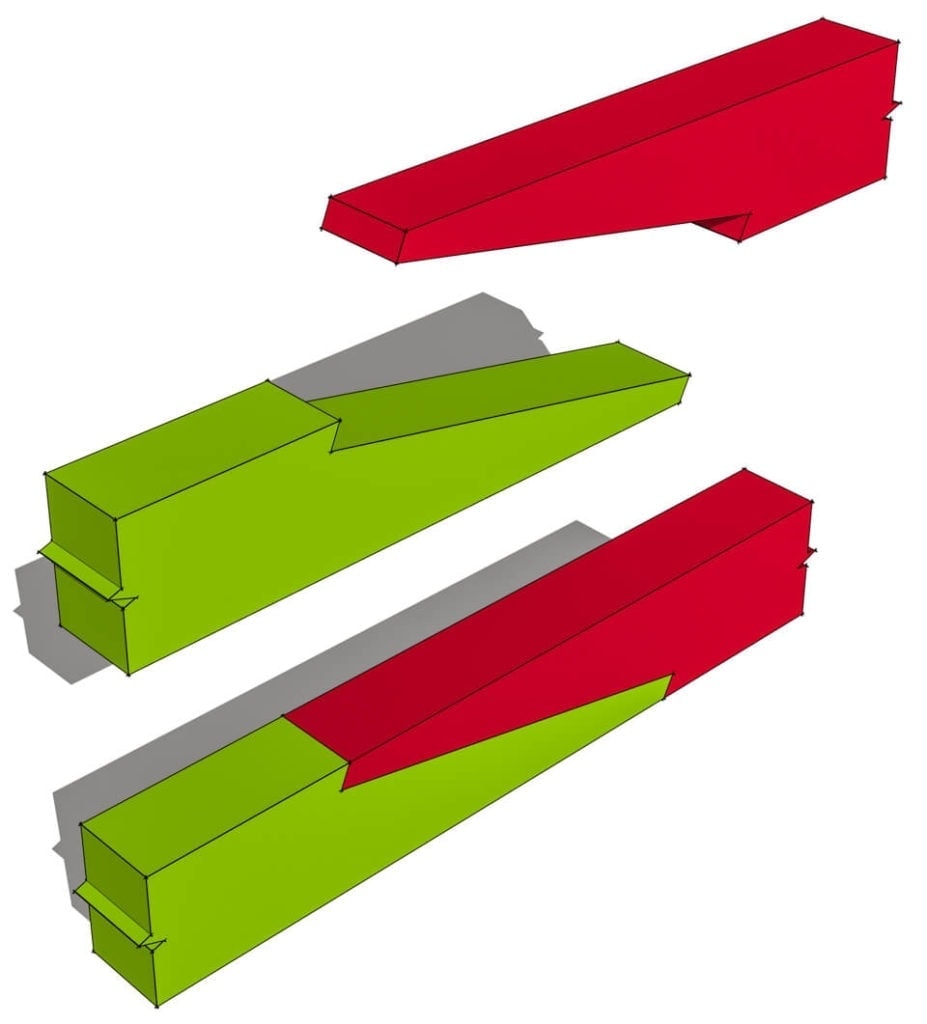
Structural Longevity and Safety Standards
Finally, the reliability of the scarf joint is a cornerstone of modern safety standards. In the digital age, we rely on high-tech sensors embedded within structures (Structural Health Monitoring or SHM) to detect cracks and fatigue. Data from these sensors consistently shows that well-executed scarf joints maintain their integrity longer than any other mechanical joining method.
As we look toward a future of autonomous taxis, hyperloop pods, and private space travel, the scarf joint will remain a fundamental element of the engineering toolkit. It is a perfect example of how an ancient mechanical concept can be refined through modern software, robotics, and chemistry to meet the most demanding challenges of the 21st century. By prioritizing the seamless distribution of force and the elimination of structural discontinuities, the scarf joint ensures that our most advanced technological creations are as strong as they are innovative.
aViewFromTheCave is a participant in the Amazon Services LLC Associates Program, an affiliate advertising program designed to provide a means for sites to earn advertising fees by advertising and linking to Amazon.com. Amazon, the Amazon logo, AmazonSupply, and the AmazonSupply logo are trademarks of Amazon.com, Inc. or its affiliates. As an Amazon Associate we earn affiliate commissions from qualifying purchases.