
To the casual observer, a sorority “rush”—officially known as formal recruitment—appears to be a whirlwind of matching outfits, rhythmic chants, and social gatherings. However, when viewed through the lens of high-level brand strategy, rush is one of the most sophisticated examples of market positioning and personal branding in the modern era. It is a multi-week intensive process where organizational brand identity meets individual brand management, resulting in a complex ecosystem of values-based marketing.
At its core, sorority rush is the process by which collegiate Greek-letter organizations select new members and, conversely, how students select the organization that best aligns with their personal brand. But to define it merely as a “selection process” ignores the strategic depth of the operation. It is a masterclass in lead generation, conversion funnels, and brand equity.

The Mechanics of the Sorority Brand Pipeline
In the corporate world, a brand must attract the right leads to ensure long-term sustainability. Sorority rush operates on an identical principle. For a chapter to thrive, it must successfully navigate a high-stakes recruitment cycle that functions much like a traditional marketing funnel.
Awareness and Lead Acquisition
The “rush” process begins long before the first door opens. Chapters engage in year-round brand awareness campaigns, utilizing social media platforms like Instagram and TikTok to curate an aesthetic that signals their “brand promise.” This phase is about top-of-funnel lead acquisition. By the time a Potential New Member (PNM) registers for recruitment, they have often already been “marketed” to for months through carefully crafted digital narratives.
The Conversion Funnel
Once formal recruitment begins, the funnel narrows through a series of “rounds.” Each round—typically categorized into Open House, Philanthropy, Sisterhood, and Preference—serves as a touchpoint in the consumer journey.
- Open House (Awareness): High volume, low friction. The chapter introduces its “brand colors” and basic value proposition.
- Philanthropy (Interest): The brand moves beyond aesthetics to demonstrate corporate social responsibility (CSR).
- Sisterhood (Evaluation): The chapter showcases its internal culture, aiming for emotional resonance with the PNM.
- Preference (Conversion): The final high-stakes pitch where the brand’s core values are laid bare to close the “sale.”
Retention and Brand Loyalty
The “bid”—the formal invitation to join—is the final conversion. However, the branding work does not end there. The sorority must then deliver on its brand promise to ensure member retention and cultivate “brand ambassadors” who will represent the organization to the public and future recruits.
Personal Branding: The Individual Within the Collective
While the sorority chapters are managing their corporate identities, the PNMs are engaged in an equally rigorous exercise in personal branding. In the context of rush, a PNM is both the consumer and the product. They must present a version of themselves that is authentic yet polished, unique yet compatible with the collective brand of the house they wish to join.
Visual Identity and First Impressions
In branding, visual cues are shortcuts to understanding. During rush, PNMs often adhere to specific dress codes that signal their understanding of the environment’s social capital. This is not merely about fashion; it is about “packaging.” Whether it is the specific choice of jewelry or the style of a dress, these visual elements are tools of non-verbal communication used to establish an immediate brand alignment with specific chapters.
Narrative Control and Networking
The “conversation” aspect of rush is a series of rapid-fire networking sessions. PNMs are trained (often by consultants or through extensive preparation) to deliver “elevator pitches” of their lives. They must highlight their achievements, philanthropic interests, and social values within a three-to-five-minute window. This requires incredible narrative control. Successful PNMs understand how to pivot conversations to highlight their “unique selling points” (USPs) without appearing overly rehearsed, a skill that is directly transferable to corporate interviews and professional networking.
Digital Footprint Management
In the modern landscape, personal branding extends to the digital realm. Long before a PNM walks into a sorority house, their “digital brand” is audited. Chapters frequently review the social media profiles of applicants to ensure their online persona aligns with the chapter’s reputation. This has turned the rush process into a 24/7 brand management task, where one’s digital footprint can either bolster or bankrupt their social currency.
Corporate Identity and Chapter Differentiation
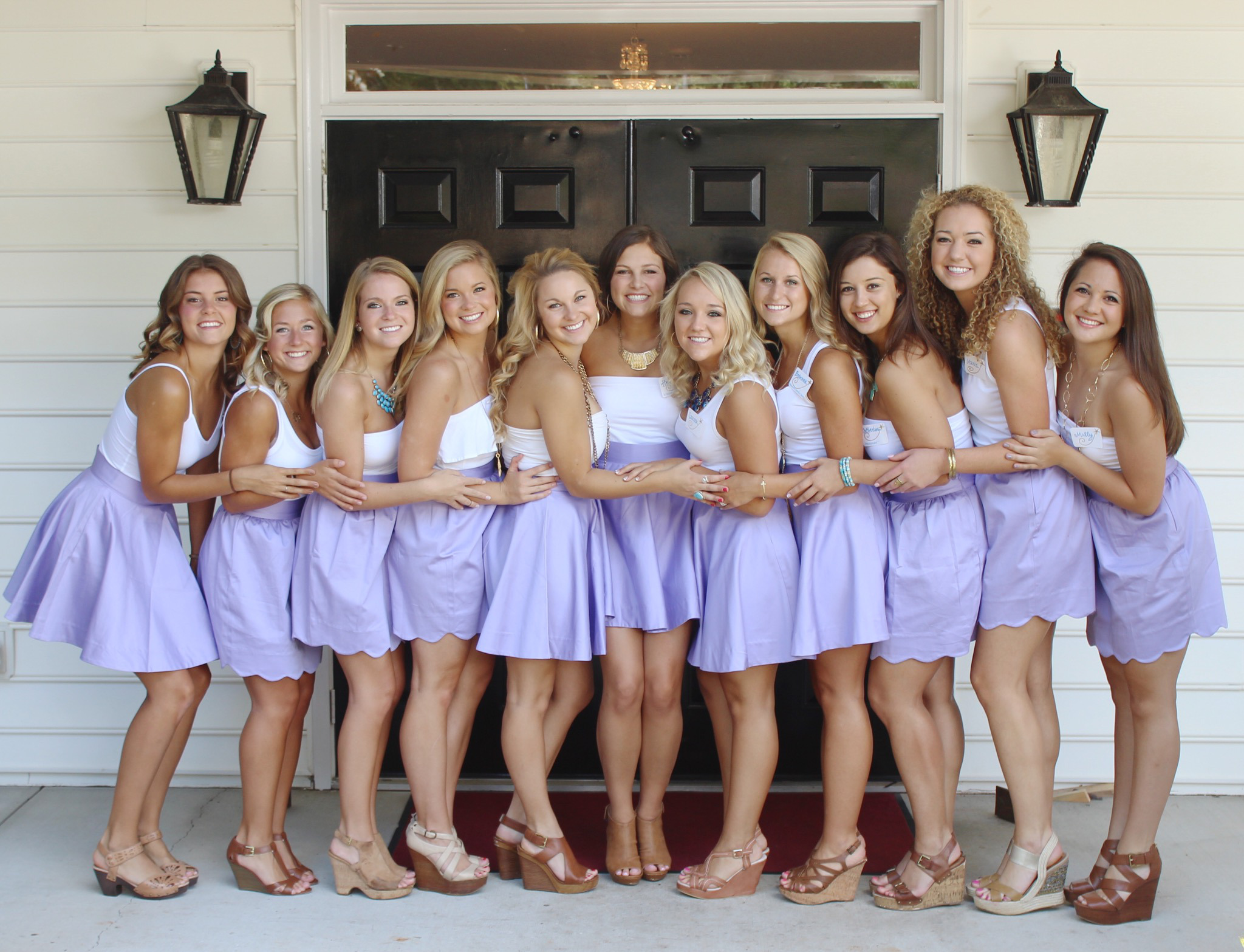
For a sorority chapter, the challenge of rush is differentiation. On any given campus, there may be fifteen to twenty different organizations, all offering a similar “product”—sisterhood, networking, and social events. To succeed, each chapter must cultivate a distinct corporate identity.
Brand Equity and Legacy
Chapters with a long history on a specific campus possess significant “brand equity.” This legacy acts as a powerful magnet for PNMs who are looking for stability and prestige. However, legacy can also be a burden if the brand becomes perceived as “outdated.” Consequently, older chapters must constantly innovate their brand image to remain relevant to the incoming Gen Z demographic while maintaining the core values that their alumni (the “shareholders”) expect.
Consistency Across Touchpoints
A brand is only as strong as its weakest touchpoint. During rush, this means that every member of the sorority—often numbering in the hundreds—must be “on brand.” Their movements, their talking points, and even their enthusiasm levels must be synchronized. This level of organizational alignment is rarely seen outside of luxury retail or high-end hospitality. It requires intensive training and a deep commitment to the collective identity, ensuring that no matter which member a PNM speaks to, the brand message remains consistent.
The Value Proposition: Philanthropy as CSR
In the modern marketplace, consumers—especially younger ones—want to align with brands that have a purpose. In the sorority world, this is achieved through philanthropy. Each organization is tied to a specific cause, such as domestic violence awareness, childhood literacy, or breast cancer research. By emphasizing these partnerships during rush, sororities position themselves not just as social clubs, but as mission-driven organizations. This adds a layer of “ethical branding” that is essential for attracting high-quality members.
The Strategy of Social Proof and Community Building
The phenomenon of “Bama Rush”—the viral TikTok trend surrounding recruitment at the University of Alabama—brought the branding strategies of sororities into the global spotlight. It demonstrated the power of social proof on an unprecedented scale.
Influencer Marketing Parallels
During rush, certain members often emerge as “influencers” for their chapters. Their personal reach on social media becomes a tool for the organization. When a PNM sees a popular student posting about their sorority, it acts as a high-value endorsement. This is influencer marketing in its purest form, where the “influencer” is an organic part of the community they are promoting.
The Scarcity Principle
One of the most powerful tools in branding is the “scarcity principle.” Sorority rush is built on this. There are only a limited number of spots in each chapter, and not every PNM will receive a bid from their top choice. This creates an environment of high demand and perceived exclusivity. By maintaining strict “admissions” standards, sororities increase their brand’s perceived value. The more difficult it is to “get in,” the more the brand is coveted.
Community as the Product
Ultimately, the product being sold during rush is community. In an increasingly digital and isolated world, the promise of a “lifelong bond” is a powerful value proposition. Sororities market the idea of a pre-packaged support system, a professional network, and a social home. This “community-led growth” model is something many modern brands strive to emulate, but few achieve with the same level of intensity as the Greek system.
Crisis Management and Brand Evolution
The sorority “brand” is not without its challenges. Issues regarding diversity, equity, and inclusion (DEI) have forced many organizations to undergo significant brand pivots.
Rebranding for the Modern Era
Many national organizations have had to strip away exclusionary traditions to align with modern social values. This is a classic rebranding exercise: identifying the “toxic” elements of a brand and replacing them with values that resonate with a contemporary audience. Chapters that fail to evolve their brand in this way often see a decline in recruitment numbers, proving that even the most established brands must adapt or face obsolescence.
Managing Negative PR
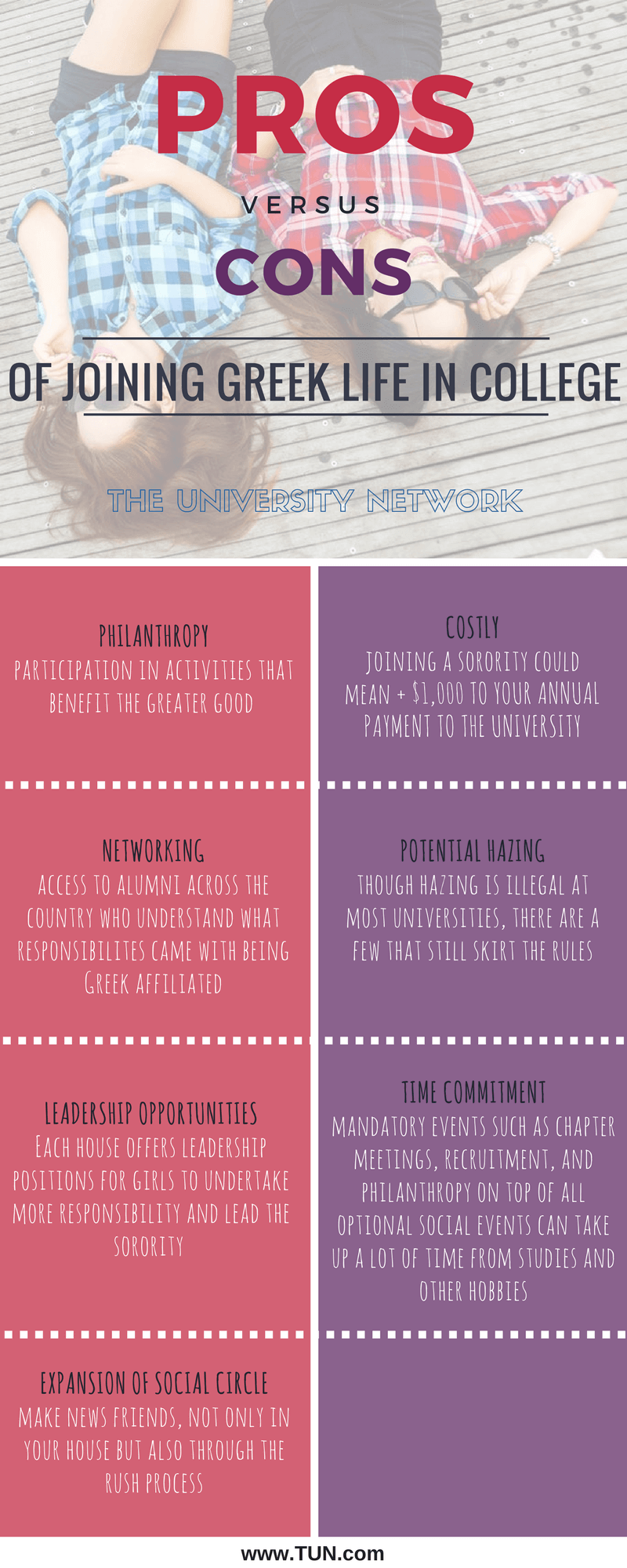
In the age of viral media, a single negative incident can tarnish a chapter’s brand overnight. This has led to the implementation of strict social media policies and crisis management protocols within chapters. Members are often trained on how to protect the “shield” (the organization’s crest), understanding that their individual actions have a direct impact on the corporate brand’s health.
In conclusion, “what is rush sorority” is a question that can be answered through the lens of a massive, coordinated branding event. It is a period where organizational identities are polished, personal brands are tested, and the principles of marketing are applied with surgical precision. For the organizations, it is a race for talent and market share; for the individuals, it is an exercise in positioning and self-presentation. Beyond the surface-level traditions, rush remains one of the most effective and enduring examples of brand strategy in action.
aViewFromTheCave is a participant in the Amazon Services LLC Associates Program, an affiliate advertising program designed to provide a means for sites to earn advertising fees by advertising and linking to Amazon.com. Amazon, the Amazon logo, AmazonSupply, and the AmazonSupply logo are trademarks of Amazon.com, Inc. or its affiliates. As an Amazon Associate we earn affiliate commissions from qualifying purchases.