
In the landscape of modern governance, the distinction between a public servant and a personal brand has become increasingly blurred. Admiral Rachel Levine, the U.S. Assistant Secretary for Health, stands as a quintessential case study in high-stakes personal branding within the public sector. When observers ask “What is Rachel Levine doing now?” they are often looking past the legislative updates and into the strategic positioning of a figure who represents both a demographic milestone and a specific philosophy of public health administration.
As the first openly transgender person to be confirmed by the U.S. Senate, Levine’s professional identity is under constant scrutiny. In the world of brand strategy, this is known as a “high-resonance” brand—one that evokes strong reactions across a wide spectrum. Currently, Levine’s efforts are concentrated on three primary strategic pillars: the institutionalization of health equity, the management of public health crises through authoritative communication, and the navigation of identity-based brand friction in a polarized political market.

The Architecture of a Public Health Brand
To understand what Rachel Levine is doing now, one must first analyze the architecture of her professional brand. Unlike corporate brands that focus on market share, a public leadership brand focuses on “trust share.” Levine’s brand is built on a foundation of clinical expertise (pediatrics and adolescent medicine) and administrative longevity.
From State to Federal Scaling
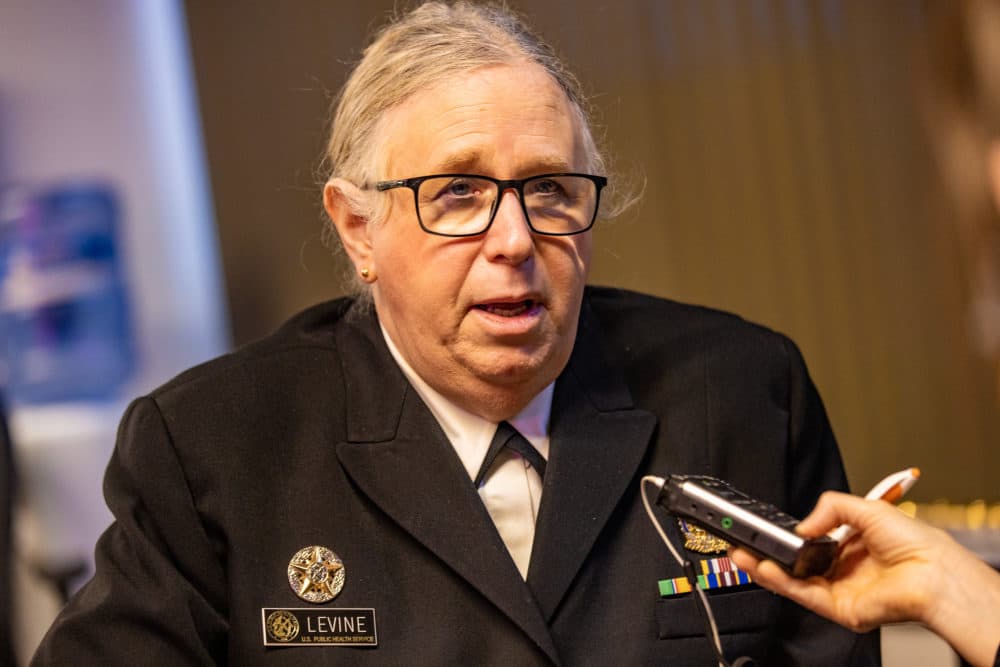
Levine’s current activities are a direct expansion of the brand she built as the Secretary of Health in Pennsylvania. In brand management terms, this was a “regional-to-national” scale-up. In her federal role, she has maintained a consistent visual and rhetorical identity: the uniform of the U.S. Public Health Service Commissioned Corps. This choice is strategic; the uniform acts as a “brand anchor,” signaling authority, discipline, and non-partisanship in an era where public health is frequently politicized.
Defining the “Health Equity” Product Line
Currently, Levine is the primary face of the Department of Health and Human Services’ (HHS) health equity initiatives. This is her core “product.” By focusing on marginalized communities, she is positioning her brand as a champion for the underserved. This involves coordinating across various federal agencies to ensure that health outcomes are not determined by zip code, race, or gender identity. For a brand strategist, this is a clear “differentiation” strategy—she has carved out a niche that aligns her personal history with her professional mandate.
Navigating Brand Friction and Resilience
One of the most complex aspects of Levine’s current work is the management of brand friction. In marketing, friction occurs when a brand’s presence meets resistance from a specific segment of the audience. For Levine, this friction is often tied to her identity. How she handles this provides a masterclass in brand resilience and reputation management.
The Strategy of Mission-First Communication
Levine’s current communication strategy is characterized by a “mission-first” approach. When faced with personal or political attacks, her brand response is rarely defensive. Instead, she pivots back to the data and the mission of the Office of the Assistant Secretary for Health (OASH). This is a classic PR tactic: starve the controversy of oxygen by refusing to engage on the opponent’s terms. By remaining focused on the opioid crisis, youth mental health, and climate change, she reinforces her brand as a serious, results-oriented administrator.
Building an Ecosystem of Support
A brand is only as strong as its network. Levine is currently engaged in extensive “partnership branding.” She frequently collaborates with medical associations, advocacy groups, and state-level health officials. By aligning her personal brand with established institutions like the American Academy of Pediatrics, she borrows their institutional “halo effect,” which helps to insulate her from political volatility and validates her policy positions to a broader audience.
Current Strategic Initiatives: Beyond the Headlines
If we look at the tactical level of what Rachel Levine is doing now, her calendar is dominated by several high-level strategic initiatives that serve to solidify her legacy and the impact of her office.

The Climate Change and Health Equity Office
Levine is currently overseeing the Office of Climate Change and Health Equity (OCCHE). This is a forward-looking brand move. By linking environmental issues with public health, she is positioning her brand at the intersection of two of the most significant challenges of the 21st century. This “category creation” within the HHS allows her to lead a narrative that is both scientific and socially relevant, expanding her brand’s reach into the environmental policy space.
Addressing the Mental Health Crisis
Another significant component of her current portfolio is the focus on the nation’s mental health, particularly following the COVID-19 pandemic. Levine has been a vocal proponent of the “988” suicide and crisis lifeline. From a brand perspective, this allows her to be associated with a tangible, lifesaving service. It shifts the conversation from abstract policy to direct human impact, which is a powerful way to build brand affinity among the general public.
Long COVID and Emerging Threats
Levine is also a lead figure in the government’s response to Long COVID. This involves coordinating research and clinical guidance. In the world of personal branding, being the “voice of reason” during uncertainty is a high-value position. By providing steady, data-driven updates, she reinforces the “Expert” archetype that is central to her brand identity.
Digital Presence and Public Relations Strategy
In the digital age, what a leader “is doing” is often defined by their digital footprint. Levine’s digital strategy is highly controlled and professional.
Social Media as a Professional Ledger
Her presence on platforms like X (formerly Twitter) and LinkedIn serves as a professional ledger. There is very little “behind-the-scenes” or lifestyle content. This is a deliberate brand choice to maintain a high level of professional “gravitas.” Every post is a touchpoint that reinforces her focus on public health metrics, policy announcements, and the promotion of HHS initiatives.
Thought Leadership and Speaking Engagements
Levine is currently a frequent speaker at medical conferences and university commencements. These engagements are “thought leadership” maneuvers. They allow her to bypass the filter of mainstream media and speak directly to the next generation of healthcare professionals. By influencing the “influencers” of the future, she is ensuring the longevity of her brand’s core values—inclusivity and evidence-based medicine.
Lessons in Brand Longevity and Legacy
What can brand strategists and public figures learn from Rachel Levine’s current trajectory? Her tenure provides several insights into maintaining a brand under extreme pressure.
- Consistency Over Reaction: Levine’s brand remains steady regardless of the political climate. She does not change her messaging to suit the trend of the week. This consistency builds a long-term “brand memory” of stability.
- Identity as an Asset, Not a Liability: Rather than shying away from her identity, she has integrated it into a broader narrative of equity. This turns what some might see as a “target” into a unique selling proposition (USP) of authenticity and representation.
- Value-Based Positioning: By anchoring her brand in “public health” (a universal value), she makes it difficult for critics to attack her without appearing to attack the concept of health itself.
Conclusion: The Future of the Levine Brand
As Rachel Levine continues her work at the federal level, her brand is evolving from that of a “trailblazer” to that of an “institutionalist.” She is no longer just the “first”; she is a key architect of the modern American public health framework.
What she is doing now is more than just managing an office; she is executing a strategic long-game. By focusing on systemic issues like climate change and health equity, she is ensuring that her brand will be remembered for its policy contributions rather than just its historical novelty. For anyone interested in brand strategy, Levine’s career offers a compelling look at how to navigate identity, expertise, and public perception in one of the most visible roles in the world. Her current activities suggest a focus on permanence—embedding her brand of inclusive, data-driven health policy into the very fabric of the U.S. government.
aViewFromTheCave is a participant in the Amazon Services LLC Associates Program, an affiliate advertising program designed to provide a means for sites to earn advertising fees by advertising and linking to Amazon.com. Amazon, the Amazon logo, AmazonSupply, and the AmazonSupply logo are trademarks of Amazon.com, Inc. or its affiliates. As an Amazon Associate we earn affiliate commissions from qualifying purchases.