
The landscape of global transportation is undergoing its most significant transformation since the invention of the internal combustion engine. At the center of this shift is a term that has rapidly moved from industry jargon to a mainstream tech buzzword: NEV. Standing for New Energy Vehicle, NEV is an umbrella term that encompasses a wide range of automotive technologies designed to reduce or eliminate reliance on fossil fuels.
While many people use the terms “electric car” and “NEV” interchangeably, the technological reality is far more nuanced. An NEV is not merely a vehicle with a battery; it represents a fundamental shift in automotive architecture, software integration, and energy management. To understand what an NEV is, one must look past the sleek bodywork and examine the complex convergence of chemical engineering, power electronics, and high-performance computing that defines this new era of mobility.

Defining NEV: Beyond the Electric Motor
At its most basic level, a New Energy Vehicle is defined by its propulsion system. Unlike traditional vehicles that rely on the combustion of gasoline or diesel, NEVs utilize electricity—either stored in batteries or generated on-board—to provide power to the wheels. However, the tech sector categorizes these vehicles into three distinct primary pillars based on how they manage and source their energy.
The Core Components of an NEV
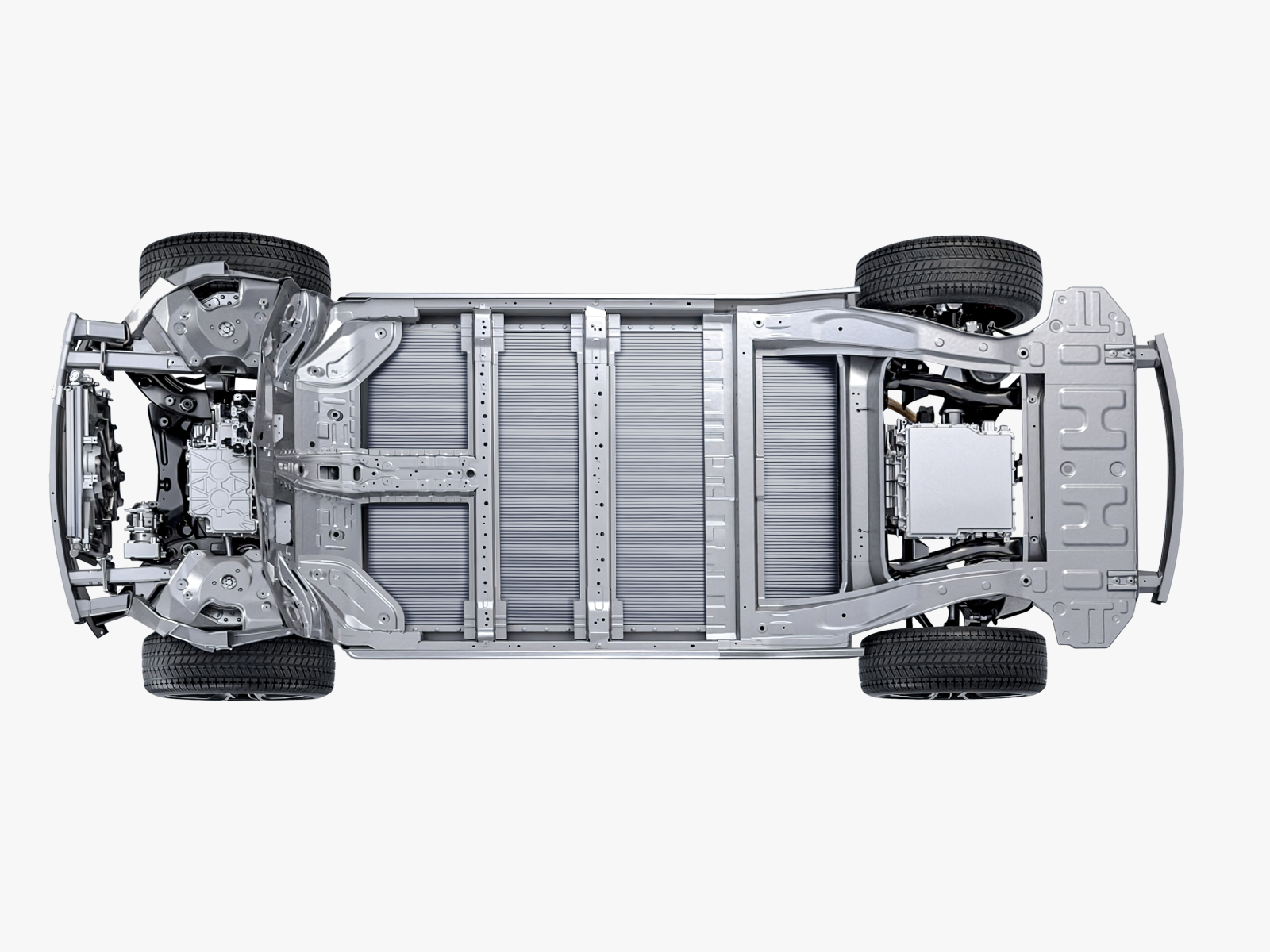
The fundamental architecture of an NEV differs radically from its predecessor. In a traditional vehicle, the engine is the heart. In an NEV, the system is decentralized into a “Power Trinity”: the battery pack, the electric motor, and the electronic control system. The battery pack serves as the energy reservoir, the motor acts as the actuator, and the electronic control system functions as the brain, managing the flow of high-voltage electricity with microsecond precision. This transition from mechanical linkages to electronic pulses allows for instantaneous torque, superior energy efficiency, and a quieter, smoother driving experience.
Categorizing the Three Pillars: BEV, PHEV, and FCEV
The NEV classification is generally divided into three main technological paths:
- Battery Electric Vehicles (BEVs): These are “pure” electric vehicles. They lack an internal combustion engine entirely and rely solely on large lithium-ion or lithium-iron-phosphate (LFP) battery packs. BEVs represent the pinnacle of the zero-emission goal, utilizing regenerative braking to recapture kinetic energy and store it back in the battery.
- Plug-in Hybrid Electric Vehicles (PHEVs): PHEVs represent a bridge technology. They contain both an internal combustion engine and an electric motor with a rechargeable battery. Unlike standard hybrids, PHEVs can be plugged into an external power source, allowing them to operate in a pure-electric mode for significant distances before the gasoline engine takes over.
- Fuel Cell Electric Vehicles (FCEVs): Perhaps the most complex from a tech standpoint, FCEVs use hydrogen gas to generate electricity through a chemical reaction in a fuel cell stack. The only byproduct is water vapor. While currently less common than BEVs, FCEVs are a critical part of the NEV ecosystem, particularly for long-haul heavy transport where battery weight becomes a limiting factor.
The Technological Infrastructure Behind the Shift
The rapid adoption of NEVs is not just a result of environmental policy; it is driven by massive leaps in material science and electrical engineering. The “tech” in NEV refers specifically to how these vehicles handle energy density and thermal management—two of the greatest hurdles in modern engineering.
Battery Innovation and Solid-State Breakthroughs
The battery is the most expensive and technologically sensitive component of any NEV. For years, the industry has relied on liquid-electrolyte lithium-ion batteries. However, the next frontier in NEV tech is the development of solid-state batteries. By replacing the liquid electrolyte with a solid material, manufacturers can achieve significantly higher energy density (meaning more range in a smaller package) and enhanced safety, as solid-state units are far less prone to overheating or fire.
Furthermore, the shift toward LFP (Lithium Iron Phosphate) chemistry has democratized the NEV market. While they offer slightly less density than cobalt-based batteries, they are more durable, cheaper to produce, and ethically easier to source, showcasing how tech trends are pivoting toward sustainability in the supply chain as well as the product itself.
Power Electronics and Thermal Management Systems
Managing high-voltage electricity requires sophisticated power electronics. The inverter, for instance, is a critical piece of tech that converts the Direct Current (DC) from the battery into the Alternating Current (AC) required by the motor. Modern NEVs are now moving toward Silicon Carbide (SiC) power modules. SiC technology allows for higher switching frequencies and better heat resistance, which directly translates to faster charging times and longer range through reduced energy loss.
Thermal management is equally vital. Because batteries and motors perform best within specific temperature ranges, NEVs employ advanced liquid cooling loops and heat pumps. These systems can even scavenge waste heat from the motor and electronics to warm the cabin in winter, showcasing an incredible level of integrated efficiency that traditional vehicles simply cannot match.
Software-Defined Vehicles: The Brain of the NEV
If the battery and motor are the muscles of an NEV, the software is its consciousness. One of the most significant trends in the tech world is the move toward “Software-Defined Vehicles” (SDVs). In the past, a car’s features were fixed the moment it left the factory. With NEVs, the vehicle is a living platform that evolves over time.
Over-the-Air (OTA) Updates and Connectivity
The integration of robust onboard operating systems allows NEVs to receive Over-the-Air (OTA) updates. Much like a smartphone, an NEV can receive software patches that improve battery efficiency, increase motor output, or add new safety features overnight. This connectivity transforms the car from a depreciating mechanical asset into a dynamic digital product.
This level of connectivity also enables advanced telematics. Manufacturers can monitor the health of the battery cells in real-time, predicting potential failures before they happen and providing users with precise data on their energy consumption patterns.
Integration with Autonomous Driving Systems
NEVs are the natural partners for autonomous driving technology. Because electric drivetrains are digitally controlled, they interface much more seamlessly with the sensors, cameras, and LiDAR (Light Detection and Ranging) systems required for self-driving capabilities. The precise control over torque and braking provided by electric motors allows the vehicle’s AI to execute driving maneuvers with a level of granularity that internal combustion engines find difficult to replicate. The future of NEVs is inextricably linked to the development of Level 4 and Level 5 autonomy, where the vehicle becomes a mobile living space rather than just a mode of transport.
The Global Tech Ecosystem and Environmental Impact
The NEV revolution extends far beyond the chassis of the car. It is fundamentally reshaping the global energy grid and how we interact with technology on a societal scale.
Smart Grids and V2G (Vehicle-to-Grid) Technology
One of the most exciting technological prospects of the NEV era is Vehicle-to-Grid (V2G) integration. An NEV is essentially a massive mobile battery. Through bidirectional charging tech, these vehicles can not only draw power from the grid but also feed it back during peak demand. This turns a fleet of NEVs into a distributed power plant, helping to stabilize the energy grid and integrate intermittent renewable energy sources like wind and solar. This creates a circular tech ecosystem where the car serves as a vital component of the home and city infrastructure.
The Life Cycle Assessment of NEV Production
Tech-driven sustainability also focuses on the “circular economy.” As the first generation of NEVs reaches the end of its life, the tech industry is developing sophisticated methods for battery recycling and second-life applications. Retired NEV batteries, which may still retain 70-80% of their capacity, are being repurposed for stationary energy storage in homes and factories. This lifecycle management is a core part of the NEV value proposition, ensuring that the technology remains “green” from mineral extraction to final recycling.

Navigating the Future: What’s Next for NEV Tech?
The trajectory of NEV technology suggests that we are only at the beginning of this evolution. As we look forward, several emerging trends will define the next decade of the NEV sector.
First, we will see the move toward 800-volt architectures as the standard. This will cut charging times in half, making the “refueling” experience of an NEV comparable to that of a gasoline car. Second, the integration of Artificial Intelligence will move beyond driving assistance to hyper-personalization, where the vehicle’s cabin environment, route planning, and energy usage are all optimized by an AI that understands the driver’s habits and preferences.
Finally, the convergence of NEV tech with smart city infrastructure will lead to “V2X” (Vehicle-to-Everything) communication. Your car will talk to traffic lights, parking garages, and other vehicles to optimize traffic flow and safety.
In conclusion, an NEV is far more than a “new energy” car. It is a sophisticated, software-driven data center on wheels that sits at the intersection of energy technology and digital innovation. Whether through the chemistry of a solid-state battery or the lines of code in an autonomous driving algorithm, NEV technology is rewriting the rules of how we move, how we use energy, and how we interact with the world around us. Understanding NEV is not just about understanding cars; it is about understanding the technological foundation of a sustainable, connected future.
aViewFromTheCave is a participant in the Amazon Services LLC Associates Program, an affiliate advertising program designed to provide a means for sites to earn advertising fees by advertising and linking to Amazon.com. Amazon, the Amazon logo, AmazonSupply, and the AmazonSupply logo are trademarks of Amazon.com, Inc. or its affiliates. As an Amazon Associate we earn affiliate commissions from qualifying purchases.