
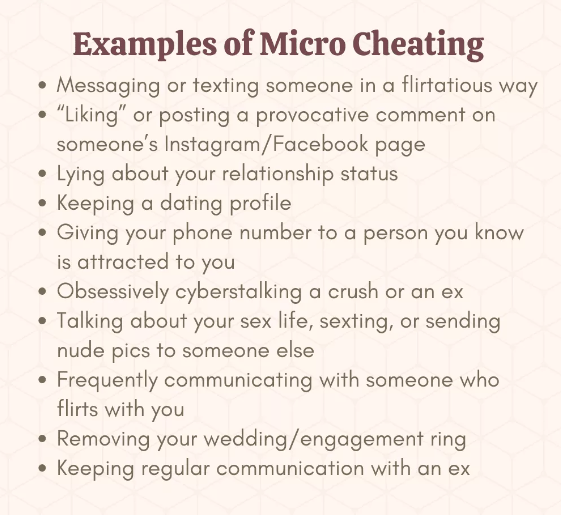
The concept of infidelity has undergone a radical transformation in the twenty-first century. Before the ubiquity of high-speed internet and smartphones, the lines of betrayal were relatively clear-cut, usually involving physical proximity or overt emotional declarations. However, the rise of the digital ecosystem has introduced a nuanced, often gray area known as “micro-cheating.” In a technological context, micro-cheating refers to a series of small, digitally-mediated actions that suggest a person is emotionally or physically focused on someone outside their committed relationship.
While the term may sound trivial, the impact of these behaviors is magnified by the persistent, “always-on” nature of modern technology. From the subtle mechanics of social media algorithms to the privacy features of encrypted messaging apps, tech has provided a playground for interactions that bypass traditional relationship boundaries. To understand micro-cheating, one must look closely at how software design, digital communication habits, and the “gamification” of social validation influence human behavior.

The Digital Definition: How Technology Redefined Infidelity
At its core, micro-cheating is a byproduct of the frictionless communication enabled by modern software. It is characterized by behaviors that may not technically violate a “no-cheating” policy in the traditional sense but still cultivate a level of intimacy that undermines a partner’s trust. In the tech-saturated world, these behaviors often manifest through specific digital habits.
From Direct Messages to Stealth Likes
One of the primary vehicles for micro-cheating is the social media platform. The design of platforms like Instagram and X (formerly Twitter) encourages “low-stakes” engagement. A “like” on a photo from three years ago, a heart reaction to a story, or a consistent stream of “flame” emojis are all technical actions that carry significant social weight. These are often referred to as “breadcrumbs”—small digital signals intended to keep a person in one’s peripheral vision without committing to a full conversation.
The difficulty with these interactions is their ambiguity. Is a “like” just an acknowledgment of good photography, or is it a signal of attraction? Software developers design these features to be effortless, but in the context of a committed relationship, this lack of friction can lead to a slippery slope where digital engagement replaces emotional investment in a primary partner.
The Psychology of the “Invisible” Interaction
Technology provides a veil of invisibility that physical interactions do not. Features such as “Vanish Mode” on Instagram or the “Disappearing Messages” setting on WhatsApp allow users to engage in conversations that leave no digital footprint. When a user consciously chooses to use a specific tech feature to hide a conversation, they move from casual interaction into the territory of micro-cheating. The technical ability to “hide” activity often emboldens individuals to say things they wouldn’t say in person, creating an artificial sense of safety that can lead to deeper emotional breaches.
The Tools of Attachment: Apps and Platforms Facilitating Micro-Cheating
It is impossible to discuss micro-cheating without acknowledging the role of app architecture. Many of the tools we use for productivity or networking are dual-use; they can be leveraged to maintain “backburner” relationships.
Social Media Algorithms and “Orbiting”
The algorithms that power our feeds are designed to maximize engagement. If a user frequently views a specific person’s profile or searches for their name, the algorithm will prioritize that person’s content in their feed. This creates a feedback loop where the technology reinforces a fixation. “Orbiting” occurs when a person continues to engage with an ex-partner’s or a crush’s content—viewing every story, liking every post—without actually communicating. While no words are exchanged, the technical engagement keeps the “orbiting” party mentally tethered to someone else, often at the expense of their current partner’s peace of mind.
Encrypted Messaging and Privacy Features
Encryption is a cornerstone of digital security, essential for protecting sensitive data and ensuring privacy from bad actors. However, within a relationship, these same tools can be used to facilitate micro-cheating. Apps like Telegram and Signal offer “Secret Chats” and self-destructing media. While these are vital for whistleblowers and journalists, in a domestic setting, they can be repurposed to conduct interactions that the user intends to keep secret. The existence of a “hidden” folder or a biometric-locked app on a smartphone can be a technical red flag that suggests the user is curating a digital life that excludes their partner.

The Rise of Professional Networking as a Veil
Interestingly, professional platforms like LinkedIn have become unexpected hotspots for micro-cheating. Because the platform is perceived as “work-related,” users may feel more comfortable engaging in flirtatious behavior under the guise of professional networking or “mentorship.” The professional context provides a layer of plausible deniability. When a user spends hours “collaborating” in DMs with a specific individual on a professional app, the technical boundary between a career move and an emotional affair becomes dangerously thin.
Digital Security and Transparency: Navigating the Privacy-Trust Paradox
As micro-cheating becomes more prevalent, the tech community has seen a rise in tools designed to monitor or prevent it. This has sparked a debate over digital security versus personal privacy within a relationship.
Monitoring Software vs. Open Communication
The market for “stalkerware” or employee-monitoring software is often repurposed by suspicious partners. These tools can track GPS locations, record keystrokes, and mirror screen activity. While tech provides the means to catch micro-cheating, the use of such invasive software often destroys the very trust it seeks to verify. From a digital security perspective, installing third-party monitoring apps on a partner’s device introduces massive vulnerabilities, potentially exposing the device to hackers while simultaneously violating the partner’s right to data privacy.
Setting Digital Ground Rules
To navigate the risks of micro-cheating, couples are increasingly turning to “digital prenups” or agreed-upon tech boundaries. This involves a professional approach to how tech is used within the relationship. For example, a couple might agree that “Direct Messages” with certain individuals are off-limits or that they will maintain a “no-secrets” policy regarding social media passwords.
From a technical standpoint, transparency can also be achieved through features like “Family Sharing” on Apple devices or shared Google Calendars. These tools are designed for convenience, but they also serve as a structural framework for digital honesty. By integrating their digital lives, couples can use technology as a bridge rather than a barrier.
The Future of Relationships in the Metaverse and AI Era
As we look toward the future, the definition of micro-cheating is set to expand even further with the advent of the Metaverse and highly advanced Artificial Intelligence.
AI Companions and Virtual Emotional Labor
The rise of AI chatbots like Replika or specialized LLMs (Large Language Models) designed for companionship introduces a new ethical dilemma. If a person spends several hours a day engaging in an emotional, perhaps even romantic, dialogue with an AI, does that constitute micro-cheating? Unlike a human, an AI is a piece of software programmed to be the “perfect” partner—always agreeable, always available. This digital emotional labor can lead to a withdrawal from real-world relationships. As AI becomes more indistinguishable from human interaction, the tech industry will have to grapple with the psychological impact of “artificial infidelity.”
Developing a Tech-First Relationship Agreement
As virtual reality (VR) and augmented reality (AR) become more integrated into our lives, the potential for virtual micro-cheating increases. Attending a virtual concert or hanging out in a digital space with an avatar that isn’t one’s partner can trigger feelings of betrayal. The solution lies in a more sophisticated understanding of digital ethics.
The future of maintaining a healthy relationship in the tech age requires more than just “not cheating”; it requires an active awareness of how our digital footprints and algorithmic interactions affect our real-world bonds. Users must become conscious consumers of social media, understanding that every “like,” “follow,” and “swipe” is a data point that carries emotional weight.
In conclusion, micro-cheating is not just a relationship issue; it is a technological one. It is the result of human emotions colliding with software designed for hyper-connectivity and anonymity. By understanding the technical mechanisms that facilitate these behaviors—from disappearing messages to algorithmic suggestions—individuals can better navigate the digital landscape and maintain the integrity of their offline relationships. The key is not to fear the technology, but to master it, ensuring that our gadgets serve to strengthen our connections rather than provide a back door for their dissolution.
aViewFromTheCave is a participant in the Amazon Services LLC Associates Program, an affiliate advertising program designed to provide a means for sites to earn advertising fees by advertising and linking to Amazon.com. Amazon, the Amazon logo, AmazonSupply, and the AmazonSupply logo are trademarks of Amazon.com, Inc. or its affiliates. As an Amazon Associate we earn affiliate commissions from qualifying purchases.