
In an era where brand managers are inundated with more data than ever before, the challenge of determining exactly which marketing efforts are driving growth remains a primary concern for the C-suite. As privacy regulations tighten and the efficacy of granular digital tracking wanes, Media Mix Modeling (MMM) has re-emerged as the gold standard for strategic brand measurement. Far more than a mere statistical exercise, MMM serves as a high-level strategic compass, allowing brands to quantify the impact of their marketing investments across both digital and traditional channels.
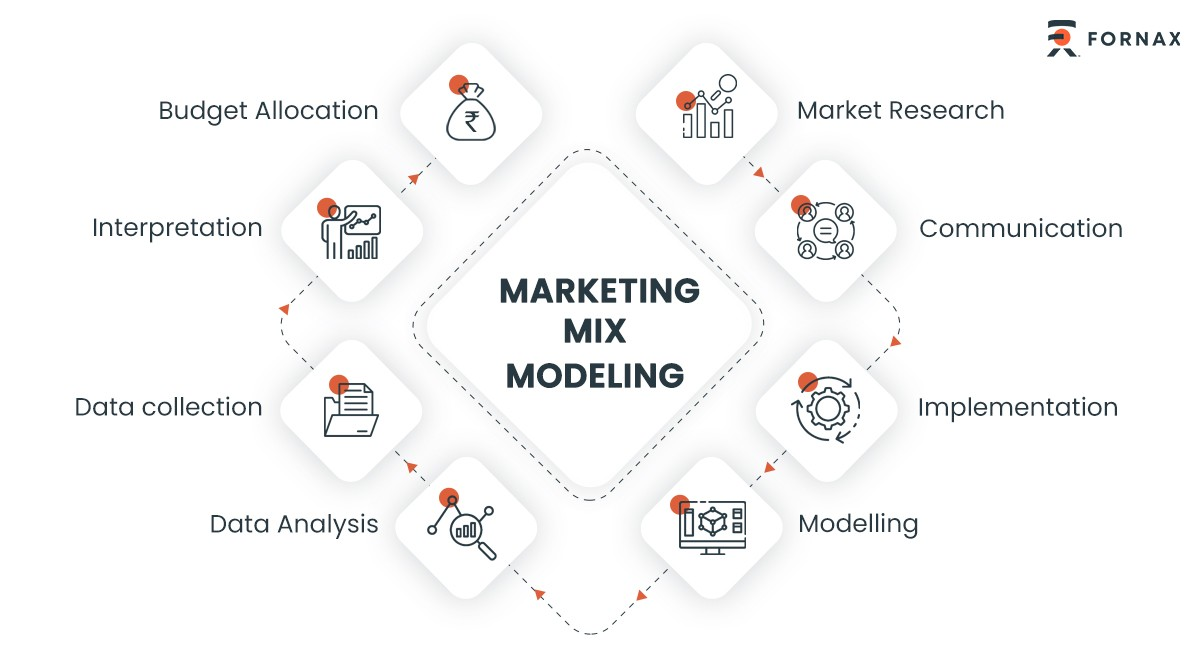
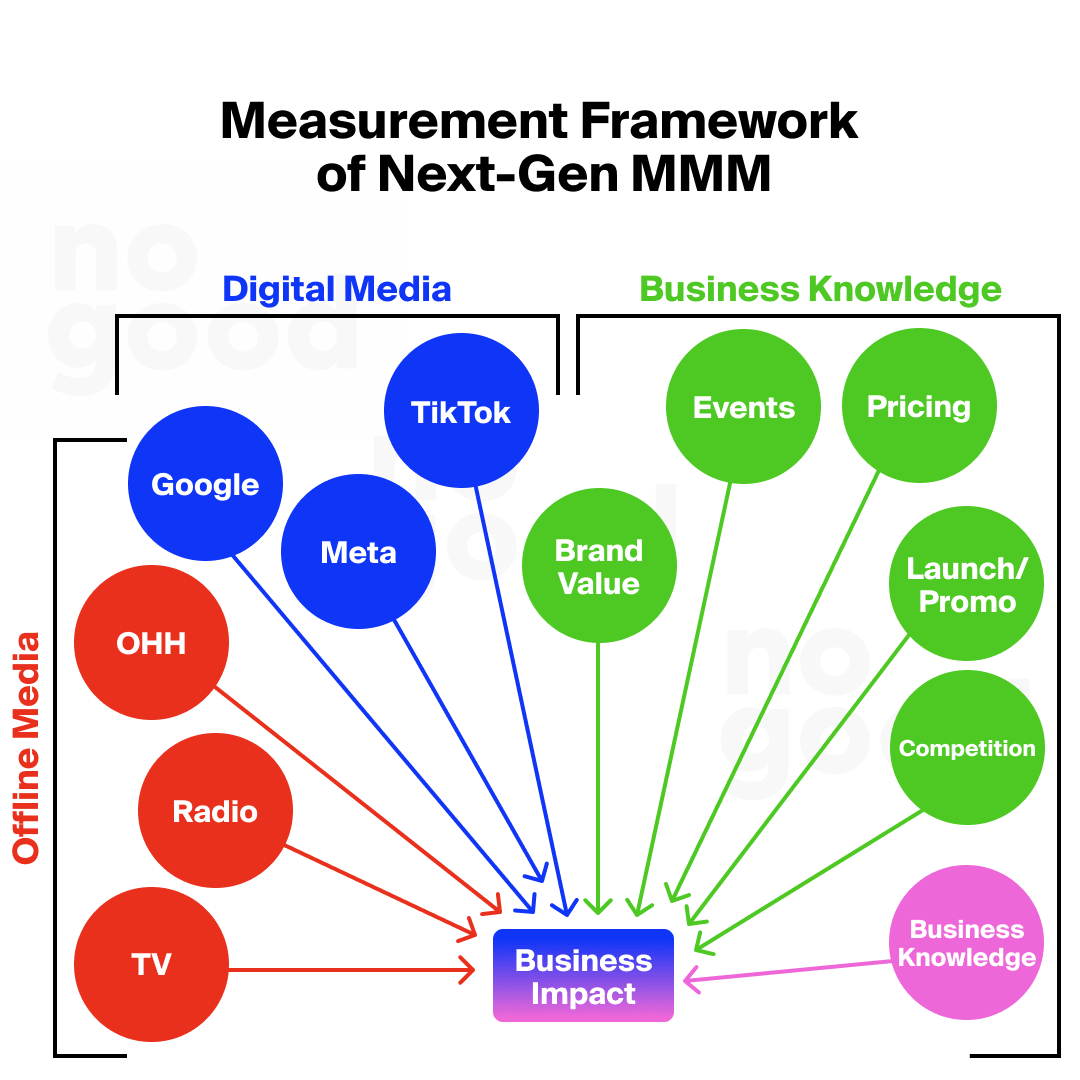
Media Mix Modeling is a top-down statistical analysis that uses historical data to quantify the relationship between marketing activities and business outcomes, such as sales, lead generation, or brand equity. By analyzing fluctuations in marketing spend and external factors over time, MMM provides a comprehensive view of how different channels—ranging from television and outdoor billboards to social media and paid search—contribute to the overall brand trajectory.
The Strategic Role of MMM in Modern Brand Management
The resurgence of Media Mix Modeling is largely driven by the shifting landscape of digital privacy. For over a decade, marketers relied heavily on “click-based” or “last-touch” attribution models. However, with the deprecation of third-party cookies and the implementation of privacy frameworks like Apple’s App Tracking Transparency (ATT), the ability to track individual user journeys has drastically diminished. This “privacy paradox” has forced brand strategists to return to aggregated, data-driven methodologies that do not rely on invasive tracking.
Moving Beyond Intuition: The Power of Data-Driven Decisions
For many brands, budget allocation has historically been a mix of intuition, last year’s spreadsheets, and the loudest voices in the room. Media Mix Modeling replaces this subjective approach with objective clarity. By examining long-term data sets, MMM identifies the true ROI of every dollar spent. It allows brand leaders to move past the “vanity metrics” of likes and impressions and focus on the metrics that actually move the needle for the corporate identity.
When a brand understands the mathematical relationship between its media spend and its revenue, it gains the confidence to scale. For instance, if the model reveals that a specific investment in brand-building video content has a six-month “halo effect” on organic search volume, the brand strategist can justify long-term investments that might otherwise be cut in favor of short-term performance tactics.
Addressing the Privacy Paradox and the Death of Cookies
As the industry moves toward a “cookieless” future, MMM offers a resilient alternative to deterministic tracking. Because MMM relies on aggregated data—total spend per channel per week versus total sales per week—it is inherently privacy-compliant. It does not need to know who clicked what; it only needs to know that when spend in a specific region increased, sales followed a predictable pattern. This makes it an indispensable tool for global brands operating under strict regulatory environments like GDPR or CCPA.
How Media Mix Modeling Works: The Mechanics of Attribution
At its core, MMM is a multi-variate regression analysis. It seeks to isolate the “signal” of marketing effectiveness from the “noise” of the marketplace. To do this, the model breaks down total sales into two primary categories: baseline sales and incremental sales.
Analyzing the Historical Data Set
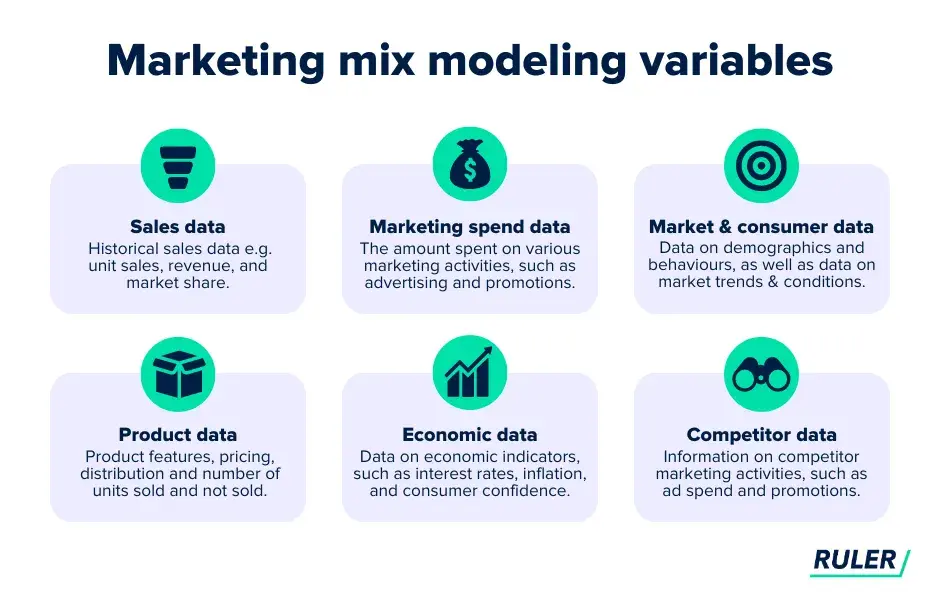
The strength of an MMM is entirely dependent on the quality and breadth of the historical data fed into it. Typically, a robust model requires two to three years of data to account for various cycles. This data includes media spend across all channels, pricing changes, promotions, and distribution levels. By looking at these variables over a long horizon, the model can identify patterns that are invisible in the short term.
For example, a brand might notice that sales spikes always occur two weeks after a major social media campaign begins. The MMM quantifies this “lag effect,” allowing the brand to understand the temporal relationship between a consumer seeing an advertisement and making a purchase.
Accounting for External Factors: Seasonality and Economy
One of the greatest advantages of MMM over digital attribution is its ability to account for external variables that are outside the brand’s control. A digital dashboard might show that sales increased during a Facebook campaign, but it may fail to realize that the increase was actually due to a holiday weekend, a competitor’s supply chain issue, or a sudden change in weather.
Media Mix Modeling incorporates these external factors—often called “contextual variables”—into the equation. By accounting for seasonality, economic indicators (like inflation or consumer confidence), and competitive activity, the model ensures that marketing is credited only for the sales it actually generated, rather than the sales that would have happened anyway.
Understanding Incremental Sales vs. Baseline Sales
A critical output of MMM is the distinction between “Baseline” and “Incremental” performance.
- Baseline Sales: These are the sales the brand would achieve through brand equity, long-term loyalty, and organic presence even if marketing spend were zero. This is a powerful metric for measuring the long-term health of the brand identity.
- Incremental Sales: These are the sales directly attributed to specific marketing interventions.
By identifying the baseline, brand strategists can measure the “stock” of their brand equity. If the baseline is growing year-over-year, it indicates that the brand is becoming more resonant and less dependent on constant promotional “pushes.”
Optimizing the Brand Budget for Maximum Impact
The ultimate goal of Media Mix Modeling is optimization. Once the model has been validated, it can be used for “what-if” simulations. Brand managers can test different scenarios: “What happens if we shift 20% of our television budget into influencer marketing?” or “How will a 10% price increase affect our overall volume if we maintain our current media weight?”
Diminishing Returns and the S-Curve of Spend
Every marketing channel is subject to the law of diminishing returns. There is a point at which spending an additional dollar on a specific platform yields less than a dollar in return. This is often visualized as an “S-Curve.”
MMM identifies these saturation points with precision. It tells the brand strategist when a channel is “tapped out” and when it is under-indexed. This prevents the common mistake of over-investing in a high-performing channel until it becomes inefficient. By diversifying spend according to the saturation curves identified in the model, a brand can achieve a much higher total ROI without increasing its total budget.
Cross-Channel Synergies and Brand Equity
Marketing channels do not operate in silos. A television ad might not drive a direct purchase, but it might make a consumer more likely to click on a search ad later that day. This is known as the “synergy effect.”
Advanced Media Mix Models are capable of calculating these interaction effects. They can demonstrate how “Upper Funnel” activities (like brand awareness campaigns) increase the efficiency of “Lower Funnel” activities (like retargeting ads). For a brand strategist, this data is vital for defending the budget for creative storytelling and brand building, which are often the first to be cut when looking purely at short-term digital attribution.
Implementing MMM: Best Practices for Marketing Leaders
Implementing a Media Mix Model is a significant undertaking that requires cross-departmental buy-in. It is not just a project for the data science team; it is a strategic initiative for the entire marketing organization.
Choosing Between Internal Development and Third-Party Solutions
Brands must decide whether to build a custom model in-house or partner with a specialized consultancy or software provider. While internal models offer the most customization and data security, they require a high level of statistical expertise and ongoing maintenance. Third-party solutions often provide more sophisticated benchmarking data and faster deployment, but they may lack the deep context of the brand’s specific market nuances.
Regardless of the path chosen, the most successful brands are those that treat MMM as an iterative process. The model should be updated regularly—typically quarterly or bi-annually—to reflect changes in consumer behavior and market dynamics.
Integrating MMM with Real-Time Attribution Models
While MMM is excellent for high-level strategic planning and annual budgeting, it is not designed for daily tactical adjustments. For this reason, leading brands use a “unified measurement” approach. They use Media Mix Modeling to set the overarching strategy and budget allocations, and they use Multi-Touch Attribution (MTA) or incrementality testing (Lift Studies) to optimize campaigns at the granular level. This combination ensures that the brand is both strategically sound and tactically agile.
The Future of Brand Measurement and Predictive Analytics
As we look toward the future, Media Mix Modeling is becoming increasingly sophisticated through the integration of Artificial Intelligence and Machine Learning. Traditional MMM was often criticized for being “backward-looking”—telling you what worked last year, rather than what will work next month.
Modern, AI-driven MMM is changing this. By processing data in near real-time and using predictive algorithms, these models can offer forward-looking forecasts with incredible accuracy. They can simulate thousands of permutations of a media plan to find the one that maximizes brand growth while minimizing risk.
Furthermore, the integration of “Brand Health” metrics into MMM is a growing trend. By including data from surveys, social sentiment analysis, and search intent, models can now quantify how media spend affects the consumer’s perception of the brand. This bridges the gap between the “hard numbers” of finance and the “soft metrics” of brand sentiment, providing a holistic view of what it means to build a successful, enduring brand in the digital age.
In conclusion, Media Mix Modeling is the essential tool for the modern brand strategist. It provides the empirical foundation necessary to navigate a complex, fragmented, and privacy-conscious media landscape. By transforming raw data into actionable strategic insights, MMM empowers brands to invest with confidence, optimize their reach, and ultimately drive sustainable, long-term growth.
aViewFromTheCave is a participant in the Amazon Services LLC Associates Program, an affiliate advertising program designed to provide a means for sites to earn advertising fees by advertising and linking to Amazon.com. Amazon, the Amazon logo, AmazonSupply, and the AmazonSupply logo are trademarks of Amazon.com, Inc. or its affiliates. As an Amazon Associate we earn affiliate commissions from qualifying purchases.