
In the landscape of global finance, the concept of time is often viewed through the standardized lens of the Gregorian calendar. However, for a significant portion of the global economy—specifically within the $3.96 trillion Islamic finance sector—the fundamental unit of time is the Islamic month. Understanding what an Islamic month is, and how it functions, is essential for investors, financial analysts, and personal finance enthusiasts who operate within or alongside Sharia-compliant markets. Unlike the solar-based months of the Western calendar, the Islamic month is a lunar phenomenon, and its implications for liquidity, asset valuation, and ethical wealth distribution are profound.
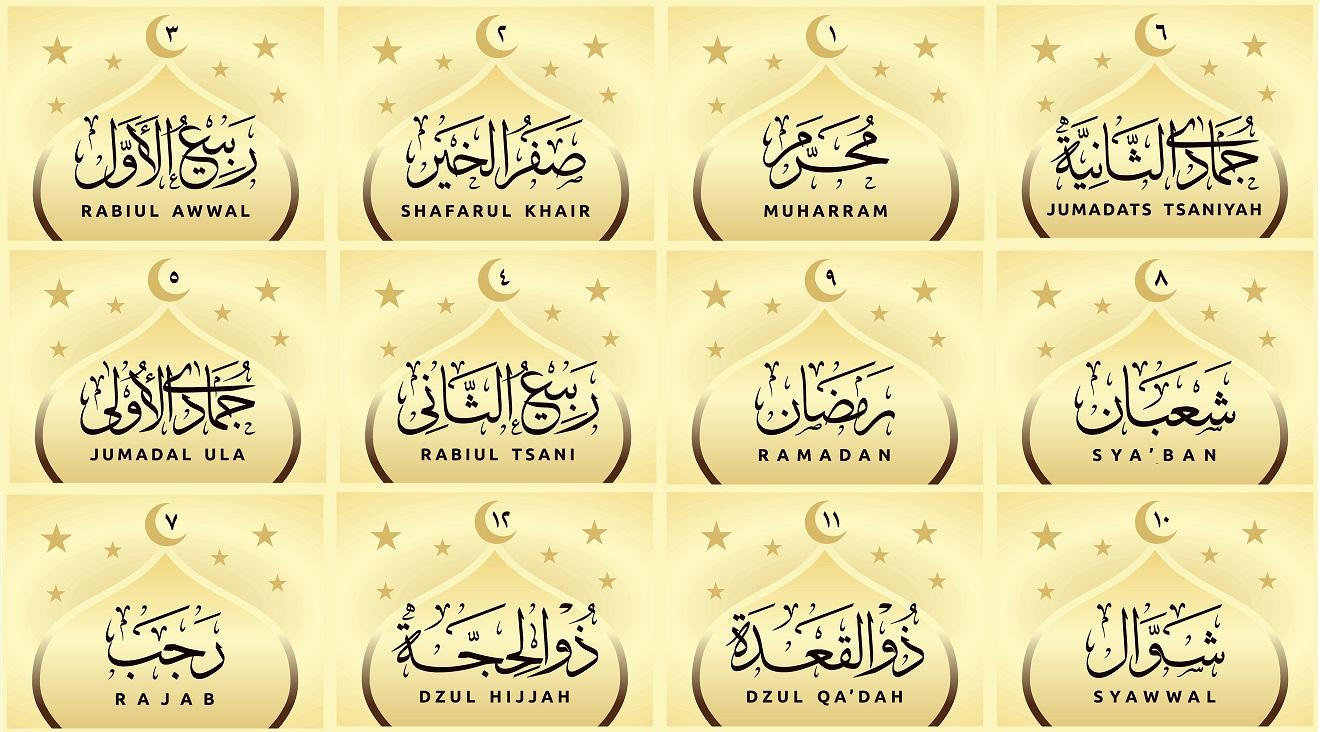
The Technical Architecture of the Hijri Calendar in Global Finance
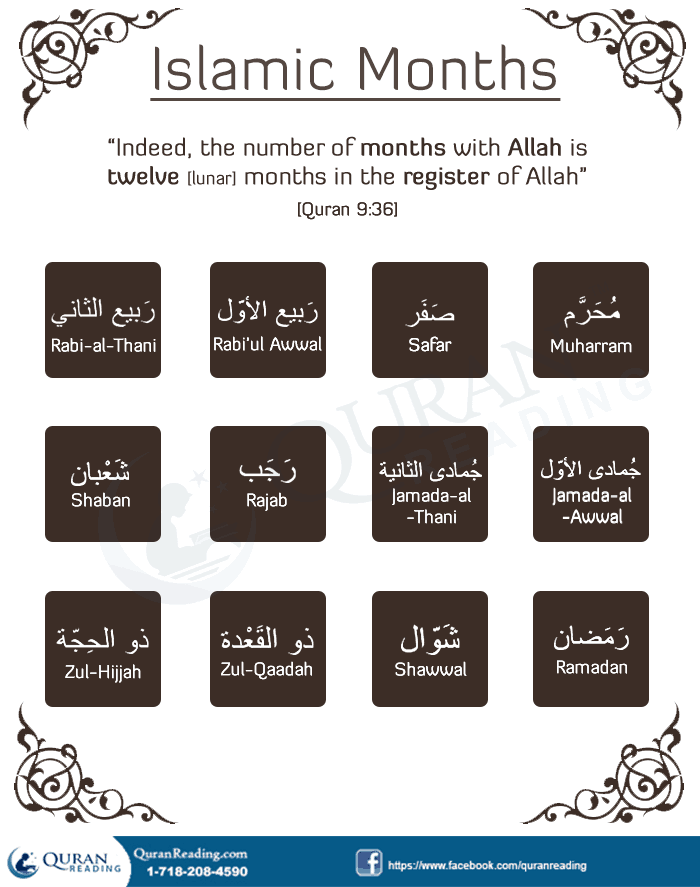
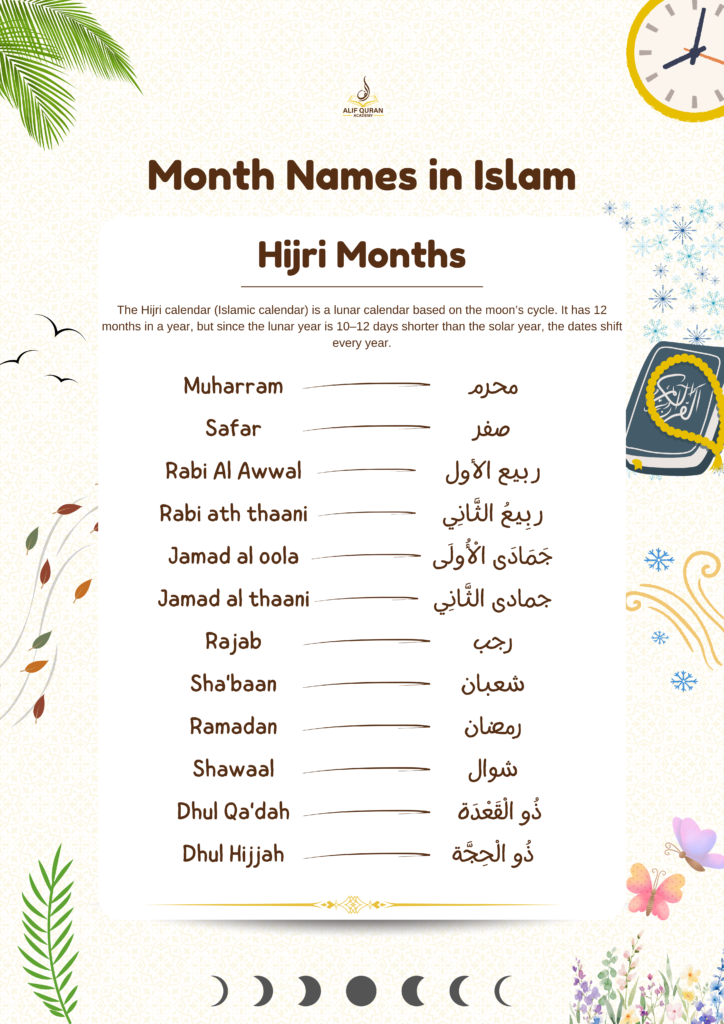
The Islamic month, known as a Hijri month, is defined by the lunar cycle. It begins with the sighting of the new crescent moon (hilal) and lasts for either 29 or 30 days. This creates a calendar year that is approximately 354 or 355 days long. From a financial perspective, this 11-day discrepancy between the lunar and solar years is not merely a chronological curiosity; it is a critical factor in fiscal planning and investment strategy.
Lunar vs. Solar: Navigating the 11-Day Fiscal Discrepancy
In traditional Western finance, corporate earnings, interest accruals, and tax cycles are pegged to the 365-day solar year. In contrast, Islamic financial obligations are tied to the lunar cycle. This means that an Islamic month “rotates” through the solar seasons over a 33-year cycle. For business owners and investors, this creates a shifting baseline for seasonal performance.
For instance, a retail business in a Muslim-majority market cannot rely on fixed Gregorian dates to predict its highest-performing months. Because the month of Ramadan—a period of intense consumer activity—moves 11 days earlier every year, the peak liquidity period for that business will eventually shift from winter to summer. Sophisticated financial modeling in these regions must account for this “calendar drift” to accurately forecast revenue and manage inventory.
Strategic Implications for Interest-Free Banking
In the world of Sharia-compliant banking, where “Riba” (interest) is prohibited, the Islamic month serves as the period for profit-and-loss sharing calculations. Since banks cannot charge interest over time in the traditional sense, they often engage in “Murabaha” (cost-plus financing) or “Musharakah” (partnership).
The duration of these contracts is often measured in Islamic months. Because the lunar month is shorter on average than the Gregorian month, the internal rate of return (IRR) on a lunar-based contract may differ slightly when compared to a solar-based counterpart. Financial institutions must use specialized software to reconcile these two systems, ensuring that payouts and profit distributions remain accurate across different regulatory environments.
Zakat and the Lunar Cycle: Precision in Ethical Wealth Management
Perhaps the most significant financial application of the Islamic month is in the calculation and distribution of Zakat. As one of the five pillars of Islam, Zakat is a mandatory charitable contribution, typically 2.5% of a person’s surplus wealth. However, the requirement for payment is contingent upon two factors: the “Nisab” (minimum threshold of wealth) and the “Hawl” (the passage of one full Islamic year).
The Concept of Hawl and Its Role in Asset Valuation
The “Hawl” is defined as one full lunar year (12 Islamic months). For a personal finance portfolio to be subject to Zakat, the assets must have been in the owner’s possession for this duration. This creates a unique “valuation anniversary” for every individual investor. Unlike the universal tax deadline of April 15th in the United States, an investor’s Zakat due date is personal and tied to the specific Islamic month in which their wealth first crossed the Nisab threshold.
From an investment management perspective, this requires meticulous record-keeping. Financial tools must track the “lunar age” of different asset classes—stocks, gold, cash, and business inventory. If an investor buys a significant amount of equity in the month of Rajab, that specific portion of the portfolio must be assessed for Zakat when Rajab returns the following year. This rolling deadline prevents the massive, market-wide liquidity drains that can occur when all taxpayers are forced to liquidate positions simultaneously.
Reconciling Gregorian Payrolls with Hijri Obligations
For many professionals, a challenge arises when they receive salaries on a Gregorian schedule but owe Zakat on a Hijri schedule. To simplify this, many financial advisors recommend choosing a specific Islamic month—often Ramadan—as the annual anchor for all Zakat calculations.
However, mathematical precision is required when calculating Zakat on a Gregorian basis. Because the solar year is longer, the 2.5% rate must be adjusted to approximately 2.577% if an investor chooses to pay based on a 365-day year. This adjustment ensures that the total amount distributed remains consistent with the divine requirement over a person’s lifetime. This level of granular financial planning is a hallmark of Sharia-compliant wealth management.
Market Volatility and Seasonal Economic Shifts
The transition from one Islamic month to the next often triggers significant shifts in global market sentiment and consumer behavior. These shifts are so predictable that they have been studied by economists under the umbrella of “calendar effects” or “seasonal anomalies.”
The Surge of the Ramadan Economy
The most famous example is the economic boom associated with the month of Ramadan and the subsequent month of Shawwal (which begins with the Eid al-Fitr holiday). During this time, consumer spending on food, clothing, and electronics skyrockets. In many regions, this is the equivalent of the “Black Friday” or Christmas shopping season in the West.
For investors, this presents a “side hustle” or short-term trading opportunity. Stocks in the retail, FMCG (Fast-Moving Consumer Goods), and logistics sectors often see a “Ramadan Effect,” characterized by increased volume and, in many cases, positive price momentum. Conversely, productivity in professional services may slow down due to adjusted working hours, leading to a temporary dip in industrial output. Understanding the start and end of the Islamic month allows traders to time their entries and exits into these specific sectors.
The Macroeconomic Impact of the Hajj Pilgrimage
Similarly, the month of Dhu al-Hijjah marks the Hajj pilgrimage. This month sees a massive transfer of wealth and a surge in the travel and hospitality industries. For the Saudi Arabian economy and the wider MENA region, this month represents a significant portion of annual non-oil GDP.
Aviation companies, telecom providers, and currency exchange platforms experience peak demand. For those looking at “Money” through the lens of macro-investing, the Islamic month of Dhu al-Hijjah is a period of intense liquidity for regional currencies and a test of the infrastructure that supports the global travel economy.
The Role of Fintech in Bridging the Lunar-Solar Divide
As the world becomes increasingly digital, the gap between the solar-dominated financial world and the lunar-based Islamic requirements is being bridged by a new wave of financial technology (Fintech).
Advanced Financial Tools for Lunar Tracking
Modern personal finance apps now feature “Hijri Overlays.” These tools allow users to view their bank balances and investment portfolios through the prism of the Islamic calendar. For a business owner, these tools are indispensable for “Zakat on Trade Goods” (Zakat al-Urud al-Tijarah). By integrating with accounting software, these fintech solutions can automatically flag when a specific “batch” of inventory has reached its one-year lunar maturity, calculating the exact amount due based on the current market value.
Furthermore, algorithmic trading bots are being developed to account for the reduced trading hours and unique volatility patterns observed during certain Islamic months. By recognizing the start of a lunar month through API-integrated moon-sighting data, these bots can adjust risk parameters to protect capital during periods of low market depth.
Smart Contracts and the Future of Islamic Financial Technology
The future of Islamic months in finance likely lies in blockchain technology. Smart contracts can be programmed to execute payments based on the lunar calendar. For example, a “Waqf” (endowment) could be structured to release dividends to beneficiaries exactly on the first of Muharram every year.
Because the Islamic month is based on a physical event (the sighting of the moon), decentralized oracles can be used to feed “moon-sighting confirmation” into the blockchain. This eliminates the “Gharar” (uncertainty) regarding the exact start of the month, allowing for automated, trustless financial settlements that remain 100% Sharia-compliant. This intersection of ancient lunar tradition and cutting-edge financial tech is where the most exciting growth in the “Money” sector is currently occurring.
Ultimately, the Islamic month is far more than a cultural marker. It is a sophisticated financial tool that governs the timing of wealth purification, dictates the flow of trillions of dollars in consumer spending, and provides a unique rhythmic structure to the global economy. For anyone serious about personal finance, investing, or business strategy in the 21st century, mastering the mechanics of the lunar month is an essential asset.
aViewFromTheCave is a participant in the Amazon Services LLC Associates Program, an affiliate advertising program designed to provide a means for sites to earn advertising fees by advertising and linking to Amazon.com. Amazon, the Amazon logo, AmazonSupply, and the AmazonSupply logo are trademarks of Amazon.com, Inc. or its affiliates. As an Amazon Associate we earn affiliate commissions from qualifying purchases.