
The global phenomenon of Invincible has redefined the modern superhero landscape, but its success is not merely a result of compelling storytelling. From a brand strategy perspective, Invincible represents one of the most successful case studies in intellectual property (IP) evolution, transitioning from a niche independent comic book into a cornerstone of global streaming culture. To understand what Invincible is based on, one must look past the narrative of Mark Grayson and examine the structural foundations of creator-owned branding, market differentiation, and the strategic subversion of industry titans.
The Foundation of Creator-Owned Identity
At its core, Invincible is based on the philosophy of Image Comics—an organization founded on the principle that creators should own their work rather than functioning as work-for-hire entities for corporate conglomerates. When Robert Kirkman, Cory Walker, and Ryan Ottley launched the series in 2003, the brand was built on the premise of creative autonomy.
Subverting the “Big Two” Brand Architecture
For decades, the superhero genre was a duopoly controlled by Marvel and DC. These brands operated on a “status quo” model where characters rarely aged, deaths were temporary, and the universe reset periodically to maintain commercial viability. Invincible was branded as an alternative. Its core identity was built on the promise of “The Ultimate Superhero Universe,” a bold claim that positioned the series not just as a competitor, but as a superior, more cohesive version of the superhero mythos.
By maintaining a single, continuous timeline for 144 issues, the Invincible brand established a unique selling proposition (USP): consequence. In the world of Invincible, actions have permanent results. This commitment to narrative finality became a key brand pillar, attracting a demographic of readers who had grown weary of the cyclical nature of traditional superhero marketing.
The Robert Kirkman Brand Ecosystem
The success of Invincible is also inextricably linked to the personal brand of its creator, Robert Kirkman. Following the astronomical success of The Walking Dead, Kirkman became a brand in his own right—a symbol of high-stakes, character-driven drama that defies genre expectations. Invincible benefited from this halo effect. The “Skybound Entertainment” imprint further solidified this, creating a corporate identity that signaled to fans that any project under this umbrella would prioritize creator vision over committee-driven sanitization.
Market Differentiation Through Subversive Design
In a saturated market, brand differentiation is the difference between obscurity and cultural relevance. Invincible achieved this by using the visual language of traditional superheroes to mask a much darker, more complex product.
The “Subversion of Tropes” as a Marketing Hook
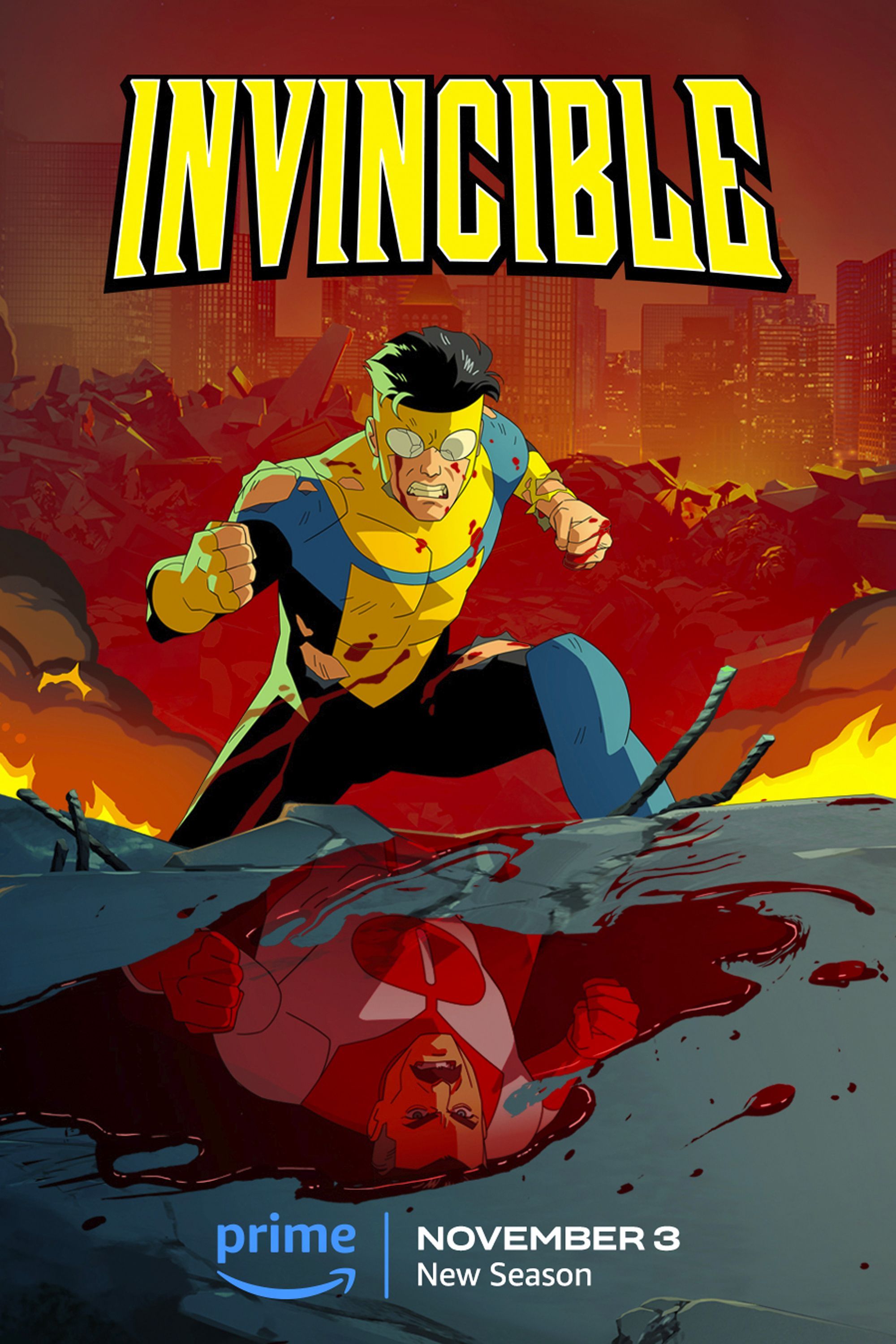
From a design standpoint, Mark Grayson’s initial costume and the bright, vibrant color palettes used in the early issues were intentional brand choices. They mirrored the “Silver Age” of comics—a time of optimism and clear moral boundaries. This visual branding was a strategic “bait-and-switch.” By presenting a brand that looked like a Saturday morning cartoon, the sudden pivot into extreme violence and moral ambiguity carried a much higher emotional impact.
This subversion became the brand’s most recognizable trait. In the digital age, this translated perfectly into “viral moments.” The contrast between the colorful aesthetic and the visceral reality of the story generated organic social media engagement, which is the holy grail of modern brand awareness.
Positioning Within the “Adult Animation” Niche
When the series transitioned to Amazon Prime Video, the branding shifted to capitalize on a growing market trend: the demand for sophisticated, adult-oriented animation. Invincible was positioned alongside The Boys as a flagship for Amazon’s “anti-superhero” vertical. By leaning into its “TV-MA” rating, the brand successfully carved out a niche that distanced itself from the family-friendly Disney+ Marvel Cinematic Universe (MCU), capturing an older, more cynical audience that desired “realism” in their fantasy.

The Strategic Expansion: From Print to Global Streaming IP
The transition of Invincible from a comic book to a multi-season animated series is a masterclass in IP scaling. The brand did not just adapt the story; it optimized it for a new medium while retaining the core values that built its original fanbase.
Leveraging the Power of Voice Branding
One of the most effective strategies in the Invincible television adaptation was the use of “Voice Branding.” By casting high-profile actors like Steven Yeun, J.K. Simmons, and Sandra Oh, the production team instantly elevated the brand’s perceived value. In the world of entertainment marketing, a “prestige cast” acts as a quality signal. It told the audience that this was not a standard “cartoon,” but a high-budget drama that happened to be animated. This move broadened the brand’s reach beyond traditional comic book fans into the prestige television market.
Maintaining Brand Consistency Across Mediums
A common pitfall for expanding brands is the loss of identity during adaptation. Invincible avoided this by keeping the original creators at the helm. By ensuring that the visual style remained faithful to Ryan Ottley’s artwork and the pacing mirrored Kirkman’s original scripts, the brand maintained its “authenticity.” In branding, authenticity is the primary driver of loyalty. Long-term fans felt respected, while new viewers were introduced to a fully realized world that felt consistent and intentional.
The Economics of the “Invincible” Brand
Beyond the creative elements, Invincible is based on a shrewd understanding of media economics and the value of “Long-Tail” IP.
The Value of the “Complete Story”
In an era of endless reboots, the Invincible brand offers something rare: a finished product. Because the comic series has a definitive beginning, middle, and end, the brand carries a sense of reliability. For a streaming service like Amazon, this is a valuable asset. It provides a roadmap for multiple seasons of content, allowing for long-term marketing strategies and merchandising cycles that are not dependent on the whims of a rotating writer’s room.
Merchandising and the “Cult of Omni-Man”
The character of Omni-Man represents a specific success in character branding. Through the “Think, Mark” meme and his inclusion in video games like Mortal Kombat 1, Omni-Man has become a brand icon independent of the series itself. This “character licensing” strategy is a massive revenue driver. By creating a character that is instantly recognizable and culturally resonant, the Invincible IP has achieved a level of “cross-pollination” that few independent properties ever reach. This reinforces the brand’s presence in the gaming, apparel, and collectibles markets, ensuring financial longevity.
Future-Proofing the Franchise: Lessons in Brand Longevity
As Invincible continues to evolve, its success provides a blueprint for how modern IP should be managed in a fragmented media landscape.
Adapting to Consumer Sentiment
The Invincible brand thrives because it understands “superhero fatigue.” As audiences become overwhelmed by the sheer volume of superhero content, the brand positions itself as the “antidote.” It leans into its complexities and flaws, acknowledging the absurdity of the genre while treating the emotional stakes with total sincerity. This self-awareness is a powerful tool for brand longevity, as it allows the IP to grow and change alongside its audience’s tastes.

The Global Brand Footprint
The “Invincible” brand is no longer just an American comic book; it is a global entity. Through localized marketing, international distribution on Amazon Prime, and a story that deals with universal themes of family, betrayal, and responsibility, the brand has transcended its cultural origins.
In conclusion, Invincible is based on more than just a script or a set of drawings. It is based on a robust brand strategy that prioritizes creator ownership, aggressive market differentiation, and a keen understanding of modern consumer behavior. By subverting the expectations of its category and maintaining a fierce commitment to its core identity, Invincible has transitioned from a risky independent venture into a gold standard for intellectual property management in the 21st century. Its journey proves that even in a world dominated by corporate giants, a well-positioned brand with a clear identity can not only survive but redefine the entire market.
aViewFromTheCave is a participant in the Amazon Services LLC Associates Program, an affiliate advertising program designed to provide a means for sites to earn advertising fees by advertising and linking to Amazon.com. Amazon, the Amazon logo, AmazonSupply, and the AmazonSupply logo are trademarks of Amazon.com, Inc. or its affiliates. As an Amazon Associate we earn affiliate commissions from qualifying purchases.