
For decades, the Guinness brand has been synonymous with a specific sensory experience: the deep ruby-black body, the creamy white head, and the slow, hypnotic “surge and settle” that occurs after a pour. In the world of global beverage marketing, consistency is the ultimate currency. However, Guinness faced a monumental brand challenge in the mid-20th century: how to translate the complex, nitrogen-infused experience of a Dublin pub draught into a portable, canned format without diluting the brand’s premium identity.
The answer lies in the small, plastic nitrogen-filled sphere known as the “widget.” While it is technically a piece of hardware, the widget is, in reality, one of the most successful brand strategy maneuvers in history. It is a physical manifestation of a brand’s refusal to compromise on its core identity, serving as a bridge between industrial manufacturing and artisanal ritual.

The Widget: Engineering the Brand Experience
To understand what is inside the Guinness can, one must look beyond the plastic ball and see a calculated investment in brand equity. Before the invention of the widget, canned stout was a pale imitation of its draught counterpart. Carbonated stouts were prickly, lacked the velvety mouthfeel of the original, and failed to produce the iconic frothy head that serves as the Guinness visual trademark.
Solving the “At-Home” Dilemma
From a brand strategy perspective, the “at-home” market represented a significant growth opportunity, but it also posed a risk. If Guinness released a sub-par canned product, it risked devaluing the brand’s reputation for quality. The company spent nearly five million pounds—a staggering sum at the time—over several years to develop a solution that would replicate the “Surge and Settle” in a domestic setting.
The resulting widget is a hollow, spherical piece of plastic with a tiny hole. During the canning process, nitrogen is added to the beer, and the can is pressurized. This pressure forces a small amount of beer into the widget. When the consumer opens the can, the pressure drops instantly, and the trapped beer is forced out of the widget through the small hole at high velocity. This agitation creates the millions of tiny bubbles that form the creamy head. This wasn’t just a win for engineering; it was a victory for brand consistency. It ensured that whether a consumer was in a high-end bar in London or a kitchen in New York, the visual and textural “Guinness Identity” remained identical.
The Physicality of Quality
The widget also added an auditory element to the brand. The “rattle” of the empty can became a signature sound, a subtle reminder that the drinker was consuming something more sophisticated than a standard lager. In marketing, these sensory cues—the sound of the ball, the sight of the bubbles, the feel of the foam—are “brand assets” that build deep psychological connections with the consumer. By placing a physical object inside the can, Guinness turned the act of drinking beer into an interactive ritual.
Visual Identity and the “Perfect Pour” Strategy
Guinness’s brand identity is inextricably linked to the visual of the “Perfect Pour.” This is not merely a suggestion for service; it is a rigid brand standard that has been exported globally. The widget inside the can was the technological catalyst that allowed Guinness to export its most valuable marketing asset: the two-part pour.
The Surge and the Settle
The “Surge and Settle” is more than a chemical reaction; it is a narrative. In the 1990s and 2000s, Guinness marketing campaigns leaned heavily into the concept of patience. The famous tagline, “Good things come to those who wait,” was born directly from the physical behavior of the nitrogen bubbles. Without the widget, there would be no wait. Without the wait, there would be no anticipation.
By engineering a product that required a specific pouring technique (the 45-degree tilt followed by the settle), Guinness transformed a potential inconvenience into a mark of sophistication. The widget allowed the brand to maintain this “ritual of the pour” even in a casual, canned format. This strategy successfully positioned Guinness as a “slow” brand in a “fast” world, creating a unique market niche that competitors found nearly impossible to replicate.
Consistent Branding Across Mediums
The widget ensured that the brand’s visual identity remained cohesive across all touchpoints. Whether seen in a cinematic television commercial or a handheld smartphone video, the look of a Guinness remains unmistakable. The stark contrast between the black liquid and the white head is a powerful graphic element. By using the widget to maintain this contrast in the can, Guinness protected its visual trademark from the “homogenization” that often occurs when premium products move into mass-market packaging.
Marketing the Science: Turning Utility into Status
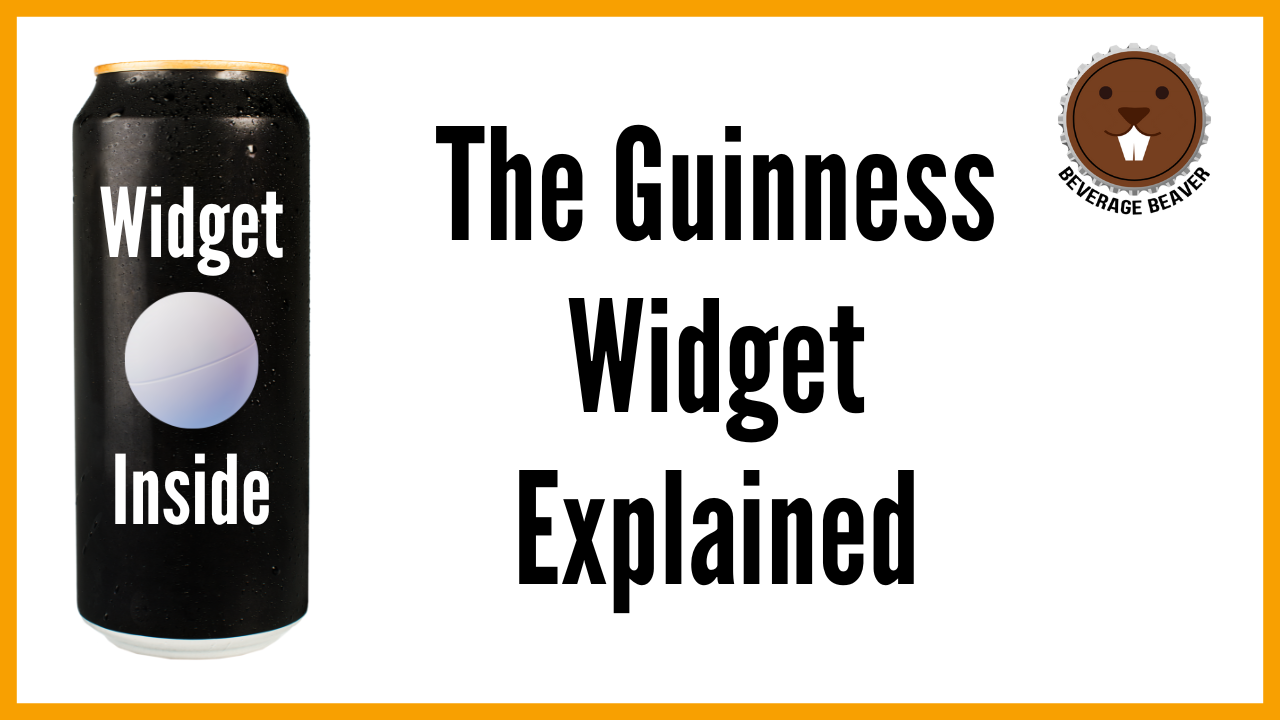
While many companies would hide the “industrial” side of their product, Guinness chose to celebrate the widget. In 1991, the widget actually won the Queen’s Award for Technological Achievement, beating out thousands of other inventions. Guinness didn’t bury this news; they used it to bolster their brand as a leader in innovation.
The 1991 Queen’s Award and the Narrative of Excellence
The brand strategy was clear: if the product is technically superior, the consumer feels superior for choosing it. The widget was marketed not as a piece of plastic debris, but as a “magic” component that delivered a pub-quality experience. This elevated the Guinness can from a simple commodity to a “gadget-enhanced” luxury item.
This era of marketing focused on the “how” as much as the “what.” By educating the consumer on the role of the nitrogen widget, Guinness built a more engaged and loyal fan base. Customers weren’t just drinking a stout; they were participating in a feat of modern Irish ingenuity. This narrative of “scientific perfection” helped the brand command a higher price point than standard carbonated beers, further solidifying its premium market position.
Educating the Consumer: The “Can vs. Bottle” Campaign
In certain markets, Guinness had to run specific campaigns to explain why the widget was necessary. This education-first approach is a classic example of “informative branding.” By explaining that the widget was there to provide the “Draught” experience, Guinness differentiated its “Draught in a Can” product from its “Extra Stout” bottled product. This allowed the company to own two different segments of the market: the traditionalists who preferred the bite of a carbonated bottle and the modernists who wanted the smooth, creamy experience of the widget-enabled can.
Case Study: How Innovation Protects Market Dominance
The story of the Guinness widget is a classic case study in how a brand can use R&D to build an “economic moat.” An economic moat is a structural advantage that protects a company from competitors, and for Guinness, the widget was a massive, nitrogen-filled moat.
Differentiating from Competitors
In the saturated global beer market, standing out is a constant struggle. Most stouts are defined by their flavor profiles—chocolate, coffee, or roasted malt. Guinness, however, defined itself through its delivery system. For decades, other breweries struggled to match the creamy head produced by the Guinness widget. This gave Guinness a “first-mover advantage” in the nitrogenated beer category that lasted for over twenty years.
The brand strategy here was to become the “category of one.” When consumers thought of nitrogenated stout, they thought of Guinness. Any other brand that tried to introduce a widget-like system was seen as an imitator. This level of brand salience is the holy grail of marketing, and it was achieved through the physical innovation inside the can.
Brand Longevity through R&D
The widget has gone through several iterations—from a fixed insert to the floating sphere used today. Each iteration represented the brand’s commitment to continuous improvement. In the corporate world, this signals stability and forward-thinking. Guinness didn’t just invent the widget and stop; they refined it to ensure it worked perfectly in every climate and under various shipping conditions. This reliability is a core pillar of the Guinness corporate identity. It conveys a message of “Reliable Excellence,” which is essential for a brand that operates in over 150 countries.
The Future of Guinness Branding: From Widget to Nitro-Surge
As we move into a new era of digital-first branding and sustainable packaging, Guinness continues to evolve. The widget remains a staple, but the brand is already looking at the next frontier of the “at-home experience.”
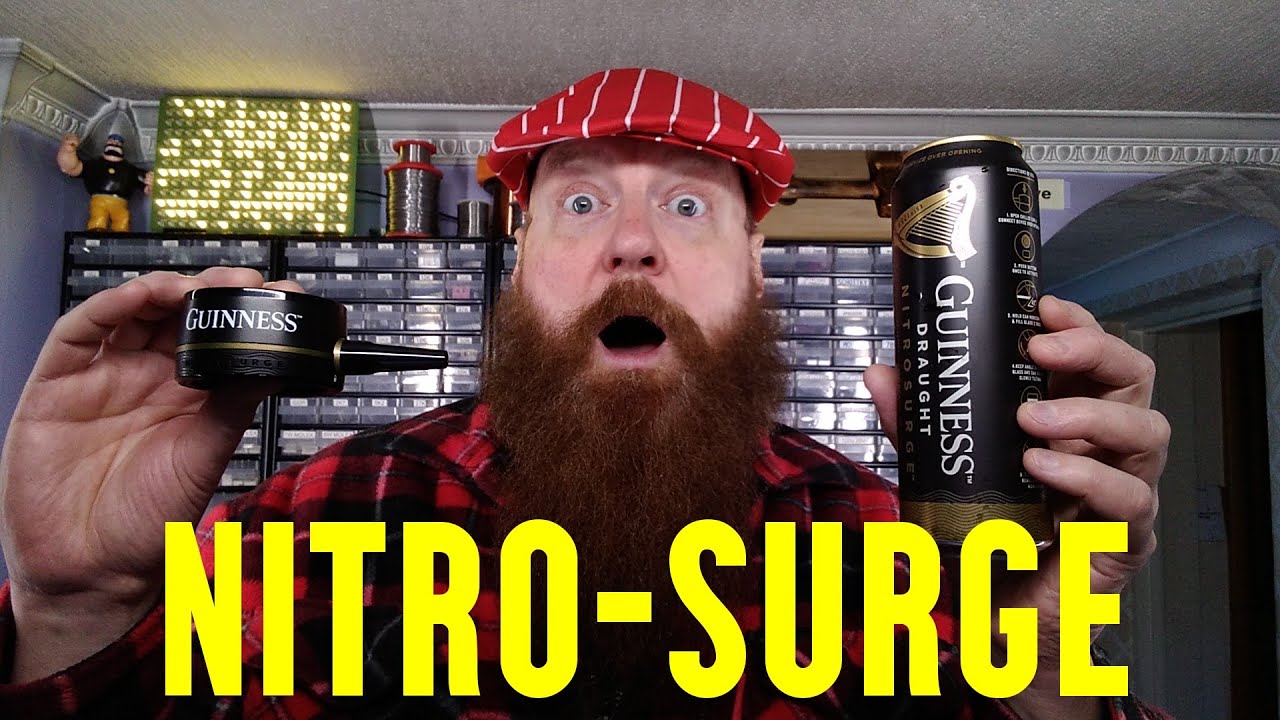
The recent introduction of the “Nitro-Surge” device—a hardware attachment that uses ultrasonic technology to create the surge—shows that Guinness is doubling down on its identity as a “tech-forward” beverage brand. This move shifts the “innovation” from inside the can to a reusable device, aligning with modern sustainability trends while maintaining the ritualistic nature of the brand.
The transition from the widget to the Nitro-Surge demonstrates a sophisticated understanding of brand evolution. Guinness understands that its “Product” isn’t just the liquid; it’s the “Process.” By continuing to innovate around how the beer is poured and experienced, Guinness ensures that its brand remains relevant to a new generation of drinkers who value both technology and tradition.
In conclusion, what is inside the Guinness can is much more than a nitrogenated beer and a plastic ball. It is a masterclass in brand strategy, a commitment to visual identity, and a demonstration of how technical innovation can be used to build a global icon. The widget proves that in the world of high-stakes branding, the smallest details often make the biggest impact. By focusing on the “experience” of the pour, Guinness transformed a simple can of beer into a worldwide symbol of quality and craft.
aViewFromTheCave is a participant in the Amazon Services LLC Associates Program, an affiliate advertising program designed to provide a means for sites to earn advertising fees by advertising and linking to Amazon.com. Amazon, the Amazon logo, AmazonSupply, and the AmazonSupply logo are trademarks of Amazon.com, Inc. or its affiliates. As an Amazon Associate we earn affiliate commissions from qualifying purchases.