
In the traditional landscape of corporate communication, “professionalism” was often synonymous with “formality.” For decades, brands communicated through a veil of third-person perspectives, complex jargon, and a rigid, detached tone. However, as the digital marketplace has evolved, the definition of effective communication has shifted. Today, brand strategy is less about broadcasting from a pedestal and more about fostering a two-way conversation. At the heart of this shift lies informal writing.
Informal writing is a style of communication that mimics the natural flow of human conversation. It is characterized by its accessibility, warmth, and spontaneity. In a branding context, informal writing is not a sign of laziness or a lack of education; rather, it is a deliberate strategic choice designed to reduce the distance between a company and its audience. It is the linguistic embodiment of a brand’s personality, transforming a faceless entity into a relatable companion.
The Strategic Shift: Why Brands are Dropping the Suit and Tie
The migration toward informal writing is not a trend born out of thin air; it is a response to the changing psychology of the modern consumer. In an era saturated with advertisements and automated responses, authenticity has become the highest form of currency.
The Rise of the Human-Centric Brand
Modern consumers, particularly Millennials and Gen Z, possess a highly refined “filter” for traditional marketing. They are skeptical of polished, corporate-speak because it often feels disingenuous or evasive. By adopting an informal writing style, brands signal that there are real people behind the logo. When a brand uses contractions, addresses the reader as “you,” and shares a self-deprecating joke, it breaks the “third wall” of business. This human-centric approach builds psychological safety and trust, which are the foundations of long-term brand loyalty.
Accessibility and the Attention Economy
In the fast-paced digital world, attention is a scarce resource. Formal writing, with its dense paragraphs and “SAT words,” requires significant cognitive effort to process. Informal writing, conversely, is optimized for the way we read online. It utilizes shorter sentences, active verbs, and a rhythm that mirrors spoken language. By making content easier to consume, brands ensure their message isn’t just seen, but actually understood. In this context, informal writing is a tool for inclusivity, ensuring that a brand’s value proposition is accessible to a broader, more diverse audience.
Key Characteristics of Informal Writing in Brand Strategy
Understanding what informal writing is requires a deep dive into its mechanical and stylistic components. It is a nuanced craft that balances relaxation with intentionality. When executed correctly, it feels effortless; when forced, it feels like “corporate cringe.”
Tone, Diction, and Voice
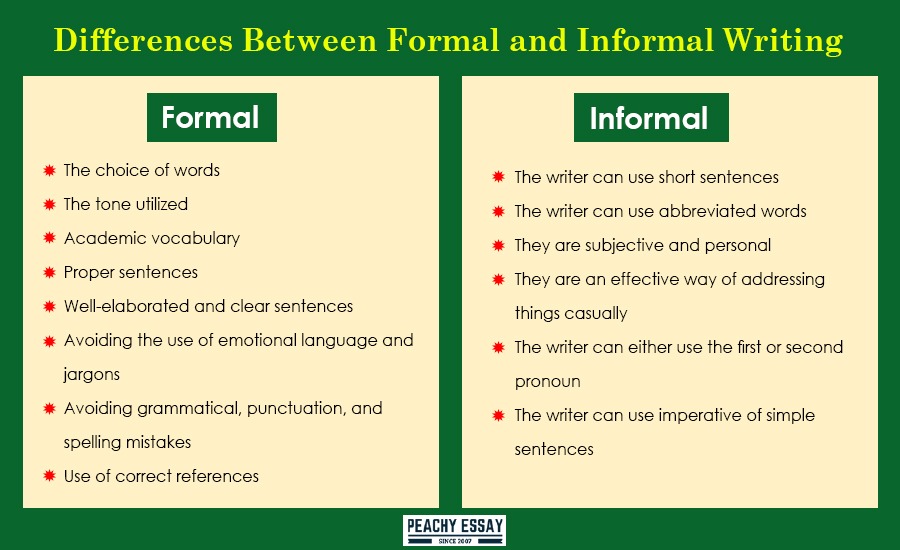
The primary indicator of informal writing is the choice of words. It favors the vernacular over the academic. Instead of “utilizing a multifaceted methodology,” an informal brand might say, “here is how we get things done.” This style frequently employs contractions—such as “don’t,” “can’t,” and “we’re”—which instantly softens the tone.
Furthermore, informal writing often incorporates colloquialisms and, where appropriate, industry-specific slang. This serves a dual purpose: it makes the brand feel “in the know” and creates a sense of belonging for the reader. However, the most critical element is the “voice.” While the tone might change based on the topic (serious for a technical issue, playful for a product launch), the underlying brand voice remains consistent, relatable, and grounded.
Sentence Structure and Flow
Informal writing breaks many of the traditional rules of grammar taught in academic settings. It is common to see sentences starting with conjunctions like “And,” “But,” or “So.” Sentence fragments are often used for emphasis. For example: “The perfect summer outfit. Found.”
The flow of informal writing is rhythmic and varied. It avoids the monotonous, long-winded sentences found in legal disclaimers. Instead, it uses a mix of short, punchy statements and slightly longer, explanatory phrases. This variety keeps the reader engaged and prevents the “wall of text” effect that leads to high bounce rates on digital platforms.
The Use of Visual Language and Punctuation
In the digital age, informal writing extends beyond words to include “visual grammar.” This includes the strategic use of emojis, GIFs, and creative punctuation. An exclamation point can convey genuine excitement, while a well-placed ellipsis can create a sense of anticipation. In brand strategy, these elements act as digital body language, providing the emotional context that text alone often lacks.

Implementing Informality Across Brand Touchpoints
Transitioning to an informal writing style is not an all-or-nothing proposition. The most successful brands understand that different platforms require different levels of “casualness.” This is known as “tonal agility.”
Social Media and Community Engagement
Social media is the natural habitat of informal writing. Platforms like X (formerly Twitter), Instagram, and TikTok are designed for immediate, conversational interaction. On these channels, brands can be at their most relaxed. This is where “brand banter” thrives—where companies interact with followers and even competitors with wit and personality. The goal here is engagement; informal writing facilitates the likes, shares, and comments that drive algorithmic visibility.
Email Marketing and the “Inbox Friendship”
The email inbox is a private space. To be invited in, a brand must act like a guest, not an intruder. Formal, “no-reply” style emails are increasingly ignored or marked as spam. Informal writing in email marketing—using the recipient’s first name, writing in a narrative style, and signing off with a personal touch—transforms a marketing blast into a personal letter. This “inbox friendship” significantly increases open rates and click-through conversions because the content feels relevant and personal.
UX Writing and Customer Support
User Experience (UX) writing refers to the micro-copy found on buttons, error messages, and onboarding screens. Informal writing in this area can significantly reduce user frustration. Instead of a cold “Error 404: File Not Found,” an informal brand might say, “Oops! We can’t seem to find that page. Let’s get you back on track.” Similarly, in customer support, a conversational tone can de-escalate tension, showing the customer that the representative (or chatbot) is empathetic to their needs.
Building a Personal Brand Through Conversational Copy
For entrepreneurs, freelancers, and thought leaders, informal writing is the “secret sauce” of personal branding. When the product is you, the writing must reflect your unique personality.
Establishing Authority Without Formality
There is a common misconception that to be taken seriously, one must sound formal. In reality, true expertise is often demonstrated by the ability to explain complex concepts in simple, conversational terms. Personal brands that use informal writing—sharing “behind-the-scenes” stories, admitting mistakes, and speaking directly to their peers—often command more authority because they are seen as authentic leaders rather than distant figures.
Storytelling as a Branding Tool
Storytelling is the most powerful tool in the brand strategist’s kit, and stories are best told informally. Whether it’s an “About Me” page or a LinkedIn post, using a conversational narrative style allows the audience to visualize the journey. It creates an emotional hook that facts and figures cannot match. By sharing the “why” behind the work in a voice that sounds like a coffee-shop chat, personal brands create a community of advocates rather than just a list of followers.
Common Pitfalls and the Importance of Boundaries
While informal writing is a powerful tool, it requires a steady hand. There is a fine line between “relatable” and “unprofessional.”
Avoiding the “Cringe” Factor
The most common mistake brands make is trying too hard to sound “young” or “hip” by overusing current slang that doesn’t fit their identity. This often results in “brand cringe,” where the audience feels the company is being inauthentic. Informal writing should always be an extension of the brand’s core values, not a costume it puts on. If a brand sells high-end financial software, its “informality” will look very different from a brand selling colorful socks.
Maintaining Consistency and Professionalism
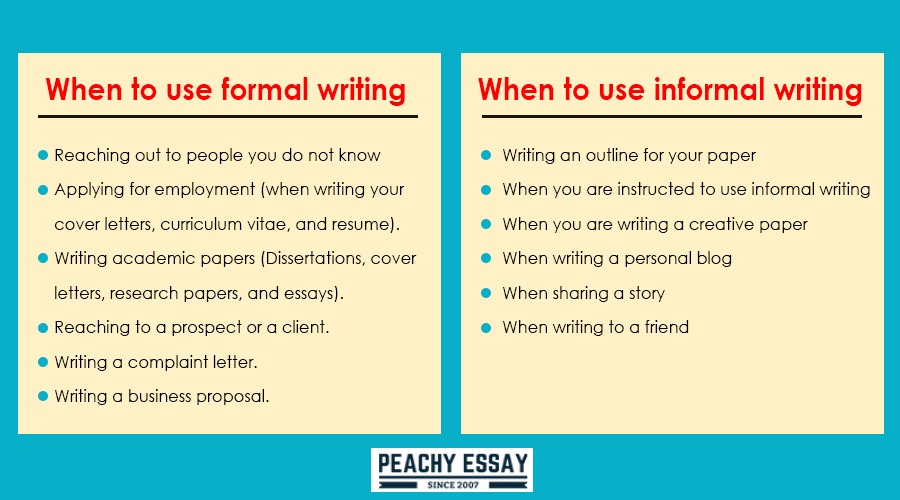
Informality does not mean a total disregard for clarity or respect. Grammar still matters—not because of “rules,” but because it ensures the message is clear. Furthermore, a brand must know when to tighten the reins. In legal contracts, privacy policies, or during a public relations crisis, the tone should lean more toward the professional and precise. The key to a successful brand strategy is knowing when to be your customer’s friend and when to be their most reliable, professional partner.
Conclusion: The Future of Brand Communication
What is informal writing? It is the bridge between a company and its community. It is the acknowledgement that, even in a B2B or B2C environment, all business is ultimately H2H (Human to Human). By embracing a conversational, accessible, and authentic style, brands can cut through the noise of the digital age, fostering deeper connections and building a legacy based on trust rather than just transactions. Informal writing is no longer just an option; in the modern brand landscape, it is the standard for those who wish to be heard.
aViewFromTheCave is a participant in the Amazon Services LLC Associates Program, an affiliate advertising program designed to provide a means for sites to earn advertising fees by advertising and linking to Amazon.com. Amazon, the Amazon logo, AmazonSupply, and the AmazonSupply logo are trademarks of Amazon.com, Inc. or its affiliates. As an Amazon Associate we earn affiliate commissions from qualifying purchases.