
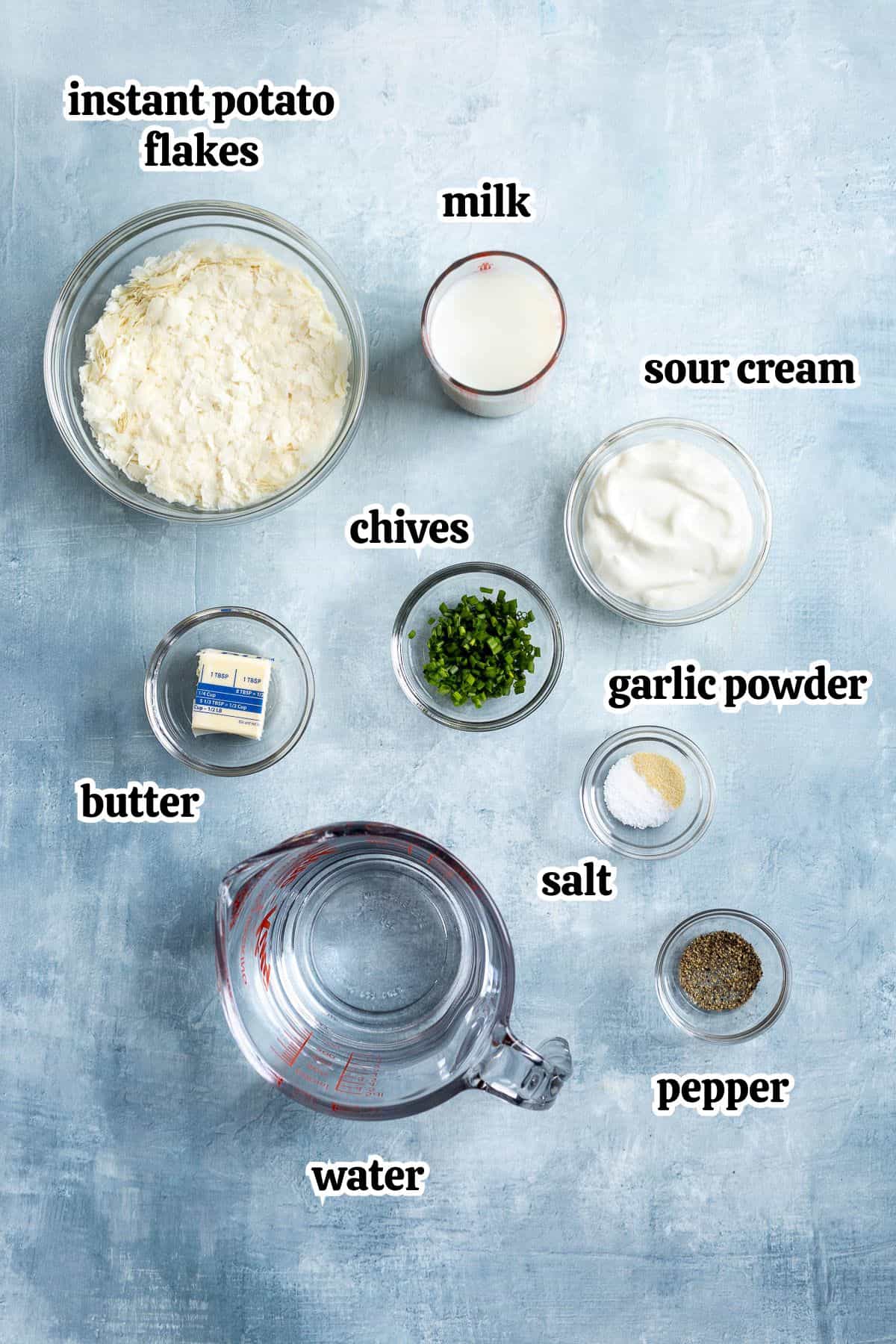
In the landscape of consumer packaged goods (CPG), few products illustrate the triumph of brand strategy over raw commodity quite like instant mashed potatoes. On the surface, the product is a technological marvel of food science—dehydrated potato flakes that reconstitute in seconds. However, from a brand perspective, what is “in” instant mashed potatoes is a sophisticated blend of convenience-based value propositions, geographic equity, and a masterful pivot toward the “clean label” movement. This category has evolved from a utilitarian military invention into a multi-billion-dollar grocery staple, driven not just by the ingredients in the box, but by the strategic narratives built around them.
The Architecture of Convenience: Defining the Value Proposition
The primary ingredient in any brand of instant mashed potatoes is not the potato itself, but the “reclaimed time” it represents. In brand strategy, this is often analyzed through the “Jobs to be Done” framework. Consumers do not buy potato flakes; they “hire” the product to solve a specific problem: the labor-intensive process of peeling, boiling, and mashing fresh tubers.
Solving the Time-Poverty Crisis
Modern brand strategy for instant potatoes focuses heavily on the “time-poverty” of the middle-class consumer. National brands have shifted their messaging from being a “cheap alternative” to being a “premium time-saver.” By positioning the product as a 90-second solution to a 45-minute task, brands have successfully moved the category away from the bottom-shelf “budget” tier and into the “lifestyle convenience” tier. This allows for higher price premiums that fresh potatoes, as a raw commodity, cannot command.
Psychological Triggers in Instant Food Marketing
The branding of these products often utilizes “nostalgia marketing” to bridge the gap between industrial processing and home-cooked meals. Brands like Betty Crocker and Hungry Jack do not lead with the technical reality of drum-drying—the process of spreading potato puree onto large, heated metal drums—but rather with images of steaming bowls and family gatherings. The strategy is to humanize the industrial, ensuring the consumer associates the brand with domestic warmth rather than factory efficiency.
The “Idaho” Moat: Geographic Branding and Corporate Identity
Perhaps the most significant element “in” the branding of instant potatoes is the state of Idaho. In the world of CPG, geographic branding acts as a powerful “moat,” a term popularized by Warren Buffett to describe a competitive advantage that protects a company from rivals.
Leveraging Provenance for Premium Pricing
The Idahoan brand, currently the dominant force in the North American market, has built its entire corporate identity around the provenance of its source material. By including “Idaho” in the brand name and utilizing the “Grown in Idaho” seal, the company leverages decades of state-funded agricultural marketing. This geographic association functions as a shorthand for quality and authenticity. Even though the product is ultra-processed, the consumer’s subconscious links it to the rugged, natural soil of the Pacific Northwest.
Case Study: Idahoan’s Dominance through Narrative
Idahoan’s strategy has been to move the category from a generic commodity to a variety-driven brand ecosystem. While competitors were selling “Masched Potatoes,” Idahoan began selling “Buttery Homestyle,” “Roasted Garlic,” and “Baby Reds.” This diversification strategy serves two purposes: it occupies more physical shelf space (the “billboard effect”) and it creates a perception of culinary expertise. By “branding” the flavors, they moved the conversation away from “what chemicals are in this?” to “which flavor profile do I want tonight?”
Transparency as a Tactical Move: The Evolution of the Ingredient List
When consumers ask “what is in instant mashed potatoes,” they are often looking at a list of additives like sodium acid pyrophosphate, monoglycerides, and sodium bisulfite. In the past, brands attempted to hide these behind small fonts and technical jargon. Today, a major trend in brand strategy is “radical transparency” or “clean label” marketing.
Navigating the “Ultra-Processed” Perception
As health consciousness rises, the brand identity of processed foods faces an existential threat. To counter the stigma of “ultra-processed” foods, leading brands have begun a process of “ingredient optimization.” This involves removing artificial dyes and highlighting the “Real Potatoes” claim prominently on the front of the packaging. The strategy here is “reframing.” Brands are not just selling dehydrated flakes; they are selling “100% Real Idaho Potatoes” that just happen to have the water removed.
The “Clean Label” Marketing Pivot
The shift toward clean labeling is a defensive brand strategy designed to retain the millennial and Gen Z cohorts. By simplifying the visual language of the ingredient list and using “natural” textures in packaging design (such as matte finishes and earthy tones), brands communicate a sense of health and transparency. What is “in” the box is now marketed as a single-ingredient hero product, supported by functional additives that are framed as “freshness protectors” rather than “chemicals.”
Shelf War Dynamics: Private Labels vs. Established Powerhouses
The instant potato market is a battlefield between high-equity national brands and aggressive private-label (store-brand) competitors. The strategy used by national brands to survive this “race to the bottom” in pricing is a masterclass in brand differentiation.
The Economics of Brand Equity
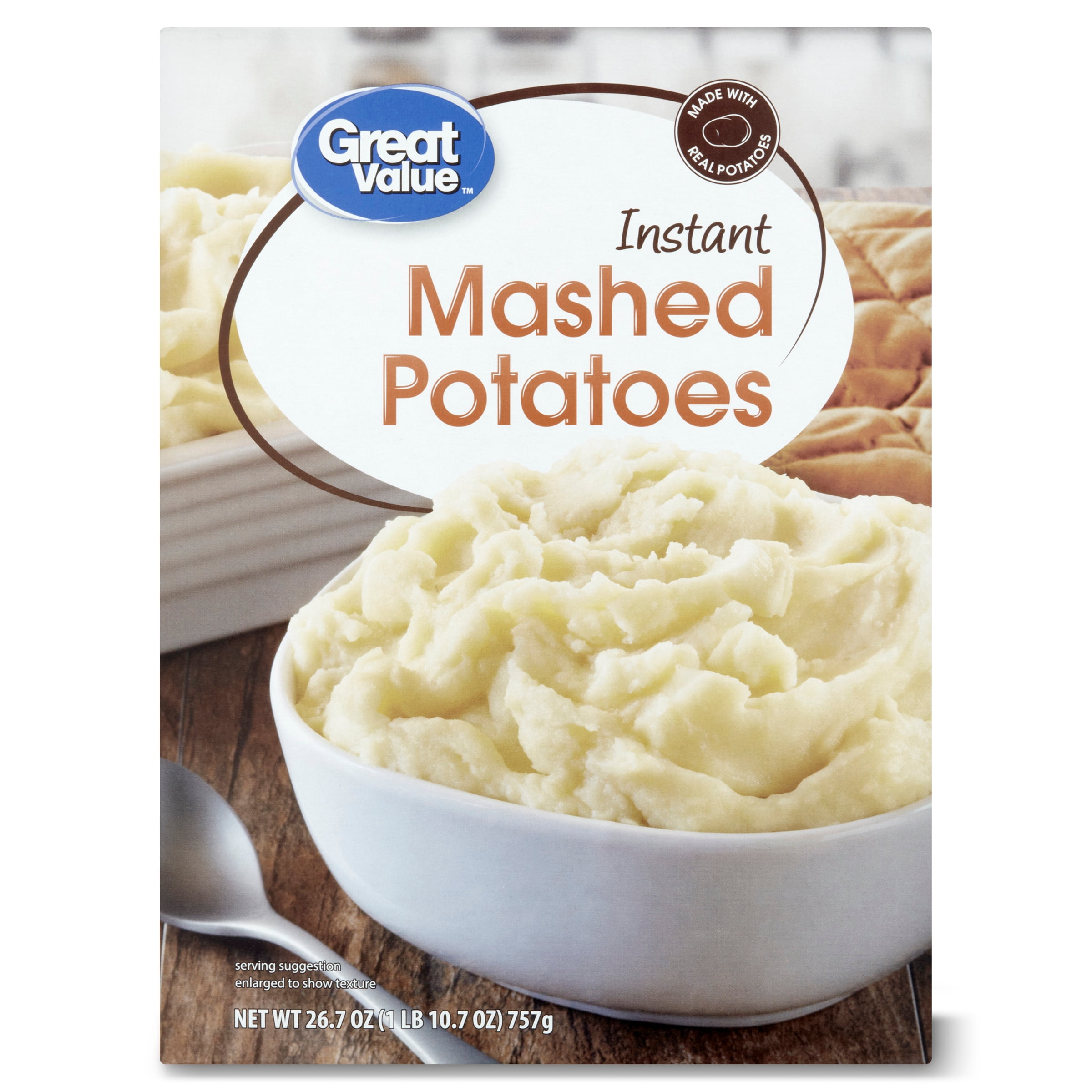
Private labels—such as Great Value (Walmart) or Kirkland Signature (Costco)—can often undercut national brands by 30% or more. To combat this, national brands invest heavily in “perceived value.” This is achieved through proprietary textures. For instance, branding a product as “Honest Earth” or “Fluffy” creates a sensory expectation that a generic store brand struggles to replicate in the mind of the consumer. The national brand sells an experience, while the private label sells a product.
Packaging Design and Visual Hierarchy
The visual hierarchy of the packaging is a critical component of the brand’s identity. National brands use high-contrast photography and “appetite appeal” imagery to trigger an emotional response. The placement of the “Ready in 2 Minutes” badge is never accidental; it is placed at the primary focal point to reinforce the value proposition of speed. This visual strategy is designed to interrupt the consumer’s “autopilot” shopping mode, justifying the higher price point over the generic alternative sitting just inches away.
Future-Proofing the Category: Digital Marketing and Niche Expansion
As we look toward the future of the instant potato category, the brand strategy is moving beyond the grocery store aisle and into the digital and lifestyle space.
Influencer Partnerships and Modern Recipe Content
To remain relevant, brands are increasingly “hiring” influencers to show the product in unconventional ways. Instant mashed potatoes are being rebranded as a “culinary hack”—used as a thickener for stews, a crust for fried fish, or a base for gnocchi. This expands the brand’s utility beyond a simple side dish. By positioning the product as a “versatile pantry tool,” brands increase the frequency of use, moving the product from a “seasonal holiday” purchase to a “weekly staple.”
Sustainability as a Brand Pillar
Finally, the future of the brand involves a focus on the supply chain. Environmental, Social, and Governance (ESG) criteria are becoming part of the “ingredients” of the brand. Consumers want to know that the potatoes were grown using sustainable water practices and that the packaging is recyclable. The transition from plastic-lined pouches to more sustainable materials is not just an environmental choice; it is a brand survival strategy. In the modern market, a brand’s environmental footprint is just as much a part of the product as the potato flakes themselves.
In conclusion, what is “in” instant mashed potatoes is a complex assembly of market research, geographic leverage, and psychological positioning. The success of the category proves that with the right brand strategy, even a humble dehydrated flake can be transformed into a premium consumer experience, maintaining its relevance in an era of rapid culinary and digital change. Through clever “clean label” pivots and a relentless focus on the value of convenience, these brands have ensured that their place in the pantry is secure for the next generation of consumers.
aViewFromTheCave is a participant in the Amazon Services LLC Associates Program, an affiliate advertising program designed to provide a means for sites to earn advertising fees by advertising and linking to Amazon.com. Amazon, the Amazon logo, AmazonSupply, and the AmazonSupply logo are trademarks of Amazon.com, Inc. or its affiliates. As an Amazon Associate we earn affiliate commissions from qualifying purchases.