
In the sophisticated ecosystem of competitive gaming and data-driven strategy, understanding the specific vulnerabilities of a digital asset is paramount to achieving a high win rate. Houndoom, a dual-type Dark and Fire Pokémon introduced in the second generation of the franchise, serves as a quintessential “glass cannon” in the technical landscape of turn-based RPG mechanics. While its offensive capabilities—driven by a high Special Attack stat and a versatile move pool—make it a formidable threat, its structural weaknesses are rooted in the very core of its type-coding and base stat distribution.
To answer the question of what Houndoom is weak to, one must look beyond simple elemental rock-paper-scissors. A comprehensive technical analysis requires evaluating its vulnerabilities through the lens of type-matchup algorithms, defensive stat thresholds, and the current meta-software environments that define competitive play.
The Data-Driven Architecture of Type Effectiveness
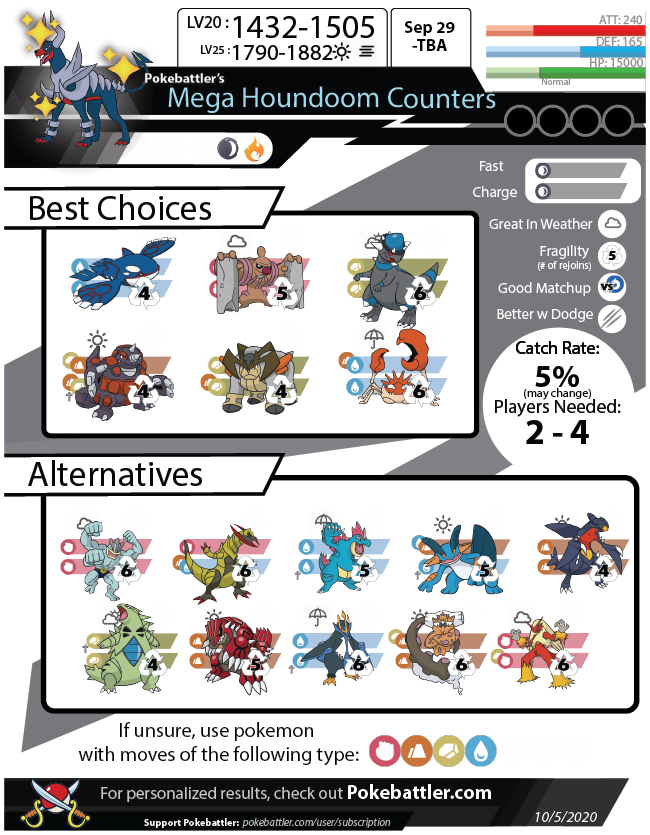
Houndoom’s primary vulnerabilities are dictated by its dual-type identity. In the underlying logic of the game’s battle engine, being a Dark/Fire type creates a unique set of interactions with the eighteen possible elemental types. Technically, Houndoom possesses four major weaknesses that result in 2x damage multipliers: Fighting, Ground, Rock, and Water.
Algorithmic Vulnerabilities in the Dark/Fire Matrix
The intersection of Fire and Dark types creates a specific defensive profile. While this combination grants resistances to six different types (Ghost, Steel, Fire, Grass, Ice, and Dark) and a complete immunity to Psychic-type moves—due to the hard-coded immunity of the Dark type—it leaves the entity exposed to some of the most common offensive move-sets in the competitive tech space.
- Fighting-Type Moves: The Fighting type is statistically one of the most prevalent offensive types in the game’s software. Moves like Close Combat or Focus Blast are designed with high base power to exploit the lower physical defense of targets like Houndoom.
- Ground-Type Moves: Ground-type moves, specifically the high-usage Earthquake, present a significant threat. Because Ground is one of the most consistent offensive types in the game’s data, Houndoom’s lack of a secondary Flying type or the Levitate ability makes it a prime target for high-damage physical output.
- Rock-Type Moves: Rock-type attacks are often paired with physical attackers. Moves like Stealth Rock—an entry hazard—specifically capitalize on the switching mechanics of the game, dealing 12.5% damage to Houndoom every time it enters the field, effectively shortening its operational lifespan.
- Water-Type Moves: As a Fire type, Houndoom is naturally susceptible to Water-type algorithms. Moves such as Scald or Hydro Pump are staples in the meta, often utilized by “bulky” Water types that can easily tank Houndoom’s Special Attacks and retaliate with a 2x damage multiplier.
Quantifying the Impact of Physical vs. Special Defense Stats
The technical weakness of Houndoom isn’t merely its type; it is its base stat distribution (BST). In the architecture of Pokémon stats, Houndoom is heavily weighted toward Special Attack (110) and Speed (95). However, its defensive stats are significantly lower, with a Base HP of 75 and a Physical Defense of 50.
From a data perspective, a Physical Defense of 50 is a critical failure point. This means that even neutral physical attacks—those that aren’t technically “super effective”—can often result in a one-hit knock-out (OHKO) if the opponent has a sufficiently high Attack stat. When calculating damage using the standard battle engine formula, Houndoom’s low defense acts as a multiplier for incoming physical threats, making it “weak” to almost any physical pressure, regardless of elemental type.
Technical Strategy: Optimizing Move Pools and Software-Driven Meta-Analysis
In the modern era of competitive play, players utilize sophisticated simulation software, such as Pokémon Showdown, to run “calcs” (damage calculations). These tools allow users to input Houndoom’s EVs (Effort Values) and IVs (Individual Values) against potential threats to determine exactly how many hits it can survive.
The Role of Simulation Software in Identifying Weaknesses
By utilizing damage calculators, technicians can see that a standard Choice Scarf-boosted physical attacker can outspeed and neutralize Houndoom before it has the chance to execute its own offensive code. The “weakness” here is quantified in “Speed Tiers.” Because Houndoom sits at a base speed of 95, it is technically outclassed by a vast array of “sweepers” in higher tiers (100+).
The simulation data reveals that Houndoom’s greatest weakness in a high-speed meta is its inability to strike first against common threats like Garchomp (Ground/Dragon) or Terrakion (Rock/Fighting). In these matchups, the software predicts a 0% survival rate for Houndoom without specific defensive investment or Focus Sash utility.
Exploiting Frame Data and Turn-Based Logic
While Pokémon is not a real-time fighting game with frame data in the traditional sense, it operates on a strict priority bracket system. Houndoom is weak to priority moves like Mach Punch (Fighting) or Aqua Jet (Water). Even if Houndoom is faster on paper, these moves are programmed to execute at a higher priority level (Priority +1). For a fragile asset like Houndoom, priority moves bypass its speed advantage and exploit its low defense, making it technically vulnerable to “revenge killing” strategies.
Advanced Mitigation: Using Tech to Counteract Natural Disadvantages
Competitive players do not simply accept these weaknesses; they use technical tools and team-building strategies to mitigate them. This involves deep integration of items, abilities, and environmental modifiers.
Items and Held-Asset Management
To solve the “OHKO” weakness, the most common technical solution is the Focus Sash. This item ensures that if the entity is at full health, it will survive any single hit with 1 HP. This allows Houndoom to potentially activate its “Nasty Plot” move—a software-based buff that doubles its Special Attack—turning a defensive weakness into an offensive opportunity.
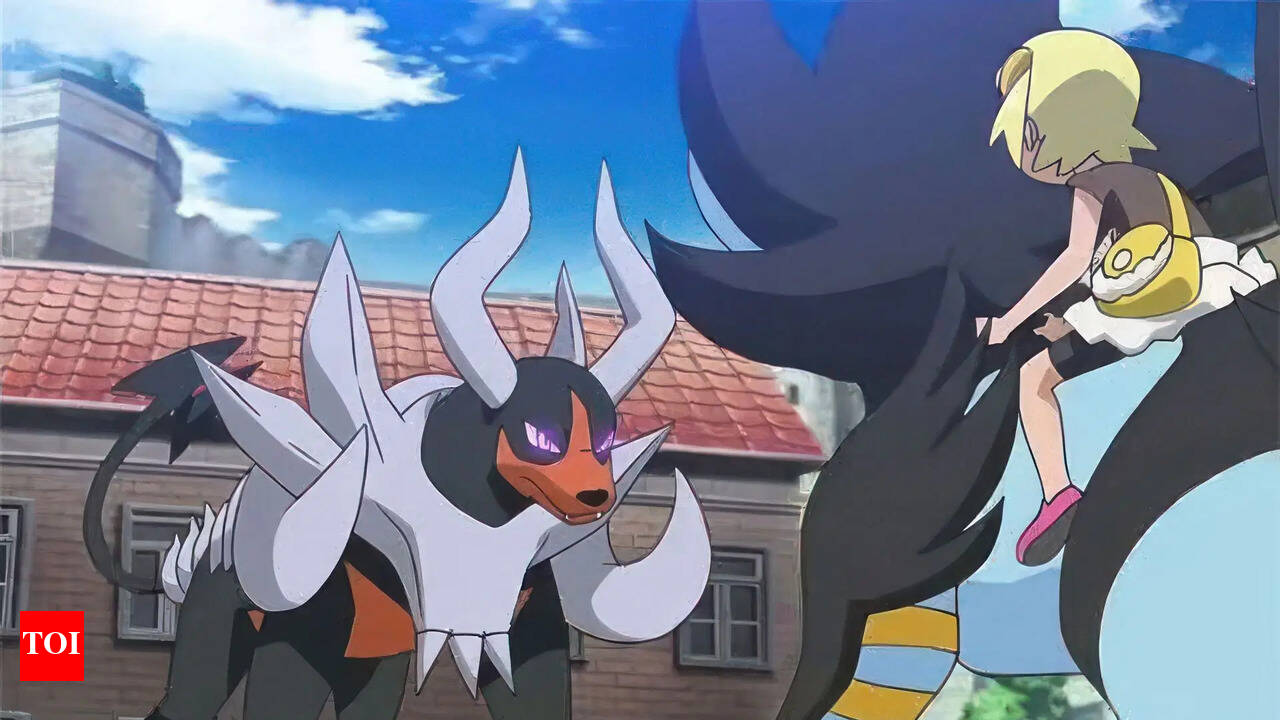
Another technical approach is the use of the Mega Stone (in formats where Mega Evolution is available). Mega Houndoom sees a significant increase in its Physical Defense (from 50 to 90) and its Speed (from 95 to 115). This structural upgrade drastically shifts the math, allowing it to survive hits that would normally be fatal and outspeeding many of its previous “counters.”
The Influence of RNG and Critical Hit Probability
In any software-based battle system, RNG (Random Number Generation) plays a role. Houndoom is technically weak to the “Critical Hit” mechanic more than bulkier assets. Because its HP pool is so shallow, a critical hit—which ignores defensive stat stages and applies a 1.5x multiplier—is almost always a terminal event for Houndoom. Managing this risk involves using technical abilities like “Unnerve” or “Flash Fire” to manipulate the opponent’s options, though these do not directly address the crit-rate vulnerability.
The Evolution of Game Engines and Balance Adjustments
The definition of what Houndoom is “weak to” has evolved as the game’s developer, Game Freak, updates the software with each new generation. The introduction of new types, such as Fairy in Generation VI, and new mechanics, such as Terastallization in Generation IX, have fundamentally altered its technical standing.
From Generation II to Modern Competitive Platforms
In its debut in Generation II, Houndoom was a top-tier asset because the Special Defense and Special Attack stats had recently been split, and the Dark type was specifically coded to counter the then-dominant Psychic type. However, as the game engine evolved to include the “Physical/Special Split” in Generation IV, Houndoom’s weakness to physical moves became more pronounced. Prior to this, all Fire moves were special and all Fighting moves were physical; after the split, Houndoom had to contend with Special Fighting moves (like Focus Blast) and Physical Fire moves, further complicating its defensive calculations.

Future-Proofing Strategy against Shifting Patch Notes
In the current Gen IX meta, the “Terastallization” mechanic allows a player to change Houndoom’s type mid-battle. A technical player might “Tera” their Houndoom into a Flying type to gain a sudden immunity to Ground-type moves, or into a Ghost type to dodge Fighting-type attacks.
This technological shift means that “what is Houndoom weak to” is no longer a static answer. Its weaknesses are now fluid, dependent on the player’s ability to utilize the game’s latest mechanics to rewrite the entity’s code on the fly. However, even with Terastallization, the core weakness remains the base stat distribution. No matter the type change, a Base 50 Physical Defense remains a significant architectural flaw that savvy opponents will always look to exploit through high-output physical sequencing.
In conclusion, Houndoom’s weaknesses are a combination of elemental vulnerabilities (Water, Ground, Rock, Fighting), structural stat deficiencies (low Physical Defense), and meta-tiering (Speed creep). Navigating these weaknesses requires a deep understanding of the game’s underlying data, the use of simulation tools to predict outcomes, and the strategic application of held items and modern game mechanics to provide the necessary defensive buffers.
aViewFromTheCave is a participant in the Amazon Services LLC Associates Program, an affiliate advertising program designed to provide a means for sites to earn advertising fees by advertising and linking to Amazon.com. Amazon, the Amazon logo, AmazonSupply, and the AmazonSupply logo are trademarks of Amazon.com, Inc. or its affiliates. As an Amazon Associate we earn affiliate commissions from qualifying purchases.