
In the world of high-stakes finance and wealth preservation, gold remains the ultimate symbol of enduring value. However, not all gold is created equal. For the serious investor, the term “24k gold” represents more than just a label of quality; it signifies the pinnacle of purity and the benchmark for physical commodity investing. Understanding what 24k gold is, how it differs from other alloys, and its role within a diversified financial portfolio is essential for anyone looking to hedge against market volatility and protect their purchasing power.
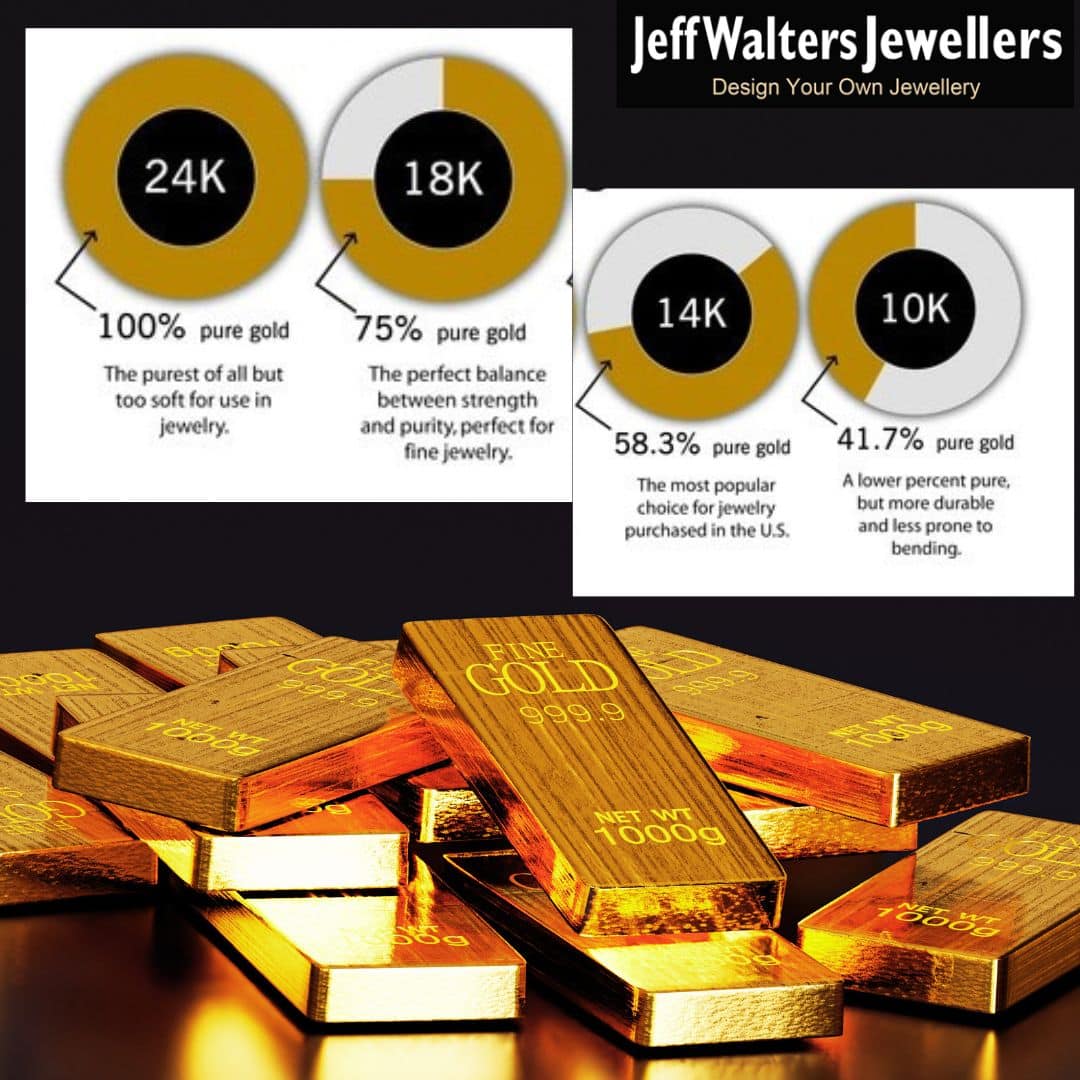
Decoding the Karat System: Why 24k Represents the Gold Standard
The “karat” system is a measurement of the ratio of gold to other metals or impurities within a single piece of metal. In the context of 24k gold, the number 24 represents the highest possible level of purity available in the commercial market.
The Chemical Purity of 99.9% Gold
Technically speaking, 24k gold is 99.9% pure. While it is scientifically possible to refine gold further, the 99.9% standard—often referred to as “three nines fine”—is the industry standard for investment-grade bullion. At this level, the metal contains virtually no traces of other elements like copper, nickel, or silver.
From a financial perspective, this purity is vital. When you purchase 24k gold, you are paying for the intrinsic value of the element itself, rather than the craftsmanship or the weight of base metals. This makes it the most efficient way to hold physical gold, as every gram you own is a gram of the precious metal.
Comparing 24k to 22k and 18k for Financial Growth
In the consumer market, you will frequently encounter 22k and 18k gold, particularly in jewelry. 22k gold consists of approximately 91.7% gold, with the remainder composed of alloying metals added to increase durability. While these alloys are beautiful and functional for wear, they are less efficient as investment vehicles.
When an investor sells 22k gold, the buyer must account for the cost of refining the metal back to its pure state or discount the price based on the non-gold content. In contrast, 24k gold maintains a direct correlation with the international spot price. For those focused on personal finance and capital gains, 24k is the preferred choice because it minimizes the “spread” between the buying and selling price.
The Role of 24k Gold in a Modern Investment Portfolio
Gold has transitioned from a circulating currency to a strategic reserve asset. In a modern financial ecosystem characterized by digital transactions and fiat currencies, 24k gold serves as a critical stabilizer.
A Hedge Against Inflation and Currency Devaluation
One of the primary reasons investors flock to 24k gold is its historical ability to maintain purchasing power. Unlike fiat currencies (such as the US Dollar, Euro, or Yen), which can be printed in unlimited quantities by central banks, the supply of gold is finite and difficult to extract.
When inflation rises, the value of paper currency typically falls, meaning it takes more of that currency to buy the same amount of goods. Gold, however, tends to appreciate in price during inflationary periods. For a business or an individual, holding a portion of wealth in 24k gold acts as an insurance policy against the “hidden tax” of inflation. If the dollar loses 5% of its value, but gold rises by 7%, the investor has successfully protected their wealth from erosion.
Liquidity and Global Marketability
Liquidity refers to how quickly an asset can be converted into cash without a significant loss in value. 24k gold is one of the most liquid assets in the world. Because it is recognized globally and standardized by weight and purity, a 24k gold bar minted in Switzerland is just as valuable in Tokyo, New York, or Dubai.
For the international investor, this provides a level of financial mobility that real estate or private equity cannot match. In the event of a geopolitical crisis or a systemic failure in the banking sector, physical 24k gold remains a universally accepted medium of exchange.
Strategic Ways to Own 24k Gold

There are several avenues for acquiring 24k gold, each with its own set of advantages and logistical considerations. The choice often depends on the investor’s goals regarding accessibility, security, and capital outlay.
Physical Bullion: Bars and Sovereign Coins
The most direct way to own 24k gold is through physical bullion. This typically takes the form of bars (ranging from 1 gram to 400 ounces) or sovereign coins.
- Gold Bars: These are favored by institutional investors and high-net-worth individuals. Because they are easier to manufacture than coins, the “premium”—the amount paid over the spot price—is usually lower. This allows the investor to acquire more gold per dollar spent.
- Sovereign Coins: Many governments mint 24k gold coins, such as the Canadian Gold Maple Leaf or the Australian Gold Kangaroo. These coins are legal tender in their country of origin and come with the added security of government-guaranteed weight and purity. While they carry a slightly higher premium due to the cost of minting and design, they are highly portable and easy to sell in smaller increments.
Digital Gold and Gold-Backed ETFs
For those who prefer not to manage the physical storage of metal, the financial markets offer digital alternatives.
- Gold ETFs (Exchange-Traded Funds): These funds track the price of gold and are backed by physical 24k gold held in secure vaults. Investors can buy and sell shares of the ETF through a standard brokerage account. This offers the benefit of gold price exposure with the ease of stock trading.
- Digital Gold: Modern fintech platforms now allow investors to buy fractional amounts of 24k gold. The platform purchases physical gold on behalf of the user and stores it in a professional vault. This has democratized gold investing, allowing individuals to start building a gold position with as little as $10.
Practical Considerations for the Gold Investor
Investing in 24k gold requires a level of due diligence that differs from buying stocks or bonds. Because it is a high-value physical asset, logistics and market mechanics play a significant role in the ultimate Return on Investment (ROI).
Understanding Spot Prices and Dealer Premiums
The “spot price” is the current market price at which gold is being traded on global exchanges like the COMEX. However, it is nearly impossible for a retail investor to buy gold at the exact spot price.
Dealers add a premium to cover their overhead, shipping, and profit margins. To maximize investment efficiency, it is crucial to shop around and compare premiums. Generally, the larger the quantity of 24k gold purchased, the lower the percentage premium. Understanding this spread is vital for calculating the “breakeven” point of the investment.
Secure Storage and Insurance Requirements
When you take physical delivery of 24k gold, you assume the responsibility for its safety. Leaving gold in a home safe may be convenient, but it carries significant risk. Professional investors often utilize third-party custodial services or “allocated storage” in high-security vaults.
These facilities offer several layers of protection:
- Insurance: Most professional vaults include comprehensive insurance against theft or damage.
- Audit Trails: Regular third-party audits ensure that the gold you purchased is physically present and verified.
- Chain of Integrity: Gold that stays within the professional vault system is easier to sell later because its purity and weight are already verified by the custodian, often eliminating the need for expensive re-assaying.

Evaluating the Long-Term ROI of 24k Gold
Gold is rarely viewed as a “get rich quick” scheme. Instead, it is a wealth-preservation tool. When evaluating the ROI of 24k gold, one must look at it through the lens of a multi-decade horizon.
Over the last fifty years, gold has historically outperformed many other asset classes during periods of high market volatility. While it does not pay dividends or interest like a bond or a stock, its value lies in its lack of “counterparty risk.” A stock’s value depends on a company’s performance; a bond’s value depends on a government’s or corporation’s ability to pay debt. Gold’s value depends on nothing but its own existence.
By allocating a strategic portion of a portfolio—typically 5% to 15%—to 24k gold, an investor creates a “safety net.” In bull markets, the gold position may underperform high-growth tech stocks, but in bear markets, it often provides the necessary liquidity and value retention to keep the overall portfolio afloat.
In conclusion, 24k gold is the definitive asset for those seeking purity, liquidity, and long-term security. Whether held as physical bullion in a secure vault or managed through digital platforms, it remains a cornerstone of sophisticated financial planning. Understanding its unique properties as the 99.9% pure “gold standard” allows investors to navigate the complexities of the commodity markets with confidence and foresight.
aViewFromTheCave is a participant in the Amazon Services LLC Associates Program, an affiliate advertising program designed to provide a means for sites to earn advertising fees by advertising and linking to Amazon.com. Amazon, the Amazon logo, AmazonSupply, and the AmazonSupply logo are trademarks of Amazon.com, Inc. or its affiliates. As an Amazon Associate we earn affiliate commissions from qualifying purchases.