
In the competitive landscape of global entertainment franchises, the evolution of a core asset is not merely a creative choice; it is a calculated brand maneuver. When discussing the emergence of “Gohan Beast Form” within the Dragon Ball ecosystem, we are looking at one of the most successful instances of intellectual property (IP) revitalization in modern media. Far from being just a narrative power-up, Gohan Beast represents a strategic rebranding effort designed to reclaim market share, satisfy long-term “brand loyalists,” and ensure the continued relevance of a multi-billion dollar franchise in a crowded digital marketplace.
To understand Gohan Beast through the lens of brand strategy, one must look past the fictional lore and into the mechanics of corporate identity, visual marketing, and consumer psychology.
The Evolution of a Legacy Brand: From Potential to Realization
Every long-standing brand faces the challenge of stagnation. In the world of narrative IP, characters function as individual brands under a corporate umbrella. For decades, the “Gohan” brand was characterized by “unrealized potential.” While this served a specific narrative niche, it eventually led to brand fatigue. Consumers—in this case, the global fanbase—were left with a product that promised peak performance but consistently underdelivered in favor of other “flagship” assets like Goku or Vegeta.
Understanding the “Gohan” Brand Identity
Historically, Gohan’s brand identity was built on the concept of the “reluctant hero.” This positioning was unique and offered a humanizing element to an otherwise hyper-masculine action series. However, from a brand lifecycle perspective, a product that remains in a perpetual state of “potential” eventually loses its competitive edge. By the time the Dragon Ball Super era was in full swing, Gohan’s brand equity had reached a plateau.
The introduction of the Beast Form was a definitive “brand pivot.” It signaled a move away from the “scholarly, retired hero” archetype and back toward the “apex protector” status that had previously peaked during the mid-1990s. This pivot was essential for maintaining the character’s marketability in video games, merchandise, and future media installments.
The Pivot: Moving Away from Nostalgia Toward Innovation
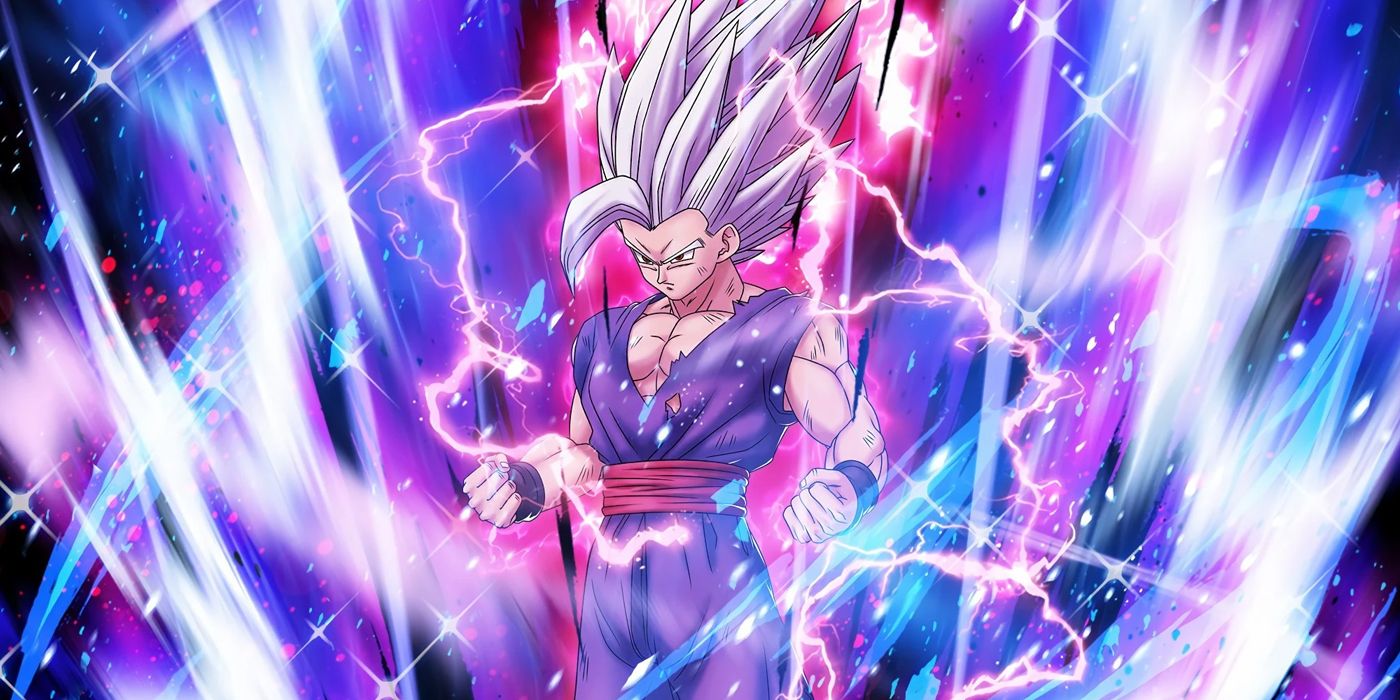
While nostalgia is a powerful marketing tool, it is not a sustainable long-term strategy. Gohan Beast Form succeeds because it balances legacy elements with radical innovation. It references the fan-favorite “Super Saiyan 2” era—utilizing visual cues like the upward-spiked hair and crackling electricity—but elevates them into something entirely new. In corporate terms, this is akin to a classic brand like Apple or Porsche releasing a product that honors its heritage while introducing cutting-edge technology that redefines the current market standard.
Deconstructing the “Beast” Aesthetic: Visual Branding and Marketability
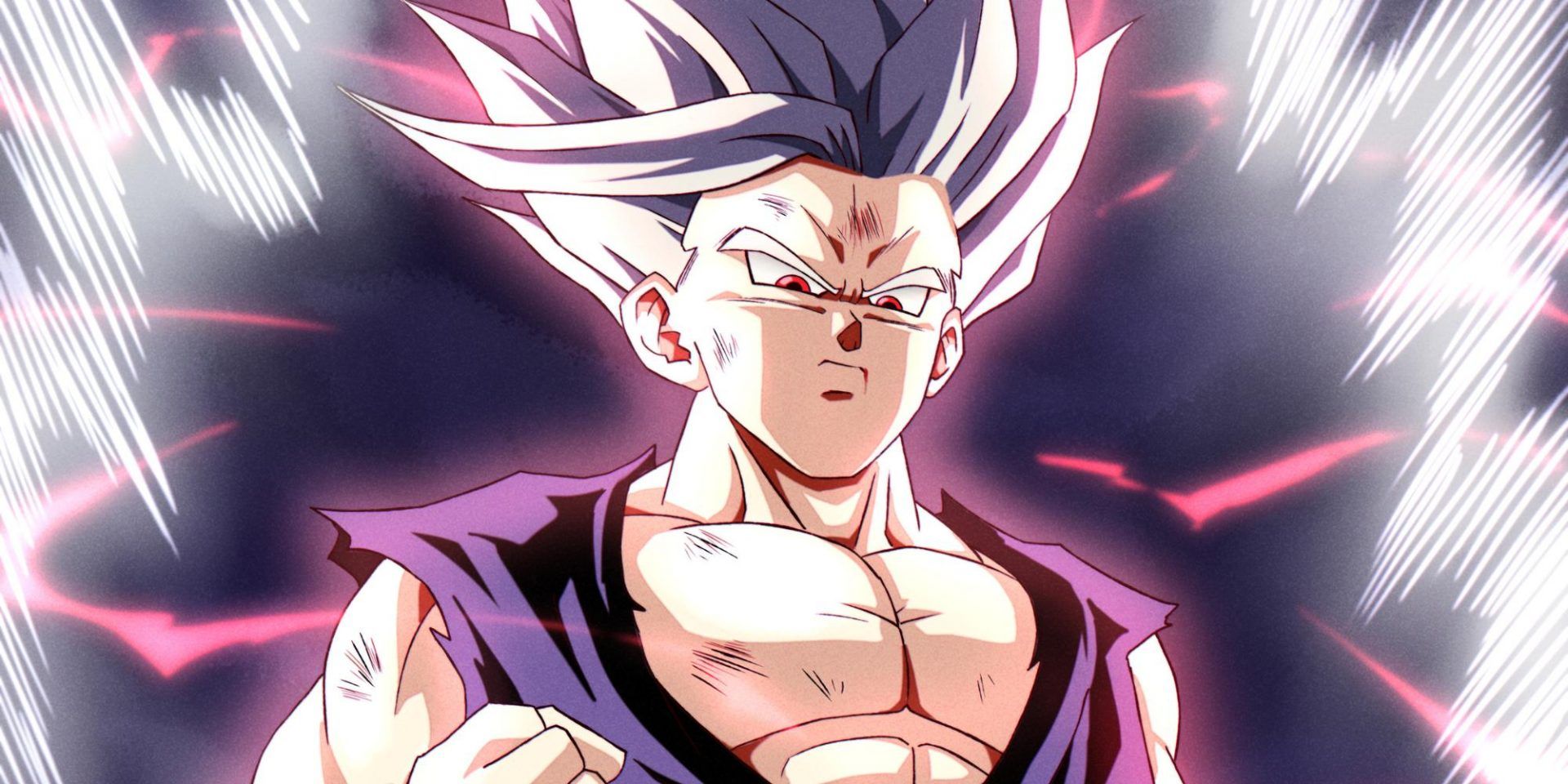
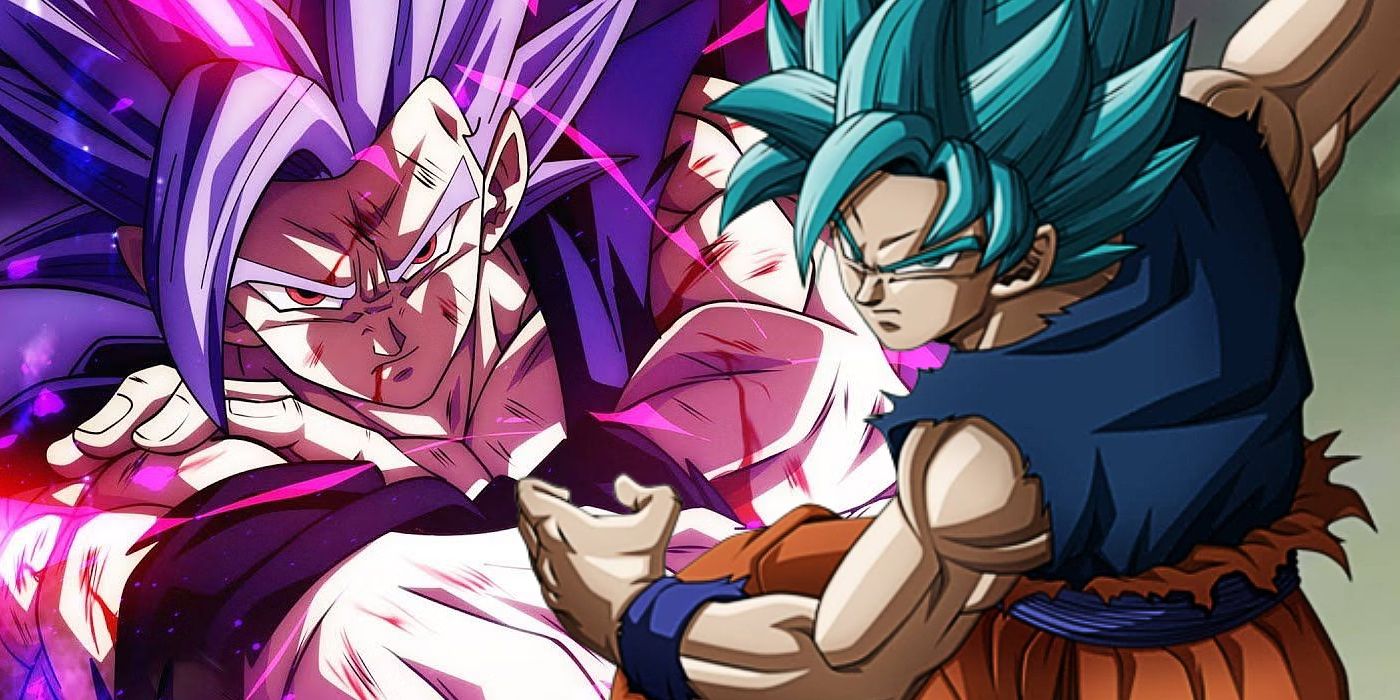
A brand is only as strong as its visual recognition. The “Beast” form is a masterclass in high-contrast visual branding. In a marketplace saturated with “Super Saiyan Blue” and “Ultra Instinct” (which utilize cooler, more ethereal color palettes), the Beast Form utilizes a striking combination of silver-white hair and piercing red irises. This is not an accidental design choice; it is a strategic move to create a “visual disruptor.”
Color Theory and Symbolic Resonance
In brand design, color communicates values. The silver-white hair suggests a level of divine or transcendent status, aligning Gohan with the series’ highest-tier “luxury” assets. However, the red eyes introduce an element of primal aggression—the “Beast.” This juxtaposition creates a complex brand personality: sophisticated yet dangerous.
From a marketing standpoint, this high-contrast palette is optimized for digital displays and social media thumbnails. The “Beast” aesthetic is designed to be “scroll-stopping,” ensuring that when promotional material appears on a consumer’s feed, the visual hierarchy immediately draws the eye to the new asset.
Merchandise Potential and Licensing Synergy
One of the primary drivers of revenue in entertainment branding is licensing. A new “form” is essentially a new SKU (Stock Keeping Unit). By introducing Gohan Beast, the parent companies—Toei Animation and Bandai Namco—unlocked a massive new stream of licensing opportunities.
- Action Figures and Collectibles: The unique silhouette of the Beast Form allows for high-end statues that stand out from previous iterations.
- Gaming Integration: The “Beast” form serves as high-value DLC (Downloadable Content) for existing gaming titles, driving player re-engagement and extending the software’s lifecycle.
- Apparel and Graphic Design: The simplified, aggressive color scheme translates perfectly to streetwear and lifestyle branding, allowing the IP to penetrate the “hypebeast” and fashion-forward demographics.
Strategic Timing: The Role of ‘Super Hero’ in the Franchise Lifecycle
The debut of Gohan Beast in the film Dragon Ball Super: Super Hero was a tactical masterstroke regarding release timing and market positioning. To understand why this rebranding was so effective, one must analyze the broader context of the franchise’s lifecycle.
Addressing Brand Fatigue in Long-Running Media
Even the most successful brands can suffer from overexposure. For several years, the “Goku and Vegeta” brand duo had been the sole focus of the franchise’s marketing. While profitable, this created a “bottleneck” where the secondary assets were losing value. By centering a major theatrical release around Gohan and Piccolo (rebranded as “Orange Piccolo”), the franchise effectively diversified its portfolio.
This diversification mitigates risk. If a consumer grows tired of the “Goku” brand, they now have a fresh, high-intensity “Gohan” brand to engage with. This internal competition drives overall brand health and ensures that the franchise as a whole remains dominant in the global zeitgeist.
Global Distribution and Modern Digital Marketing
The rollout of the Beast Form coincided with a shift toward global day-and-date (or near-simultaneous) theatrical releases. The digital marketing campaign relied heavily on “leak culture” and viral social media moments. By withholding the full reveal of the Beast Form until the film’s release in various territories, the brand created a “scarcity of information” that fueled intense online speculation. This organic engagement is worth millions in earned media value, illustrating how a narrative reveal can be engineered to maximize digital reach and consumer buzz.
Lessons for Personal Branding and Corporate Identity
The “What is Gohan Beast” phenomenon offers several actionable insights for professionals in the realms of brand strategy and corporate identity. It serves as a blueprint for how to handle a “stagnant” asset and turn it into a market leader.
The Power of the “Breakthrough” Moment
In personal branding, individuals often reach a plateau where their current identity no longer serves their career goals. The Beast Form represents the “breakthrough” moment—a radical step forward that ignores incrementalism in favor of a total transformation. For a corporate brand, this might look like a total visual identity overhaul or the launch of a revolutionary new product line that disrupts its own existing offerings.
The lesson here is clear: Do not be afraid to lean into the “Beast.” Sometimes, the only way to move a brand forward is to embrace a more aggressive, uninhibited version of the core identity.
Balancing Tradition with Radical Change
One of the greatest risks in rebranding is alienating the existing customer base. If the Beast Form had strayed too far from Gohan’s established “DNA,” it would have been rejected by the market. Instead, the creators utilized “anchor points”—recognizable traits like his signature moves and emotional triggers—to keep the brand grounded in its history while the “Beast” elements pushed it into the future.
For modern businesses, this means identifying the “core values” that consumers associate with the brand and preserving them, even while the visual identity or product delivery changes. Innovation without a foundation in brand history often leads to a loss of brand loyalty; innovation that respects its roots leads to a “Beast-level” market expansion.
Conclusion: The “Beast” as a Perpetual Brand Asset
Ultimately, Gohan Beast Form is more than a fictional transformation; it is a sophisticated rebranding exercise that successfully navigated the complexities of modern IP management. By leveraging high-impact visual design, strategic timing, and a deep understanding of consumer psychology, the franchise was able to take a legacy asset and make it the center of global conversation once again.
As we look at the future of digital marketing and brand management, the “Beast” framework stands as a reminder that even the most established identities must be willing to evolve, disrupt themselves, and unleash their latent potential to stay ahead in an ever-changing competitive landscape. Whether in the realm of entertainment or corporate strategy, the goal remains the same: to transform potential into an unstoppable market force.
aViewFromTheCave is a participant in the Amazon Services LLC Associates Program, an affiliate advertising program designed to provide a means for sites to earn advertising fees by advertising and linking to Amazon.com. Amazon, the Amazon logo, AmazonSupply, and the AmazonSupply logo are trademarks of Amazon.com, Inc. or its affiliates. As an Amazon Associate we earn affiliate commissions from qualifying purchases.