
In the modern consumer landscape, the question “What is dryer sheets made of?” is no longer just a query for chemists or manufacturing engineers. It has become a central pillar of brand strategy, corporate transparency, and market positioning. For decades, the laundry care industry operated behind a veil of proprietary formulations and vague ingredient lists. However, as the “clean label” movement migrates from the food aisle to the utility room, the physical composition of a dryer sheet has become a battleground for brand loyalty and consumer trust.
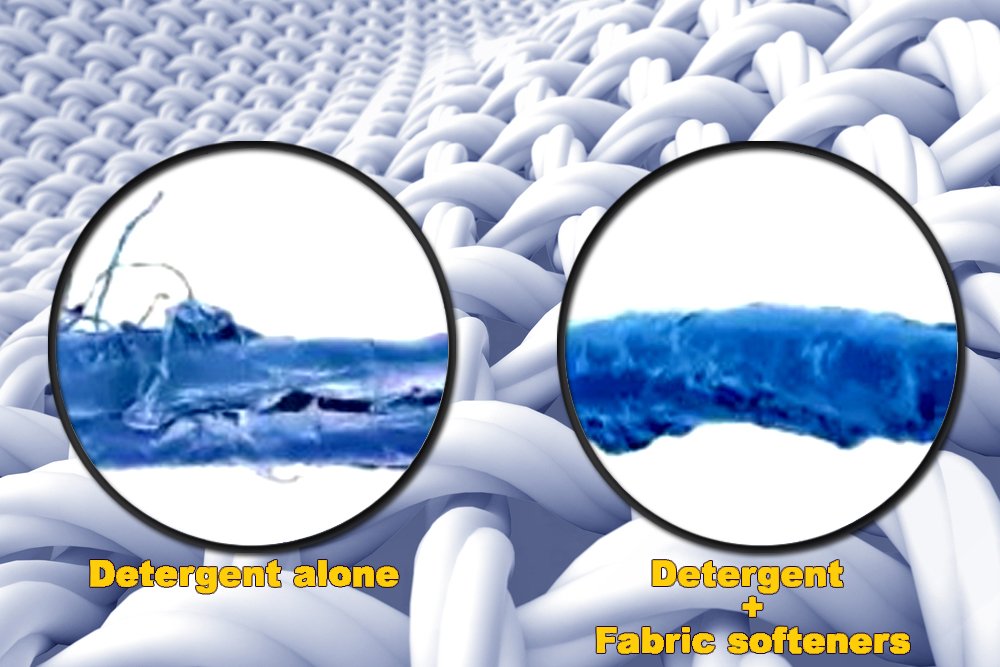
To understand the branding behind these household staples, one must dissect the three primary components that define the product: the substrate, the softening agents, and the fragrance delivery systems. Each of these elements represents a strategic choice by a brand to align with specific consumer values, whether those values are performance-driven, eco-conscious, or price-sensitive.
The Anatomy of a Laundry Staple: Material Selection as Brand Identity
The physical sheet itself—the vehicle that carries the active ingredients—is the first point of differentiation in brand strategy. Most consumers perceive the sheet as a simple piece of paper-like material, but its engineering is a testament to material science and brand positioning.
The Non-Woven Substrate: Polyester vs. Cellulose
Legacy brands like Bounce and Downy typically utilize a non-woven polyester substrate. From a brand perspective, polyester is chosen for its durability and heat resistance. It ensures that the sheet does not disintegrate in high-heat industrial or home dryers, maintaining a consistent “performance” brand promise.
Conversely, “challenger brands” in the natural space, such as Seventh Generation or Mrs. Meyer’s, often opt for cellulose-based fibers or compostable rayon. By choosing these materials, the brand communicates a specific value proposition: sustainability. In this context, the material composition is not just a functional choice but a marketing tool used to distance the brand from “synthetic” competitors. The tactile feel of a cellulose sheet—often slightly stiffer or more fibrous—acts as a sensory cue to the consumer that the product is “earth-friendly.”
The Coating Process and Brand Consistency
The manufacturing process involves passing these substrates through a trough of molten chemicals. For a brand to maintain its reputation, the application of this coating must be incredibly precise. If a sheet is “under-loaded,” the consumer experiences static cling, damaging the brand’s reliability. If it is “over-loaded,” it leaves a waxy residue on clothes. The technical mastery of this coating process is what allows premium brands to command a higher price point than generic “white-label” alternatives.
The Chemistry of Softness: Engineering Brand Trust
The functional core of a dryer sheet lies in its chemical coating. When heated, these chemicals move from the sheet onto the fabric. What these chemicals are made of determines the “hand-feel” of the laundry, which is the primary metric by which consumers judge the brand’s efficacy.
Quaternary Ammonium Compounds (Quats)
The most common softening agents in traditional dryer sheets are quaternary ammonium compounds, such as dipalmitoylethyl hydroxyethylmonium methosulfate. These molecules have a dual nature: a fatty end that provides the lubricity (softness) and a charged end that neutralizes static.
From a brand strategy perspective, “Quats” are the workhorses of the industry. Brands that lean heavily on “long-lasting softness” as their primary marketing hook are usually optimizing their Quat formulations. However, these chemicals have recently become a point of contention. Some brands have successfully built a “defensive” brand identity by specifically excluding certain Quats that are perceived as irritants, positioning themselves as “dermatologist-tested” or “hypoallergenic.”
Fatty Acids and Vegetable-Based Alternatives
As consumer scrutiny increases, many brands are pivoting toward plant-based softening agents, such as those derived from tallow or vegetable oils (stearic acid). This shift is a classic example of “ingredient branding.” By highlighting “plant-based ingredients” on the front of the packaging, brands can pivot their identity from “chemical-heavy” to “naturally derived,” even if the functional performance remains nearly identical.
The Sensory Strategy: Fragrance as an Invisible Logo
If you ask a consumer why they choose a specific brand of dryer sheet, they will rarely mention surfactants or polyester substrates. Instead, they will talk about the smell. Fragrance is perhaps the most powerful tool in a laundry brand’s arsenal, acting as an invisible logo that lingers on the consumer’s clothing for days.
Encapsulation Technology
Modern dryer sheets utilize sophisticated scent-encapsulation technology. These are microscopic “bubbles” of fragrance that do not pop until the fabric is worn or rubbed. This technology allows brands to promise “weeks of freshness.” From a branding standpoint, this is a masterclass in extending the brand experience beyond the point of use. Every time a consumer smells their clean laundry, the brand’s identity is reinforced.
The Rise of Fragrance Transparency
Historically, “fragrance” was a catch-all term on ingredient labels that allowed brands to hide proprietary chemical blends. However, brand strategy is shifting toward radical transparency. Brands like Honest Co. or Public Goods are now listing every individual component of their scents. This transparency is a response to the “Money” and “Trust” factor: consumers are willing to pay a premium for brands that they perceive as honest about their chemical makeup.
Ingredient Omission: The “Free & Clear” Branding Movement
One of the most successful brand strategies in the last decade has been the “Free & Clear” movement. In this niche, what the dryer sheet is not made of is more important than what it is made of.
Branding through Omission
By removing dyes and fragrances, brands create a “clean” identity. This appeals to two specific consumer segments: those with sensitive skin and those who are minimalist in their lifestyle. This strategy turns a lack of ingredients into a premium feature. It is a brilliant example of how material composition—or the lack thereof—can be used to carve out a high-margin niche in a crowded market.
Regulatory Compliance as a Brand Asset
With the introduction of laws like the California Cleaning Product Right to Know Act, brands are now forced to disclose ingredients that were once secret. Forward-thinking brands are not just complying with these laws; they are using them as a marketing advantage. By being the first to disclose their materials voluntarily, they position themselves as industry leaders in ethics, forcing competitors to play catch-up.
Sustainability and the Future of Product Composition
The future of dryer sheet branding is inextricably linked to the circular economy. The question “What is it made of?” is being replaced by “What does it become?”
Compostability and Biodegradability
Brands are currently investing millions in R&D to develop sheets that are 100% biodegradable and home-compostable. This is the next frontier of brand differentiation. If a brand can move away from the traditional polyester sheet (which is essentially plastic) to a truly circular material, they can capture the burgeoning “Gen Z” and “Millennial” market segments that prioritize environmental impact over almost any other factor.
The Plastic-Free Narrative
The “plastic-free” movement is a powerful branding narrative. Dryer sheets made of paper or natural fibers allow a brand to join the conversation regarding the global plastic crisis. This positioning is particularly effective in direct-to-consumer (DTC) marketing, where brand story and “mission-driven” commerce are key drivers of online sales and subscription models.
Conclusion: The Strategic Importance of Composition
Ultimately, the composition of a dryer sheet—from its non-woven base to its complex surfactant coating—is the physical manifestation of a brand’s strategy. A brand like Bounce uses its material composition to signal “reliability and performance,” while a brand like Seventh Generation uses its ingredients to signal “safety and environmental stewardship.”
For the modern brand manager or entrepreneur, the lesson is clear: transparency is no longer optional. The materials you choose define your brand’s voice, its price point, and its longevity in a market that is increasingly skeptical of “hidden” chemicals. Understanding what a dryer sheet is made of is the first step in building a brand that can survive the transition from the era of “proprietary secrets” to the era of “radical transparency.” Whether through material innovation, scent engineering, or the branding of omission, the physical makeup of the product is the most honest communication a brand ever has with its customers.
aViewFromTheCave is a participant in the Amazon Services LLC Associates Program, an affiliate advertising program designed to provide a means for sites to earn advertising fees by advertising and linking to Amazon.com. Amazon, the Amazon logo, AmazonSupply, and the AmazonSupply logo are trademarks of Amazon.com, Inc. or its affiliates. As an Amazon Associate we earn affiliate commissions from qualifying purchases.