
In the vast landscape of Content Management Systems (CMS), few platforms possess the longevity, architectural robustness, and enterprise-grade reliability of DotNetNuke, now officially known as the DNN Platform. Built on the Microsoft .NET framework, DNN has evolved from a pioneering open-source project into a sophisticated ecosystem used by thousands of organizations worldwide to manage websites, intranets, and complex web applications.
Understanding DNN requires looking beyond a simple website builder. It is a comprehensive framework designed for extensibility, security, and scalability. For developers and IT professionals operating within the Microsoft stack, DNN represents the gold standard for building customizable web experiences that integrate seamlessly with existing corporate infrastructure.
The Architectural Foundation of DotNetNuke
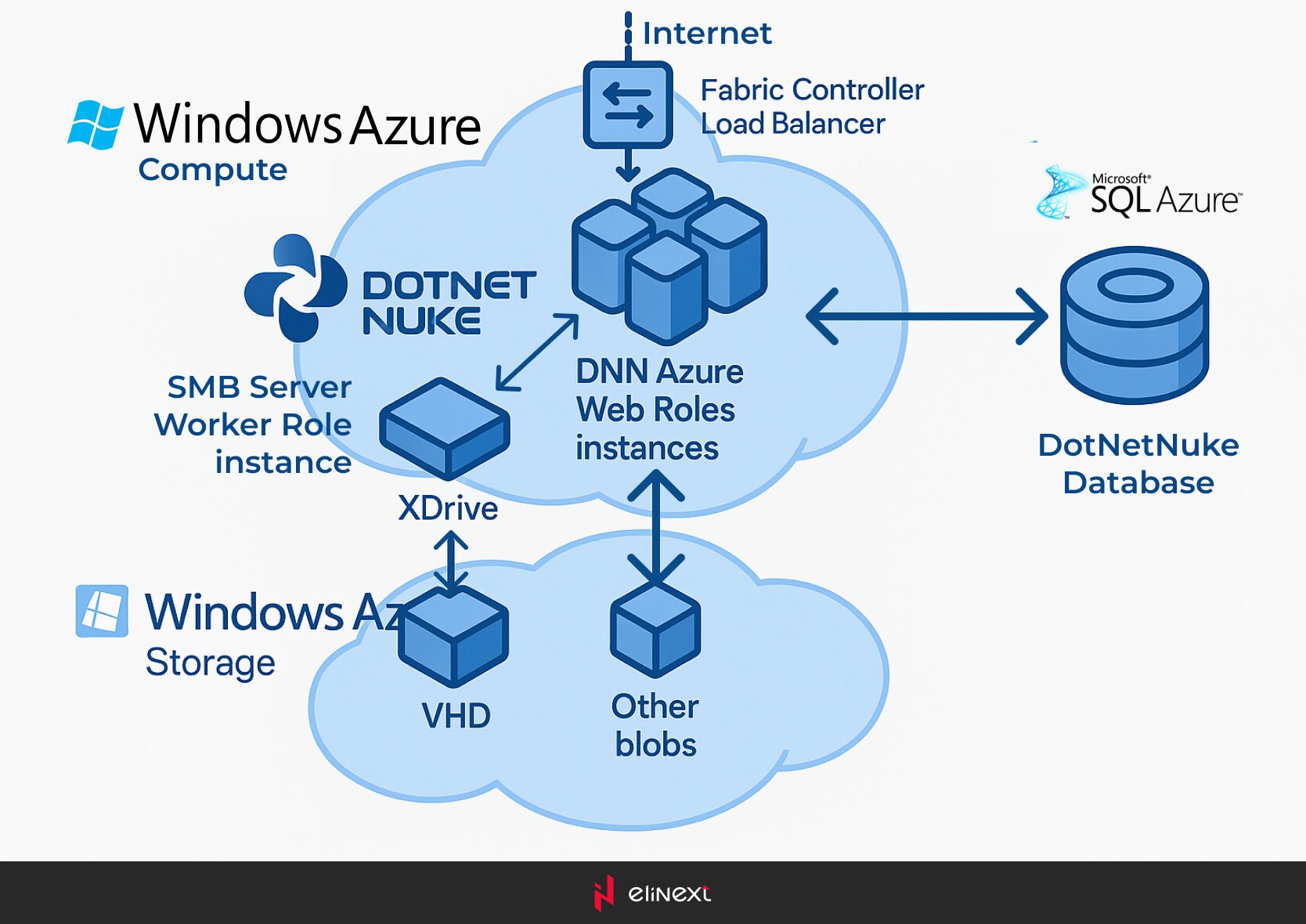
At its core, DNN is an ASP.NET-based application that utilizes a SQL Server database for content storage and configuration. This technical foundation is what differentiates it from PHP-based competitors like WordPress or Drupal. By leveraging the power of .NET, DNN offers a degree of performance and stability that is particularly attractive to the enterprise sector.
The Modular Ecosystem
One of the defining characteristics of DNN is its modular architecture. In this environment, a “module” is a self-contained unit of functionality—such as a blog, a forum, a contact form, or a product catalog—that can be placed on any page within the site. This decoupling of functionality from the core engine allows developers to build specific features without interfering with the underlying system.
For administrators, this means the ability to drag and drop functionality onto pages through a web-based interface. For developers, it means the ability to create custom modules using standard C# or VB.NET code, adhering to the Model-View-Controller (MVC) or Web API patterns.
The Skinning Engine
While modules handle functionality, “Skins” (now more commonly referred to as Themes) handle the presentation layer. DNN’s skinning engine is remarkably flexible, allowing for a complete separation of content and design. A single DNN installation can host multiple websites, each with a completely different aesthetic, simply by applying different skins. These skins are built using standard HTML, CSS, and JavaScript, making it accessible for front-end developers to create bespoke user interfaces.
Multi-Portal Capability
Perhaps the most powerful architectural feature of DNN is its multi-portal support. From a single installation of the software on a server, an administrator can host dozens or even hundreds of distinct websites. Each “portal” can have its own domain name, user base, and security settings. This makes it an ideal solution for large corporations with multiple brand sites or educational institutions managing various departmental pages.
Key Features for Developers and Enterprise Administrators
DNN has carved out a niche as the preferred CMS for organizations that prioritize security and granular control. Unlike platforms that rely heavily on third-party plugins which may have varying levels of quality, the DNN ecosystem emphasizes a structured approach to permissions and extensibility.
Security and Role-Based Access Control (RBAC)
Security is a cornerstone of the DNN platform. It features a sophisticated Role-Based Access Control system that allows administrators to define exactly what users can see and do. Roles can be assigned to individual users or groups, and permissions can be set at the site, page, or even module level.
This level of granularity is essential for corporate intranets where sensitive HR documents might coexist on the same platform as general company news. Furthermore, because it is built on the .NET framework, DNN benefits from Microsoft’s ongoing security updates and the inherent protections of the ASP.NET environment against common vulnerabilities like SQL injection and cross-site scripting (XSS).
The Persona Bar and Administrative Interface
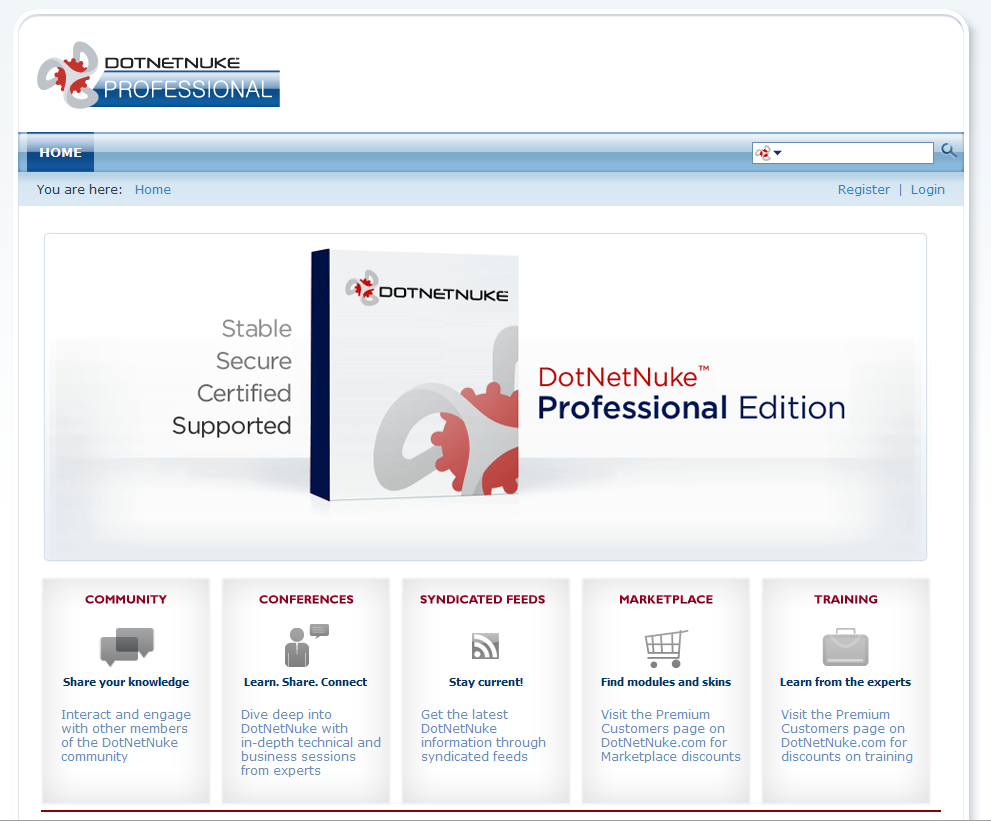
In recent versions, DNN introduced the “Persona Bar,” a modern, slide-out administrative menu that simplifies site management. This interface allows editors and administrators to manage pages, users, and site settings without leaving the front-end view of the website. It provides a “what you see is what you get” (WYSIWYG) experience that reduces the learning curve for non-technical staff while maintaining deep access to configuration settings for power users.
Extensibility Through the Ecosystem
Beyond the core features, the DNN community provides a robust marketplace of third-party modules and themes. Whether an organization needs advanced e-commerce capabilities, complex document management systems, or integration with CRM software like Salesforce or Microsoft Dynamics, there is likely an existing solution within the DNN ecosystem. Furthermore, the platform’s support for modern web standards ensures that it can serve as a headless CMS, delivering content via APIs to mobile apps or other digital touchpoints.
DNN vs. Other Content Management Systems
When choosing a CMS, technology leaders often compare DNN against PHP-based giants or other .NET-based platforms like Umbraco or Sitecore. Understanding where DNN fits in this spectrum is crucial for making an informed decision.
DNN vs. WordPress
The most frequent comparison is with WordPress. While WordPress dominates the general market due to its ease of use and massive plugin library, DNN is often preferred for high-security environments and complex data integrations. WordPress is frequently seen as a “blog-first” platform that has been adapted for general use, whereas DNN was designed from the ground up as a structured application framework. For organizations already invested in the Microsoft ecosystem—using Azure for hosting and Active Directory for user management—DNN offers a much more natural fit.
DNN vs. Umbraco and Sitecore
In the .NET space, Umbraco is often viewed as the “developer’s CMS” because it provides a blank slate, whereas Sitecore is a high-end, high-cost enterprise marketing suite. DNN sits comfortably in the middle. It offers more out-of-the-box functionality than Umbraco, allowing for faster deployment of standard features, but it is significantly more affordable and less complex than Sitecore. This makes it the “sweet spot” for medium-to-large enterprises that need power and flexibility without the prohibitive licensing costs of top-tier marketing clouds.
The Evolution to DNN9 and the Open Source Future
The history of DotNetNuke is a testament to the power of open-source software within the corporate world. Originally released as the IBuySpy Workshop by Shaun Walker, it quickly grew into the most successful open-source project on the Microsoft stack.
From DotNetNuke Corp to the Community
Over the years, the project transitioned through various stages of corporate leadership. Today, the DNN Platform is a community-led open-source project, while commercial versions (formerly known as Evoq) have historically provided additional enterprise features like advanced workflow, analytics, and dedicated support.
The shift back toward a community-centric model has revitalized the platform. The DNN Community is now responsible for the core roadmap, ensuring that the software stays current with modern development practices, such as the transition toward .NET 5/6/7 and beyond, and the adoption of modern JavaScript frameworks like React within the administrative UI.
The Modern Persona Bar and Liquid Layouts
The evolution of the platform has focused heavily on the user experience. The modern DNN interface is designed to be responsive and fast. The introduction of Liquid content features allowed for better content reuse across different channels, reflecting the industry trend toward “COPE” (Create Once, Publish Everywhere).
Is DNN Right for Your Technology Stack?
Choosing a CMS is a long-term commitment that affects an organization’s agility, security, and budget. DotNetNuke remains a formidable contender for specific use cases.
When to Choose DNN
- Microsoft Integration: If your organization relies on SQL Server, Windows Server, Azure, and C#, DNN is the most logical choice. It integrates natively with these tools, simplifying deployment and maintenance.
- Complex Permission Requirements: If you need to manage a site where different groups of people have wildly different levels of access to specific sections of the site, DNN’s RBAC is unparalleled.
- Scalability and Multi-Site Management: Organizations that need to launch dozens of localized or departmental sites quickly will find the multi-portal architecture to be a significant time-saver.
- Security-Conscious Industries: Government agencies, financial institutions, and healthcare providers often choose DNN because of its professional-grade security history and its ability to run in highly controlled on-premise or private cloud environments.
The Future of the Platform
As the tech world moves toward microservices and containerization, the DNN community is actively working on modernizing the core to ensure it remains relevant. The move toward .NET Core (now simply .NET) is a major milestone that allows DNN to be cross-platform, potentially running on Linux containers and further reducing hosting costs while increasing performance.
In conclusion, DotNetNuke (DNN) is more than just a tool for building websites; it is a mature, stable, and highly extensible framework for managing digital experiences. Its combination of open-source flexibility and enterprise-grade power makes it a unique and valuable asset in the modern technologist’s toolkit. Whether you are building a simple corporate site or a complex member-driven portal, DNN provides the architecture to grow alongside your organization’s needs.
aViewFromTheCave is a participant in the Amazon Services LLC Associates Program, an affiliate advertising program designed to provide a means for sites to earn advertising fees by advertising and linking to Amazon.com. Amazon, the Amazon logo, AmazonSupply, and the AmazonSupply logo are trademarks of Amazon.com, Inc. or its affiliates. As an Amazon Associate we earn affiliate commissions from qualifying purchases.