
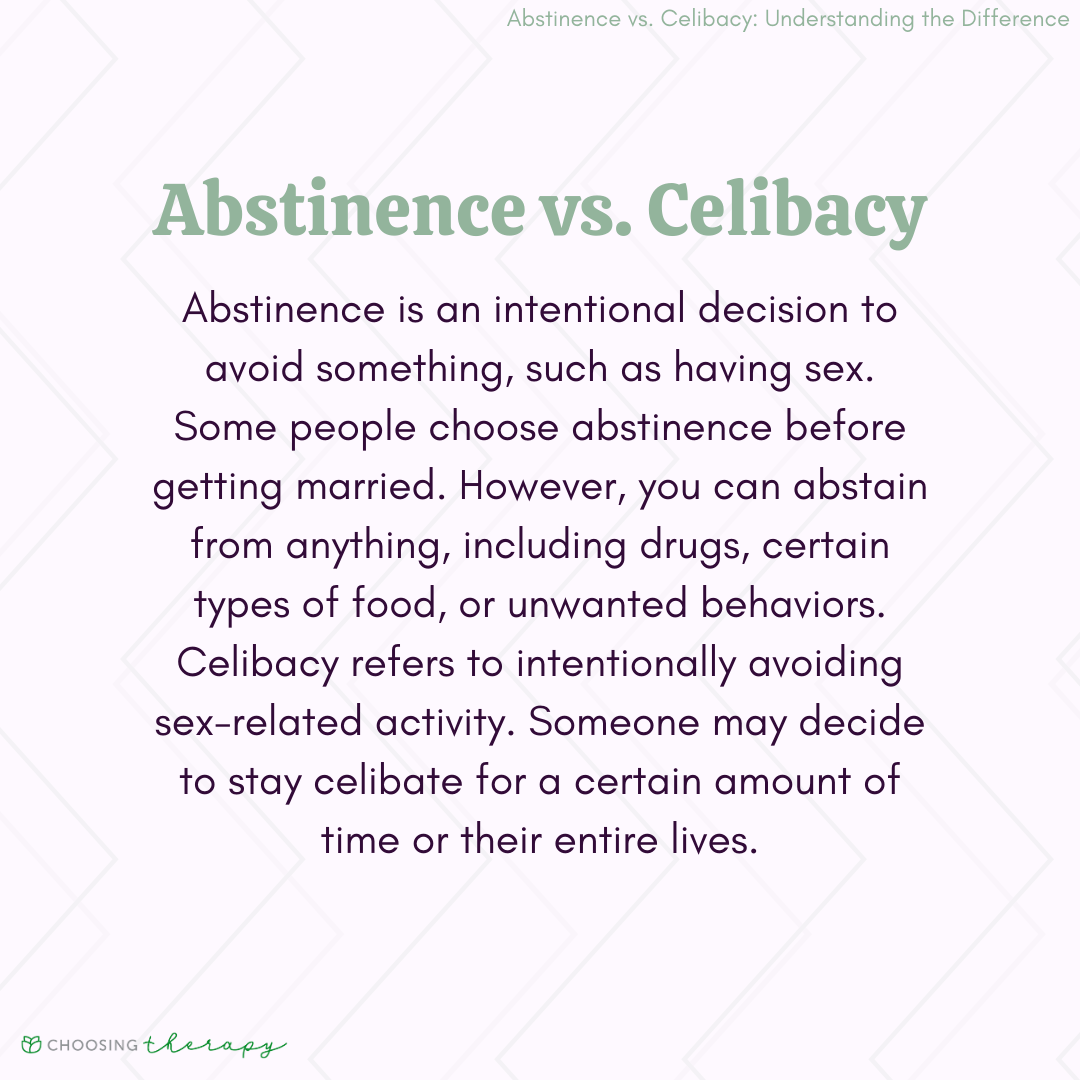
In traditional discourse, the term “celibacy” refers to a voluntary abstinence from certain physical relationships, often for religious or philosophical reasons. However, as the modern economic landscape shifts and the cost of living reaches unprecedented heights, a new iteration of this concept has emerged within the world of personal finance. “Financial celibacy” is a burgeoning movement characterized by a radical, voluntary abstinence from discretionary spending. It is a commitment to financial purity, where an individual strips away the layers of consumerism to focus exclusively on wealth preservation, debt elimination, and long-term capital growth.

To understand what celibacy means in a fiscal sense, one must look past the surface of simple budgeting. While a budget is a plan for spending, financial celibacy is a philosophy of non-spending. it is the practice of intentional deprivation to achieve a higher state of economic freedom. By adopting this rigorous discipline, individuals are finding that they can break the cycle of paycheck-to-paycheck living and accelerate their journey toward financial independence.
The Anatomy of Financial Celibacy: Beyond Frugality
Financial celibacy is often confused with frugality, but the two concepts exist on different scales of intensity. Frugality is the quality of being economical with money or food; it involves seeking discounts, using coupons, and making sensible choices. Financial celibacy, conversely, is an absolute. It is the “hard no” to any expense that does not facilitate basic survival or the generation of further income.
The Philosophy of Abstinence from Consumption
At its core, this financial movement is a reaction to the hyper-consumerism of the 21st century. We live in an “attention economy” where every app, advertisement, and social media platform is engineered to trigger a purchase. Financial celibacy acts as a firewall against these external pressures. By deciding in advance that discretionary spending is off the table, the individual removes the mental fatigue of constantly weighing “should I buy this?” Against “can I afford this?” The answer is always a predetermined “no.”
Distinguishing Between “Needs” and “Constructed Needs”
A critical component of this practice is the brutal audit of one’s lifestyle. Financial celibates distinguish between biological needs—shelter, basic nutrition, health, and transportation to work—and constructed needs. A constructed need is something society has convinced the individual is essential, such as a premium streaming subscription, a new smartphone model every two years, or dining out as a primary form of socialization. By stripping life down to its essential components, practitioners realize how much of their capital was previously leaking into non-productive assets.
The Psychological Drivers Behind Radical Financial Discipline
The success of financial celibacy is not found in spreadsheets, but in the rewiring of the human brain. Most modern spending is driven by the dopamine loops associated with the “thrill of the hunt” and the temporary high of a new acquisition. Financial celibacy seeks to break this chemical dependency.
Breaking the Dopamine Loop of Consumerism
When an individual stops spending on non-essentials, they often go through a period of withdrawal. There is a sense of missing out (FOMO) and a perceived loss of status. However, after a few months of abstinence, a psychological shift occurs. The brain stops looking for the next purchase to provide a hit of happiness. Instead, the individual begins to find satisfaction in the growth of their brokerage account or the rapid decrease of their mortgage principal. This is the transition from “consumer dopamine” to “accumulator dopamine.”
Reclaiming Autonomy Over Personal Capital
In a debt-heavy society, most people do not actually own their time; they rent it to their employers to pay for things they have already consumed. Financial celibacy is a tool for reclaiming that autonomy. Every dollar not spent is a “freedom unit.” When an individual realizes that their lack of spending is actually a purchase of future time, the perceived “sacrifice” of celibacy transforms into an empowering strategic choice.
Practical Strategies for Implementing a Financial Fast
Adopting a period of financial celibacy requires more than just willpower; it requires a structural overhaul of one’s daily environment. Much like physical celibacy often involves avoiding certain environments to maintain a vow, financial celibacy requires avoiding “spending triggers.”
The “No-Spend” Framework
Practitioners often start with a “No-Spend Month” or a “No-Spend Year.” During this time, the rules are rigid:
- Housing and Utilities: Paid as normal.
- Groceries: Only basic ingredients; no pre-packaged luxury foods or alcohol.
- Transportation: Minimalized to work and essential errands.
- Discretionary Spending: Zero. No clothes, no hobbies, no movies, no digital upgrades.
By setting these boundaries, the individual creates a “closed loop” economy within their own household. Any surplus income generated during this time is immediately diverted into high-yield savings, debt repayment, or diversified investment vehicles.
Identifying and Eliminating Invisible Subscriptions
In the digital age, financial leakage often occurs through “vampire expenses”—small, recurring subscriptions that go unnoticed but drain capital over time. Part of the celibacy process involves a “digital purge.” This means canceling everything from gym memberships (replaced by bodyweight exercises) to cloud storage upgrades (replaced by manual backups). The goal is to reduce the “burn rate” of the household to the absolute minimum.
Long-Term Benefits: Compounding Wealth Through Radical Restraint
The primary goal of financial celibacy is the rapid accumulation of wealth. Because the “savings rate” (the percentage of income saved) is the single most important variable in achieving financial independence, those who practice radical abstinence can achieve in five years what takes the average person thirty years.
Accelerating the Path to Financial Independence (FIRE)
The FIRE (Financial Independence, Retire Early) movement has adopted financial celibacy as a core tactic. By living on 20% to 30% of their income and “abstaining” from the rest, individuals can reach their “FI Number”—the point where their investments generate enough passive income to cover their basic expenses. Financial celibacy compresses the timeline of wealth building by maximizing the power of compound interest. A dollar saved and invested in one’s 20s or 30s is worth significantly more than a dollar saved in one’s 50s.
Building a Resilience Buffer
Beyond the goal of retirement, financial celibacy builds an impenetrable “moat” around an individual’s life. In an era of AI-driven job displacement and economic volatility, having a massive cash reserve and zero lifestyle inflation provides a level of security that no corporate job can offer. When you have mastered the art of living on very little, the threat of a layoff loses its power.
Transitioning from Financial Celibacy to Sustainable Wealth Management
It is important to note that for most, financial celibacy is a season, not a lifetime sentence. Living in a state of perpetual deprivation can lead to burnout or “revenge spending”—a phenomenon where an individual suddenly spends excessively after a long period of restriction.
Reintroducing Conscious Spending
The exit strategy from a period of financial celibacy involves shifting toward “conscious spending.” This is the practice of being incredibly frugal on things that don’t matter while spending extravagantly on things that do. After a year of financial celibacy, an individual might realize they don’t miss the expensive car or the daily coffee, but they deeply value high-quality travel or educational investments. They reintroduce spending, but with a newfound clarity and a higher “barrier to entry” for every dollar that leaves their pocket.

The Role of Investment in a Low-Consumption Lifestyle
The ultimate “meaning” of financial celibacy is to move from a labor-based income to an asset-based income. The capital saved during the period of abstinence should be put to work in the markets. Whether it is through index funds, real estate, or private equity, the goal is to create a self-sustaining ecosystem. Once the assets produce enough yield to cover the “basic needs” identified during the celibacy period, the individual has achieved true economic sovereignty.
In conclusion, when we ask what celibacy means in today’s financial world, we are talking about a radical reclamation of value. It is the choice to abstain from the fleeting pleasures of the marketplace in favor of the permanent security of capital. It is a disciplined, often difficult path, but for those willing to embrace the “no,” it leads to a “yes” that the average consumer will never be able to afford: the total ownership of one’s own life.
aViewFromTheCave is a participant in the Amazon Services LLC Associates Program, an affiliate advertising program designed to provide a means for sites to earn advertising fees by advertising and linking to Amazon.com. Amazon, the Amazon logo, AmazonSupply, and the AmazonSupply logo are trademarks of Amazon.com, Inc. or its affiliates. As an Amazon Associate we earn affiliate commissions from qualifying purchases.