
In an era defined by information saturation and the constant barrage of digital advertisements, traditional marketing methods are increasingly met with consumer skepticism. Modern audiences have developed a “filter” for standard commercials, often tuning out banner ads and skipping sponsored content. To penetrate this noise, brand strategists have turned to buzz marketing—a technique designed to maximize word-of-mouth potential and turn consumers into active brand ambassadors.
Buzz marketing is a viral marketing technique that focuses on maximizing the word-of-mouth potential of a particular campaign or product. These conversations can happen through social media, among friends and family, or within larger professional circles. The ultimate goal is to create “hype” so pervasive that the brand becomes a centerpiece of cultural conversation, rather than just a product on a shelf.
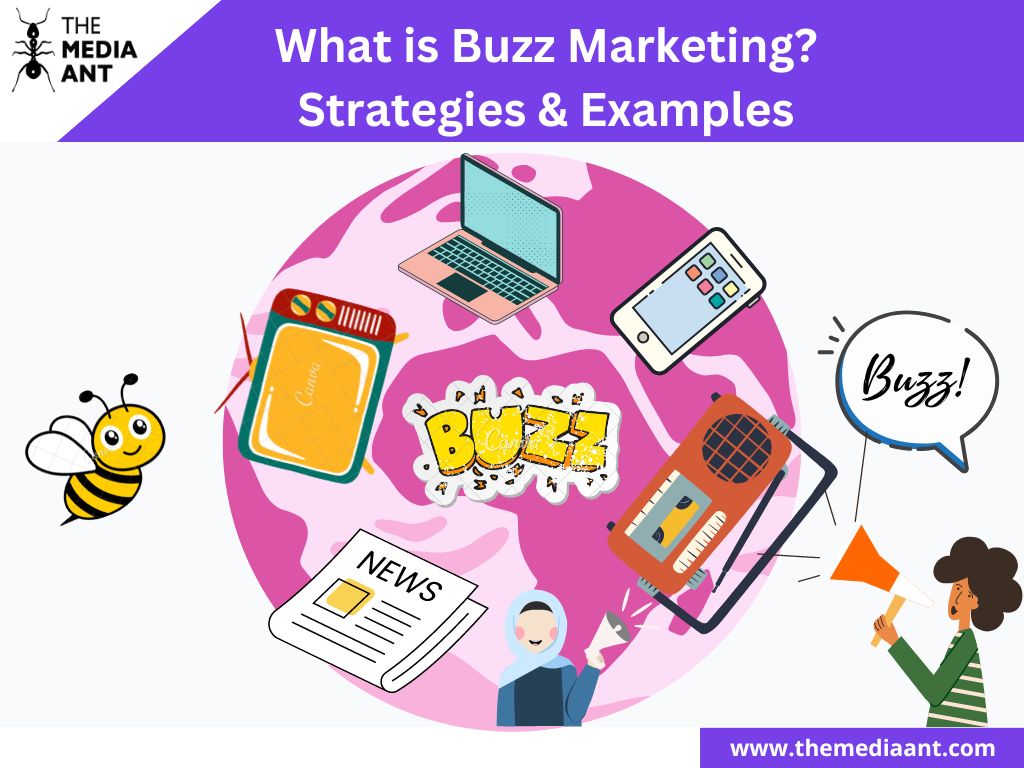
Defining Buzz Marketing and Its Role in Brand Strategy
At its core, buzz marketing is about generating energy. Unlike traditional advertising, which is a one-way communication from brand to consumer, buzz marketing is a multi-directional phenomenon. It relies on the human psychological need to share interesting, shocking, or valuable information. When a brand successfully generates “buzz,” it shifts from being a sender of messages to a topic of discussion.
The Difference Between Buzz Marketing and Viral Marketing
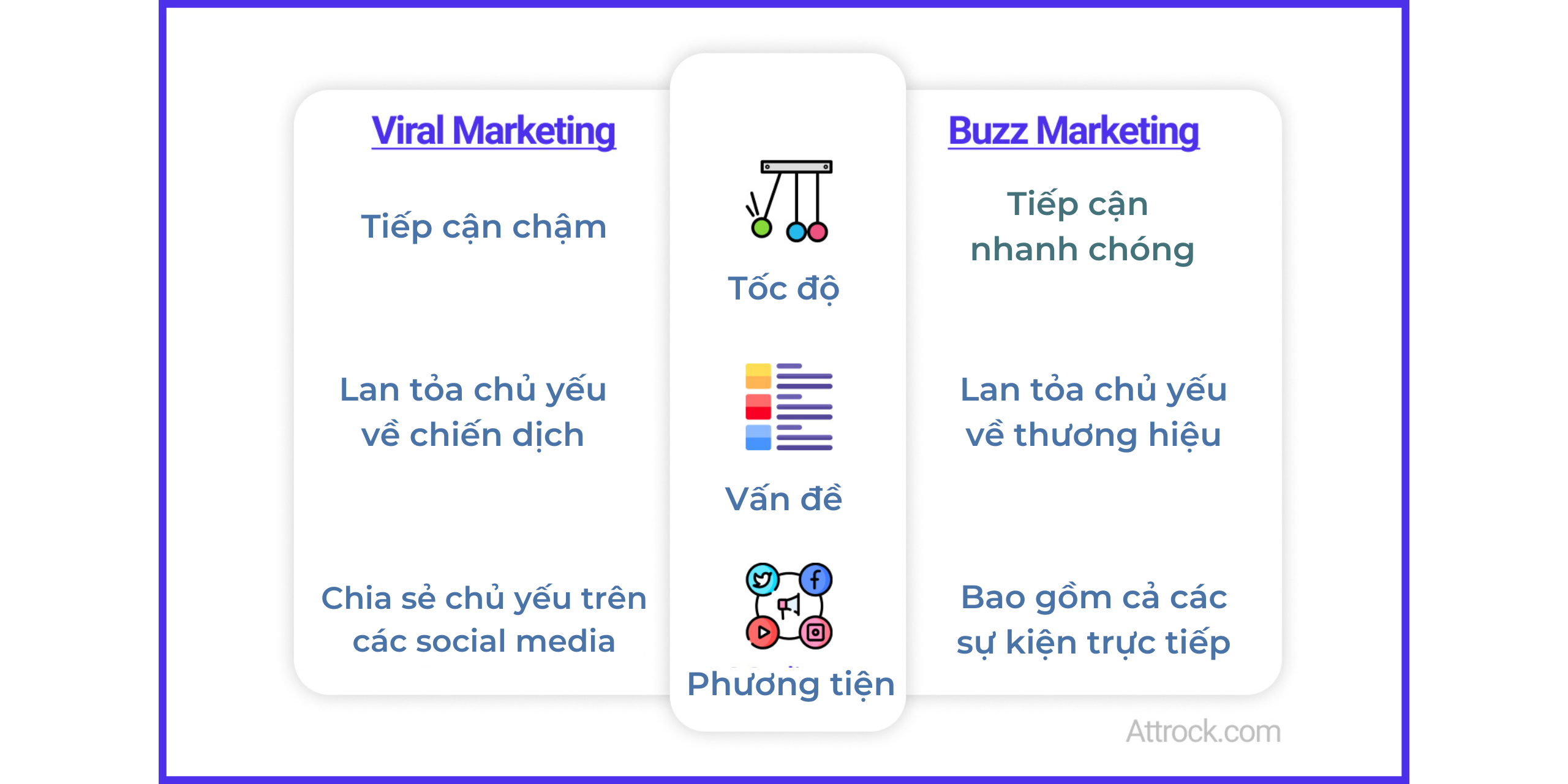
While the terms are often used interchangeably, there is a nuanced difference between buzz and viral marketing. Viral marketing is a strategy that encourages individuals to pass on a marketing message to others, creating the potential for exponential growth in the message’s exposure. It is often focused on the content itself—a video, a meme, or a challenge that spreads rapidly.
Buzz marketing, conversely, is focused on the conversation around the content or the brand. It is the “hum” or the “noise” generated by the campaign. If viral marketing is the spark that starts a fire, buzz marketing is the heat that radiates from it. Buzz marketing is often more experiential and relies heavily on events, influencers, and community engagement to sustain momentum over a longer period.
The Psychology of “The Buzz”
The effectiveness of buzz marketing is rooted in social proof and the Fear Of Missing Out (FOMO). Humans are social creatures who look to their peers to validate their choices. When we see everyone talking about a new tech gadget, a revolutionary skincare line, or a disruptive fintech app, we subconsciously assign a higher value to that brand.
By creating a sense of exclusivity or urgency, buzz marketing triggers a psychological response that compels consumers to join the conversation. They don’t want to be the last person to know about a “secret” or the only one not participating in a trending topic. This creates a self-sustaining loop: the more people talk, the more relevant the brand becomes, leading even more people to join the discussion.
Key Elements of a Successful Buzz Marketing Campaign
Not every marketing attempt creates a buzz. To truly ignite a conversation that lasts, brand managers must lean into specific triggers that bypass the rational mind and appeal to the emotional and social instincts of the audience. Mark Hughes, a pioneer in the field, identified several “buttons” of buzz that brands can push to get people talking.
The Taboo, the Unusual, and the Remarkable
To generate buzz, a brand must step outside the “safe” zone of corporate communication.
- The Taboo: This involves addressing topics that are rarely discussed openly. When a brand takes a bold stance on a controversial social issue or uses “edgy” humor, it forces people to take a side, which inevitably leads to discussion.
- The Unusual: Consumers notice things that deviate from the norm. This could be a product with a bizarre feature, a uniquely designed pop-up shop, or an unconventional partnership.
- The Remarkable: Simply being the “best” isn’t always enough to create buzz; the brand must be worthy of a remark. This usually involves exceeding expectations to such a degree that a consumer feels compelled to tell someone else about their experience.
Leveraging Influencers and Early Adopters
Buzz marketing rarely starts with the masses; it starts with a concentrated group of “connectors” or “mavens.” These are individuals who have disproportionate influence over their peers’ opinions. By identifying and targeting these early adopters, brands can plant the seeds of a conversation in fertile ground.
Strategic product seeding—where products are given to influencers before the general public has access—creates a sense of anticipation. When an influencer shares a “first look” or a “behind-the-scenes” glimpse, it builds a bridge of trust. The audience views this not as an advertisement, but as a recommendation from a trusted source, which is the most potent form of marketing.
Scarcity and Exclusivity
Nothing creates buzz faster than the idea that something is unavailable. Brands often use “drop” culture—releasing limited quantities of a product at specific times—to manufacture a sense of urgency. When a product sells out in minutes, it creates a secondary wave of buzz as people discuss their “win” or their disappointment. This scarcity makes the brand feel more prestigious and desirable, fueling further interest for the next release.
Strategies to Generate Organic Word-of-Mouth
While buzz can be manufactured, the most effective buzz feels organic. This requires a shift in mindset from “selling” to “storytelling” and “community building.”
Content Creation as a Catalyst
In the digital age, content is the currency of buzz. Brands must create content that is inherently shareable. This doesn’t mean every post must go viral, but every piece of communication should serve as a conversation starter. Whether it is a thought-provoking blog post, an interactive poll, or a visually stunning video, the content must provide value that the user wants to pass along.
Interactivity is key. When a brand invites its audience to participate in the creation process—such as voting on a new flavor or submitting user-generated content—the audience develops a sense of ownership. People are far more likely to talk about something they helped create than something they simply observed.
Community Building and Social Listening
Buzz is a two-way street. Successful brands don’t just talk at their audience; they talk with them. This involves active social listening—monitoring social media channels for mentions of the brand, competitors, and relevant industry trends.
By engaging in the comments section, responding to mentions, and joining relevant online communities (like Reddit or Discord), a brand humanizes itself. This direct engagement fosters a loyal community of advocates who will defend the brand and spread positive word-of-mouth during their daily interactions. A community-driven approach ensures that the buzz isn’t just a temporary spike, but a sustained level of engagement.
Case Studies: Brands That Mastered the Noise
Looking at successful brands provides a blueprint for how buzz marketing can be integrated into a long-term brand strategy.
Apple’s Product Launches
Apple is the gold standard of buzz marketing. For decades, they have mastered the art of the “secret.” By keeping product details under wraps until a highly anticipated keynote event, they generate months of speculation, rumors, and fan-made concepts. This pre-launch buzz ensures that by the time the product is actually revealed, the entire tech world is already talking about it. They don’t just sell phones; they sell events.
The “Old Spice” Rebranding
Old Spice transformed its image from a “grandfather’s brand” to a cultural icon through its “The Man Your Man Could Smell Like” campaign. The buzz was generated not just by the humorous commercials, but by the brand’s real-time response to fans. They created hundreds of personalized video responses to questions from Twitter and Reddit users, featuring the campaign’s actor. This level of personalized engagement was unprecedented at the time and turned a standard ad campaign into a global conversation.
Tesla’s Non-Traditional Advertising
Tesla famously spends $0 on traditional advertising. Instead, they rely entirely on buzz marketing and the personal brand of Elon Musk. Every tweet, rocket launch, or “Cybertruck” reveal is designed to be remarkable and controversial. By positioning themselves as a mission-driven company rather than just a car manufacturer, they have built a fanatical fan base that does their marketing for them. The buzz is generated by the brand’s perceived disruption of an entire industry.
Measuring Success and Managing the Risks
Because buzz marketing is often qualitative, measuring its ROI can be challenging, but it is essential for long-term brand health.
KPIs for Buzz Marketing
To track the effectiveness of a buzz campaign, brand managers should look at:
- Social Mention Volume: How often is the brand being mentioned across platforms?
- Sentiment Analysis: Is the conversation positive, negative, or neutral?
- Earned Media Value: What would it have cost to reach this many people through traditional paid advertising?
- Share of Voice: How much of the total conversation in the industry is focused on the brand compared to its competitors?
When Buzz Goes Wrong: Crisis Management
Buzz is a double-edged sword. The same mechanisms that spread positive news can also spread negative sentiment with equal speed. If a brand generates buzz through controversy and it backfires, the resulting “negative buzz” can be devastating to corporate identity.
The key to managing negative buzz is transparency and speed. Brands must be prepared to address issues head-on. Trying to suppress a negative conversation often leads to the “Streisand Effect,” where the attempt to hide information only brings more attention to it. Instead, brands should lean into the conversation, admit mistakes, and use the opportunity to demonstrate their values.
In conclusion, buzz marketing is not a one-off tactic but a sophisticated component of brand strategy. By understanding the psychological triggers of social sharing and fostering genuine community engagement, brands can transcend the limitations of traditional advertising. In a world where attention is the most valuable currency, creating a buzz is the most effective way to ensure a brand’s message isn’t just heard, but repeated.
aViewFromTheCave is a participant in the Amazon Services LLC Associates Program, an affiliate advertising program designed to provide a means for sites to earn advertising fees by advertising and linking to Amazon.com. Amazon, the Amazon logo, AmazonSupply, and the AmazonSupply logo are trademarks of Amazon.com, Inc. or its affiliates. As an Amazon Associate we earn affiliate commissions from qualifying purchases.