
In the rapidly shifting landscape of global marketing, the term “Bruv” has transcended its origins as a colloquialism for “brother” to become a potent symbol of a new era in brand strategy. For decades, corporate identity was defined by polished professionalism, a clear hierarchy between provider and consumer, and a tone of voice that prioritized institutional authority above all else. However, as the digital age matures, a significant pivot is occurring. Brands are no longer striving to be seen as distant authorities; they are striving to be seen as peers. To understand “What is Bruv” in a commercial context is to understand the rise of radical authenticity and the dismantling of the traditional corporate veil.

The “Bruv” brand philosophy is rooted in the concept of communal identity. It represents a shift from transactional business-to-consumer (B2C) relationships to relational peer-to-peer (P2P) connections. This evolution is driven by a demographic that values transparency, shared values, and, most importantly, a sense of belonging. In this niche of brand strategy, the goal is not just to sell a product, but to inhabit the same social space as the consumer, speaking their language and sharing their cultural touchstones without the friction of traditional advertising.
The Etymology of Engagement: How Language Shapes Brand Perception
At its core, “Bruv” is a term of endearment and fraternity originating from London’s multicultural urban landscape. In brand strategy, adopting this type of vernacular is a deliberate move to signal inclusivity and local relevance. When a brand asks “What is Bruv?” they are essentially asking how they can integrate themselves into the daily lives of their audience in a way that feels natural rather than invasive.
The Breakdown of Formalism
The transition from formal to informal language in branding is not merely a trend; it is a response to the “trust deficit” facing modern institutions. Consumers, particularly Gen Z and Millennials, have developed a sophisticated “marketing radar” that detects and rejects overly manufactured corporate personas. By adopting the “Bruv” ethos—a tone that is casual, direct, and familiar—brands can bypass these defenses. This linguistic shift signals that the brand is “one of us,” reducing the psychological distance between the storefront and the living room.
Linguistic Mirroring as a Trust Mechanic
In psychology, mirroring is the subconscious replication of another person’s nonverbal signals to build rapport. In branding, linguistic mirroring serves the same purpose. By utilizing colloquialisms like “Bruv,” brands engage in a form of cultural signaling. This tells the consumer that the brand understands the nuances of their lifestyle, their humor, and their social circles. However, this strategy requires a high degree of precision; if the mirroring feels forced or out of sync with the brand’s actual values, it results in “cringe,” a visceral rejection by the community that can be fatal to a brand’s reputation.
The Pivot to “Peer-to-Peer” Branding
The “Bruv” identity is the antithesis of the “Big Brother” corporate model. While the traditional model was about surveillance and top-down influence, the P2P model is about participation and horizontal influence. In this framework, the brand acts as a facilitator of community rather than a central authority.
The Rise of the Relatable Archetype
We are seeing the emergence of brand archetypes that resemble friends, siblings, or mentors. These archetypes do not lecture; they converse. They use humor, self-deprecation, and even “inside jokes” to foster a sense of exclusivity among their followers. When a brand adopts the “Bruv” persona, it is positioning itself as a reliable ally—a partner in the consumer’s journey. This is particularly effective in high-engagement industries like fintech, streetwear, and lifestyle technology, where personal identity is closely tied to consumption habits.
Community as the New Equity
In the current market, a brand’s value is increasingly measured by the strength of its community rather than just its balance sheet. A “Bruv” brand prioritizes community-led growth. This involves empowering users to become brand ambassadors who speak the same vernacular. When the community takes ownership of the brand’s identity, the brand gains a level of social proof that traditional marketing cannot buy. This peer-validated credibility is the ultimate goal of the “Bruv” strategy.
Strategic Informalism: The Risks and Rewards of Vernacular Marketing

Adopting a highly informal, localized brand identity is a high-stakes move. It offers the potential for deep loyalty, but it also carries the risk of alienating broader audiences or being perceived as performative.
Navigating the “Authenticity Trap”
The primary challenge of the “Bruv” brand strategy is the “Authenticity Trap.” This occurs when a brand tries to use colloquial language or street culture to appear “cool” without having the underlying cultural capital to back it up. For a brand to successfully use the “Bruv” identity, it must be deeply embedded in the communities it seeks to serve. This means going beyond the copy on a social media post and reflecting those values in hiring practices, corporate social responsibility (CSR) initiatives, and product design.
Case Studies in Successful Informalism
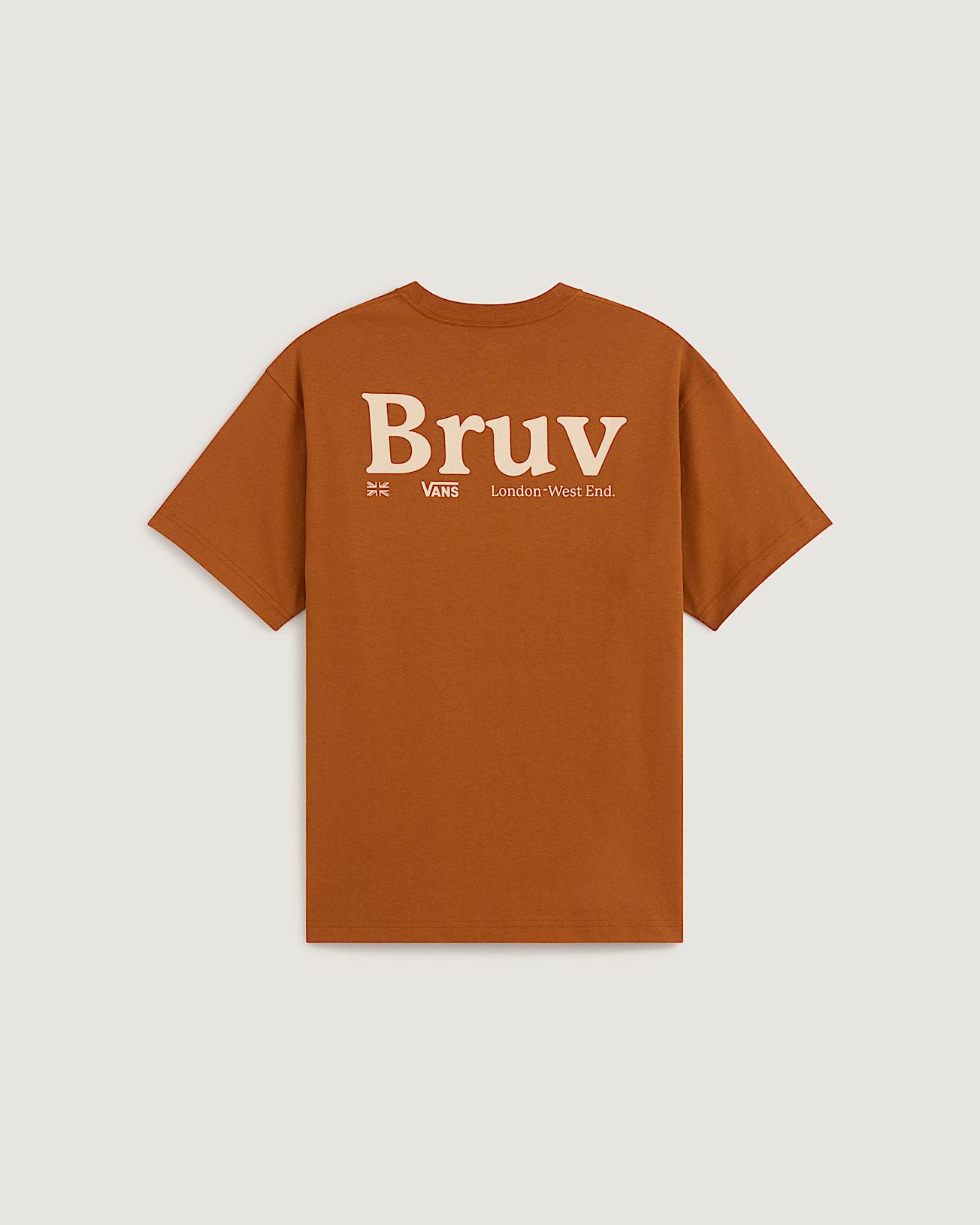
Several modern brands have mastered this balance. Companies like Discord and Duolingo have moved away from standard customer support language in favor of a tone that is irreverent, humorous, and deeply human. They don’t just resolve tickets; they “vibe” with their users. Similarly, in the fashion world, brands like Corteiz have built massive empires by leaning into the “Bruv” culture of London, utilizing gated drops and community-first marketing that feels more like a private club than a retail business. These brands succeed because their “informalism” is not a mask; it is their core identity.
Building a “Bruv” Brand: Practical Frameworks for Corporate Authenticity
For organizations looking to implement a more relatable, peer-oriented brand strategy, the process must be systemic rather than superficial. It requires a fundamental rethinking of how the brand communicates across all touchpoints.
Developing a Vernacular Style Guide
A traditional style guide focuses on grammar and logo placement. A “Bruv” style guide focuses on rhythm, slang, and cultural context. It defines how the brand speaks when it’s “off-duty.” This includes guidelines on using emojis, responding to memes, and knowing when to use informal pronouns. The goal is consistency; the brand must sound like the same person whether it’s responding to a tweet or sending an email notification.
Radical Transparency and Vulnerability
A key component of the “Bruv” identity is the willingness to be vulnerable. Professional brands rarely admit mistakes; peer brands do so openly and with a sense of humor. This “humanization” of the brand creates a safety net of goodwill. When a brand is seen as a “Bruv,” its community is more likely to forgive errors and defend it against external criticism. This transparency should extend to the “how” and “why” of the business, sharing the behind-the-scenes struggles and triumphs with the audience.
Decentralized Content Creation
To maintain the “Bruv” identity, brands must move away from over-produced, studio-quality content toward “lo-fi” aesthetics. User-generated content (UGC) and employee-led social media accounts are far more effective at building a peer-to-peer connection than expensive television commercials. By allowing the “people behind the brand” to be the face of the brand, companies can build a multifaceted identity that feels lived-in and real.
The Future of Linguistic Branding in a Hyper-Connected World
As we look toward the future of brand strategy, the “What is Bruv” inquiry reveals a permanent shift in the power dynamic between companies and consumers. The digitalization of society has not made us more robotic; it has made us crave human connection more than ever.
AI and the Paradox of Automation
As AI tools become more prevalent in marketing, there is a risk that brand communication will become more sterile and predictable. The brands that survive and thrive will be those that use AI to enhance their efficiency while doubling down on their “human” vernacular. The “Bruv” brand of the future will be one that can use data to understand cultural shifts in real-time, allowing them to adapt their language and strategy with the agility of a local community leader rather than a slow-moving corporation.
Global Localization (Glocalization)
The “Bruv” strategy is also a masterclass in “glocalization”—taking a global brand and making it feel intensely local. As brands expand, the challenge is maintaining that “peer” feeling in different cultural contexts. This will require a decentralized branding approach where local teams are given the autonomy to adapt the brand’s voice to the specific slang, humor, and social norms of their region. The “Bruv” in London might be the “Wey” in Mexico or the “Alter” in Germany, but the underlying strategy remains the same: radical relatability.
In conclusion, “What is Bruv” is not just a question about a word; it is a question about the future of how we interact with the entities that provide our goods and services. It marks the end of the “Corporate Monologue” and the beginning of the “Community Dialogue.” For brands willing to drop the facade of perfection and embrace the messy, vibrant, and informal world of their customers, the rewards are immense. By becoming a “Bruv” to their audience, brands can achieve a level of loyalty and integration that was previously thought impossible in the cold, calculated world of commerce.
aViewFromTheCave is a participant in the Amazon Services LLC Associates Program, an affiliate advertising program designed to provide a means for sites to earn advertising fees by advertising and linking to Amazon.com. Amazon, the Amazon logo, AmazonSupply, and the AmazonSupply logo are trademarks of Amazon.com, Inc. or its affiliates. As an Amazon Associate we earn affiliate commissions from qualifying purchases.