
In the rapidly accelerating world of mobile technology, where foldable screens and high-resolution computational photography dominate the headlines, the term “brick phone” has undergone a fascinating linguistic transformation. Depending on who you ask, a brick phone is either a nostalgic relic of the 1980s, a devastating technical failure of a modern smartphone, or a deliberate lifestyle choice for those seeking to reclaim their attention from the digital abyss.
To understand what a brick phone is in the current tech landscape, we must examine its three distinct identities: the historical hardware that started the mobile revolution, the technical phenomenon of “bricking” a device, and the contemporary “dumbphone” movement that is repositioning basic hardware as a premium tool for mental clarity.
The Origins of the Brick: From 80s Status Symbol to Modern Relic
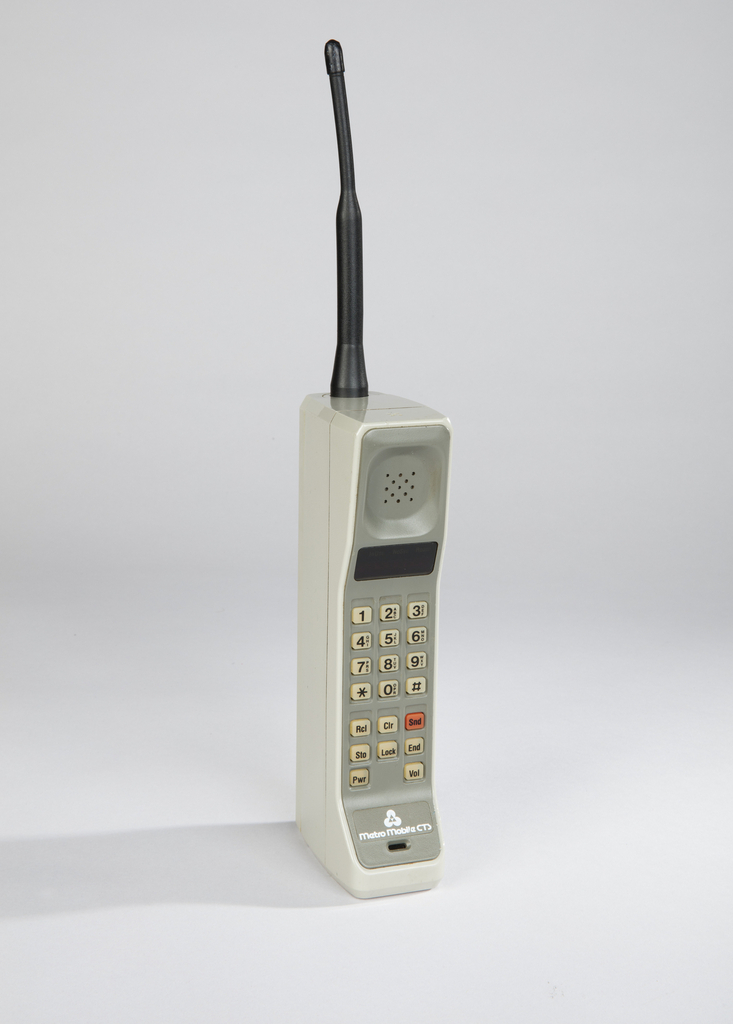
The term “brick phone” was originally coined to describe the first generation of portable cellular telephones. These devices were characterized by their massive size, significant weight, and protruding external antennas. In an era before miniaturization, the battery technology and radio components required to sustain a mobile call were substantial, resulting in a form factor that closely resembled a construction brick.
The Motorola DynaTAC 8000X: The Original Brick
The quintessential brick phone is the Motorola DynaTAC 8000X. Released in 1983, it was the first commercially available handheld cellular phone. It weighed nearly two pounds, measured 13 inches high, and offered only 30 minutes of talk time after a ten-hour charge. Despite its $3,995 price tag (nearly $11,000 today), it revolutionized communication. It was a status symbol of the high-finance world, immortalized in pop culture by characters like Gordon Gekko in Wall Street.
Form Factor and Hardware Limitations
The engineering of these early devices was purely utilitarian. They lacked the sophisticated touchscreens and internal antennas of today. Instead, they featured physical numeric keypads, tiny LED or LCD screens capable of displaying only a single line of text, and heavy nickel-cadmium batteries. While they were “mobile,” they were far from pocketable. Users typically carried them in briefcases or utilized dedicated shoulder bags. This era of the brick phone ended in the late 1990s as the “candy bar” and “flip phone” designs took over, driven by the rapid advancement of lithium-ion batteries and integrated circuitry.
The Technical Meaning: When a Smartphone Becomes a “Brick”
As technology evolved, the term “brick” transitioned from a noun describing a specific type of hardware to a verb describing a catastrophic state of software failure. In the modern tech enthusiast community, to “brick” a phone means to render it completely non-functional through a corrupted software update, a failed firmware flash, or a botched hardware modification.
The Difference Between a Soft Brick and a Hard Brick
In the world of software engineering and device hacking, there is a crucial distinction between “soft” and “hard” bricking:
- Soft Brick: This occurs when a device gets stuck in a boot loop or freezes on the startup logo. While the phone is currently unusable, the hardware remains functional, and the software can usually be recovered using recovery modes, specialized flashing tools, or factory resets.
- Hard Brick: This is the terminal state. A hard-bricked phone will not turn on, will not charge, and is not recognized by a computer when plugged in. This usually happens when the bootloader—the low-level code that tells the phone how to start—is corrupted or deleted. At this point, the device is literally as useful as a ceramic brick.
Common Causes of Bricking
Most average users will never brick their phones during normal operation. However, the risk increases significantly during firmware updates if the battery dies or the connection is interrupted. For power users, bricking is often a consequence of “rooting” an Android device or “jailbreaking” an iOS device. Attempting to install a custom ROM (Operating System) that is not compatible with the specific hardware revision of the phone is the leading cause of permanent software failure.

The Resurgence of the Brick: The “Dumbphone” Movement
Today, the “brick phone” is experiencing a deliberate and trendy revival. A growing segment of the population is rejecting the hyper-connectivity of smartphones in favor of “dumbphones”—modernized versions of basic brick or flip phones. This shift is driven by a desire for digital minimalism and a break from the dopamine-loop mechanics of social media apps.
Digital Minimalism and Mental Health
The modern brick phone serves as a tool for “digital detoxing.” Smartphones are designed to be addictive, utilizing infinite scrolls and push notifications to capture user attention. By switching to a device that can only call and text, users report significant reductions in anxiety, improved sleep quality, and an increased ability to focus on deep work. In this context, the brick phone is not an obsolete piece of tech, but a specialized tool for regaining autonomy over one’s time.
Privacy and Security Benefits
Beyond mental health, there is a strong security argument for the brick phone. Modern smartphones are data-harvesting machines, constantly tracking GPS locations, microphone input, and browsing habits to feed advertising algorithms. A basic brick phone lacks the sophisticated operating system required for these tracking background processes. For journalists, activists, or high-level executives, a “dumb” brick phone offers a much smaller attack surface for hackers and a significantly reduced data footprint.
Modern “Brick” Alternatives: Best Minimalist Phones on the Market
Recognizing the demand for simplicity, several tech companies have developed “New Bricks”—devices that look like old-school phones but feature modern hardware components like 4G/5G connectivity and USB-C charging. These are not e-waste; they are premium, intentional pieces of technology.
The Light Phone II
The Light Phone II is perhaps the most famous example of the modern brick. It features a black-and-white E-ink display (similar to a Kindle) and contains no social media, news, or email apps. It is designed to be used as little as possible. It offers essential tools like a calculator, a simple music player, and GPS navigation, but its primary function is communication. Its credit-card-sized form factor is a sleek, minimalist take on the brick aesthetic.
Punkt MP02
Designed by Jasper Morrison, the Punkt MP02 is a rugged, tactile device that focuses on high-quality audio and industrial design. It feels like a premium tool rather than a toy. It supports 4G LTE and can act as a Wi-Fi hotspot, allowing users to carry a laptop for work while keeping their “phone time” restricted to voice calls. It is the professional’s choice for a secondary “weekend” or “work-only” device.
The Return of Nokia Classics
HMD Global, the current manufacturer of Nokia-branded phones, has successfully tapped into nostalgia by re-releasing “reimagined” versions of classics like the Nokia 3310 and the 8110 “Matrix” phone. These devices offer incredible battery life—often lasting weeks on a single charge—and a durability that modern glass-and-aluminum smartphones cannot match. They represent the entry-level “brick,” providing a cheap and reliable backup for travelers or those looking to simplify their lives without a heavy investment.

The Future of the Brick Phone in a Hyper-Connected World
As we move further into the decade, the definition of the brick phone will likely continue to bifurcate. On one hand, we will see the continued development of “distraction-free” hardware designed to combat the negative externalities of the attention economy. On the other, the “brick” will remain a cautionary tale in the world of software development.
The enduring legacy of the brick phone lies in its simplicity. In the 1980s, the brick represented the miracle of being able to talk to anyone from anywhere. Today, the brick represents the luxury of being able to disconnect. Whether it is an original Motorola DynaTAC sitting in a museum, a software-corrupted flagship on a repair bench, or a minimalist Light Phone in the pocket of a Silicon Valley executive, the brick phone remains one of the most influential archetypes in the history of technology.
In a world where we are increasingly “online” by default, the choice to carry a brick phone is a statement of intent. It is a recognition that while technology should empower us, it should not own us. As the boundaries between our digital and physical lives continue to blur, the humble brick phone stands as a reminder of a time when a phone was just a tool, and our attention was entirely our own.
aViewFromTheCave is a participant in the Amazon Services LLC Associates Program, an affiliate advertising program designed to provide a means for sites to earn advertising fees by advertising and linking to Amazon.com. Amazon, the Amazon logo, AmazonSupply, and the AmazonSupply logo are trademarks of Amazon.com, Inc. or its affiliates. As an Amazon Associate we earn affiliate commissions from qualifying purchases.