
In the contemporary marketing landscape, the ability to understand “who” a customer is—their age, location, or gender—is no longer sufficient to drive a competitive brand strategy. While demographic and geographic data provide a foundational framework, they fail to capture the nuances of human decision-making. To truly resonate with an audience, modern brands must pivot toward behavioural segmentation. This methodology focuses on the “how” and “why” behind consumer actions, allowing companies to tailor their messaging, product development, and customer experiences to the actual patterns of interaction shown by their target market.
Behavioural segmentation is the process of dividing a total market into smaller, more manageable groups based on their knowledge of, attitude toward, use of, or response to a product. It moves the focus from static traits to dynamic actions, enabling a level of precision that transforms generic advertising into a personalized brand narrative.
Understanding the Core Principles of Behavioural Segmentation
The shift toward behavioural data represents a maturation of brand strategy. In the past, a brand might target “women aged 25–35 living in urban areas.” While this narrows the field, it assumes that all individuals within that bracket have the same needs and motivations. Behavioural segmentation reveals that within that demographic, one person might be a “brand loyalist” who buys based on reputation, while another is a “price-sensitive” shopper who only engages during sales.
Moving Beyond Demographics
Demographics tell a story of potential, but behaviour tells a story of intent. By analyzing how consumers interact with a brand’s digital touchpoints—such as website visits, email open rates, and social media engagement—marketers can identify intent signals. These signals are the most valuable currency in modern commerce. For instance, a consumer who visits a pricing page three times in 24 hours is demonstrating a high-intent behaviour that requires a different strategic response than someone who merely liked an Instagram post.
The Psychology of Action
At its heart, behavioural segmentation is rooted in psychology. It seeks to identify the triggers that lead to a conversion. Brands that master this do not just react to what customers do; they anticipate what they will do next. By categorizing users based on their stage in the buying cycle or their level of engagement, a brand can deliver the right message at the precisely right moment. This reduces marketing waste and increases the return on investment (ROI) by ensuring that resources are allocated toward the most receptive segments.
The Four Pillars: How Brands Categorize Consumer Actions
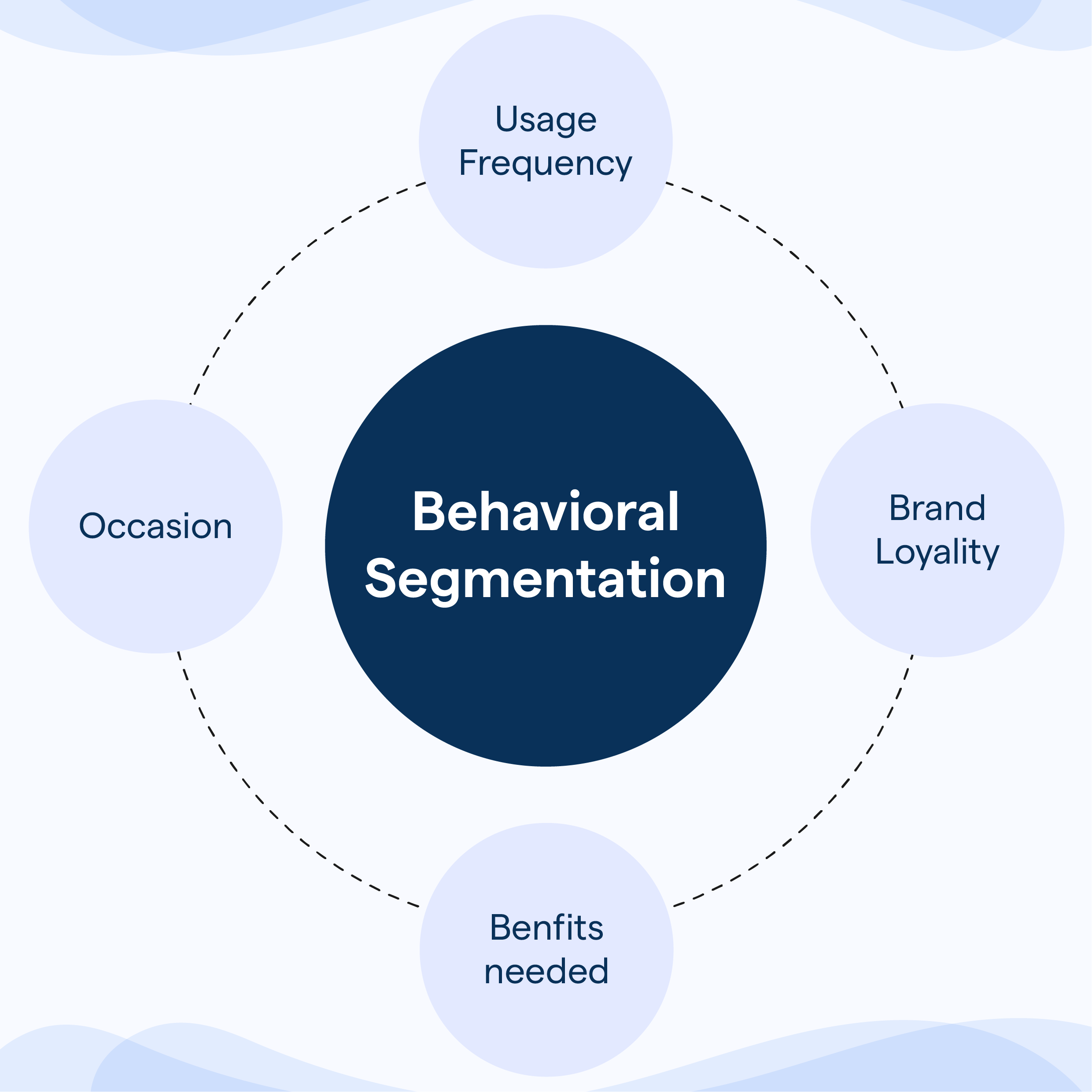
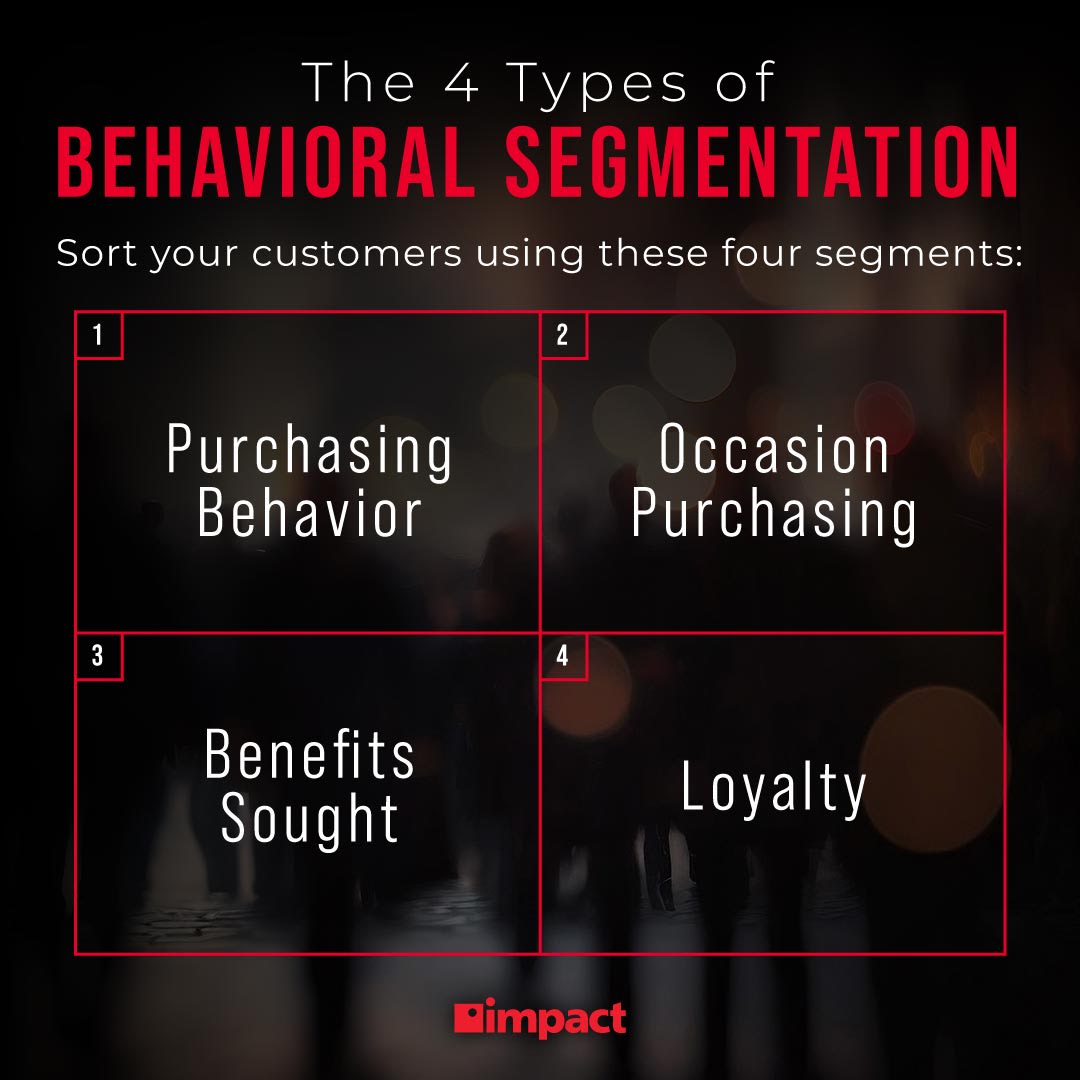
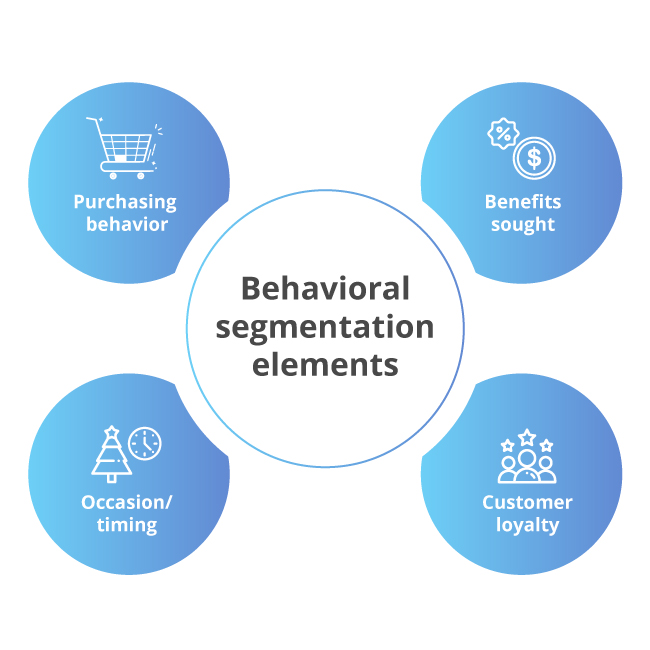
To implement an effective behavioural strategy, brands typically categorize data into four primary pillars. Each pillar offers a unique lens through which to view the customer journey and refine the brand’s value proposition.
1. Purchasing and Usage Behaviour
This pillar examines how customers act throughout the buying process. It includes metrics such as the frequency of purchase, the average order value, and the time elapsed between transactions.
- Heavy Users: These are the “power users” who account for a significant portion of a brand’s revenue. Strategy here focuses on retention and exclusive rewards.
- Light Users: These individuals engage infrequently. The goal for this segment is often “upselling” or increasing the frequency of use through targeted reminders or education.
- Non-Users: Understanding why someone has not yet purchased, despite interacting with the brand, can reveal friction points in the user experience or brand perception.
2. Occasion-Based Segmentation
Consumer behaviour often changes based on timing or specific life events. Occasion-based segmentation looks at “when” a consumer is most likely to engage. This can be universal (holidays, seasons), recurring (paydays, weekly grocery trips), or rare/personal (weddings, moving house).
- Universal Occasions: Brands like Hallmark or Starbucks excel here, creating products and campaigns that align with seasonal shifts.
- Personal Occasions: By tracking data, brands can send personalized offers for birthdays or anniversaries, fostering a deeper emotional connection with the consumer.
3. Benefits Sought
Not all customers buy a product for the same reason. Two people might buy the same pair of running shoes, but one seeks “durability for marathons” while the other seeks “aesthetic style for casual wear.” Segmentation based on benefits sought allows a brand to highlight specific product features to specific groups. This ensures that the marketing copy speaks directly to the problem the consumer is trying to solve, rather than offering a one-size-fits-all feature list.
4. Customer Loyalty Levels
Loyalty segmentation measures the degree of attachment a consumer has to a brand.
- Hardcore Loyalists: Customers who stick to one brand regardless of price or convenience. They are the primary targets for referral programs and community-building initiatives.
- Shifting Loyalists: Customers who are loyal to two or three brands in a category. They are often swayed by promotions or new feature releases.
- Switchers: Consumers who show no loyalty and are usually driven by the lowest price or the most immediate availability.
Integrating Behavioural Insights into Brand Strategy
Identifying segments is only the first step; the true value lies in how these insights are integrated into the overarching brand strategy. When a brand understands its audience’s behaviour, it can move from intrusive advertising to helpful interaction.
Personalization at Scale
Personalization is the hallmark of modern brand excellence. Through behavioural segmentation, brands can automate personalized experiences. For example, an e-commerce brand can use past browsing behaviour to populate a “Recommended for You” section on their website or send an automated “abandoned cart” email with a discount code specifically for the item the user left behind. This level of relevance makes the consumer feel “seen” by the brand, which is a powerful driver of brand affinity.
Refining the Customer Journey
Behavioural data often highlights where the “leaks” are in a brand’s sales funnel. If data shows that a high percentage of users drop off at the shipping information page, it suggests a behavioural reaction to hidden costs or a complicated checkout process. By mapping these behaviours, brands can optimize the user interface (UI) and user experience (UX) to align with how people actually navigate their platforms, rather than how the brand thinks they should navigate.
Predictability and Proactive Marketing
One of the most sophisticated applications of behavioural segmentation is predictive modeling. By analyzing historical patterns, brands can predict future actions. If a customer typically buys a skincare product every 60 days, the brand can proactively send a “Time to Restock” notification on day 55. This proactivity removes the need for the customer to look elsewhere, effectively “locking in” the next purchase through convenience.
Practical Implementation: Tools and Methodologies
To execute behavioural segmentation, brands must leverage a robust tech stack and a disciplined approach to data hygiene. The transition from general marketing to behavioural marketing requires both the right tools and an ethical framework.
Data Collection and Analysis
Modern marketers use Customer Data Platforms (CDPs) and Customer Relationship Management (CRM) systems to aggregate data from various sources. These tools track clicks, time spent on pages, purchase history, and email interactions. However, the data is only as good as the analysis applied to it. Brands must move beyond vanity metrics (like total page views) and look at “velocity” and “recency” metrics that indicate shifting consumer interests.
Ethical Considerations in a Privacy-First World
As brands dive deeper into behavioural tracking, they must navigate the complexities of data privacy. Regulations like GDPR and CCPA, combined with the phase-out of third-party cookies, mean that brands must prioritize “first-party data”—data collected directly from the consumer with their consent. Transparency is key. Brands that are open about how they use behavioural data to improve the customer experience often find that consumers are more willing to share information in exchange for tangible value and better service.
The Future of Behavioural Brand Strategy
As artificial intelligence and machine learning continue to evolve, the granularity of behavioural segmentation will only increase. We are moving toward a “segment of one,” where the brand experience is so tailored to the individual’s real-time actions that it feels entirely bespoke.
For a brand to remain relevant, it must stop viewing its audience as a static list of traits and start viewing them as a dynamic collection of actions and intentions. Behavioural segmentation allows brands to build more than just a customer base; it allows them to build a community of engaged advocates who feel a genuine connection to the brand’s mission and offerings. In a world of infinite choice, the brand that understands what its customers do will always outperform the brand that only knows what its customers are.
By focusing on the subtle cues of human behaviour, marketing shifts from being an expense to being a strategic asset. It becomes a tool for empathy, allowing brands to solve problems before the customer even articulates them. This is the essence of a truly modern, behaviour-driven brand strategy.
aViewFromTheCave is a participant in the Amazon Services LLC Associates Program, an affiliate advertising program designed to provide a means for sites to earn advertising fees by advertising and linking to Amazon.com. Amazon, the Amazon logo, AmazonSupply, and the AmazonSupply logo are trademarks of Amazon.com, Inc. or its affiliates. As an Amazon Associate we earn affiliate commissions from qualifying purchases.