
The name asbestos often evokes images of mid-century industrialism and subsequent public health crises. However, for the modern investor, real estate developer, and corporate strategist, asbestos is no longer just a physical material; it is a complex financial variable. While its use has been heavily restricted or banned in over 60 countries, it remains a multi-billion dollar factor in global markets, affecting everything from property valuation to litigation finance and insurance premiums.
Understanding what asbestos is used for today requires a shift in perspective. We must move away from seeing it strictly as a construction component and start viewing it as a significant line item in risk management and capital expenditure. Whether it is lingering in legacy infrastructure or being utilized in emerging industrial markets, asbestos continues to shape the financial landscape of the 21st century.
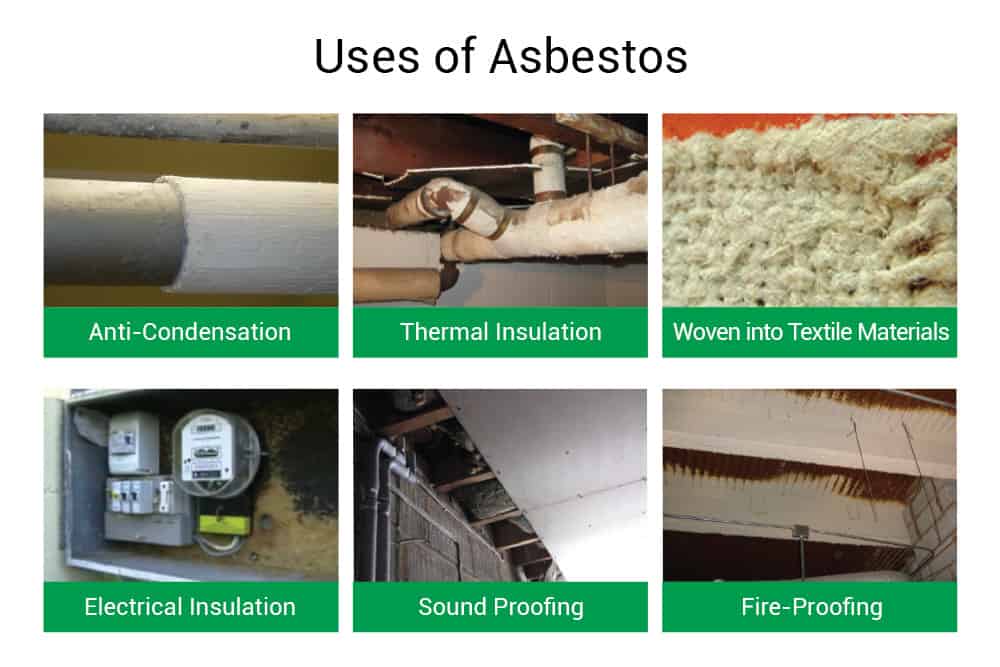
The Financial Legacy of a Once-Miracle Mineral
To understand the current economic impact of asbestos, one must first recognize its historical value. For decades, asbestos was the “gold standard” for fireproofing and insulation. It was cheap, durable, and highly effective. This widespread adoption created a massive “built-in” liability that property owners and investors must account for today.
Understanding the Shift from Asset to Liability
In the mid-20th century, the presence of asbestos was seen as a value-add for a building, representing the height of safety and modern engineering. Today, that same material represents a “latent liability.” For institutional investors looking at commercial real estate portfolios, the presence of asbestos-containing materials (ACMs) acts as a significant discount factor during the due diligence process.
When a building is identified as having asbestos, the financial implications are immediate. The asset’s liquidity decreases because the pool of potential buyers shrinks to those willing to manage environmental risks. Furthermore, the “encapsulation versus abatement” debate becomes a central part of the financial strategy. Do you spend the capital upfront to remove it (abatement), or do you manage it in place (encapsulation) to save immediate cash flow while accepting long-term risk?
The Hidden Costs in Real Estate Portfolios
For those in the business of REITs (Real Estate Investment Trusts) or private equity real estate, asbestos represents a hidden cost that can erode Net Operating Income (NOI). Even if a building is “safe” for occupancy, any renovation, repair, or system upgrade triggers strict regulatory requirements.
For instance, a simple HVAC overhaul in an older office building can see its budget balloon by 30% to 50% if asbestos is discovered in the pipe lagging or ceiling tiles. These are not just construction costs; they are financial shocks that can disrupt projected internal rates of return (IRR). Savvy investors now utilize specialized environmental auditors to quantify these “toxic debts” before a deal is ever closed.
Industrial and Global Market Realities
While the Western world has largely transitioned away from asbestos, it is a mistake to assume the material is obsolete. From a global trade perspective, asbestos is still a commodity with a functioning market, particularly in developing economies where the demand for cheap, durable infrastructure outweighs the perceived long-term health risks.
Where Money is Still Being Made
In several large emerging economies, asbestos—specifically chrysotile (white asbestos)—is still used in the manufacturing of cement sheets, roofing materials, and water pipes. For companies operating in these jurisdictions, asbestos remains a high-margin material due to its low extraction cost and high utility.
From a business finance perspective, this creates a bifurcated market. Multinational corporations must navigate a patchwork of regulations. A product that is legal to manufacture and sell in one region could lead to catastrophic legal and financial ruin if it enters the supply chain of a regulated market. This creates a massive demand for supply chain transparency and “clean” certification, which has itself become a lucrative niche in the consulting and tech-audit sectors.
The Cost of Global Regulation Compliance
Even in countries where asbestos is not “used” in new construction, it is still used in specialized industrial applications where no viable technological substitute exists. These include high-heat gaskets in chemical processing, specialized seals in the aerospace industry, and certain components in the chlorine-alkali industry.

The financial burden here lies in the cost of compliance. Companies that continue to use these specialized applications must invest heavily in closed-loop systems, specialized worker insurance, and rigorous waste disposal protocols. The “cost of doing business” with asbestos in 2024 is exponentially higher than it was 30 years ago, forcing many firms to invest in R&D to find synthetic alternatives simply to de-risk their balance sheets.
Litigation and the Business of Remediation
Asbestos has the distinction of being the longest-running mass tort in legal history. This has created an entire secondary economy centered around asbestos: the litigation finance industry and the remediation sector.
Asbestos Trust Funds and Investor Implications
To manage the overwhelming volume of claims, many iconic American corporations were forced into Chapter 11 bankruptcy, leading to the creation of Asbestos Personal Injury Trusts. There are currently dozens of these trusts managing billions of dollars in assets.
For the financial community, these trusts are significant players in the institutional investment world. They manage large portfolios of stocks and bonds to ensure they can meet future claim obligations. Furthermore, for investors looking at “distressed debt” or companies with legacy liabilities, understanding the structure of these trusts is essential. A company that has successfully channeled its asbestos liability into a court-approved trust can often see a “relief rally” in its stock price, as the uncertainty of future litigation is finally capped.
The Booming Remediation Industry as an Investment Play
Where there is a problem, there is a profit opportunity. The asbestos abatement industry is a multi-billion dollar sector that continues to grow as aging infrastructure reaches its end-of-life cycle. This is an “anti-cyclical” industry; whether the economy is booming or in a recession, old buildings eventually need to be demolished or renovated, and asbestos must be handled.
Investors have increasingly looked at environmental service firms as “defensive” additions to their portfolios. These companies possess high barriers to entry due to the specialized licensing, insurance, and equipment required. As the “Green Building” movement gains momentum, the removal of legacy hazardous materials like asbestos is a prerequisite for upgrading buildings to modern ESG (Environmental, Social, and Governance) standards, further driving the financial viability of this sector.
Due Diligence: Protecting Your Capital in Property Markets
In the world of personal and business finance, protecting capital is just as important as growing it. Asbestos represents one of the primary “deal-killers” in commercial transactions and a significant risk in residential “fix-and-flip” investing.
Identifying Red Flags in Commercial Real Estate
When evaluating a commercial property, the “Phase I Environmental Site Assessment” is the most critical document for a buyer. This report identifies “Recognized Environmental Conditions” (RECs), with asbestos being a primary focus. From a banking and lending perspective, an unfavorable Phase I report can lead to a rejection of the loan or a requirement for a significant “environmental escrow.”
For the business owner, this means that capital can be tied up for months or even years. Understanding the age of the asset and the history of its renovations is not just a maintenance task—it is a core component of financial risk assessment. Ignoring these factors can lead to “unfunded mandates” where a building owner is legally forced to perform million-dollar remediations without a ready source of capital.
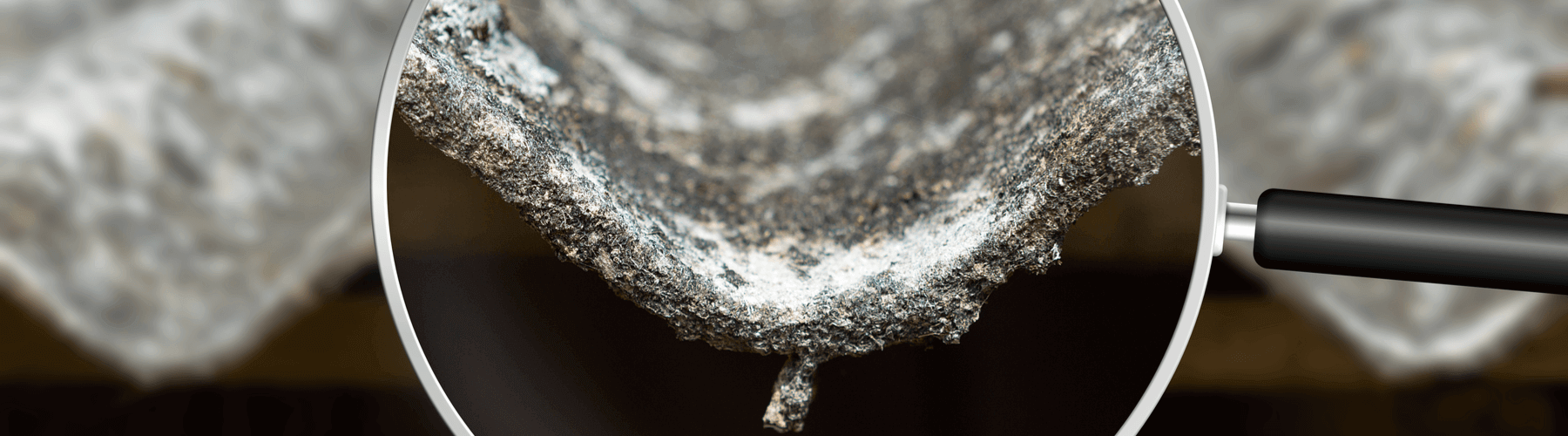
Insurance Premiums and Risk Mitigation Strategies
The insurance industry has largely moved to exclude asbestos coverage from general liability policies. This has forced companies to seek out specialized “Environmental Liability Insurance” or “Pollution Legal Liability” (PLL) policies.
The cost of these premiums is a direct reflection of the perceived risk of asbestos. For businesses operating in older facilities, these insurance costs can become a significant drag on cash flow. Strategies to mitigate these costs include proactive abatement programs and the implementation of robust Operations and Maintenance (O&M) plans. By demonstrating a proactive approach to managing asbestos, companies can often negotiate better rates, showing once again that the “use” of asbestos today is primarily a challenge of financial management and risk mitigation.
Ultimately, while asbestos is no longer the celebrated building block of the industrial world, its presence remains a powerful economic force. It dictates the terms of real estate deals, drives the strategy of multi-billion dollar legal trusts, and creates a steady demand for specialized environmental services. In the modern economy, asbestos is less a material and more a financial legacy—one that requires sophisticated analysis and strategic planning to navigate successfully.
aViewFromTheCave is a participant in the Amazon Services LLC Associates Program, an affiliate advertising program designed to provide a means for sites to earn advertising fees by advertising and linking to Amazon.com. Amazon, the Amazon logo, AmazonSupply, and the AmazonSupply logo are trademarks of Amazon.com, Inc. or its affiliates. As an Amazon Associate we earn affiliate commissions from qualifying purchases.