
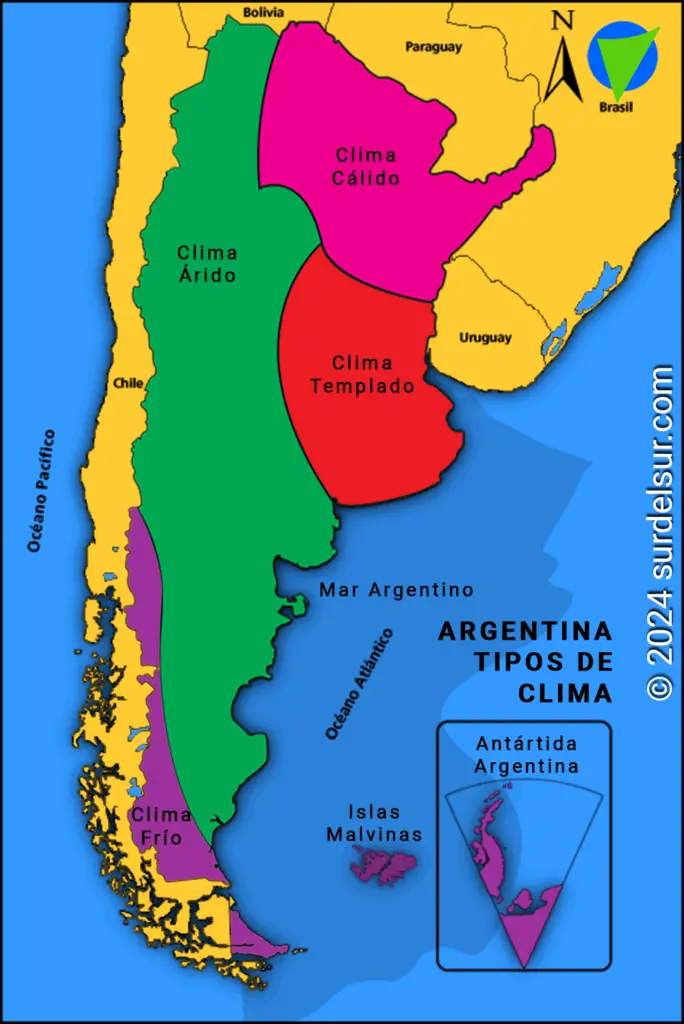
To the uninitiated, the word “climate” in the context of Argentina might conjure images of the icy winds of Patagonia or the subtropical heat of the northern rainforests. However, for the global investor, the entrepreneur, and the financial analyst, Argentina’s climate is defined by a different set of atmospheric conditions: the volatile, high-pressure, and often unpredictable economic environment. Navigating this landscape requires a sophisticated understanding of currency fluctuations, inflationary cycles, and the unique opportunities that emerge from a market that is constantly reinventing its financial identity.

Understanding Argentina’s financial climate is not merely an academic exercise; it is a prerequisite for survival in one of the world’s most complex emerging markets. From the bustling corridors of the Buenos Aires Stock Exchange (BYMA) to the remote lithium mines of the Puna, the economic climate dictates every move, offering high-risk rewards that are rarely found in more stable, developed economies.
Navigating the Macroeconomic Climate: Inflation and Currency Volatility
The most defining feature of Argentina’s economic climate is its chronic inflation and the resulting instability of the Argentine Peso (ARS). For decades, the nation has grappled with double- and triple-digit inflation rates, creating a domestic reality where prices are often adjusted monthly, if not weekly. This inflationary pressure dictates consumer behavior, corporate strategy, and investment timelines.
The Dual Exchange Rate System: A Fragmented Reality
One cannot discuss the Argentine financial climate without addressing the “cepo cambiario” (exchange controls). To protect dwindling central bank reserves, the government has historically implemented strict limits on the purchase of foreign currency. This has birthed a fragmented exchange rate system.
Investors must distinguish between the “Official Rate,” used for international trade and debt, and the various parallel rates, such as the “Dólar Blue” (the informal street rate) and the “Dólar MEP” (obtained through bond liquidations). For a business looking to enter the market, the gap between these rates—the “brecha”—is a critical metric. A wide gap signals high perceived risk and potential upcoming devaluations, whereas a narrowing gap suggests a move toward stabilization.
Inflationary Pressures and Purchasing Power
Inflation in Argentina is not just a statistical data point; it is a cultural force. With annual rates frequently exceeding 100%, the “climate” is one of constant hedging. Businesses utilize sophisticated pricing algorithms to maintain margins, and personal finance revolves around getting rid of pesos as quickly as possible. This has led to a unique “velocity of money” where consumption remains surprisingly resilient even in downturns, as citizens prefer to hold durable goods or hard assets over a depreciating local currency.
The Investment Climate: Agribusiness, Energy, and Natural Resources
Despite the macroeconomic turbulence, Argentina’s underlying “resource climate” is one of the most fertile in the world. The country’s wealth in natural resources provides a floor for its economic potential and remains the primary magnet for Foreign Direct Investment (FDI).
Farmland and the Commodity Powerhouse
The “Pampa Humeda” is the engine of Argentina’s export economy. As one of the world’s top exporters of soy, corn, and wheat, Argentina’s financial climate is heavily tethered to global commodity prices and weather patterns affecting crop yields. For the institutional investor, Argentine agribusiness offers a hedge against global food inflation. However, this sector is also the primary target for government revenue through “retenciones” (export taxes), making it a sensitive barometer for changes in fiscal policy.
Vaca Muerta and the Energy Revolution
Perhaps the most significant “front” in the current investment climate is the Vaca Muerta shale formation. Ranked as one of the world’s largest deposits of shale gas and oil, it represents Argentina’s best hope for energy self-sufficiency and becoming a major net exporter. The climate for energy investment has improved as infrastructure projects, such as the Néstor Kirchner pipeline, come online, reducing the need for costly energy imports and stabilizing the trade balance.
The Lithium Triangle: A Strategic Frontier
In the north, the climate is literally and figuratively “electrified” by the lithium industry. Part of the “Lithium Triangle” along with Chile and Bolivia, Argentina has become a global focal point for the green energy transition. Unlike some of its neighbors, Argentina has maintained a more decentralized and provincial-led approach to mining rights, which has attracted major players from the automotive and tech sectors looking to secure supply chains for EV batteries.

The Rise of Fintech and Digital Finance in a Cash-Heavy Economy
In response to the challenging traditional banking climate, Argentina has birthed one of the most vibrant fintech ecosystems in Latin America. When the local currency is volatile and traditional credit is scarce, digital innovation becomes a necessity rather than a luxury.
Crypto Adoption as a Hedge
Argentina consistently ranks among the top countries globally for cryptocurrency adoption. In this climate, stablecoins like USDT and USDC are not just speculative assets; they are used as a store of value and a medium of exchange. Many Argentine freelancers and tech workers receive their salaries in crypto or via international platforms to bypass local currency depreciation. For the financial tool developer, Argentina serves as a perfect “sandbox” for decentralized finance (DeFi) solutions that solve real-world problems of value preservation.
Neobanks and the Payment Revolution
The dominance of Mercado Pago—the fintech arm of regional giant Mercado Libre—has transformed the domestic payment climate. By providing high-yield digital accounts that allow users to earn daily interest on their balances, fintechs have provided a way for the average citizen to partially offset inflation. This “financial inclusion” movement has forced traditional banks to modernize their stacks, creating a highly competitive digital banking sector characterized by rapid iteration and high user engagement.
Business Climate and Policy Shifts: The Regulatory Framework
The “political climate” in Argentina is the ultimate driver of the financial climate. The country historically oscillates between protectionist, interventionist policies and pro-market, neoliberal reforms. Each shift brings a total revaluation of assets and a change in the rules of engagement for businesses.
Tax Structures and Labor Laws
The current corporate climate is characterized by a high tax burden and rigid labor regulations. For companies operating in Argentina, human capital is the greatest asset—due to an exceptionally high literacy rate and a surplus of tech talent—but labor liabilities are the greatest risk. Understanding the “indemnity” system and social security contributions is essential for any firm planning to scale locally.
Deregulation and the Shift Toward Markets
Recent administrative shifts have signaled a move toward “shock therapy” deregulation. This includes attempts to eliminate price controls, privatize state-owned enterprises, and simplify the tax code. For the investor, this transition period represents a “high-alpha” opportunity. If the climate shifts permanently toward a more market-oriented framework, current asset valuations in Argentina—which are often depressed compared to regional peers like Brazil or Chile—could see a massive correction to the upside.
Strategic Outlook: Risk Management for Modern Investors
Investing in Argentina’s climate requires a different psychological profile than investing in the S&P 500. It is a market that rewards agility, local knowledge, and a long-term horizon.
Portfolio Diversification Strategies
Astute investors do not put “all-in” on Argentina; rather, they use it as a high-beta component of a diversified portfolio. The correlation between Argentine assets and global markets is often low, as the country’s issues are frequently idiosyncratic. This means that when the rest of the world is stagnant, a positive political development in Buenos Aires can lead to triple-digit returns in a single fiscal year.
The “Export of Services” Model
One of the safest ways to play the Argentine climate is through the export of services. By leveraging the high-quality local talent pool—software developers, designers, and researchers—companies can operate with a peso-denominated cost base while generating dollar-denominated revenue. This “arbitrage” of the economic climate has made Argentina a global hub for the Knowledge Economy, a sector that remains resilient regardless of the local inflationary environment.
In summary, what is Argentina’s climate? It is a complex, high-energy system of financial extremes. It is an environment where the winds of inflation are tempered by the sunshine of vast natural resources and a highly resilient, tech-savvy population. For those who can read the barometers of the exchange rate and the thermometers of political change, the Argentine financial climate offers a unique and potentially lucrative frontier in the global economy.
aViewFromTheCave is a participant in the Amazon Services LLC Associates Program, an affiliate advertising program designed to provide a means for sites to earn advertising fees by advertising and linking to Amazon.com. Amazon, the Amazon logo, AmazonSupply, and the AmazonSupply logo are trademarks of Amazon.com, Inc. or its affiliates. As an Amazon Associate we earn affiliate commissions from qualifying purchases.