
The pharmaceutical industry is often viewed through the lens of high-stakes breakthroughs—oncology treatments, rare disease gene therapies, and cutting-edge vaccines. However, from a financial and market stability perspective, some of the most critical assets in any healthcare portfolio are the most common. Antipyretic medication, a category of drugs specifically designed to reduce fever, represents one of the most resilient and profitable sectors within the global consumer healthcare market. Understanding antipyretic medication requires more than a medical definition; it requires an analysis of market dynamics, supply chain economics, and the investment potential of “defensive” pharmaceutical assets.
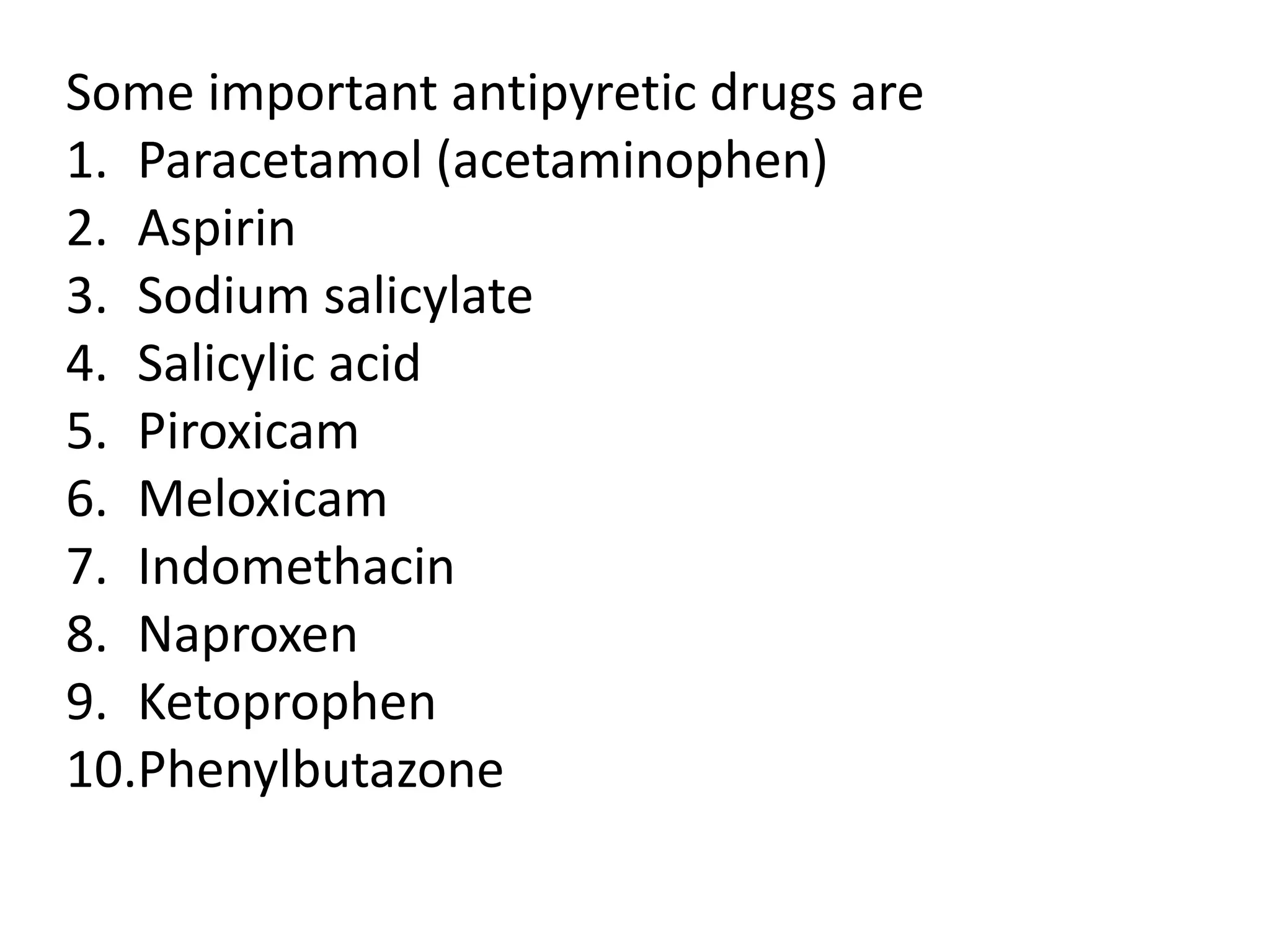
In the world of finance, antipyretics are the backbone of the Over-The-Counter (OTC) industry. These medications, primarily encompassing acetaminophen and non-steroidal anti-inflammatory drugs (NSAIDs) like ibuprofen and aspirin, serve a universal human need. Because fever is a symptom of countless viral and bacterial infections, the demand for these drugs remains inelastic. Regardless of economic downturns, consumers continue to prioritize fever management for themselves and their families, making the antipyretic niche a focal point for institutional investors and corporate strategists alike.
The Economics of the Global Antipyretic Market
To understand the financial weight of antipyretic medication, one must look at the sheer volume of global consumption. The analgesic and antipyretic market is currently valued in the tens of billions of dollars, with a compound annual growth rate (CAGR) that consistently tracks with global population growth and increasing healthcare access in emerging economies.
Revenue Streams: OTC vs. Prescription Models
The antipyretic market is bifurcated into two primary revenue streams: the high-volume Over-The-Counter sector and the higher-margin prescription (Rx) sector. The OTC market is dominated by household brands that have achieved “commodity-plus” status. In this space, profit is driven by volume and brand loyalty. For major players like Johnson & Johnson (Kenvue) or Haleon, antipyretics like Tylenol or Panadol are not just products; they are reliable cash flow engines that fund research and development in more volatile therapeutic areas.
Conversely, the prescription antipyretic market often involves intravenous (IV) formulations used in clinical and surgical settings. These products command significantly higher price points per dose compared to oral tablets. For hospital supply chains, the procurement of IV paracetamol (acetaminophen) is a major line item, representing a critical intersection between institutional budgeting and patient care efficacy.
Emerging Markets and Demographic Shifts
The growth of the antipyretic sector is increasingly tied to the “Middle Class Surge” in Southeast Asia, Latin America, and Africa. As disposable income rises in these regions, consumers transition from traditional home remedies to standardized pharmaceutical antipyretics. For investors, this represents a massive “white space” opportunity. Multinational corporations are aggressively expanding their distribution networks in these regions, often acquiring local manufacturers to bypass trade barriers and tap into regional brand recognition.
Furthermore, the aging global population contributes to the market’s stability. While fever is often associated with childhood illnesses, the elderly population requires antipyretic and anti-inflammatory support for a variety of age-related conditions. This demographic shift ensures that the “Age of the Antipyretic” is far from over, providing a long-term bullish signal for healthcare-focused equity funds.
Investing in Big Pharma “Staples”
For the savvy investor, antipyretic medications offer a unique form of “defensive growth.” During periods of high inflation or market volatility, consumer healthcare stocks—specifically those with strong antipyretic portfolios—often outperform the broader market. This is due to the “essential” nature of the product; it is one of the last items a household will cut from its budget.
The Power of Brand Equity and Pricing Power
Perhaps the most fascinating aspect of the antipyretic business is the persistence of brand power. In theory, a generic store-brand ibuprofen is chemically identical to a premium-branded version. However, the premium brand often commands a price 30% to 50% higher than the generic equivalent. This “brand moat” is a testament to the marketing prowess of consumer health giants.
From a business finance perspective, this brand equity translates into superior profit margins. Companies that can maintain their status as the “trusted” household name can pass on increased raw material costs to consumers more easily than generic manufacturers. When analyzing the financial health of a company like Haleon (the consumer health spin-off from GSK and Pfizer), the strength of their antipyretic brands is a key metric for determining their long-term valuation.
The Impact of Generic Competition and Patent Cliffs
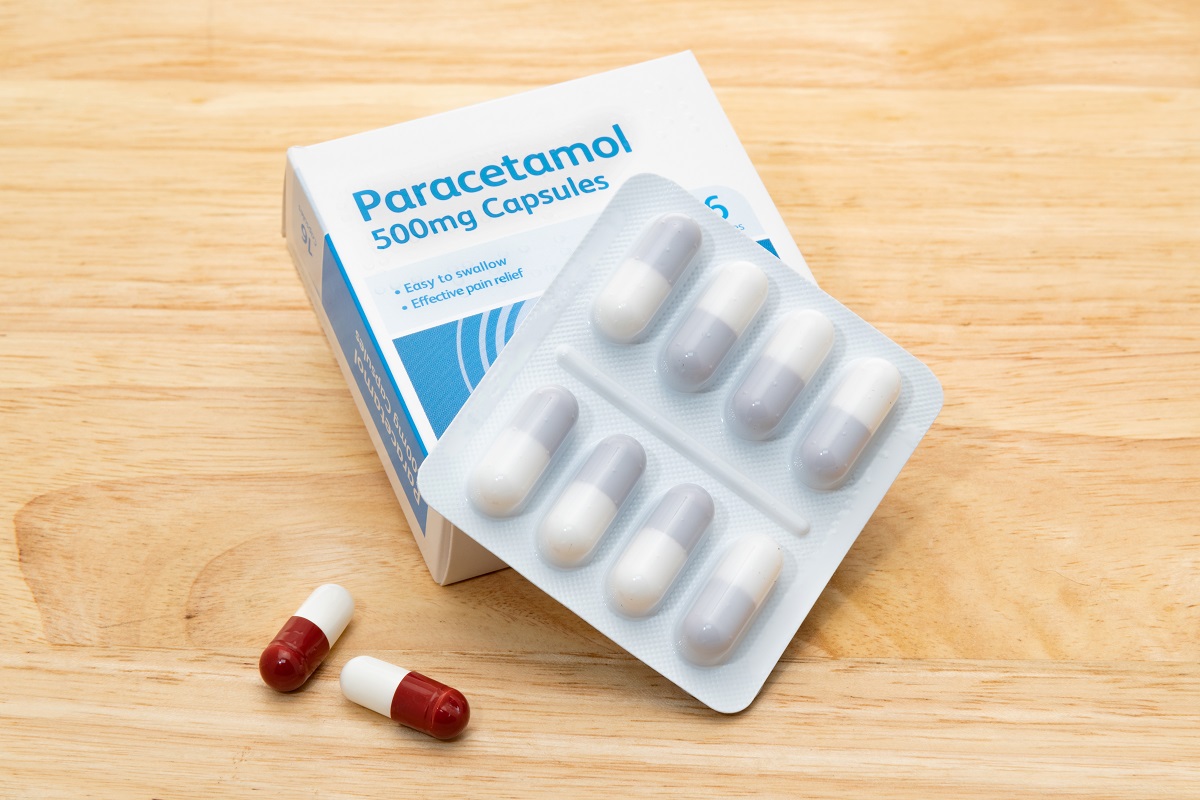
While brands are powerful, the antipyretic sector is also a battleground for generic manufacturers. Most primary antipyretic molecules have long since lost their patent protection. This has led to a highly competitive landscape where manufacturing efficiency is the primary driver of success. Companies like Teva Pharmaceuticals or Sandoz operate on high-volume, low-margin models, providing the “affordable” alternative that stabilizes the healthcare system’s overall cost.
The “patent cliff” is a common term in pharma, referring to the revenue drop when a drug loses exclusivity. However, in the antipyretic world, the cliff occurred decades ago. This makes the sector uniquely stable; there are no sudden revenue drops due to patent expirations. Instead, the risk is shifted toward supply chain disruptions and regulatory changes, which are easier to forecast and manage than the binary outcomes of clinical trials.
Supply Chain Logistics and Manufacturing Economics
The profitability of antipyretic medication is inextricably linked to the efficiency of its supply chain. Because many of these drugs are sold at low price points, the cost of Active Pharmaceutical Ingredients (APIs) and the logistics of global distribution are paramount.
API Sourcing and Geopolitical Risks
A significant portion of the world’s supply of acetaminophen and ibuprofen is manufactured in China and India. This geographic concentration creates a specific set of financial risks for western pharmaceutical companies. Disruptions in these regions—whether due to environmental regulations, geopolitical tensions, or health crises—can cause the price of raw materials to spike.
Strategic investors closely monitor the “de-risking” strategies of major pharma firms. Companies that are diversifying their API sourcing or investing in “near-shoring” (moving production closer to the end consumer) are often viewed as more resilient. The move toward vertically integrated supply chains, where a company owns everything from the chemical synthesis plant to the packaging facility, is a growing trend aimed at protecting margins in an increasingly fragmented global trade environment.
Regulatory Compliance as a Barrier to Entry
While the molecules themselves are well-known, the regulatory environment for manufacturing antipyretics is rigorous. The cost of maintaining Good Manufacturing Practice (GMP) standards acts as a significant barrier to entry for smaller competitors. For established firms, their ability to navigate FDA or EMA inspections is a competitive advantage that protects their market share. In the context of business finance, these regulatory hurdles represent a “moat” that prevents the market from being flooded by low-quality, low-cost competitors that could erode the industry’s pricing structure.
Antipyretics as a Macroeconomic Indicator
Beyond individual investment portfolios, the antipyretic market serves as an interesting macroeconomic barometer. The consumption patterns of these medications can provide insights into broader economic health and workforce productivity.
Healthcare Spending and Labor Productivity
Fever-inducing illnesses are a leading cause of absenteeism in the global workforce. The widespread availability and affordability of antipyretic medication play a crucial role in maintaining labor productivity. By allowing individuals to manage symptoms and return to work or caretaking duties more quickly, these medications provide a “hidden” subsidy to the global economy. Governments and insurers view antipyretics as cost-effective tools for reducing the burden on primary care facilities, as they allow for home-based management of minor illnesses.

The Future: Digital Health and Personalized Dosing
As we look toward the future of the healthcare economy, the antipyretic sector is not immune to digital transformation. We are seeing the rise of “Smart Fever Management” through integrated apps and wearable sensors. This represents a new frontier for monetization. Companies are no longer just selling a pill; they are selling a “health ecosystem.”
From a venture capital perspective, there is significant interest in startups that use AI to personalize antipyretic dosing based on an individual’s metabolic rate or genomic profile. While the basic chemistry of reducing a fever may not change, the business model around how these drugs are delivered, tracked, and optimized is undergoing a radical shift. This transition from “product-centric” to “data-centric” models will likely be the next great driver of value in the antipyretic market.
In conclusion, antipyretic medication is far more than a simple remedy for a fever. It is a cornerstone of the global pharmaceutical economy, a defensive anchor for investment portfolios, and a critical component of global labor productivity. For the investor or business leader, understanding this sector requires a deep appreciation for the balance between commodity economics and brand prestige. As the global population grows and healthcare becomes more integrated with technology, the antipyretic market will remain a vital, high-volume sector that continues to generate reliable returns and essential health outcomes.
aViewFromTheCave is a participant in the Amazon Services LLC Associates Program, an affiliate advertising program designed to provide a means for sites to earn advertising fees by advertising and linking to Amazon.com. Amazon, the Amazon logo, AmazonSupply, and the AmazonSupply logo are trademarks of Amazon.com, Inc. or its affiliates. As an Amazon Associate we earn affiliate commissions from qualifying purchases.