
In the current landscape of global digital communication, trust is not an inherent quality; it must be manufactured through rigorous cryptographic protocols. At the heart of this trust infrastructure lies the X.509 digital certificate. Whether you are browsing a secure website, sending an encrypted email, or connecting an IoT device to a corporate network, X.509 certificates are the silent sentinels ensuring that the parties involved are who they claim to be. Defined by the International Telecommunication Union’s Standardization Sector (ITU-T), the X.509 standard specifies the format for public key certificates and the path validation algorithms necessary to verify them.
Understanding the X.509 digital certificate requires a dive into Public Key Infrastructure (PKI), the hierarchical systems of hardware, software, and policies that govern the issuance and management of digital identities. As cyber threats become more sophisticated, the role of these certificates in maintaining data integrity, confidentiality, and authenticity has never been more critical.
The Architecture of Trust: How X.509 Certificates Work
The primary function of an X.509 certificate is to bind a public key to a specific identity—be it a person, a server, or an organization. This binding is facilitated by a Certificate Authority (CA), a trusted third party that validates the identity of the certificate requester before digitally signing the certificate.
Public Key Infrastructure (PKI)
PKI is the framework upon which X.509 operates. It utilizes asymmetric encryption, a system that employs pairs of keys: a public key, which can be distributed openly, and a private key, which must remain secret. When a sender wants to transmit data securely, they use the recipient’s public key to encrypt it. Only the recipient’s corresponding private key can decrypt that data. The X.509 certificate serves as the “ID card” that proves a specific public key actually belongs to the intended recipient, preventing “man-in-the-middle” attacks where an adversary might substitute their own public key.
The Role of Certificate Authorities (CAs)
A Certificate Authority acts as the ultimate arbiter of trust. For an X.509 certificate to be recognized by a browser or operating system, it must be signed by a CA that is already trusted by that system. This creates a “Chain of Trust.” At the top of this chain is the Root CA certificate, which is self-signed and stored in secure “trust stores” within software. Below the Root are Intermediate CAs, which issue the end-entity (leaf) certificates used by websites and applications. This hierarchical structure allows for scalability and easier management of revocations if a specific intermediate key is compromised.
Digital Signatures and Authentication
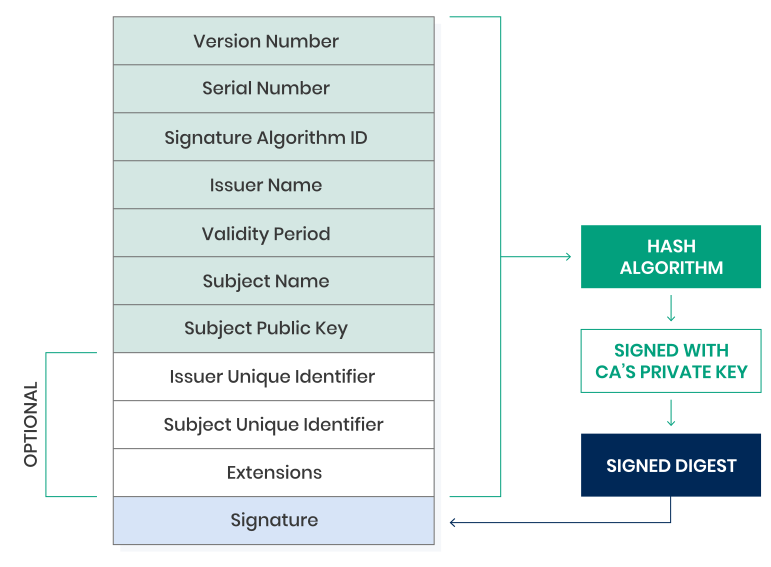
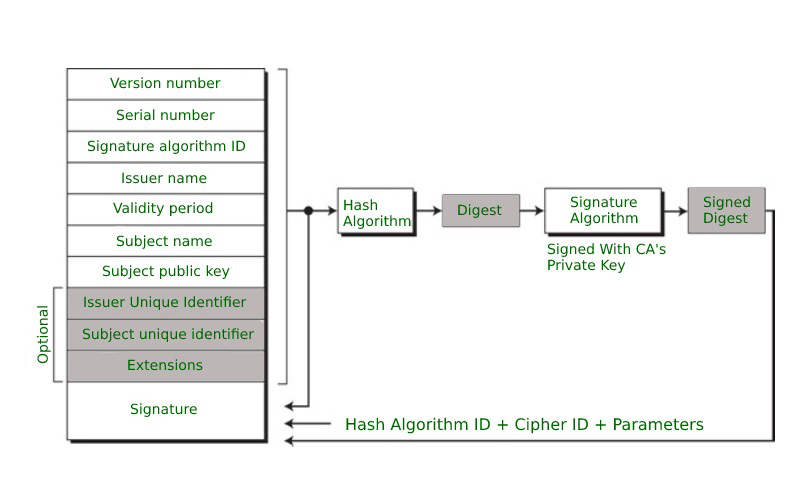
The “magic” of the X.509 certificate lies in the digital signature. When a CA issues a certificate, it creates a cryptographic hash of the certificate’s data and encrypts that hash with its own private key. Any client receiving the certificate can use the CA’s widely available public key to decrypt the hash and verify that the certificate data hasn’t been altered. This process provides non-repudiation and integrity, ensuring the certificate is authentic and its contents are untampered.
Anatomy of an X.509 Certificate: Key Components and Fields
An X.509 certificate is more than just a key; it is a structured data file containing specific fields defined by the standard. While there have been several versions, Version 3 (v3) is the current standard, as it allows for “extensions” that provide additional flexibility and security features.
Version and Serial Number
The version field identifies which version of the X.509 standard the certificate follows. The serial number is a unique identifier assigned by the CA to each certificate. It is used to track the certificate and is particularly important when checking Certificate Revocation Lists (CRLs), as it distinguishes one certificate from another issued by the same authority.
Issuer and Subject Information
The “Issuer” field identifies the CA that signed and issued the certificate. The “Subject” field identifies the entity the certificate represents. This information is typically formatted as a Distinguished Name (DN), which includes details such as the Common Name (CN)—often the domain name like www.example.com—the Organization (O), Locality (L), and Country (C). In modern web security, the “Subject Alternative Name” (SAN) extension is often used instead of the CN to allow a single certificate to secure multiple domain names or IP addresses.
Validity Period and Public Key Info
Every X.509 certificate has a defined lifespan, marked by “Not Before” and “Not After” dates. Once the “Not After” date passes, the certificate is considered expired, and clients will typically block connections to the associated service. The Public Key Info field is perhaps the most vital, as it contains the actual public key along with an identifier for the algorithm used (such as RSA, DSA, or Diffie-Hellman).
Extensions and Key Usage
Version 3 extensions allow administrators to specify how a certificate should be used. For example, the “Key Usage” field might restrict a certificate to only be used for digital signatures or for data encryption. Other extensions include “Basic Constraints,” which indicate whether a certificate belongs to a CA and can issue other certificates, and “Extended Key Usage” (EKU), which might limit a certificate to specific tasks like “Server Authentication” or “Code Signing.”
Common Use Cases and Applications in Digital Security
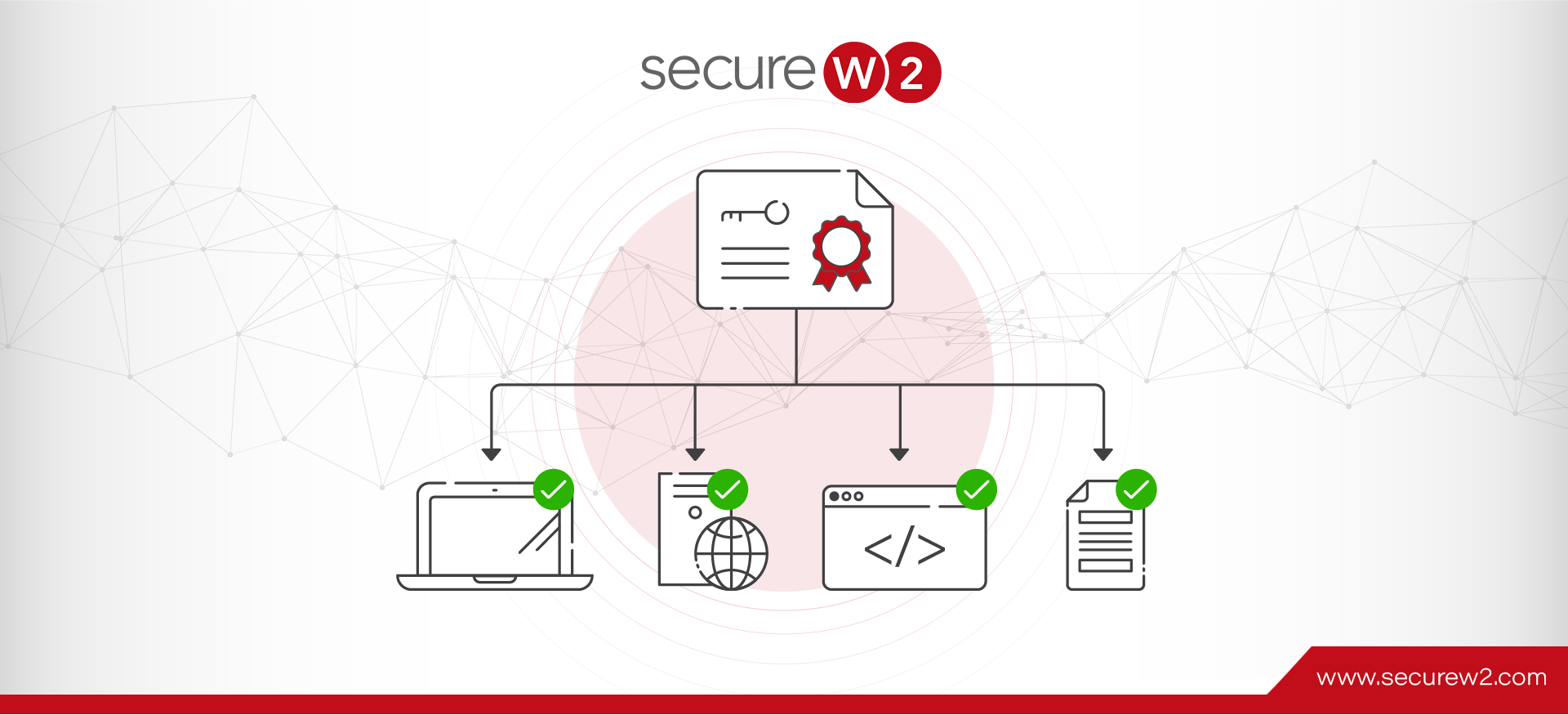
X.509 certificates are the backbone of secure digital interactions across various sectors of technology. Their versatility allows them to be adapted for a wide range of security requirements.
SSL/TLS for Web Security (HTTPS)
The most visible application of X.509 certificates is in Secure Sockets Layer (SSL) and its successor, Transport Layer Security (TLS). When you see the padlock icon in your browser’s address bar, it means the website has presented an X.509 certificate to your browser. This certificate encrypts the data flowing between your computer and the server, protecting sensitive information like passwords and credit card numbers from eavesdropping.
S/MIME for Secure Email
Secure/Multipurpose Internet Mail Extensions (S/MIME) uses X.509 certificates to provide two layers of security for email: encryption and digital signatures. By signing an email with an X.509 certificate, the sender proves their identity to the recipient. By encrypting the email with the recipient’s public key (found in their certificate), the sender ensures that only the intended recipient can read the content.
Code Signing and Document Signing
Software developers use X.509 certificates for code signing. By digitally signing an executable or application, the developer provides a guarantee that the code has not been altered by a third party since it was signed. Similarly, document signing (such as in Adobe Acrobat) uses these certificates to provide legally binding signatures on digital contracts, ensuring that the document’s integrity is preserved.
Device Identity and the Internet of Things (IoT)
As billions of devices connect to the internet, identifying those devices becomes a massive security challenge. X.509 certificates provide a solution by acting as unique digital identities for IoT devices. This allows a central server to authenticate a smart thermostat or an industrial sensor before allowing it to upload data or receive commands, preventing unauthorized devices from infiltrating a network.
The Lifecycle of an X.509 Certificate
Managing X.509 certificates is a continuous process that involves several distinct stages. Failure to properly manage this lifecycle can lead to security vulnerabilities or service outages.
Generation and CSR (Certificate Signing Request)
The process begins with the generation of a key pair on the server or device that needs the certificate. Once the keys are generated, the entity creates a Certificate Signing Request (CSR). This CSR contains the public key and the identifying information (Subject DN) that the entity wants included in the certificate. The CSR is then sent to the CA for validation.
Validation and Issuance
Before issuing the certificate, the CA must verify the identity of the requester. This can range from simple Domain Validation (DV), where the CA checks if the requester controls the domain, to Extended Validation (EV), where the CA performs a deep dive into the legal existence and physical location of the organization. Once validated, the CA signs the certificate and returns it to the requester.
Revocation and Monitoring
Sometimes a certificate must be invalidated before its expiry date—for example, if the private key is stolen or if the employee associated with the certificate leaves the company. This is called revocation. CAs manage this through Certificate Revocation Lists (CRLs) or the Online Certificate Status Protocol (OCSP), which allows clients to check the status of a certificate in real-time. Automated monitoring tools are also essential to alert administrators when certificates are nearing expiration, preventing the “expired certificate” errors that can take entire websites offline.
Why X.509 Remains the Gold Standard for Digital Security
Despite being decades old, the X.509 standard remains the industry benchmark due to its adaptability. As cryptographic needs evolve, X.509 has been able to incorporate stronger algorithms and more complex extension logic.
The tech industry is currently looking toward “Post-Quantum Cryptography” (PQC), as future quantum computers could theoretically break the RSA and ECC algorithms used in today’s X.509 certificates. The standard’s flexibility ensures that it will likely be able to accommodate new, quantum-resistant public key formats when they become necessary. Furthermore, the rise of automation protocols like ACME (Automated Certificate Management Environment) has streamlined the issuance and renewal process, making it easier than ever for developers to implement high-level security.
X.509 digital certificates are the foundation of the modern internet’s security architecture. By providing a standardized way to verify identities and exchange public keys, they enable the trust required for a global, interconnected digital economy. From the smallest IoT sensor to the largest enterprise cloud, the X.509 standard ensures that our digital world remains secure, private, and authenticated.
aViewFromTheCave is a participant in the Amazon Services LLC Associates Program, an affiliate advertising program designed to provide a means for sites to earn advertising fees by advertising and linking to Amazon.com. Amazon, the Amazon logo, AmazonSupply, and the AmazonSupply logo are trademarks of Amazon.com, Inc. or its affiliates. As an Amazon Associate we earn affiliate commissions from qualifying purchases.