
In the landscape of personal finance, travel often represents one of the largest variable expenses for households and professionals alike. Whether you are a frequent commuter or an occasional traveler, understanding the mechanics of rail fare structures is essential for maintaining a healthy budget. Among the various options available, the “Off-Peak Return” stands out as one of the most flexible and cost-effective tools for the savvy traveler.
An Off-Peak Return is a specific type of rail ticket designed to incentivize travel during times when the network is less congested. By opting out of the traditional morning and evening “rush hours,” travelers can unlock significantly lower price points without sacrificing the flexibility of an open return date. From a financial perspective, mastering the use of these tickets is less about transport and more about strategic expenditure management.
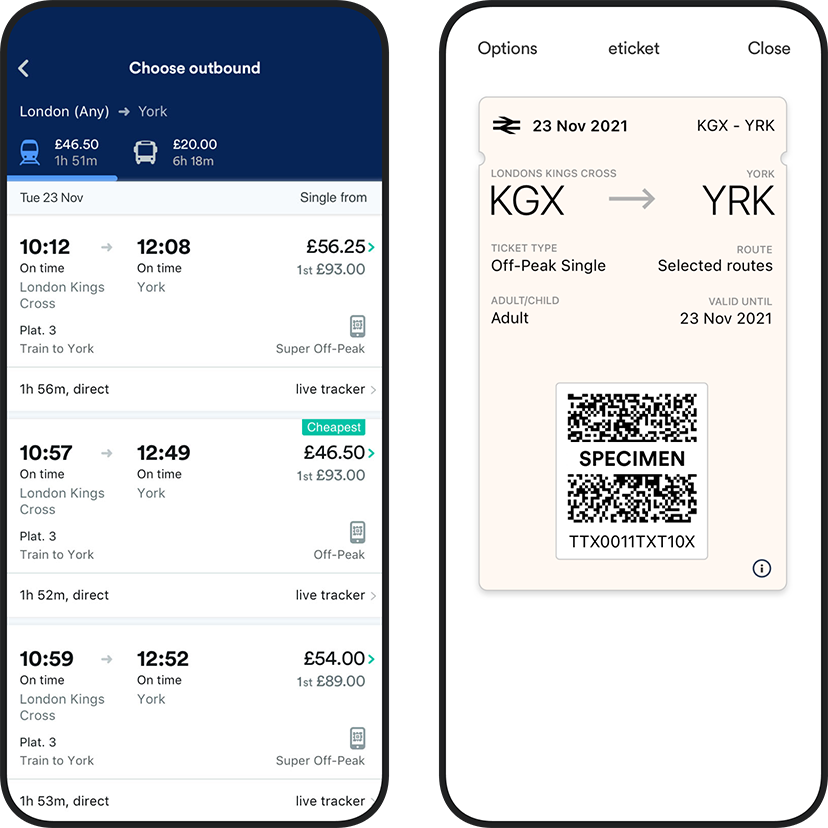
The Financial Mechanics of Off-Peak Pricing
The core of the Off-Peak Return lies in the principle of yield management—a pricing strategy used by transport providers to balance supply and demand. During peak hours, demand is inelastic; commuters must travel to work regardless of the cost. Consequently, “Anytime” tickets are priced at a premium. Off-Peak tickets, however, target the elastic segment of the market—those who have the flexibility to travel later in the day in exchange for a lower price.
The Cost-Benefit Ratio
When evaluating whether to purchase an Off-Peak Return, the primary consideration is the cost-benefit ratio between time and money. On many major routes, an Off-Peak Return can be 30% to 50% cheaper than an “Anytime” equivalent. For a professional or freelancer traveling for a meeting, this price delta represents a direct improvement to the bottom line of a project or a significant saving in personal disposable income.
Validity and Liquidity
In financial terms, we can view an Off-Peak Return as a more “liquid” asset than an “Advance” ticket. While Advance tickets are often the cheapest option, they tie the traveler to a specific train at a specific time. If a meeting runs over or a plan changes, the ticket loses its value entirely. An Off-Peak Return, however, allows the traveler to return on any off-peak train within a specific window (usually one calendar month). This flexibility provides a safety net, ensuring that you do not have to repurchase a full-priced ticket due to scheduling fluctuations.
Super Off-Peak: The Deep Discount Tier
For those with maximum flexibility, many operators offer a “Super Off-Peak” tier. These are priced even lower than standard Off-Peak tickets but come with stricter time constraints, often restricted to the middle of the day or specific weekend windows. For budget-conscious travelers or students, the Super Off-Peak Return represents the absolute floor for flexible travel pricing, offering the highest possible ROI on travel spend.
Understanding the Rules for Maximum ROI
To maximize the financial utility of an Off-Peak Return, one must navigate the specific regulations that govern its use. Misunderstanding these rules can lead to “fare overrides” or fines, which negate any initial savings.
Time Restrictions and Peak Windows
The definition of “Off-Peak” is not universal; it varies by the train operating company, the route, and the day of the week. Generally, peak times fall between 06:30 and 09:30 and 15:30 and 18:30 on weekdays. However, many long-distance routes have different easements.
From a financial planning perspective, it is vital to check the specific “restriction code” associated with your ticket. These codes dictate exactly when you can and cannot travel. Planning your journey just ten minutes outside of a peak window can result in substantial savings, effectively giving you a high “hourly rate” for the time you spent waiting for the cheaper window to open.
Outward vs. Return Journey Flexibility
One of the most misunderstood aspects of the Off-Peak Return is the difference between the “Day Return” and the standard “Return.”
- Off-Peak Day Return: Both the outward and return journeys must be completed on the same calendar day.
- Off-Peak Return: The outward journey must be made on the date shown on the ticket (or sometimes within two days), but the return journey is valid for travel on any day within one calendar month.
For those planning multi-day trips, the one-month validity of the standard Off-Peak Return is a major financial advantage. It eliminates the need to book two separate “single” tickets, which are often priced higher than the return portion of a round-trip ticket.
The Geography of Savings
The financial benefits of Off-Peak tickets also depend on the direction of travel. In many regions, “inbound” travel toward major hubs like London is restricted in the mornings, while “outbound” travel is restricted in the evenings. Understanding the flow of commuters allows a traveler to “counter-commute” during peak hours while still using an Off-Peak ticket, provided the specific route allows it.

Strategic Financial Planning: When to Choose an Off-Peak Return
Budgeting for travel requires a nuanced approach to ticket selection. The Off-Peak Return is not always the best choice, but it is frequently the most balanced choice for those who value both their time and their capital.
Comparing Advance, Off-Peak, and Anytime Fares
To make an informed financial decision, you should compare the three primary tiers:
- Advance Tickets: Best for fixed schedules. Lowest price, zero flexibility.
- Off-Peak Return: Best for semi-flexible schedules. Moderate price, high flexibility within time windows.
- Anytime Tickets: Best for absolute necessity. Highest price, total flexibility.
The “sweet spot” for most travelers is the Off-Peak Return. It offers a significant discount over the Anytime fare while maintaining the ability to change return plans—a common necessity in both business and leisure travel.
Compounding Savings with Railcards
The financial efficiency of an Off-Peak Return is exponentially increased when paired with a Railcard. Most Railcards (such as the 16-25, 26-30, or Senior Railcard) offer a 1/3 discount on Off-Peak fares.
When you apply a 33% discount to an already reduced Off-Peak price, the savings become substantial. For example, a journey that costs £100 at an “Anytime” rate might cost £60 as an “Off-Peak Return,” and only £39.60 with a Railcard. In this scenario, the traveler has saved over 60% of the original cost simply by understanding the intersection of timing and discount eligibility.
Business Travel and Tax Efficiency
For small business owners and freelancers, travel is a tax-deductible expense. However, this does not mean cost is irrelevant. Reducing travel expenses increases the net profit of the business. By scheduling client meetings to start after 10:30 AM, a business owner can utilize Off-Peak Returns, reducing their overhead and improving their margins. Furthermore, the one-month return validity is excellent for business consultants who may stay on-site with a client for an indeterminate number of days.
Advanced Tactics for the Savvy Investor
Beyond the basic purchase of a ticket, there are advanced ways to leverage the Off-Peak system to ensure your travel budget goes further.
Split Ticketing and Off-Peak Windows
“Split ticketing” is a popular technique where a traveler buys multiple tickets for different segments of a single journey to save money. This can be combined with Off-Peak timing for maximum effect. For instance, if the first part of your journey is during peak hours but the second part is not, splitting your ticket at the station where the time window changes can result in lower total costs than buying a single through-ticket.
Refunds and Cancellations
From a risk management perspective, Off-Peak Returns offer better terms than Advance tickets. Most Off-Peak tickets are refundable (minus a small administrative fee) if you decide not to travel. This “option value” is a critical component of financial planning; it ensures that your capital isn’t locked into a service you might not use.
The Impact of Delays on Your Return
If your Off-Peak journey is delayed, you are often eligible for “Delay Repay” compensation. This is calculated based on the price of the ticket. Because an Off-Peak Return covers two legs of a journey, the compensation for a delay on one leg is usually calculated as 50% of the total return fare (or 100% of the single leg value). Understanding these consumer rights ensures that you are financially protected against service failures.
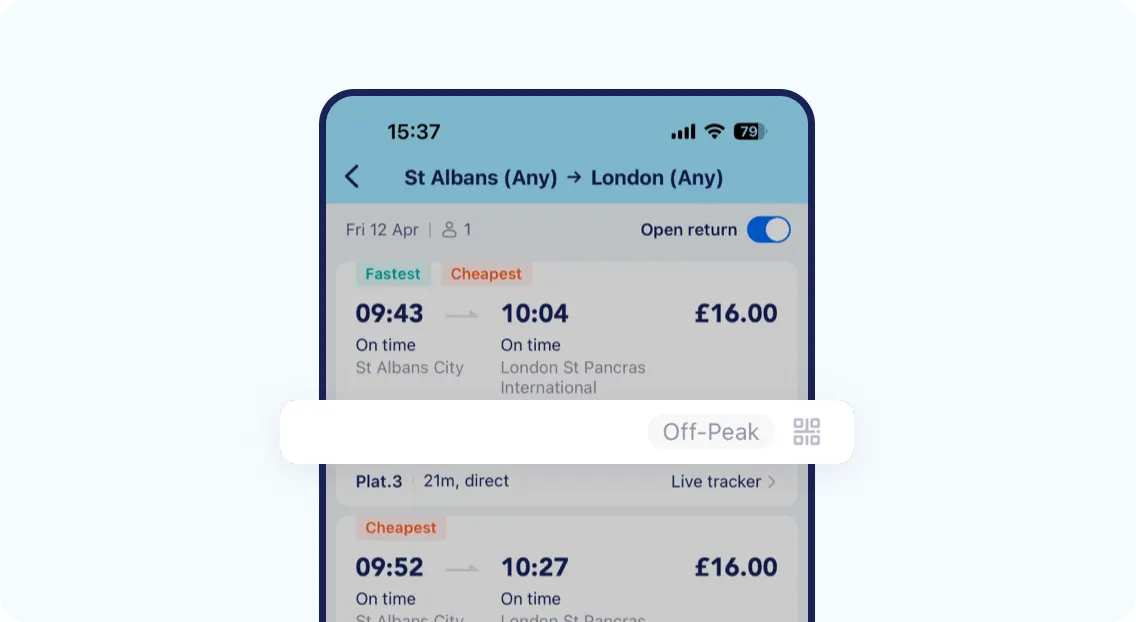
Conclusion: Travel as a Financial Discipline
In conclusion, an Off-Peak Return is far more than a simple permit to board a train; it is a strategic asset for anyone looking to optimize their personal or business finances. It represents a compromise between the rigidity of Advance tickets and the exorbitant costs of Anytime fares.
By mastering the timing restrictions, leveraging Railcard discounts, and understanding the one-month validity window, travelers can significantly reduce their annual transport expenditure. In the broader context of financial wellness, these savings can be redirected toward investments, emergency funds, or other high-value goals. Smart travel is, ultimately, a form of smart investing—paying less for the same destination and keeping the difference in your pocket.
aViewFromTheCave is a participant in the Amazon Services LLC Associates Program, an affiliate advertising program designed to provide a means for sites to earn advertising fees by advertising and linking to Amazon.com. Amazon, the Amazon logo, AmazonSupply, and the AmazonSupply logo are trademarks of Amazon.com, Inc. or its affiliates. As an Amazon Associate we earn affiliate commissions from qualifying purchases.