
In the realm of finance, the word “allocated” refers to the deliberate distribution of financial resources—whether they are personal savings, investment capital, or corporate earnings—among various assets, projects, or departments. The goal of allocation is not merely to spend or store money, but to deploy it in a way that balances risk against potential reward. Whether you are an individual investor looking to build a retirement nest egg or a CFO managing a multinational corporation’s balance sheet, understanding what is being allocated and why is the fundamental cornerstone of financial success.
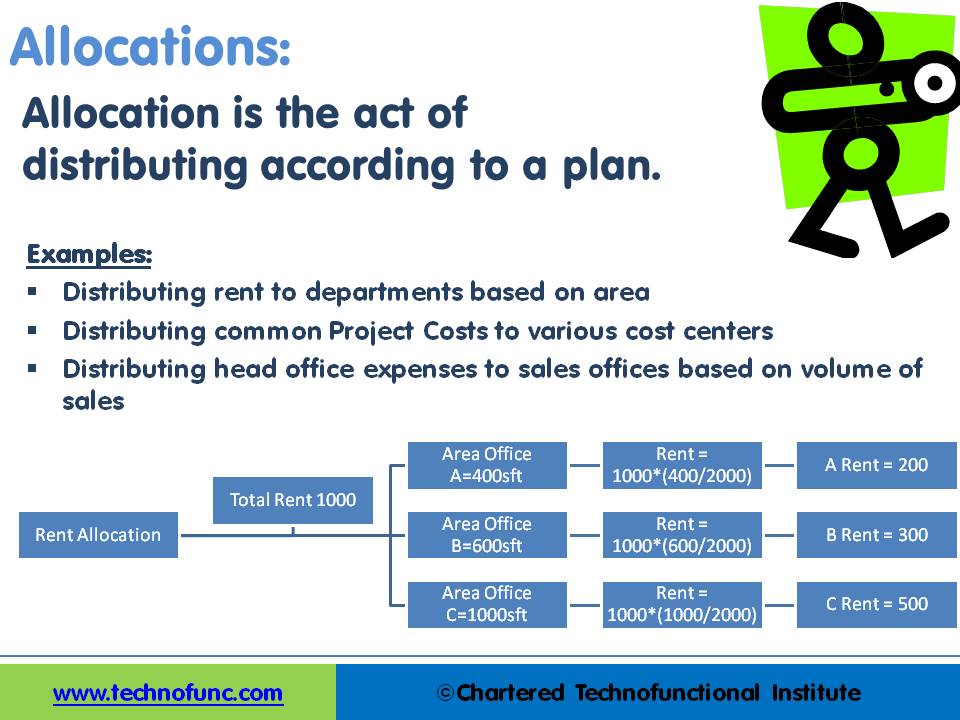
Strategic allocation is often cited as the single most important factor in determining long-term investment performance, far outweighing individual stock selection or market timing. It is the process of deciding how to divide a portfolio among different asset categories, such as stocks, bonds, and cash. This article explores the depths of allocation within the financial niche, covering its various forms, methodologies, and the critical role it plays in wealth preservation and growth.
The Foundations of Asset Allocation in Personal Finance
Asset allocation is the primary tool used by investors to manage the inherent trade-off between risk and return. By spreading investments across various asset classes that do not move in perfect correlation with one another, an investor can potentially reduce the volatility of their portfolio without necessarily sacrificing long-term returns.
Defining Risk Tolerance and Time Horizons
Before any capital is allocated, an investor must define their risk tolerance and time horizon. Risk tolerance is an emotional and financial measure of how much market volatility an individual can withstand before making a panicked decision. Time horizon refers to the duration an investor expects to hold an investment before needing the funds.
A young professional with a thirty-year horizon until retirement has a high capacity for risk; they can allocate a larger percentage of their wealth to equities, which are volatile in the short term but offer higher historical returns. Conversely, someone approaching retirement must shift their allocation toward more stable assets to ensure capital preservation.
The Principle of Diversification
Diversification is the practical application of allocation. It is the strategy of “not putting all your eggs in one basket.” When a portfolio is properly allocated, the losses in one sector (for example, technology stocks) may be offset by gains in another (such as gold or utility bonds). Diversification works because different asset classes react differently to economic events. Inflation might hurt long-term bonds but benefit real estate or commodities. A robust allocation strategy anticipates these shifts and ensures the portfolio remains resilient across various economic cycles.
Modern Portfolio Theory (MPT)
Developed by Harry Markowitz, Modern Portfolio Theory provides a mathematical framework for allocation. It suggests that it is possible to construct an “efficient frontier” of optimal portfolios that offer the maximum possible expected return for a given level of risk. MPT emphasizes that an investment’s risk and return should not be viewed in isolation but by how it contributes to the overall portfolio’s risk and return.
Core Components of an Allocated Portfolio
To understand what is being allocated, one must look at the specific vehicles used to build a diversified portfolio. Each asset class serves a unique purpose, acting as either a growth engine, a stabilizer, or an inflationary hedge.
Equities: The Growth Engine
Equities, or stocks, represent ownership in a company. In a growth-oriented allocation, equities usually comprise the largest portion of the portfolio. They are divided into sub-categories:
- Large-Cap vs. Small-Cap: Large, established companies offer stability, while smaller companies offer higher growth potential at higher risk.
- Domestic vs. International: Allocating to foreign markets provides exposure to different economic growth rates and currency fluctuations.
- Sector Allocation: This involves choosing between industries like healthcare, energy, or consumer staples to capture specific economic trends.
Fixed Income: The Stabilizer
Fixed-income assets, such as government and corporate bonds, are allocated to provide a steady stream of income and to act as a cushion during stock market downturns. Bonds are generally less volatile than stocks and have a different risk profile. When interest rates rise, bond prices typically fall, making the management of “duration” (interest rate sensitivity) a key part of the allocation process.
Alternatives and Commodities
In recent years, the definition of what is allocated has expanded to include alternative investments. These include real estate (REITs), private equity, hedge funds, and physical commodities like gold or oil. Alternatives are prized for their low correlation with traditional stocks and bonds, providing an extra layer of protection during systemic market failures.
Cash and Cash Equivalents
While often overlooked, cash—in the form of money market funds, certificates of deposit (CDs), or T-bills—is a vital part of allocation. It provides liquidity for emergencies and “dry powder” to take advantage of buying opportunities when markets decline.
Strategic vs. Tactical Asset Allocation
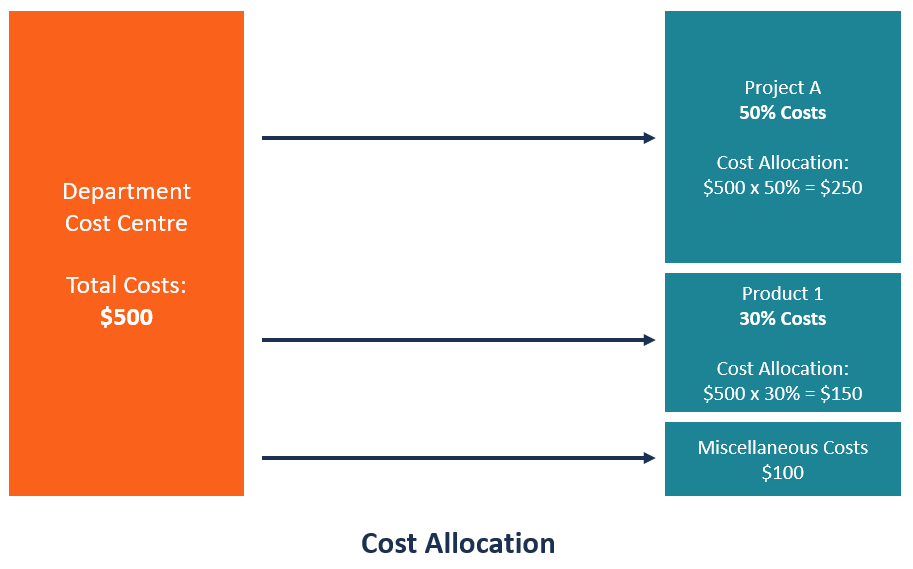
Once the components are understood, the investor must decide on the methodology of distribution. There are two primary schools of thought: Strategic Asset Allocation (SAA) and Tactical Asset Allocation (TAA).
Strategic Asset Allocation: The Long-Term Anchor
Strategic allocation is a “set and forget” approach, though it requires periodic maintenance. An investor sets target percentages for various asset classes based on their long-term goals and sticks to them regardless of market conditions. For example, a “60/40” portfolio (60% stocks, 40% bonds) is a classic strategic allocation. The primary benefit of this approach is that it prevents emotional decision-making and ensures that the investor remains disciplined during both bull and bear markets.
Tactical Asset Allocation: Capturing Short-Term Opportunities
Tactical allocation is a more active strategy. It allows for temporary deviations from the strategic mix to capitalize on unusual market conditions or economic trends. If an investor believes that the energy sector is significantly undervalued, they might tactically increase their allocation to energy stocks for six months, while intending to return to their strategic baseline later. While TAA offers the potential for “alpha” (excess returns), it also introduces higher costs and the risk of being wrong.
The Necessity of Rebalancing
Regardless of the strategy, rebalancing is the mechanism that keeps an allocation on track. Over time, high-performing assets will grow to represent a larger percentage of the portfolio than intended, while underperforming assets will shrink. Rebalancing involves selling a portion of the winners and buying more of the losers to return to the original target allocation. This forced “sell high, buy low” discipline is one of the most effective ways to manage risk over the long term.
Capital Allocation in Corporate Finance
While asset allocation focuses on the individual, capital allocation is the equivalent process within a business. It is the process by which a company’s leadership decides how to distribute its financial resources to generate the highest possible return for shareholders.
Investing in Growth (Capital Expenditures)
A primary way companies allocate capital is through Capital Expenditures (CapEx). This involves investing in new machinery, technology, or facilities that will improve efficiency or expand production capacity. For a tech company, this might mean allocating billions to Research and Development (R&D) to stay ahead of the competition.
Mergers and Acquisitions (M&A)
Companies often allocate capital toward acquiring other businesses. This can be a shortcut to entering a new market, acquiring new technology, or eliminating a competitor. However, M&A is high-risk; if the price paid is too high or the integration fails, the allocated capital is essentially wasted.
Returning Capital to Shareholders
When a company generates more cash than it can profitably reinvest in its own operations, it must decide how to return that value to shareholders. This is done through:
- Dividends: Regular cash payments that provide investors with immediate income.
- Share Buybacks: Reducing the number of outstanding shares, which increases the ownership stake and earnings-per-share for the remaining shareholders.
Debt Repayment
In a high-interest-rate environment, one of the most effective ways to allocate capital is to pay down corporate debt. Reducing interest expenses improves the company’s bottom line and strengthens its balance sheet, making it more resilient during economic downturns.
Common Allocation Mistakes to Avoid
Even with a clear understanding of what is being allocated, many investors and business leaders fall into common traps that erode their financial health.
Over-Concentration and Home Bias
A common mistake is “home bias,” where an investor allocates the vast majority of their wealth to their domestic market, ignoring the growth potential of international economies. Similarly, over-concentration in a single stock—often a person’s employer—can lead to financial ruin if that specific company fails.
Chasing Past Performance
Many people allocate funds based on what did well last year. This is known as “performance chasing.” By the time an asset class becomes a headline-grabbing success, it is often overvalued. True strategic allocation requires buying assets when they are out of favor and holding them through the cycle.
Ignoring Inflation and Taxes
A portfolio might look well-allocated on paper, but if it doesn’t account for the eroding power of inflation and the impact of capital gains taxes, the “real” return may be negative. Efficient allocation must consider the “tax-drag” and ensure that assets are placed in the correct accounts (e.g., placing high-dividend stocks in tax-advantaged retirement accounts).

Underestimating the Importance of Liquidity
Being “fully invested” sounds productive, but failing to allocate enough to liquid assets can force an investor to sell long-term holdings at a loss during a personal financial crisis. Maintaining a “cash buffer” is an essential, albeit low-yield, part of any sophisticated allocation strategy.
The concept of “what is allocated” serves as the bridge between having money and growing wealth. Whether it is the distribution of assets in a 401(k) or the deployment of capital in a Fortune 500 company, the principles remain the same: assess risk, maintain discipline, and focus on the long term. By mastering the art of allocation, one transforms a collection of disparate financial holdings into a cohesive, goal-oriented strategy designed to withstand the uncertainties of the global market.
aViewFromTheCave is a participant in the Amazon Services LLC Associates Program, an affiliate advertising program designed to provide a means for sites to earn advertising fees by advertising and linking to Amazon.com. Amazon, the Amazon logo, AmazonSupply, and the AmazonSupply logo are trademarks of Amazon.com, Inc. or its affiliates. As an Amazon Associate we earn affiliate commissions from qualifying purchases.