
In the rapidly evolving landscape of medical technology, few brands have remained as consistent and influential as Accu-Chek. At its core, Accu-Chek is a comprehensive suite of blood glucose monitoring systems developed by Roche Diabetes Care. However, to view it merely as a collection of medical devices is to overlook the sophisticated integration of hardware engineering, software development, and data analytics that defines the brand today. In an era where “Health-Tech” is moving toward the Internet of Medical Things (IoMT), Accu-Chek represents a bridge between traditional clinical monitoring and the personalized, data-driven future of chronic disease management.
Understanding what Accu-Chek is requires a deep dive into the technology that powers its meters, the software that interprets patient data, and the digital ecosystem that connects patients with healthcare providers.
The Hardware Ecosystem: Precision Engineering in Glucose Monitoring
The foundation of the Accu-Chek brand lies in its hardware—a variety of blood glucose meters (BGMs) designed to provide lab-quality accuracy in a handheld format. These devices are marvels of micro-electronics and electrochemical sensing.
Meter Technology and Electrochemical Sensors
The modern Accu-Chek meter, such as the Accu-Chek Guide or Accu-Chek Instant, utilizes advanced biosensor technology. When a blood sample is applied to a test strip, an enzymatic reaction occurs. This reaction generates a small electrical current proportional to the amount of glucose in the blood. The meter’s internal processor then measures this current and converts it into a digital reading.
What distinguishes Accu-Chek in the tech space is the precision of its algorithms. These meters must account for variables like hematocrit levels and ambient temperature, which can interfere with readings. The firmware within an Accu-Chek device is programmed to filter out “noise” and provide a reading that meets ISO 15197:2013 standards—ensuring that 95% of results are within a very narrow margin of error compared to a laboratory reference.
The Guide, Instant, and Active Series
The product lineup reflects different technological priorities:
- Accu-Chek Guide: Designed for high-frequency users, this device features a spill-resistant vial and a light-up strip port for testing in low-light conditions. From a UI/UX perspective, it offers the most intuitive on-screen navigation within the lineup.
- Accu-Chek Instant: This model focuses on simplicity and visual cues. It utilizes a Target Range Indicator (a color-coded scale) to provide immediate feedback on whether a user’s glucose levels are high, low, or within range.
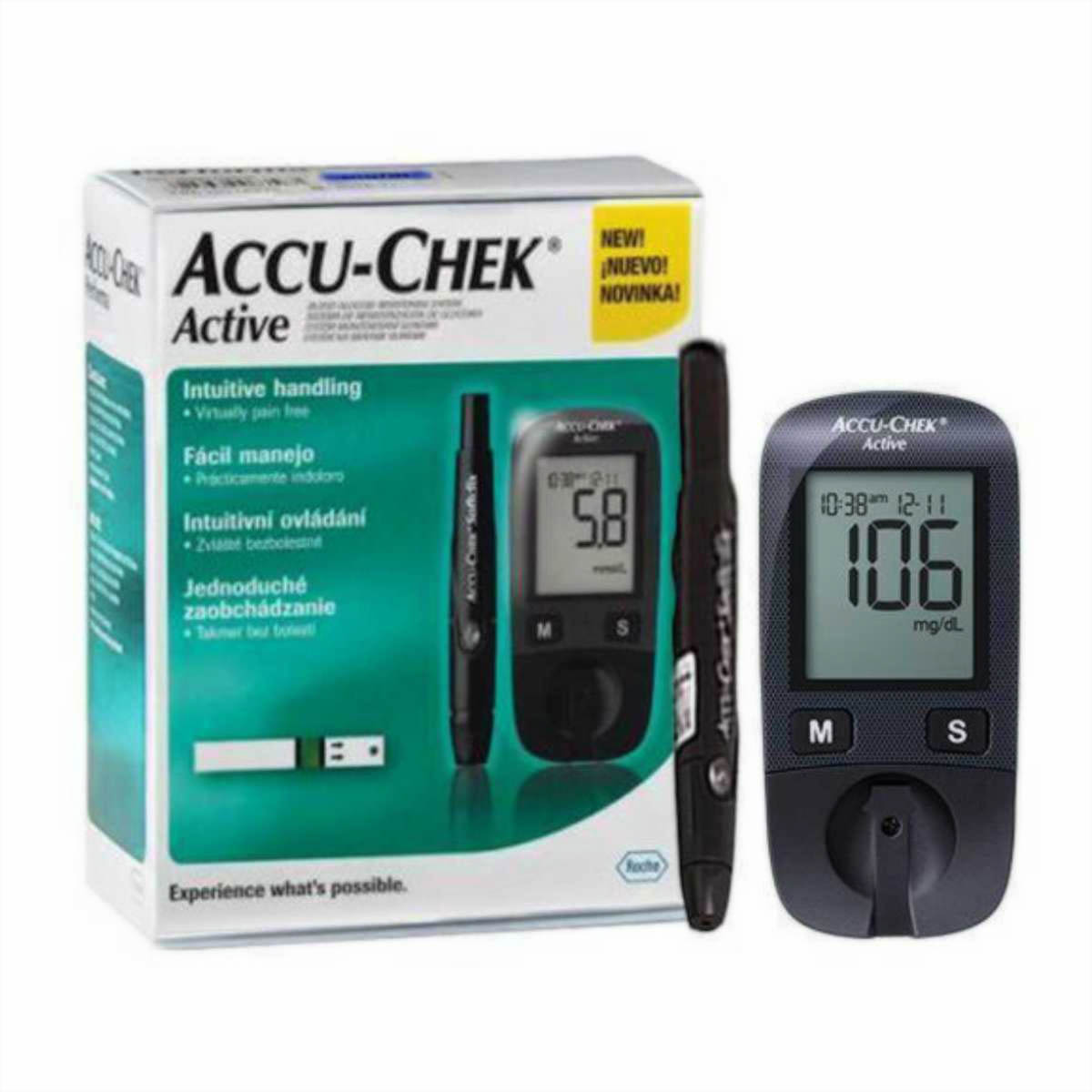
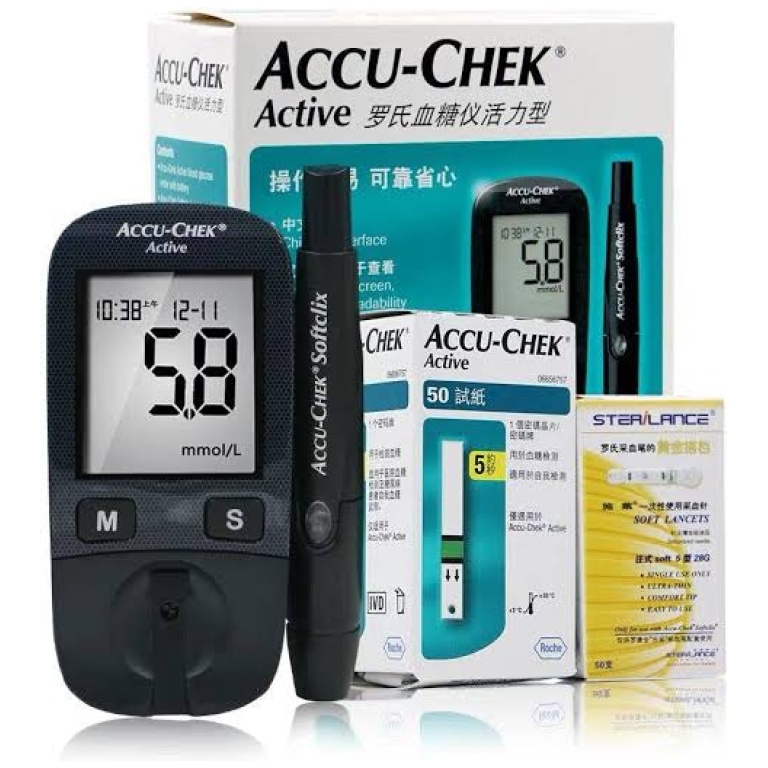
- Accu-Chek Active: Known for its robustness, this series is often used in clinical settings. It allows for “out-of-meter” dosing, which is a technical advantage for healthcare professionals managing multiple patients.
Lancing Devices: Minimizing Trauma through Micro-Engineering
A critical but often overlooked piece of the Accu-Chek tech stack is the lancing device, specifically the FastClix and Softclix series. These tools use high-speed, precision-guided motion to minimize the side-to-side vibration of the needle. This reduces skin tearing and makes the sampling process virtually painless. This focus on “haptics” and physical engineering is essential for user compliance in long-term health management.
Digital Integration: The Software and Connectivity Revolution
While the hardware provides the data, the software ecosystem is where that data becomes actionable. Accu-Chek has transitioned from being a standalone hardware manufacturer to a digital health platform provider.
Bluetooth Connectivity and Real-Time Data Syncing
Most modern Accu-Chek devices are equipped with Bluetooth Low Energy (BLE). This allows the meter to act as a peripheral device that automatically pushes data to a smartphone. This eliminates the need for manual logging, which has historically been a significant point of friction in diabetes management. The “always-on” connectivity ensures that a user’s digital logbook is updated in real-time, providing a continuous stream of data rather than isolated snapshots.
The MySugr App: Gamification and UX Design
In 2017, Roche acquired the MySugr app, integrating it deeply into the Accu-Chek ecosystem. MySugr is one of the most successful examples of health-tech gamification. The app features a “diabetes monster” that users must “tame” by logging data and keeping their blood sugar in range.

Beyond the visuals, the app serves as a sophisticated data visualization tool. It calculates estimated HbA1c (a long-term blood sugar average) and generates clear PDF reports for doctors. The app uses an API to pull data not just from Accu-Chek meters, but also from fitness trackers and Apple Health, creating a holistic view of how exercise and diet correlate with glucose levels.
Cloud-Based Reporting for Clinical Insights
For healthcare providers, the Accu-Chek ecosystem extends to the RocheDiabetes Care Platform. This is a cloud-based solution that aggregates data from thousands of patients. Through advanced data analytics, clinicians can identify patterns—such as a specific time of day when a patient consistently trends toward hypoglycemia—that would be impossible to spot in a traditional paper logbook. This shift toward “Telehealth” and remote monitoring is a hallmark of the modern Accu-Chek experience.
Impact on Personalized Medicine and Data Security
As Accu-Chek becomes more integrated into the digital lives of users, the brand has had to address the challenges of personalized medicine and cybersecurity.
Predictive Analytics in Glycemic Control
The next frontier for Accu-Chek technology is predictive analytics. By analyzing historical data stored in the cloud, future iterations of their software aim to predict glucose fluctuations before they happen. For example, if a user’s data shows that every Tuesday after a gym session their blood sugar drops significantly, the software can proactively alert the user to consume carbohydrates or adjust medication. This transition from reactive to proactive care is a significant trend in the broader health-tech industry.
Cybersecurity in Medical IoT
With the rise of connected medical devices comes the risk of data breaches. Accu-Chek utilizes industry-standard encryption for data transmission between the meter and the smartphone. Furthermore, the cloud storage platforms used by Roche are designed to be compliant with regulations like HIPAA (Health Insurance Portability and Accountability Act) in the US and GDPR (General Data Protection Regulation) in Europe. Ensuring that sensitive biometric data is secure while remaining accessible to the user and their medical team is a core technical challenge that the brand continues to refine.
The Role of AI in Glucose Pattern Recognition
Artificial Intelligence is increasingly being used behind the scenes in the Accu-Chek ecosystem. AI algorithms can sort through months of glucose readings to find “correlative patterns.” For instance, an AI might notice that a patient’s glucose levels stabilize more effectively when their step count exceeds 5,000 per day. This level of insight allows for a “Digital Twin” approach to medicine, where a digital model of the patient’s health helps inform real-world decisions.
The Future of Health-Tech: Continuous Monitoring and Beyond
The definition of “what Accu-Chek is” continues to expand as the technology shifts from Blood Glucose Monitoring (BGM) to Continuous Glucose Monitoring (CGM).
CGM vs. BGM Technologies
While BGM (finger-prick testing) remains the gold standard for accuracy and calibration, the tech world is moving toward CGM sensors that sit under the skin and provide readings every few minutes. Accu-Chek has invested heavily in integrating its ecosystem with these sensors. The goal is to create a “closed-loop” system, often referred to as an artificial pancreas, where a CGM sensor talks to an insulin pump, and the Accu-Chek software acts as the brain managing the communication.
Integrating with Wearables
The interoperability of Accu-Chek data with devices like the Apple Watch, Fitbit, and Garmin is a major area of growth. By allowing glucose readings to appear on a smartwatch face alongside heart rate and sleep data, Accu-Chek is de-medicalizing the experience. It transforms a clinical necessity into a integrated part of a modern, tech-focused lifestyle.
Scalability and Global Reach
From a technological infrastructure perspective, Accu-Chek is a global operation. Their software must support dozens of languages and comply with the varied medical regulations of over 100 countries. This requires a robust, scalable backend architecture that can handle millions of concurrent data uploads while maintaining 99.9% uptime. For a patient relying on this data for a life-critical dose of insulin, “downtime” is not an option.
In summary, Accu-Chek is no longer just a hardware company. It is a sophisticated technology brand that sits at the intersection of bio-chemistry, mobile software, and big data. By leveraging Bluetooth connectivity, cloud analytics, and user-centric design, Accu-Chek has transformed blood glucose monitoring from a tedious manual task into a seamless digital experience. As it continues to incorporate AI and integrate with broader wearable ecosystems, Accu-Chek stands as a prime example of how traditional medical gadgets are evolving into the highly connected health tools of the future.
aViewFromTheCave is a participant in the Amazon Services LLC Associates Program, an affiliate advertising program designed to provide a means for sites to earn advertising fees by advertising and linking to Amazon.com. Amazon, the Amazon logo, AmazonSupply, and the AmazonSupply logo are trademarks of Amazon.com, Inc. or its affiliates. As an Amazon Associate we earn affiliate commissions from qualifying purchases.