
In the world of finance, the movement of capital is rarely a linear progression. Instead, it functions much like the world’s oceans—governed by powerful, invisible forces that dictate the flow of wealth, the height of valuations, and the depth of market corrections. To navigate these waters successfully, sophisticated investors often look toward the concepts of “spring tides” and “neap tides” as metaphors for market liquidity and volatility cycles.
Just as a sailor must understand the lunar cycles to navigate a harbor safely, an investor must understand the “financial tides” to protect their principal and maximize their returns. Whether you are managing a personal portfolio or overseeing corporate treasury, identifying whether the market is in a spring or neap phase is the difference between riding a wave of prosperity and being left stranded on the rocks of a liquidity crunch.
The Macro-Geology of Finance: Understanding the Tidal Metaphor
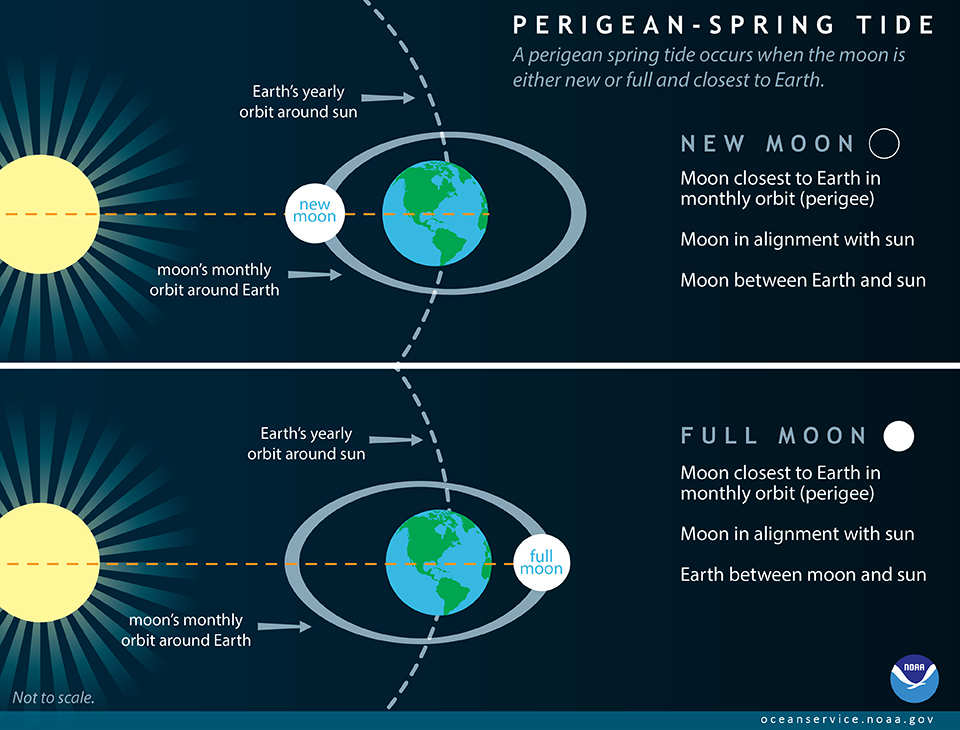
To understand what a spring tide and a neap tide represent in a financial context, we must first define the literal phenomenon through the lens of economic forces. In nature, tides are the rise and fall of sea levels caused by the combined effects of the gravitational forces exerted by the Moon and the Sun, and the rotation of the Earth.
In the financial ecosystem, the “Moon” represents central bank policy—the most immediate and powerful force acting upon market liquidity. The “Sun” represents fiscal policy and global economic sentiment—a massive, slower-moving force that can either amplify or dampen the effects of central bank actions.
The Alignment of Forces
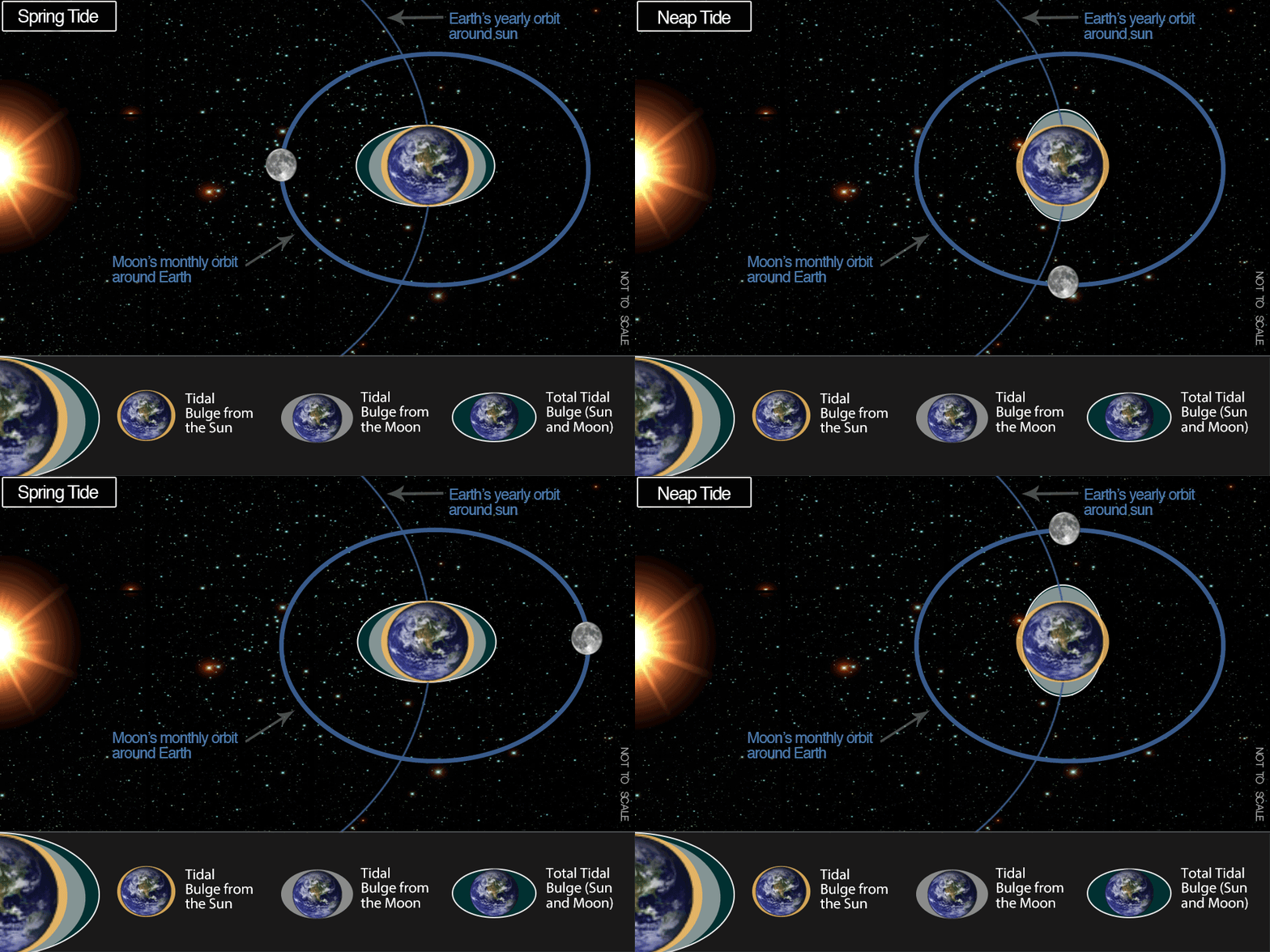
A spring tide occurs in nature when the Sun and Moon are aligned, creating the greatest pull and resulting in the highest high tides and the lowest low tides. In finance, this is the “Spring Tide” of liquidity. It occurs when monetary policy (low interest rates) and fiscal policy (government spending or tax cuts) align to flood the market with capital.
Conversely, a neap tide occurs when the gravitational pulls of the Sun and Moon are at right angles to each other, partially canceling each other out. This results in a period of moderate, “weaker” tides with very little difference between high and low. In financial terms, a “Neap Tide” represents a period of market equilibrium or stagnation, where opposing economic forces—such as high inflation battling against strong employment—create a sideways-moving market with low volatility and compressed margins.
The Spring Tide: Maximizing Gains During Market Surges
The financial spring tide is a period of extreme movement. When liquidity is at its peak, the “tide” lifts all boats. This is typically characterized by bull markets, high levels of speculative fervor, and a rapid expansion of P/E (Price-to-Earnings) ratios. During a spring tide, the cost of borrowing is low, and the availability of capital is high.
The Mechanics of Market Expansion
In a spring tide phase, the gravitational pull of “easy money” is at its strongest. Investors often see significant gains across diverse asset classes, from blue-chip equities to high-risk venture capital. This is the era of the “unicorn” startup and the record-breaking IPO.
The primary driver here is the alignment of the “lunar” force (the Federal Reserve or ECB lowering rates) and the “solar” force (consumer confidence and corporate earnings growth). When these two forces pull in the same direction, the market experiences a surge in “high water” marks. Asset prices reach levels that may seem decoupled from fundamental reality, driven by the sheer volume of capital looking for a home.
Navigating the Low Tide of a Spring Cycle
Crucially, spring tides also produce the lowest low tides. In finance, this means that while the upside is massive, the subsequent “retreat” of liquidity can be equally dramatic. When the tide goes out during a spring cycle, it reveals who has been “swimming naked,” as Warren Buffett famously noted.
For the savvy investor, the spring tide is a time to harvest gains but also a time to prepare for the inevitable retreat. The volatility inherent in this cycle means that market corrections are sharp and deep. Success during a spring tide requires a dual strategy: aggressive growth during the surge and a disciplined exit strategy before the gravity shifts.
The Neap Tide: Preserving Capital During Market Equilibrium
If the spring tide is characterized by drama and extreme heights, the neap tide is characterized by stability and, occasionally, frustration. During a neap tide, the financial “Sun” and “Moon” are at odds. Perhaps the central bank is trying to cool the economy by raising rates (pulling one way), while consumer spending remains stubbornly high (pulling the other way).
Identifying the Plateau
In a neap tide market, volatility drops. Prices move within a narrow range, and the “breakouts” that momentum traders rely on often fail to materialize. For the average investor, this can feel like a “dead” market. However, for the professional, the neap tide is a period of essential consolidation.
The lack of extreme movement allows for a clearer assessment of value. Without the distortion of massive liquidity surges, companies must rely on actual profitability rather than “narrative-driven” valuations. This is the environment where “Value Investing” outperforms “Growth Investing.”
The Strategy of Patience
The neap tide requires a shift in mindset from capital appreciation to capital preservation and income generation. Because price action is muted, the focus shifts to:
- Dividend Yields: In a sideways market, the steady return of dividends becomes a primary driver of total return.
- Selling Volatility: Options traders often thrive in neap tides by selling “covered calls” or “cash-secured puts,” profiting from the fact that prices are unlikely to swing wildly in either direction.
- Operational Efficiency: For businesses, the neap tide is the time to optimize internal processes. When you cannot rely on a rising market tide to increase your valuation, you must increase it through margin expansion and cost control.
The Gravitational Forces: Central Banks and Global Sentiment
To predict whether we are entering a spring or neap tide, one must look at the “gravitational” indicators of the global economy.
Central Bank Gravity (The Moon)
The most significant force is the movement of interest rates. When rates are near zero, the “gravitational pull” on capital is weak, allowing liquidity to flow freely and create a spring tide. As rates rise, gravity increases. Capital becomes “heavy” and expensive to move, leading toward a neap tide or even a full retreat of the sea. Monitoring the “dot plots” of the Federal Reserve is equivalent to monitoring the phases of the moon for a coastal navigator.
Fiscal Policy and Sentiment (The Sun)
The secondary force is the broader economic environment. This includes government spending, tax policy, and geopolitical stability. Even if a central bank keeps interest rates low (a spring moon), a global trade war or a restrictive tax environment (an opposing solar pull) can create a neap tide. The market remains stuck in a tug-of-war between cheap money and a difficult operating environment.
Building a Resilient Portfolio Across All Tidal Cycles
The goal of financial planning is not just to survive the tides, but to utilize their energy. A truly resilient portfolio is designed to thrive whether the market is experiencing the surge of a spring tide or the calm of a neap tide.
Diversification as an Anchor
During a spring tide, high-beta assets (like tech stocks or crypto) provide the lift. However, these are the first to be stranded when the tide goes out. To counter this, investors must maintain “anchors”—assets that are less sensitive to liquidity cycles, such as high-quality bonds, precious metals, or cash equivalents. These anchors ensure that when the “lowest low” of the spring tide occurs, the portfolio remains afloat.
The Role of Alternative Income
In the neap tide, traditional equity growth stalls. This is where “alternative” income streams become vital. Private credit, real estate investment trusts (REITs), and peer-to-peer lending can provide the “flow” necessary to maintain portfolio growth when the broader equity markets are stagnant.

Timing vs. Time in the Water
While it is tempting to try and “time” the tides perfectly, the most successful investors realize that they cannot control the gravity of the central banks. Instead, they focus on “seaworthiness.” This means maintaining a low debt-to-equity ratio and high liquidity. If your financial “vessel” is strong, you can weather the most violent spring tide retreat and remain patient through the longest neap tide lull.
In conclusion, understanding what a spring tide and a neap tide are in the financial sense allows an investor to move beyond reactive decision-making. By identifying the alignment of monetary and fiscal forces, you can anticipate the peaks and troughs of the market. Whether the tide is surging or standing still, there is always a path to profitability for those who know how to read the water.
aViewFromTheCave is a participant in the Amazon Services LLC Associates Program, an affiliate advertising program designed to provide a means for sites to earn advertising fees by advertising and linking to Amazon.com. Amazon, the Amazon logo, AmazonSupply, and the AmazonSupply logo are trademarks of Amazon.com, Inc. or its affiliates. As an Amazon Associate we earn affiliate commissions from qualifying purchases.