
In the complex landscape of commercial lending, equipment leasing, and secured transactions, the ability to protect and recover capital is paramount. For creditors, financial institutions, and business owners, the risk of a counterparty defaulting on an agreement is a constant variable. When a borrower fails to meet their obligations, a lender’s primary focus shifts from interest income to capital preservation. This is where “replevin” enters the financial lexicon as an essential legal and financial tool.
Replevin is a civil action designed to recover the possession of specific personal property that has been wrongfully taken or withheld. Unlike a standard breach of contract lawsuit, which typically seeks monetary damages, a replevin action seeks the return of the actual asset. In the world of business finance, this distinction is critical. Whether it is a piece of heavy construction machinery, a fleet of vehicles, or high-value medical technology, the physical asset often represents the most reliable path to mitigating financial loss.

The Fundamental Role of Replevin in Secured Lending
For a financial institution, the decision to extend credit is often based on the value of the collateral securing the loan. If a borrower defaults, the lender must have an efficient mechanism to take possession of that collateral to liquidate it or re-lease it to another party. Replevin provides the legal framework for this recovery, serving as a cornerstone of secured lending and asset-based financing.
Recovery of Tangible Collateral
In the “Money” niche, liquidity is king. However, when cash flow dries up on the borrower’s side, the lender’s liquidity is tied up in the tangible collateral. Replevin is specifically intended for tangible personal property—items you can touch and move. This excludes real estate (which is handled through foreclosure) and intangible assets like intellectual property.
In commercial settings, replevin is frequently used to recover:
- Industrial Equipment: CNC machines, printing presses, and manufacturing lines.
- Transportation Assets: Delivery trucks, aircraft, and maritime vessels.
- IT Infrastructure: Server racks and high-end networking hardware.
- Inventory: Raw materials or finished goods held under a floating lien.
By securing a writ of replevin, a creditor can bypass the lengthy process of a full trial to gain immediate control of these assets, preventing further depreciation or the potential “disappearance” of the collateral.
The Replevin Bond: A Financial Safeguard
A unique financial characteristic of the replevin process is the requirement of a bond. Because a replevin action often allows a creditor to seize property before a final judgment is reached, the law requires a financial guarantee to protect the defendant (the borrower).
The plaintiff (the lender) must typically post a replevin bond, often set at double the value of the property being seized. This bond ensures that if the court later determines the seizure was wrongful, the defendant can be compensated for their losses. For a business, the cost of this bond is a necessary operational expense in the recovery process, and it must be factored into the overall ROI of the collection effort.
Replevin vs. Other Debt Recovery Methods
Understanding where replevin sits in the hierarchy of financial recovery is vital for any CFO or credit manager. It is often confused with repossession or foreclosure, but the legal and financial implications differ significantly.
The Distinction from Self-Help Repossession
In many jurisdictions, the Uniform Commercial Code (UCC) allows for “self-help” repossession, where a lender can take back collateral without a court order, provided they do not “breach the peace.” However, self-help is not always possible. A borrower might lock the equipment in a secured facility or refuse to cooperate.
When self-help fails or is too risky, replevin becomes the formal judicial alternative. It provides the weight of the law—and often the assistance of a sheriff or marshal—to ensure the asset is recovered. From a risk management perspective, replevin is often safer than self-help because it operates under judicial oversight, shielding the lender from claims of trespassing or assault during the recovery process.
Replevin vs. Foreclosure
While both terms refer to the recovery of collateral, they apply to different asset classes. Foreclosure is the process of reclaiming real property (land and buildings). Replevin is strictly for personal property. For a business that operates out of a leased warehouse but owns $2 million in specialized robotics, a lender would use foreclosure to claim the building (if they held the mortgage) and replevin to claim the robotics.

Why Possession Matters Over Liquidation
In a standard lawsuit for debt, a lender might win a judgment for $500,000. However, collecting on a “paper judgment” can be notoriously difficult if the borrower has no cash. Replevin prioritizes possession. By physically securing the asset, the lender moves from being a general creditor to an owner of high-value equipment that can be sold on the secondary market. In many cases, the mere threat of a replevin action incentivizes the borrower to negotiate a workout or a payment plan, as losing the “tools of the trade” would effectively end their business operations.
The Financial Process: From Default to Possession
Executing a replevin action is a calculated financial move that requires a clear understanding of the costs and timelines involved. It is rarely the first step in a collection cycle, but rather a strategic escalation.
The Writ of Replevin and Pre-Judgment Seizure
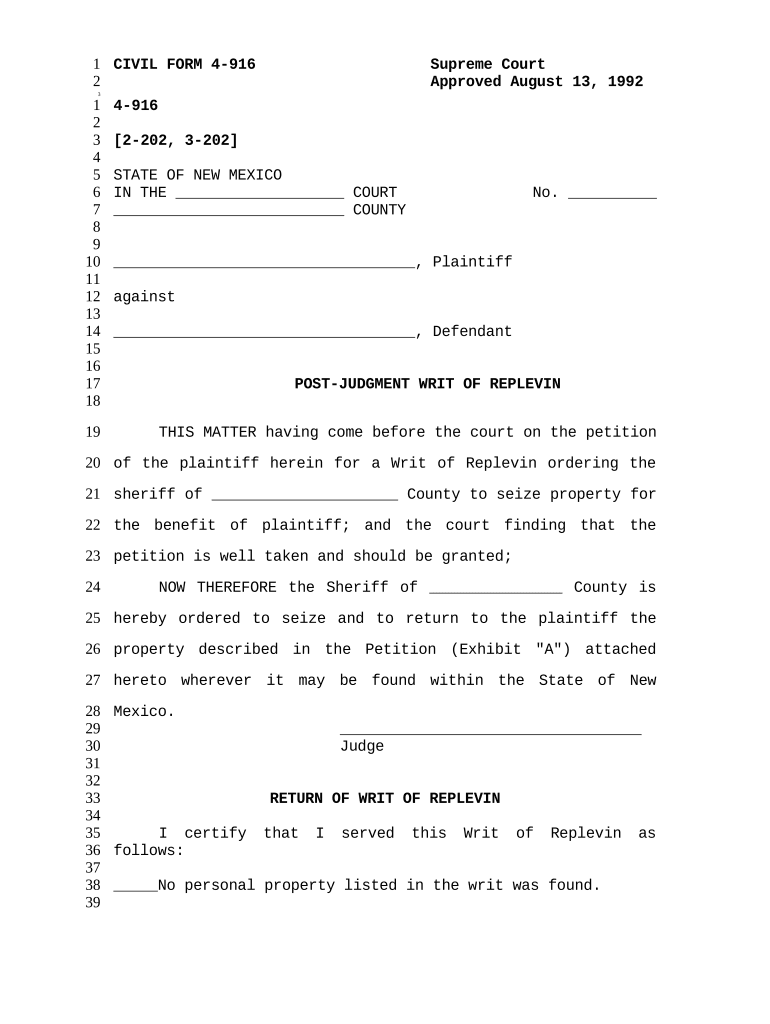
One of the most powerful aspects of replevin is the “pre-judgment writ.” In many states, if a lender can demonstrate a high probability of success and show that the collateral is at risk of being damaged or moved, the court can issue an order for immediate seizure before the case even goes to trial.
This is a critical “Money” move. It halts the depreciation of the asset and prevents the borrower from “parting out” equipment or selling it under the table to an unscrupulous buyer. For an investor or lender, this speed is essential for maintaining the residual value of the asset on the balance sheet.
Legal Costs and ROI Considerations
Like any business strategy, a replevin action must be subjected to a cost-benefit analysis. The expenses include:
- Legal Fees: Drafting the complaint, attending hearings, and coordinating with law enforcement.
- Bond Premiums: The annual cost of maintaining the replevin bond.
- Storage and Transport: The logistical costs of moving and housing large industrial equipment once seized.
- Maintenance: Ensuring the asset remains in sellable condition while the legal case proceeds to final judgment.
If the market value of the equipment is $50,000, but the total cost of the replevin process is estimated at $30,000, the lender might opt for an out-of-court settlement. However, for high-value assets worth hundreds of thousands or millions, replevin is almost always the most fiscally responsible path.
Strategic Asset Management and Risk Mitigation
From a broader financial perspective, replevin is a tool for maintaining the integrity of a portfolio. Lenders who are known to aggressively pursue replevin actions often experience lower default rates because borrowers understand that the collateral will be seized promptly upon breach of contract.
Managing Inventory and Equipment Risks
For businesses involved in floor plan financing (such as car dealerships or heavy equipment distributors), inventory is the primary asset. If a dealership falls out of trust—selling inventory without paying back the lender—the lender must move instantly. Replevin allows the lender to “freeze” the lot, taking possession of the remaining inventory before it can be sold and the proceeds dissipated.
Protecting Your Business from Wrongful Replevin Actions
On the flip side, businesses must also understand how to defend against replevin. A wrongful seizure can paralyze a company’s operations. Strategic financial management involves ensuring that all lease and loan payments are meticulously documented and that any disputes regarding the condition of the collateral are handled in writing. If a lender moves for replevin, a business may be able to “bond around” the writ—posting their own counter-bond to keep the equipment while the dispute is litigated.
The Bottom Line: Why Replevin Matters for Investors and Lenders
In the world of personal and business finance, the certainty of a contract is only as good as the mechanisms available to enforce it. Replevin serves as the ultimate “enforcer” for secured creditors. It bridges the gap between a contractual right and the physical reality of asset possession.
For investors analyzing the health of a leasing company or a bank, understanding their “recovery rate” is essential. A company with a robust legal and operational framework for replevin is better positioned to weather economic downturns. They aren’t just lending money; they are managing a revolving cycle of assets.
By mastering the nuances of replevin, financial professionals can ensure that “collateral” remains a meaningful term on a balance sheet rather than a theoretical one. It provides the leverage necessary to navigate defaults, protect capital, and maintain the flow of credit that fuels the global economy. Whether you are a lender seeking to protect your principal or a business owner managing high-value equipment, the replevin action is a vital component of a comprehensive financial and risk management strategy.
aViewFromTheCave is a participant in the Amazon Services LLC Associates Program, an affiliate advertising program designed to provide a means for sites to earn advertising fees by advertising and linking to Amazon.com. Amazon, the Amazon logo, AmazonSupply, and the AmazonSupply logo are trademarks of Amazon.com, Inc. or its affiliates. As an Amazon Associate we earn affiliate commissions from qualifying purchases.