
In the sophisticated world of brand strategy and visual communication, the journey from a raw idea to a finished product is rarely linear. It involves a series of transitions where abstract concepts are gradually refined into tangible assets. At the heart of this transformative process lies the mockup—a critical bridge that connects skeletal structures with functional reality. While it is often confused with other design deliverables like wireframes or prototypes, a mockup serves a unique and indispensable purpose in defining how a brand is perceived, tested, and ultimately launched.
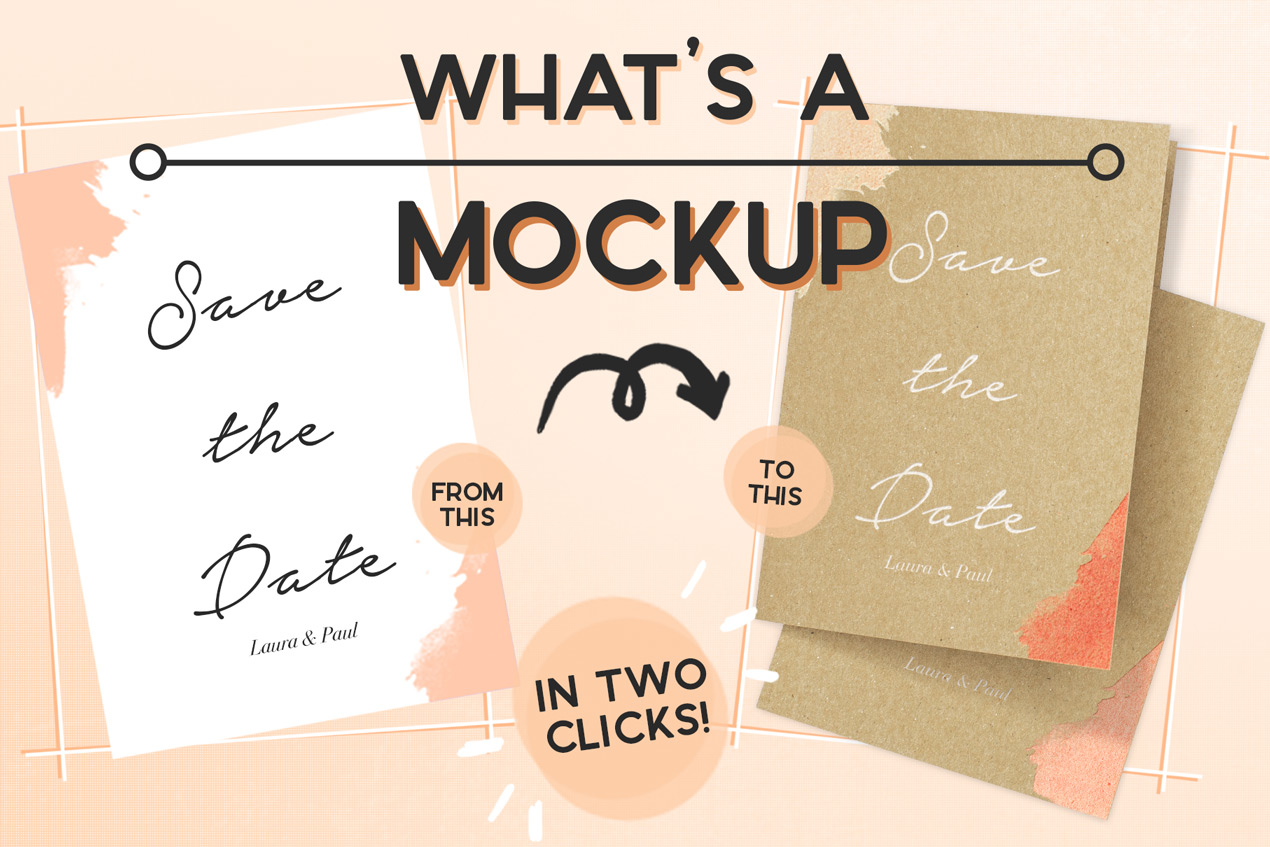
A mockup is a high-fidelity visual representation of a design. It serves as a detailed model that showcases the color schemes, typography, iconography, and overall layout of a project before it enters the final stages of production or development. For brand strategists and designers, the mockup is the first time a brand’s personality truly comes to life. It is the stage where “what it does” meets “how it looks and feels,” providing stakeholders with a realistic preview of the final brand experience.
Defining the Mockup: Moving Beyond Sketches to Visual Reality
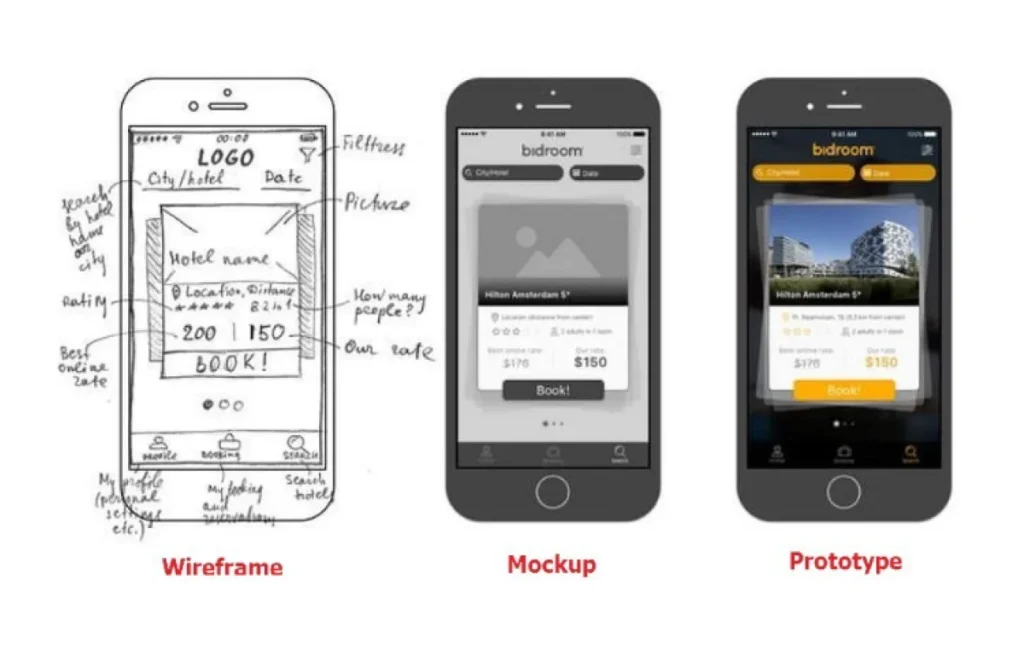
To understand the value of a mockup, one must first distinguish it from the other stages of the design hierarchy. In professional brand development, the process typically flows from wireframe to mockup to prototype. Each serves a specific function, but the mockup is where the aesthetic soul of the brand is solidified.
The Difference Between Wireframes, Mockups, and Prototypes
A wireframe is the “blueprint” of a design. It is low-fidelity, usually consisting of gray boxes and placeholders, focusing entirely on structure and functionality. At this stage, brand identity is non-existent; the goal is simply to map out the user journey or the placement of elements.
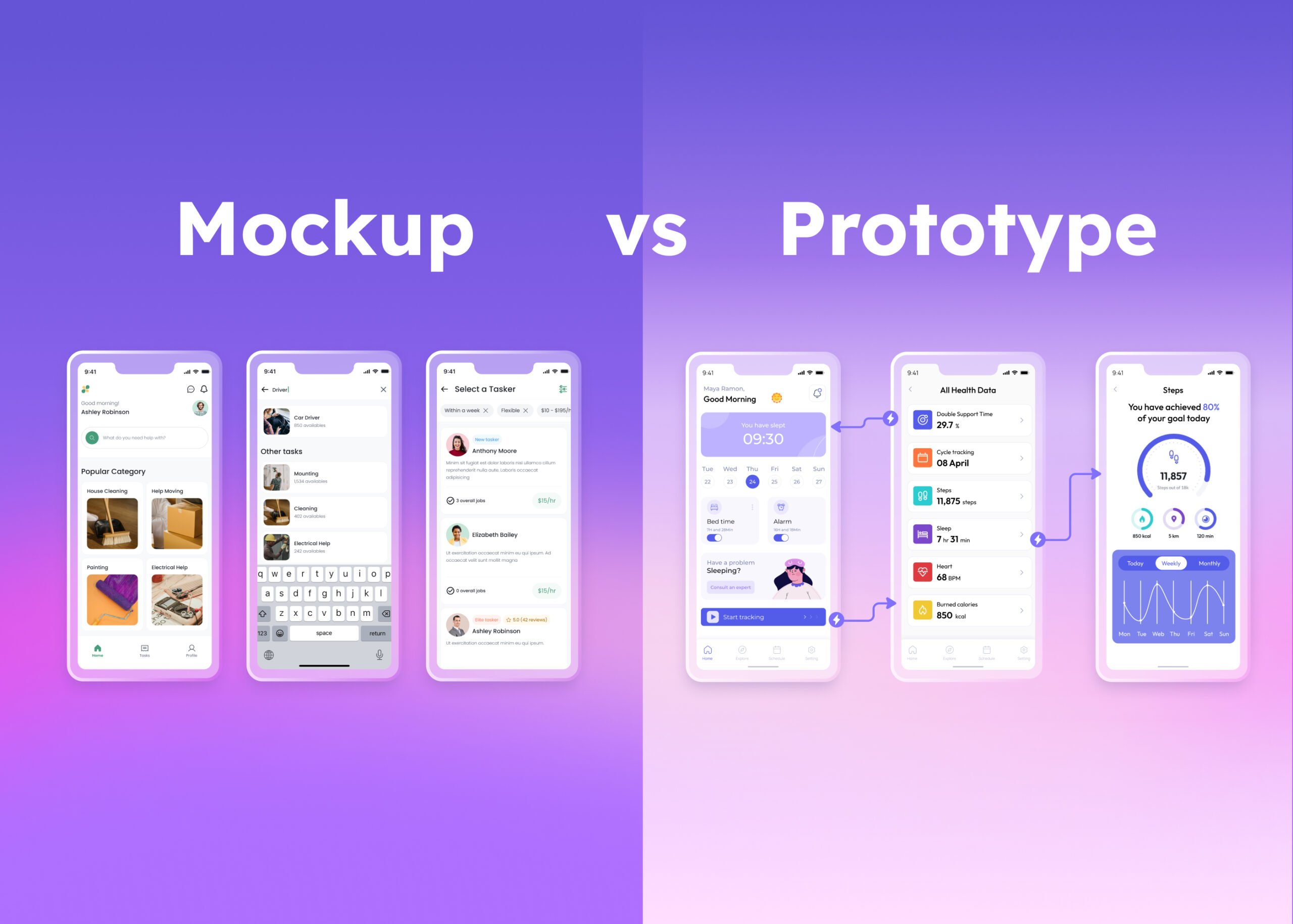
The mockup takes that blueprint and adds the “skin.” It introduces the brand’s visual language. This includes the specific hex codes of the brand palette, the chosen typefaces that convey the brand’s voice, and the high-resolution imagery that reflects its values. Unlike a prototype, a mockup is usually static. It doesn’t necessarily “work” in terms of clickable buttons or interactive features, but it looks exactly like the finished product.
A prototype is the “functional” version. It adds interactivity to the mockup, allowing users to click through a website or open a physical package design to see how the mechanics function. While the prototype tests usability, the mockup tests visual impact and brand alignment.
Why High-Fidelity Representation Matters in Brand Development
In branding, perception is reality. A mockup allows designers to see how brand elements interact in a realistic environment. For instance, a logo might look excellent on a white digital canvas, but how does it translate when embossed on a matte black business card or displayed on a glowing mobile screen?
High-fidelity mockups provide the necessary context to make these evaluations. By seeing the design in its intended environment—whether that is a billboard, a product box, or a social media feed—designers can identify visual clashes or legibility issues that would have been invisible in the wireframing stage. This level of detail is essential for maintaining brand integrity across various platforms.
The Strategic Role of Mockups in Brand Identity
Beyond being a creative milestone, mockups are a strategic tool used to align various stakeholders and ensure that the brand’s message is being communicated effectively. They act as a “proof of concept” that can save organizations significant time and financial resources.
Bridging the Gap Between Concept and Client Approval
One of the greatest challenges in brand strategy is the gap between a designer’s vision and a client’s expectations. Abstract terms like “modern,” “luxurious,” or “energetic” are subjective and can be interpreted in a thousand different ways. A mockup eliminates this ambiguity.
When a designer presents a mockup, they are not just showing a design; they are presenting a cohesive brand story. For a client, seeing their logo on a high-end storefront or a sleek app interface makes the project real. It facilitates a deeper level of feedback. Instead of vague critiques, clients can provide specific notes on how the visual elements represent their corporate identity. This alignment is crucial for building trust and ensuring the final product meets the strategic goals of the business.
Testing Visual Consistency Across Touchpoints
Modern brands exist in a multi-channel ecosystem. A brand is rarely just a website or just a product; it is a collection of touchpoints that include digital ads, physical packaging, corporate stationery, and environmental signage. The mockup stage is where designers ensure “visual harmony.”
By creating mockups for different mediums simultaneously, a brand can ensure that its identity remains consistent. Does the typography used on the website feel connected to the font on the physical packaging? Does the color palette retain its psychological impact when printed on fabric versus displayed on an OLED screen? Mockups allow for this cross-platform stress testing, ensuring that the brand feels like a singular, unified entity regardless of where a customer encounters it.
Key Components of a High-Impact Brand Mockup
A truly effective mockup goes beyond just looking “nice.” It must be a deliberate arrangement of design elements that work together to evoke a specific emotional response and drive brand recognition.
Typography and Hierarchy
Typography is the “voice” of the brand. In a mockup, the choice of font, weight, and spacing is finalized. Designers use this stage to establish a clear visual hierarchy—guiding the viewer’s eye to the most important information first. Whether it is a headline on a landing page or the product name on a label, the mockup demonstrates how typography facilitates communication and reinforces the brand’s authority or approachability.
Color Theory and Emotional Resonance
Color is perhaps the most immediate way a brand communicates. In a mockup, color palettes are applied in their final ratios. This allows the team to evaluate the “mood” of the design. A mockup for a healthcare brand might lean into sterile whites and calming blues to evoke trust, while a fintech startup might use bold neons to signal disruption. Seeing these colors in context helps determine if they evoke the intended psychological response from the target audience.
Imagery and Asset Placement
The use of photography, illustrations, and iconography is also solidified in the mockup. High-quality imagery helps tell the brand’s story and connects with the audience on a human level. The mockup shows exactly how these images will be cropped, layered, and integrated with text. It ensures that the visual assets support the message rather than distracting from it.
Mockups as a Tool for Market Positioning and Stakeholder Alignment
In a corporate environment, a brand design is often a significant investment. Therefore, it requires buy-in from various departments, from marketing and sales to the executive suite. Mockups serve as the ultimate persuasive tool in these high-stakes environments.
Presenting the Vision: Pitching to Stakeholders
For internal teams or agencies pitching to external clients, the mockup is the “closer.” It provides a glimpse into the future. A well-executed mockup can demonstrate how a rebrand will help a company stand out against competitors in a crowded marketplace. By placing a mockup of a new product next to existing market leaders, designers can show the brand’s competitive edge and its potential for market disruption.
Reducing Costly Iterations in the Production Phase
Mistakes in the production phase are expensive. Printing ten thousand product boxes with a font that is too small to read, or launching a website where the logo is lost in the background, can be a financial disaster. Mockups act as a safety net. They allow for “virtual” testing where errors can be corrected with a few clicks rather than a complete production overhaul. By identifying these issues during the mockup stage, companies protect their bottom line and ensure a smoother path to market.
Elevating Your Branding Process with Professional Mockup Practices
As the design industry evolves, the methods for creating and presenting mockups have become increasingly sophisticated. Professionals now have access to tools that allow for hyper-realistic renderings that are almost indistinguishable from photography.
Choosing the Right Environment for Your Brand Assets
A mockup should never exist in a vacuum. To be effective, it should be placed in a “lifestyle” context. If you are designing a brand for a luxury coffee shop, the mockup should show the logo on a ceramic cup held by a person in a minimalist interior, not just a floating logo on a white background. This contextualization helps the audience visualize the brand as part of their daily life, which is the ultimate goal of brand strategy.
Digital vs. Physical Mockups: A Multi-Sensory Approach
In an age dominated by digital interfaces, the importance of physical mockups cannot be overlooked. For brands with physical products, “packaging mockups” or “press proofs” are vital. These allow designers to feel the texture of the paper, see how light hits a metallic foil, and understand the ergonomics of the design. Combining digital mockups for the web presence with physical mockups for the product creates a comprehensive brand experience that addresses all the senses.
The use of 3D rendering software and Augmented Reality (AR) is also on the rise. Designers can now create 3D mockups that stakeholders can rotate and inspect from every angle. AR mockups take this a step further, allowing a client to use their smartphone to “place” a virtual mockup of a new piece of office furniture or a retail display in a real-world space. These technological advancements have made the mockup phase more interactive and persuasive than ever before.
Conclusion: The Bridge to a Successful Brand Launch
A mockup is far more than a simple drawing or a pretty picture. It is a strategic asset in the branding process that validates visual decisions, aligns stakeholders, and mitigates risk. By providing a high-fidelity preview of the final product, mockups ensure that the transition from a conceptual brand strategy to a tangible reality is seamless and impactful.
In a competitive market where brand identity can determine the success or failure of a business, the mockup serves as the final rehearsal before the curtain rises. It is the stage where the brand’s visual language is perfected, its message is clarified, and its future is secured. For any designer or business leader, understanding and investing in the mockup process is not just a design choice—it is a fundamental component of a sophisticated brand strategy.
aViewFromTheCave is a participant in the Amazon Services LLC Associates Program, an affiliate advertising program designed to provide a means for sites to earn advertising fees by advertising and linking to Amazon.com. Amazon, the Amazon logo, AmazonSupply, and the AmazonSupply logo are trademarks of Amazon.com, Inc. or its affiliates. As an Amazon Associate we earn affiliate commissions from qualifying purchases.