
The intersection of medicine and technology has undergone a radical transformation over the last three decades, moving from broad, invasive procedures toward hyper-precise, minimally invasive interventions. At the forefront of this shift is the “Lap Nissen”—technically known as Laparoscopic Nissen Fundoplication. While the name sounds like a traditional medical term, the procedure itself is a masterclass in modern hardware engineering, high-definition imaging software, and robotic-assisted surgical trends.
Understanding what a Lap Nissen is requires looking past the biology and into the sophisticated technology stack that makes it possible. From the miniaturized cameras to the AI-driven surgical platforms, the Lap Nissen represents a pinnacle of technological achievement in treating gastrointestinal disorders.
The Evolution of Minimally Invasive Technology
The “Lap” in Lap Nissen stands for laparoscopic, a term that describes a surgical technique utilizing small incisions and high-tech instrumentation. Before the digital age, gastroesophageal reflux disease (GERD) required “open” surgery, involving large incisions that led to extended recovery times and higher risks of infection. The shift to a laparoscopic approach was made possible by several key technological breakthroughs.
From Analog to Digital Visualization
The core of the Lap Nissen procedure is the laparoscope—a long, thin tube with a high-intensity light and a high-resolution camera at the tip. Early versions of these scopes relied on fiber-optic bundles that provided grainy, analog images. Today, surgeons utilize 4K and 3D visualization systems. These digital sensors transmit real-time, high-frame-rate video to massive OLED monitors, allowing the surgical team to see anatomical structures with more clarity than the human eye could achieve in an open field.
The Hardware of Access: Trocars and Ports
Technology isn’t just about software; it is about the physical tools that facilitate interaction. During a Lap Nissen, engineers have developed specialized ports called trocars. These gadgets act as air-tight seals, allowing the abdomen to be insufflated with CO2 to create a digital-ready workspace. Modern trocars are designed with smart-valve technology to maintain pressure precisely, ensuring the “operating theatre” remains stable for the duration of the delicate maneuver.
Miniaturization of Surgical Instrumentation
The instruments used in a Lap Nissen—graspers, dissectors, and ultrasonic scalpels—are marvels of mechanical engineering. These tools have been miniaturized to fit through 5mm to 10mm channels. Furthermore, the integration of energy-based devices, such as bipolar electrocautery, allows for the simultaneous cutting and sealing of tissue. This reduces blood loss to nearly zero, a feat that was technologically impossible just a generation ago.
Software and AI Integration in Surgical Planning
While the physical tools are impressive, the “soft” technology behind a Lap Nissen is what truly defines modern surgical excellence. We are entering an era where the surgical plan is as much a digital blueprint as it is a medical decision.
Pre-operative Simulation and Digital Mapping
Before the first incision is made, advanced imaging software—often powered by AI—processes CT scans and MRIs to create a 3D digital twin of the patient’s anatomy. This allows surgeons to “rehearse” the Lap Nissen in a virtual environment. By mapping out the specific curvature of the patient’s stomach and the positioning of the esophagus, software helps identify potential complications before they occur in the physical world.
Intra-operative Guidance Systems
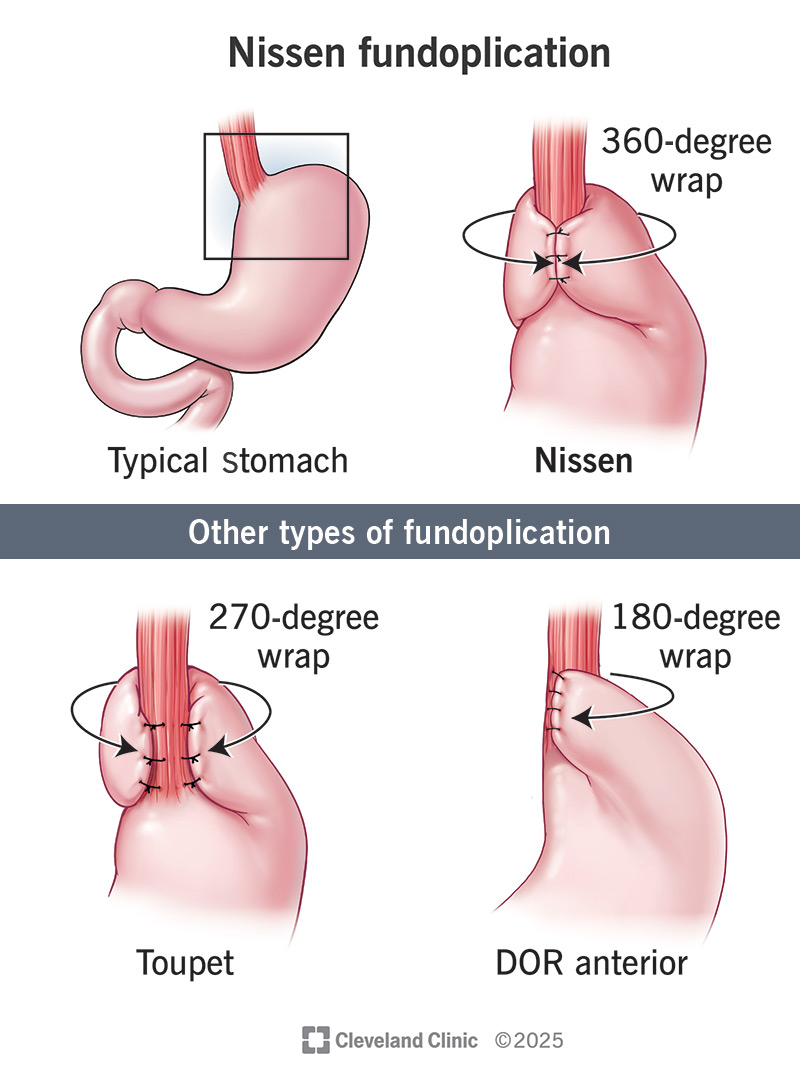
During the procedure, Augmented Reality (AR) is beginning to play a role. Some high-end surgical suites can overlay the 3D map created pre-operatively directly onto the live video feed of the laparoscope. This “heads-up display” guides the surgeon in placing the fundoplication wrap—the “Nissen” part of the procedure—with millimeter precision. This software ensures that the wrap isn’t too tight (which could cause dysphagia) or too loose (which would fail to stop reflux).
AI-Driven Analytics
Machine learning algorithms are now being trained on thousands of hours of recorded Lap Nissen procedures. These AI tools can analyze a surgeon’s movements in real-time, providing feedback on efficiency or alerting the team if a movement deviates from the “ideal” path established by global surgical data. This big-data approach to surgery is standardizing outcomes across the globe, ensuring that a patient in a remote clinic receives the same technological standard of care as one in a major tech hub.

The Robotics Revolution: Enhancing the Nissen Procedure
The most significant technological trend in the world of gastrointestinal surgery is the move from manual laparoscopy to robotic-assisted surgery. Platforms like the Da Vinci Surgical System have turned the Lap Nissen into a digital-first operation.
The Console and Telemanipulation
In a robotic Lap Nissen, the surgeon does not stand over the patient. Instead, they sit at a high-tech console, manipulating controls that translate their hand movements into micro-movements of robotic arms inside the patient. This technology eliminates the natural tremors of the human hand and allows for “wristed” instrumentation. Traditional laparoscopic tools are straight sticks; robotic tools can pivot and rotate with a range of motion exceeding that of the human wrist.
Haptic Feedback and Sensory Tech
One of the historical hurdles in surgical tech was the loss of the “sense of touch” when moving from open to laparoscopic surgery. Engineers are solving this through haptic feedback technology. Modern robotic systems provide tactile resistance to the surgeon’s controllers, allowing them to “feel” the tension of the tissue or the thickness of the stomach wall through digital sensors. This sensory tech is crucial when wrapping the upper part of the stomach (the fundus) around the esophagus to create the new valve.
Semi-Autonomous Features
While we are not yet at the stage of fully autonomous surgery, current robotic platforms offer semi-autonomous features. For example, a “smart” stapler used during a Lap Nissen can sense the thickness of the tissue and automatically adjust the firing force to prevent damage. These automated safeguards represent the next frontier in surgical gadgets, moving the surgeon into the role of a high-level system overseer.
Post-Operative Monitoring and Digital Health Ecosystems
A Lap Nissen doesn’t end when the patient leaves the operating room. The “tech” of the procedure extends into the recovery phase through the Internet of Medical Things (IoMT) and remote monitoring platforms.
Remote Patient Monitoring (RPM)
Following a Lap Nissen, patients are often enrolled in digital health platforms. Wearable gadgets monitor vital signs, while specialized apps track the patient’s ability to transition through different dietary phases (from liquid to solid foods). This data is synced to a dashboard where software alerts the clinical team if the patient’s recovery metrics deviate from the norm.
The Future: Data-Driven Recovery
The accumulation of post-operative data is creating a feedback loop for surgical technology. By analyzing how different wrap tensions or robotic techniques correlate with long-term patient comfort, software developers can refine the algorithms used in pre-operative planning. This cycle of continuous improvement is a hallmark of the technology industry, applied here to the human body.
Security and Ethical Considerations in Surgical Tech
As the Lap Nissen becomes more digital, it also becomes subject to the same challenges facing the broader tech world, specifically regarding digital security and data ethics.
The Cybersecurity of the Operating Room
A modern operating room is a network of connected devices. The laparoscope, the robotic console, and the anesthesia monitors are all nodes on a network. This creates a surface area for potential cyber threats. Ensuring that surgical robots are protected from unauthorized access is a critical focus for medical device manufacturers. Encryption and secure, localized networks are now as important to the success of a Lap Nissen as the sharpness of the scalpel.

Data Privacy for Connected Patients
The AI and machine learning tools that improve Lap Nissen outcomes require vast amounts of data. This raises significant questions regarding patient privacy. As we move toward more personalized surgical models, the technology sector must balance the need for high-quality anatomical data with the strict requirements of HIPAA and other data protection frameworks.
The Lap Nissen is more than just a medical procedure; it is a demonstration of how far we have come in the realm of surgical technology. By integrating high-definition imaging, robotic precision, and AI-driven planning, the tech industry has transformed a complex physiological problem into a solvable engineering challenge. As these tools continue to evolve, the distinction between “surgeon” and “technician” continues to blur, paving the way for a future where digital precision is the standard of care for every patient.
aViewFromTheCave is a participant in the Amazon Services LLC Associates Program, an affiliate advertising program designed to provide a means for sites to earn advertising fees by advertising and linking to Amazon.com. Amazon, the Amazon logo, AmazonSupply, and the AmazonSupply logo are trademarks of Amazon.com, Inc. or its affiliates. As an Amazon Associate we earn affiliate commissions from qualifying purchases.