
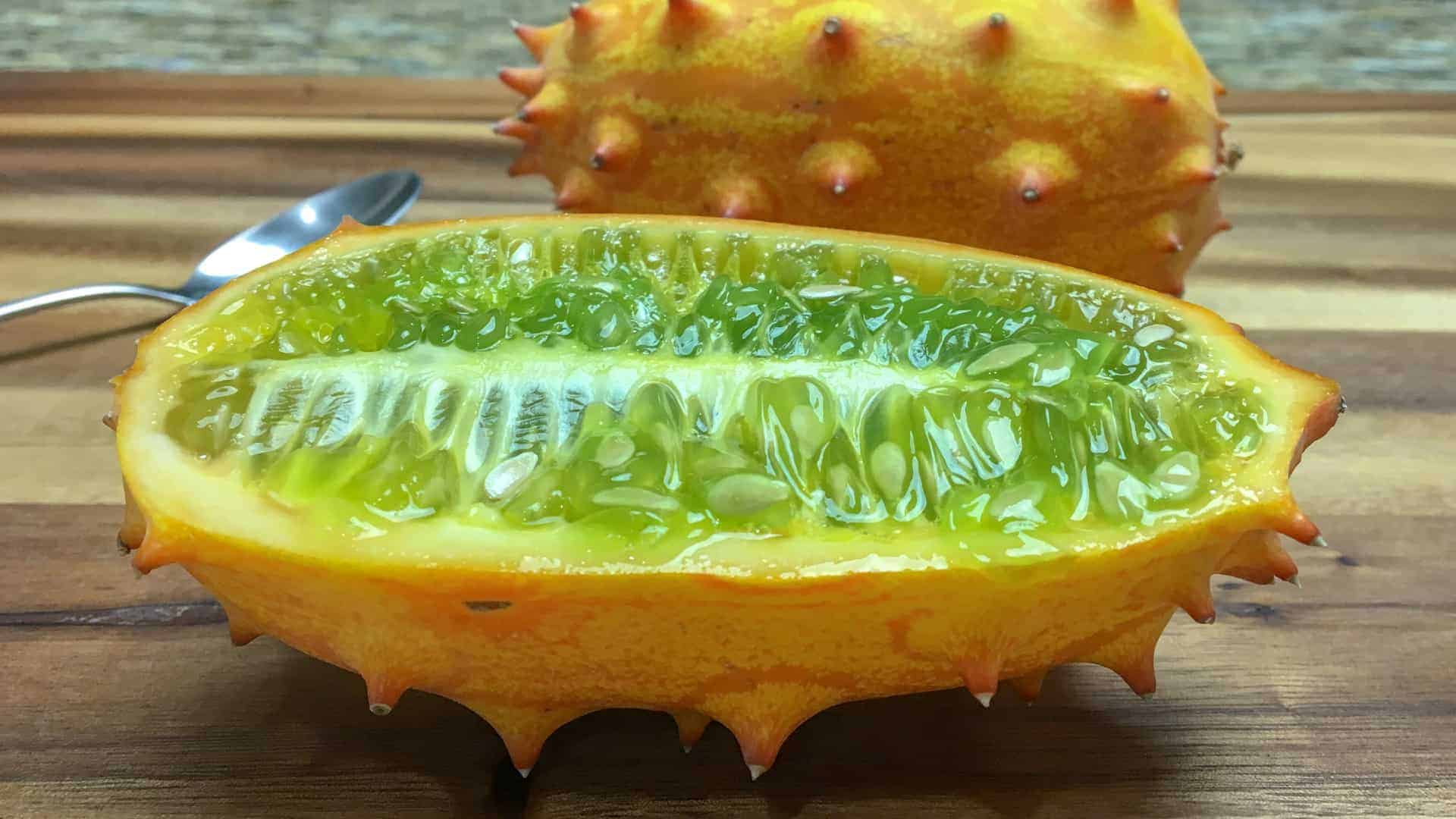
In the landscape of global commerce, the horned melon—botanically known as Cucumis metuliferus and commercially branded as the Kiwano—serves as a fascinating case study in niche commodity economics. Often relegated to the “exotic” section of high-end grocers, this vibrant, spiked fruit represents more than just a culinary curiosity; it is a high-margin asset within the specialty produce sector. For investors, agricultural entrepreneurs, and market analysts, the horned melon exemplifies the transition of a wild, regional plant into a standardized, profitable global export.
Understanding what a horned melon is requires looking beyond its prehistoric aesthetics. From a financial perspective, it is a high-yield, drought-resistant crop that taps into the burgeoning “superfood” market. Its journey from the Kalahari Desert to the supermarket shelves of North America and Europe is a narrative of strategic branding, supply chain optimization, and the exploitation of premium pricing tiers in the food and beverage industry.

The Market Fundamentals of the Horned Melon
To evaluate the horned melon as a financial instrument, one must first understand its supply dynamics and origin. Native to Southern and Central Africa, the fruit was historically a vital source of water and nutrition in arid regions. However, its entry into the global marketplace was catalyzed by New Zealand growers in the 1980s. This move was a calculated play to diversify agricultural exports and capture the interest of Western consumers seeking novelty.
Scarcity and Premium Pricing
Unlike commodities such as bananas or apples, which operate on high-volume, low-margin models, the horned melon thrives on scarcity. Because it is not yet grown at the industrial scale of citrus or stone fruits, it maintains a high retail price point, often ranging from $5.00 to $10.00 per unit in non-native markets. This price inelasticity is a boon for specialty importers who cater to a demographic that prioritizes health and exclusivity over price.
Drought Resistance as a Hedge Against Climate Risk
From an investment standpoint, the horned melon offers a unique hedge against the increasing volatility of traditional agricultural climates. As a member of the cucumber and melon family, it is exceptionally hardy. It requires significantly less water than traditional fruit crops and is resistant to many common pests and soil-borne diseases. For agricultural portfolios looking to mitigate the risks of water scarcity, the horned melon represents a sustainable, low-input alternative with high-output value.
The Profitability Profile: Why Niche Produce is a High-Yield Investment
The financial appeal of the horned melon lies in its “Blue Ocean” market status. In traditional agriculture, margins are often razor-thin due to intense competition and price wars among major retailers. The exotic fruit sector, however, allows for significant value-added opportunities.
Cost of Production vs. Retail Value
The overhead for cultivating horned melons is relatively low compared to other exotic fruits like dragon fruit or mangosteen. The vines are prolific, often producing dozens of fruits per season with minimal intervention. When we analyze the Cost of Goods Sold (COGS), the primary expenses are not in the cultivation, but in the post-harvest logistics—specifically specialized packaging to protect the fruit’s spikes and international shipping. Despite these costs, the delta between production and retail remains high, offering an attractive Internal Rate of Return (IRR) for early-stage agricultural ventures.
Diversification in Revenue Streams
The horned melon is not limited to the fresh produce aisle. Smart money in the food industry is looking at the secondary processing of the fruit. Its gelatinous, lime-green pulp is increasingly being utilized in:
- The Beverage Industry: As a base for high-end cocktails and functional juices.
- Cosmeceuticals: Its high vitamin C and E content makes it an attractive ingredient for “clean beauty” brands.
- Nutraceuticals: Seed oil extraction for supplements targeting skin health and antioxidant boosts.
By diversifying the end-use of the crop, producers can ensure that even “Grade B” fruit (those with cosmetic imperfections) contributes to the bottom line, effectively eliminating waste and maximizing total yield value.
Supply Chain Logistics and Risk Management

Investing in exotic perishables requires a sophisticated understanding of cold chain logistics and international trade regulations. The horned melon, while hardy on the vine, faces specific challenges once it enters the global supply chain.
The Challenge of the “Spike”
The defining physical characteristic of the horned melon—its sharp, horn-like protrusions—is its greatest logistical hurdle. Standard bulk shipping methods are inapplicable here, as the fruit can easily puncture its neighbors, leading to rapid spoilage and rot. This necessitates custom, cell-packed honeycomb containers. While this adds to the packaging CAPEX, it also serves as a barrier to entry for smaller, less sophisticated competitors, protecting the margins of established players.
Shelf-Life as a Financial Asset
One of the most significant advantages of the horned melon over other exotic fruits (like the highly perishable durian or rambutan) is its exceptional shelf life. A harvested horned melon can last for several months at room temperature without significant degradation. For retailers, this reduces “shrink”—the industry term for inventory lost to spoilage. Lower shrink rates translate directly to higher net profits for grocery chains, making the Kiwano a preferred exotic item for inventory managers.
Regulatory and Phytosanitary Barriers
Any cross-border investment in agriculture must account for the rigorous phytosanitary standards of the USDA (USA) or the EFSA (European Union). The horned melon has navigated these hurdles successfully, with established export pathways from New Zealand, Israel, and increasingly, California and Florida. Navigating these regulations is a form of “moat” for large-scale distributors, ensuring that the market is not suddenly flooded with cheap, unregulated imports.
Marketing and Consumer Trends: Scaling the “Superfood” Narrative
The financial success of any niche product is heavily dependent on consumer perception. The transformation of the “horned melon” into a luxury health product is a masterclass in brand strategy and market positioning.
The Power of Nomenclature
The name “Kiwano” was a strategic trademark designed to link the fruit to the success of the Kiwi fruit, another New Zealand export that conquered the global market. By rebranding a wild African melon with a name that sounded familiar yet exotic, marketers were able to justify a premium price. This branding strategy demonstrates how intellectual property and naming conventions can create tangible value in the commodity market.
Tapping into the Wellness Economy
The global wellness market is currently valued in the trillions. The horned melon is being marketed as a “functional food”—items that provide health benefits beyond basic nutrition. With its high concentration of magnesium, potassium, and iron, the fruit is positioned to appeal to the “conscious consumer.” For investors, this means the horned melon is not just a food item; it is a lifestyle product. The demand is driven by demographic shifts toward plant-based diets and proactive health management, trends that show no signs of slowing down.
Digital Influence and Viral Potential
In the modern economy, the visual appeal of a product is a marketing engine in itself. The horned melon’s vibrant interior and alien-like exterior make it highly “Instagrammable.” This organic social media traction provides millions of dollars in free advertising, reducing the Customer Acquisition Cost (CAC) for retailers and brands. As food influencers highlight the fruit in “unboxing” videos and recipe reels, they create a demand pull that forces traditional retailers to increase their purchase orders.
Future Outlook: Tech-Driven Agriculture and Market Expansion
As we look toward the next decade, the economic trajectory of the horned melon is likely to be shaped by advancements in ag-tech and shifting trade blocks.
Precision Farming and Yield Optimization
The integration of AI and IoT (Internet of Things) in the cultivation of exotic fruits is set to revolutionize margins. Smart irrigation systems and drone-based monitoring can now optimize the nutrient intake of horned melon crops, ensuring a higher percentage of “Premium Grade” fruit. For the investor, this means lower operational volatility and more predictable cash flows.
The Expansion of Domestic Cultivation
To reduce the carbon footprint and shipping costs associated with importing from New Zealand or Africa, there is a growing trend toward domestic cultivation in the Southern United States and Mediterranean Europe. Developing domestic supply chains allows for “locally grown” labeling, which in the current market, often commands an even higher premium than “imported.”
Conclusion: The Strategic Value of the Horned Melon
What is a horned melon? It is a high-alpha agricultural asset. It is a lesson in how a niche biological product can be scaled through branding, logistical innovation, and an alignment with global health trends. For the modern investor or business leader, the horned melon represents the potential of the “fringe” to become a mainstay in the premium economy. By understanding the intersection of its biological resilience and its market positioning, one can see that this spiked fruit is not just an exotic snack, but a sophisticated player in the global food finance landscape.
aViewFromTheCave is a participant in the Amazon Services LLC Associates Program, an affiliate advertising program designed to provide a means for sites to earn advertising fees by advertising and linking to Amazon.com. Amazon, the Amazon logo, AmazonSupply, and the AmazonSupply logo are trademarks of Amazon.com, Inc. or its affiliates. As an Amazon Associate we earn affiliate commissions from qualifying purchases.