
In the high-stakes landscape of modern streaming wars and intellectual property (IP) management, the introduction of the “Harfoot” represents more than just a narrative expansion of J.R.R. Tolkien’s Middle-earth. From a brand strategy perspective, the Harfoot is a masterclass in “ancillary identity engineering”—the process of taking a deeply ingrained cultural archetype (the Hobbit) and pivoting it to create a fresh, proprietary brand asset that satisfies both legacy expectations and contemporary market demands.
To understand what a Harfoot is, one must look past the prosthetic ears and rustic costumes and examine the corporate identity of the world’s most expensive television production. The Harfoot serves as a strategic bridge between the familiar and the novel, acting as a key brand differentiator for Amazon’s multi-billion-dollar investment in the fantasy genre.

Redefining Legacy: The Brand Strategy Behind the Harfoot Expansion
When a brand inherits a legacy as massive as The Lord of the Rings, it faces a classic innovator’s dilemma: how do you honor the core tenets of the brand while introducing enough novelty to justify a new product line? In this context, the Harfoot is the solution to a specific branding challenge. While “Hobbits” are the recognizable face of the franchise, the specific narrative rights and the visual language established by previous adaptations necessitated a strategic pivot.
Leveraging Nostalgia While Forging New Identity
The Harfoot functions as a “proto-brand.” By positioning these characters as the ancestors of the Hobbits we know from the Third Age, the brand strategists are able to tap into the “underdog” archetype that audiences find universally appealing. This is a classic branding move: leveraging existing brand equity (the Shire aesthetic) to launch a new sub-brand (the Harfoots).
For the audience, the Harfoot provides an immediate emotional hook. They represent the “small person in a big world” theme that is central to the Middle-earth brand identity. However, by making them nomadic rather than sedentary, the creators have rebranded the Hobbit archetype from one of “comfort and home” to one of “survival and community.” This shift allows for a broader range of storytelling and, consequently, a broader range of brand expressions.
The “Hobbit” Archetype as a Brand Anchor
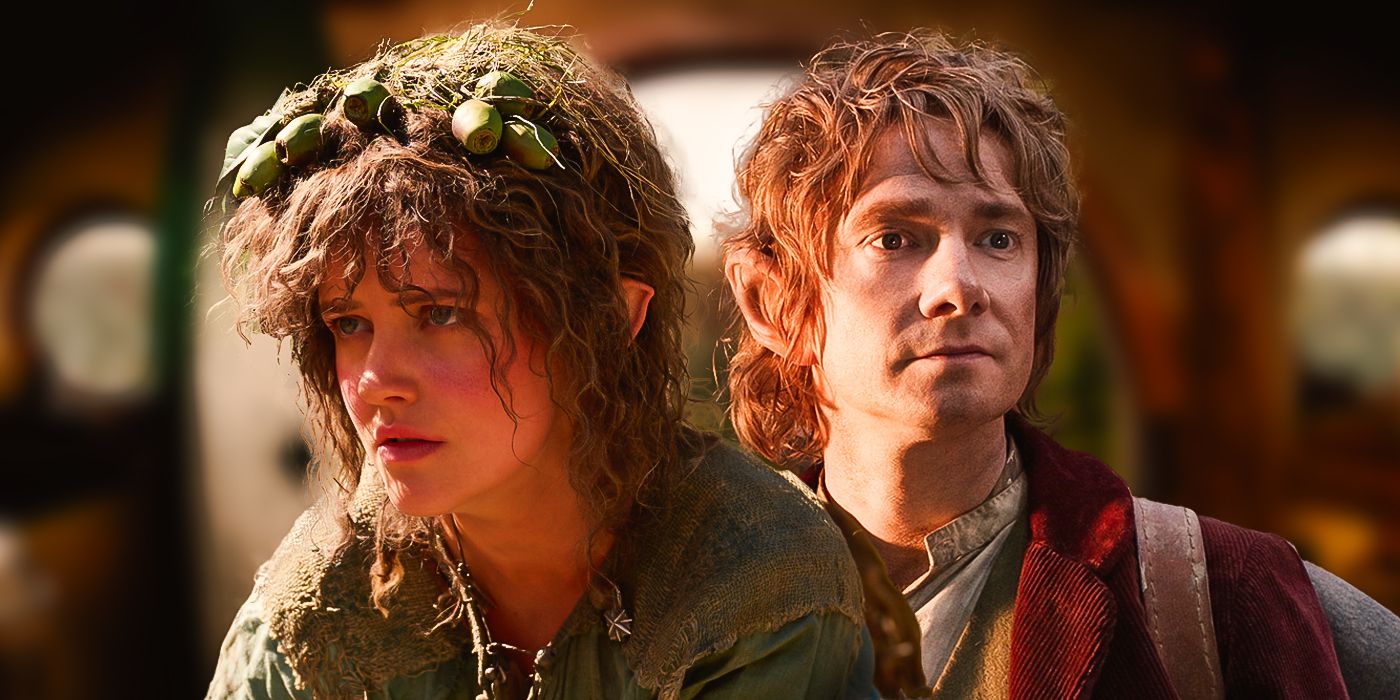
In marketing, an anchor is a core concept that holds a brand’s identity in place. For Middle-earth, that anchor is the halfling. Without a small, relatable perspective, the brand risks becoming too ethereal or high-concept. The Harfoot serves as this anchor for a new generation of viewers. By maintaining the physical characteristics of the halfling—large feet, humble stature, and a love for the earth—the brand maintains continuity.
However, the Harfoot brand is distinct in its visual palette. Where the Shire brand is defined by green hills and yellow doorways, the Harfoot brand is defined by earth tones, camouflaged textures, and portable architecture. This visual differentiation is essential for merchandising and brand recognition, ensuring that Harfoot-related assets are distinct from previous Hobbit-related products.
World-Building as Corporate Identity: Crafting Authenticity in the Streaming Era
Modern brand strategy dictates that a brand is not just a logo, but an entire ecosystem of values and experiences. In the realm of high-fantasy media, “world-building” is the equivalent of “corporate identity.” The Harfoots are a critical component of this identity because they establish the “human” (or halfling) scale of the brand’s values.
Visual Storytelling and Brand Aesthetic
The Harfoot aesthetic is a study in organic brand design. Every element of their costume and set design—from the woven hair decorations to the hand-carts that serve as their homes—is designed to communicate a specific brand message: “We are one with the land.” This is a powerful brand positioning in a modern market that increasingly values sustainability, community, and a return to nature.
From a design perspective, the Harfoot look is a deliberate departure from the more polished, Victorian-influenced aesthetic of the Shire. This “primitive-chic” branding helps the new series distance itself from the visual language of the Peter Jackson films, carving out its own space in the market while remaining recognizably part of the same universe. It is a subtle but effective way to establish brand sovereignty over a new era of storytelling.
Cultural Differentiation Within a Multiverse
In the current media landscape, brands often operate within “multiverses” or extended universes. To avoid brand fatigue, each sub-component must have a unique cultural signature. The Harfoots achieve this through their lore and social rituals. Their philosophy of “Nobody goes off trail, and nobody walks alone” is more than a plot point; it is a brand mission statement.
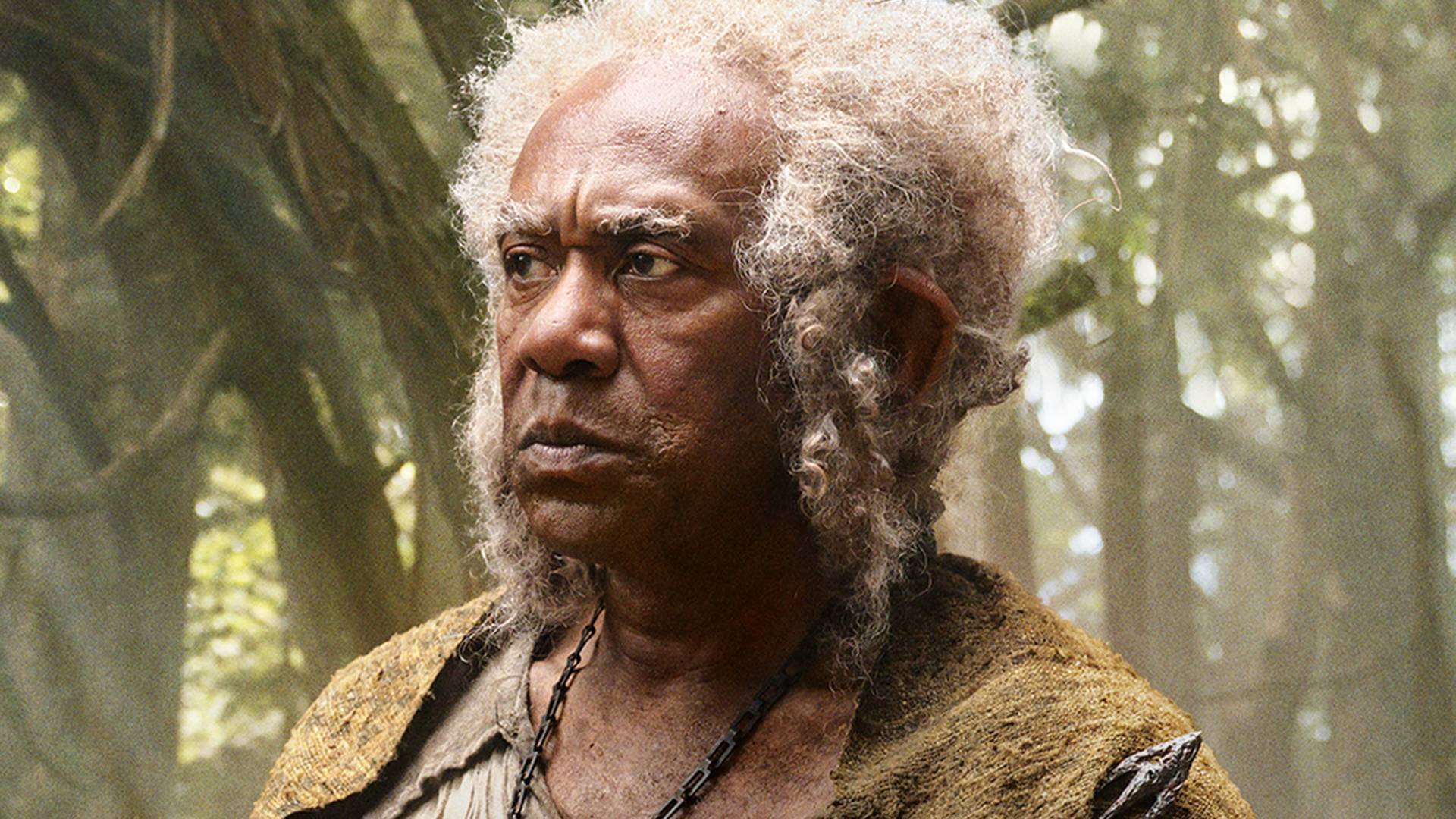
This emphasis on collective survival differentiates the Harfoot brand from the more individualistic hero narratives often found in fantasy. By branding the Harfoots as a collective unit, the creators have tapped into contemporary trends toward community-centric branding. This makes the Harfoots not just characters, but a representation of a specific set of social values that resonate with modern global audiences.
Strategic Positioning: Why the Harfoot Identity Matters for Amazon’s Ecosystem
The creation of the Harfoot brand was not a purely creative decision; it was a strategic one. As Amazon seeks to build its Prime Video service into a premier destination for tentpole content, it requires IP that can sustain long-term engagement and diverse revenue streams.
Building a Unique Selling Proposition (USP) for Middle-earth
Every successful brand needs a Unique Selling Proposition. For the Rings of Power series, the USP is the exploration of the “untold stories” of Middle-earth. The Harfoots are the primary vehicle for this USP. Because they are not prominently featured in the major events of the Second Age as written by Tolkien, they provide a “blank canvas” for the brand to expand.
This creative freedom allows the brand to introduce new archetypes and story arcs that are not beholden to established canon, while still feeling “on-brand.” The Harfoots allow the creators to experiment with tone and pacing, providing a lighter, more whimsical counterpoint to the heavy political maneuvering of the Elven and Numenorean storylines. This tonal balance is crucial for maintaining a broad market appeal.
Consumer Engagement and the “Underdog” Narrative
From a marketing psychology perspective, the “underdog” narrative is one of the most effective tools for consumer engagement. We are biologically wired to root for the small, the vulnerable, and the resilient. By making the Harfoots the emotional heart of the series, the brand ensures a high level of audience empathy.
This empathy translates directly into brand loyalty. When viewers connect with characters like Nori Brandyfoot, they are not just consuming content; they are forming an emotional bond with the brand. This bond is what drives subscription renewals, social media engagement, and the eventual purchase of branded merchandise. The Harfoot is, in essence, the “emotional gateway” to the broader Middle-earth brand ecosystem.
The Future of Fantasy Branding: Lessons from the Harfoot Implementation
The introduction and management of the Harfoot brand provide several key insights for brand managers and IP owners in any industry. It demonstrates how to evolve a legacy brand without alienating the core fan base, and how to use world-building as a tool for corporate differentiation.
Scalability of Secondary IP Components
One of the most important lessons from the Harfoot strategy is the importance of scalability. A secondary IP component (like a sub-race in a fantasy world) should be designed with the potential to become a primary brand in its own right. The Harfoots have enough depth, visual identity, and unique lore to support spin-offs, mobile games, or dedicated merchandising lines.
For brands in the tech or consumer goods sectors, this is equivalent to developing a “feature” that eventually becomes a standalone product. By investing heavily in the “secondary” brand of the Harfoots, Amazon has created a diversified portfolio of assets within the Middle-earth IP, reducing the risk of the brand becoming overly dependent on a single character or storyline.
Protecting Brand Integrity in Spin-off Narratives
Finally, the Harfoots illustrate the importance of brand integrity. Despite being a new addition to the visual canon, they feel “Tolkienian” because they adhere to the core values of the original author’s work: a love for the small things, a suspicion of industrialization, and the power of simple friendship.
In brand strategy, this is known as “core value alignment.” As long as the new assets align with the core values of the parent brand, the audience will generally accept the expansion. The Harfoot is a successful brand extension because it doesn’t try to change what Middle-earth is; it simply shows us a different facet of what it always was.
In conclusion, a Harfoot is much more than a precursor to a Hobbit. It is a strategically engineered brand asset designed to navigate the complexities of modern IP management. By blending nostalgia with novelty, and collective values with a distinct visual identity, the Harfoot brand secures its place as a vital component of the modern fantasy landscape and a benchmark for how legacy brands can evolve for a new era.
aViewFromTheCave is a participant in the Amazon Services LLC Associates Program, an affiliate advertising program designed to provide a means for sites to earn advertising fees by advertising and linking to Amazon.com. Amazon, the Amazon logo, AmazonSupply, and the AmazonSupply logo are trademarks of Amazon.com, Inc. or its affiliates. As an Amazon Associate we earn affiliate commissions from qualifying purchases.