
In an era where the cost of higher education continues to climb and the job market becomes increasingly competitive, the traditional four-year degree is often viewed through a lens of return on investment (ROI). For many students and businesses alike, the “co-op program”—short for cooperative education—has emerged as one of the most effective financial and professional vehicles for bridging the gap between the classroom and the corporate world. Unlike a standard internship, a co-op program is a structured method of combining academic study with practical, paid work experience, creating a unique synergy that benefits the student’s bank account and the employer’s bottom line.
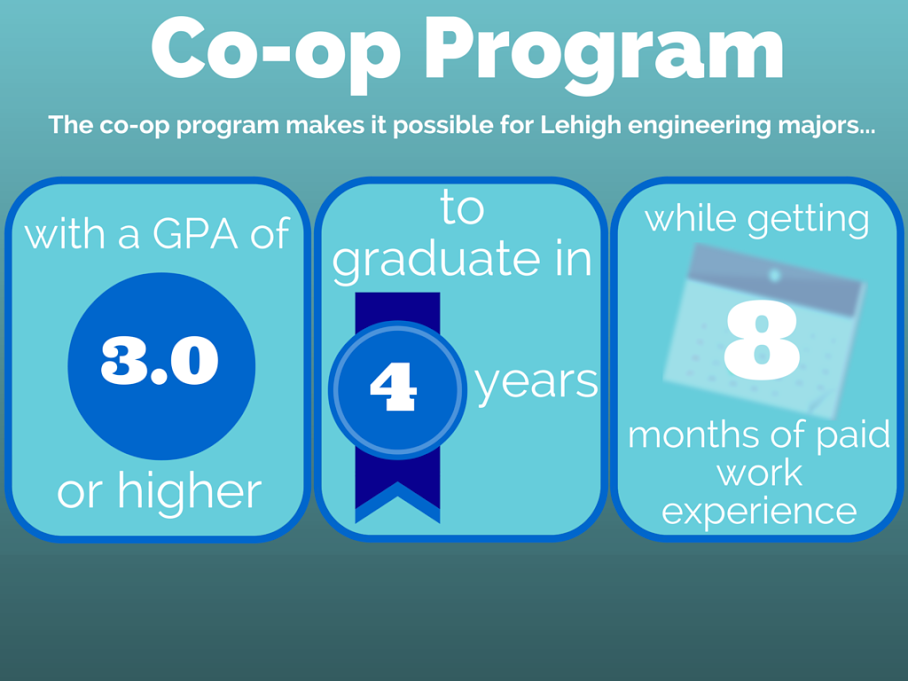
Understanding the mechanics of a co-op program is essential for any individual looking to mitigate student debt or any business owner seeking a cost-effective pipeline for high-quality talent. By integrating professional work into the curriculum, co-op programs transform the educational journey into a strategic career launchpad that prioritizes financial stability and real-world competency.
The Financial Mechanics of Cooperative Education: More Than Just a Job
The fundamental premise of a co-op program is the “sandwich” model of education. Typically, a student will alternate semesters of full-time study with semesters of full-time, paid employment in a field related to their major. This isn’t a part-time side hustle or a few hours of credit-earning volunteering; it is a full-time professional commitment. From a financial perspective, this structure offers a distinct advantage over the traditional internship model.
Distinguishing Co-ops from Traditional Internships
While the terms are often used interchangeably, the fiscal implications of a co-op are significantly different from those of an internship. Internships are often short-term (usually a summer), sometimes unpaid, and frequently viewed as “exploratory.” In contrast, co-ops are almost exclusively paid positions that last for multiple terms. Because the student is working full-time for four to eight months at a time, they are often treated as a junior employee rather than a temporary guest. This depth of involvement leads to higher wages and, in many cases, access to corporate benefits that a standard intern would never receive.
The Impact on Student Liquidity and Debt
The most immediate financial benefit of a co-op program is the ability to “pay as you go.” Many students in five-year co-op programs find that the income earned during their work terms can cover a significant portion, if not all, of their tuition for the following academic semester. This drastically reduces the reliance on high-interest student loans. Instead of graduating with a mountain of debt that compounds over time, co-op graduates often enter the workforce with a net-positive or neutral financial standing. When you factor in the “opportunity cost” of an extra year in school, the math still favors the co-op student because their entry-level salary is typically higher due to their extensive experience.
The Financial Advantages for Students: Funding Education Through Work
The primary driver for the rising popularity of co-op programs is the tangible ROI. In a “Money” context, a co-op is a tool for wealth preservation and early-career capital accumulation. By the time a co-op student graduates, they have often completed 12 to 24 months of professional work, allowing them to skip the “entry-level” wage bracket entirely upon graduation.
Offset Tuition Costs and Debt Mitigation
The average student loan debt continues to be a major hurdle for young professionals. A co-op program serves as a built-in scholarship funded by the student’s own labor. In high-demand fields like engineering, computer science, and finance, co-op students can earn between $20 and $40 per hour. Over a six-month term, this can equate to $20,000 or more in gross income. For a student who completes three such terms, that is $60,000 earned before even receiving a diploma. This capital can be used to pay for housing, books, and tuition, preventing the accumulation of interest on unsubsidized loans.
Competitive Salaries and Benefit Packages
In many instances, large corporations treat co-op students as a specialized tier of labor. It is not uncommon for co-op participants to receive relocation stipends, housing subsidies, and even 401(k) matching in some progressive jurisdictions. These financial perks represent a significant “hidden” income that isn’t reflected in the hourly wage alone. By participating in these programs, students begin the process of retirement planning and benefits management years before their peers, giving their investments more time to compound.

The Starting Salary Premium: Long-term ROI
The financial benefits of a co-op extend far beyond the graduation ceremony. Data consistently shows that graduates with co-op experience receive higher starting salary offers—often 10% to 15% higher than those without. Employers are willing to pay a premium for “turnkey” employees who don’t require basic professional training. Furthermore, many co-op students receive a “return offer” from one of their previous employers. This eliminates the expensive and stressful period of post-grad unemployment, ensuring a seamless transition into a high-earning bracket.
The Business Perspective: Why Companies Invest in Co-op Talent
From the perspective of business finance and corporate strategy, co-op programs are not an act of charity; they are a sophisticated recruitment and retention strategy. Hiring is one of the most expensive activities a company undertakes, with the cost of a single bad hire often reaching tens of thousands of dollars. Co-op programs serve as a low-risk, high-reward investment in human capital.
Cost-Effective Recruitment and Vetting
The cost of hiring a full-time professional includes recruiter fees, onboarding, and the inherent risk that the candidate may not fit the corporate culture. A co-op program allows a company to “test drive” a potential employee for six months at a lower salary rate than a full-time senior hire. If the student performs well, the company has a proven asset ready for a permanent role. This reduces the “time-to-productivity” once the student is hired full-time, as they already understand the company’s internal systems, software, and workflows.
Tax Incentives and Government Grants
In many regions, governments offer financial incentives to businesses that participate in cooperative education. These can come in the form of tax credits or direct wage subsidies. For a small to medium-sized enterprise (SME), these incentives can cover up to 50% or more of the student’s salary. This makes the co-op program an incredibly efficient way to increase a company’s output and complete specialized projects without the heavy financial burden of a full-time executive salary.
Boosting Productivity with Fresh Perspectives
Co-op students often bring the latest academic theories and technological fluencies into the workplace. In industries like fintech or data analytics, this “fresh blood” can lead to process improvements that save the company money. A co-op student tasked with automating a manual reporting process, for example, can save a department hundreds of man-hours per year. The ROI of the student’s salary is realized almost immediately through these operational efficiencies.
Maximizing the Value of Your Co-op Experience
To treat a co-op program as a true financial asset, students and professionals must approach it with a strategic mindset. It is not just about showing up and collecting a paycheck; it is about maximizing the “net worth” of the experience.
Strategic Networking for Future Earnings
The old adage “your network is your net worth” holds true in the co-op world. During a work term, a student has direct access to senior leadership, project managers, and industry experts. Cultivating these relationships can lead to mentorships that provide inside information on high-paying job openings or lucrative side hustles. A recommendation from a high-ranking executive is a financial asset that can be leveraged during salary negotiations later in one’s career.
Portfolio Building and Skill Monetization
Every project completed during a co-op term is a line item on a professional resume that justifies a higher billing rate. Students should focus on acquiring “high-income skills”—such as project management, specialized software proficiency, or financial modeling—that are in high demand. By documenting the financial impact they had on their co-op employer (e.g., “reduced operational costs by 12%”), they create a value proposition that makes them an irresistible (and expensive) candidate in the open market.
In conclusion, a co-op program is far more than an educational requirement; it is a sophisticated financial strategy. For the student, it is a way to hedge against the rising cost of education and build early-career wealth. For the employer, it is a cost-controlled method of talent acquisition and innovation. By viewing the co-op program through the lens of personal and business finance, participants can unlock a level of professional stability and earning potential that a classroom alone could never provide.
aViewFromTheCave is a participant in the Amazon Services LLC Associates Program, an affiliate advertising program designed to provide a means for sites to earn advertising fees by advertising and linking to Amazon.com. Amazon, the Amazon logo, AmazonSupply, and the AmazonSupply logo are trademarks of Amazon.com, Inc. or its affiliates. As an Amazon Associate we earn affiliate commissions from qualifying purchases.