
In the landscape of modern media, the classification of a “Christmas movie” has transcended simple storytelling to become one of the most potent brand categories in the global entertainment industry. While a casual viewer might define a holiday film by the presence of a decorated tree or a light dusting of snow, brand strategists and marketing executives view it through a different lens. To them, a Christmas movie is a sophisticated exercise in seasonal brand positioning, emotional resonance, and long-term audience loyalty. It is a product designed to be consumed, remembered, and—most importantly—revisited with ritualistic frequency.
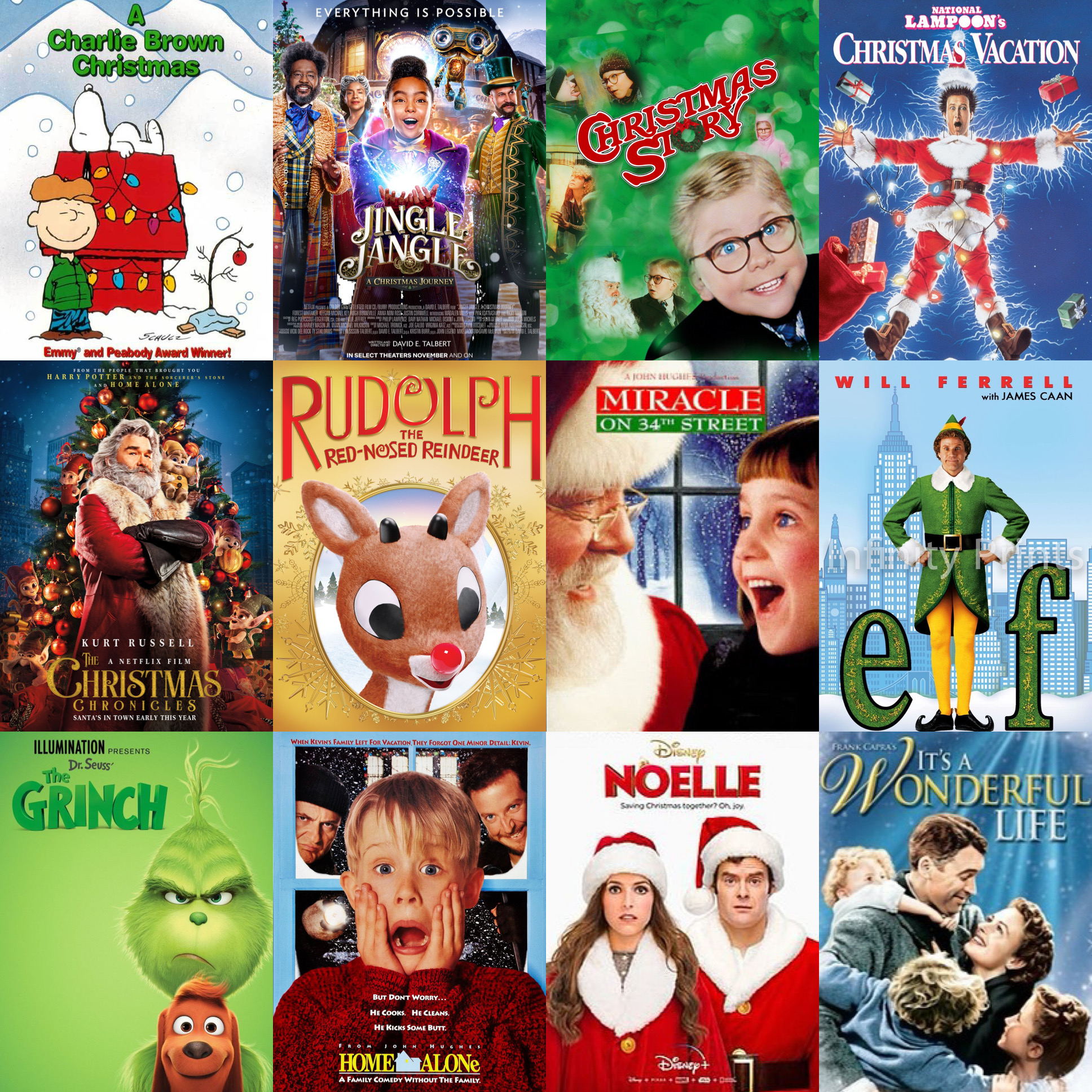
Understanding what constitutes a Christmas movie requires moving beyond the script and into the mechanics of brand identity. It is a genre defined not just by its narrative tropes, but by its ability to create a “brand world” that consumers want to inhabit year after year.
The Semiotics of Seasonal Branding: Creating the Visual and Emotional Identity
A brand is essentially a promise of an experience. For the “Christmas Movie” brand, that promise is rooted in a specific set of visual and emotional cues that signal safety, warmth, and nostalgia to the consumer. This is known as the semiotics of the genre—the signs and symbols that immediately communicate the brand’s value proposition.
The Visual Language of the Holiday Brand
From a design perspective, Christmas movies utilize a rigid color palette and aesthetic framework. The heavy use of forest greens, deep reds, and warm gold tones isn’t accidental; these colors are psychologically linked to tradition and comfort. When a streaming service thumbnail features a character in a red scarf against a snowy backdrop, it is performing a high-speed brand communication. It tells the viewer exactly what the “product” will feel like before they even click play.
This visual consistency is crucial for brand recognition. Much like the iconic Coca-Cola red or the Apple silhouette, the visual markers of a holiday film act as a shorthand for the consumer. In a saturated market where hundreds of new titles are released every November, sticking to these established brand assets ensures that the product is instantly categorized correctly by the audience’s subconscious.
Emotional Positioning and the “Cozy” Factor
In marketing, positioning is how a brand occupies a specific space in the consumer’s mind. Christmas movies position themselves in the “Emotional Security” niche. While other genres might seek to challenge, terrify, or intellectually stimulate, the Christmas movie brand is built on the foundation of the “cozy” aesthetic.
This positioning is a powerful tool for brand loyalty. By promising an emotional payoff—usually a resolution that emphasizes community, family, or personal transformation—the brand builds a “safe” reputation. Consumers return to these films during the holidays because they are looking for a reliable emotional ROI. They know exactly how the product will make them feel, reducing the “buyer’s remorse” often associated with trying a new, unbranded content experience.
The Hallmark Effect: Engineering Brand Consistency for Market Dominance
Perhaps no entity has mastered the branding of the holiday season better than Hallmark. Through its media wing, Hallmark has turned the “Christmas Movie” from a seasonal event into a high-output manufacturing process. Their strategy provides a masterclass in how to build a corporate identity around a single, highly specialized niche.
Consistency as a Brand Value
The Hallmark Channel’s success is built on extreme consistency. Every film follows a predictable narrative arc, features similar art direction, and maintains a specific moral tone. In many industries, predictability is seen as a weakness; in the world of seasonal branding, it is a massive competitive advantage.
Hallmark has successfully branded “predictability” as “reliability.” Their audience doesn’t tune in for a groundbreaking cinematic masterpiece; they tune in for the Hallmark Brand. By maintaining such tight control over their brand standards, they have created a “halo effect” where the brand itself is the star, rather than individual actors or directors. This allows for lower production costs and higher volume without alienating the core customer base.
Target Audience and Market Saturation
Hallmark’s brand strategy also involves a deep understanding of their primary demographic. They focus on “The Enthusiast”—the consumer who doesn’t just watch one holiday movie, but dozens. To serve this market, Hallmark employs a saturation strategy, releasing a relentless stream of content that ensures their brand remains top-of-mind throughout the entire fourth quarter. This is a classic example of “owning the season.” By the time competitors begin their holiday marketing, Hallmark has already established itself as the default destination for the genre.
Subverting the Genre: The Strategy of Alternative Holiday Branding
One of the most interesting developments in the “What is a Christmas movie?” debate is the rise of the alternative holiday brand. This occurs when a film that was not originally marketed as a Christmas movie is adopted by an audience and rebranded through grassroots enthusiasm.

The Die Hard Phenomenon: A Lesson in Brand Permission
The perennial debate over whether Die Hard is a Christmas movie is more than an internet meme; it is a fascinating case study in “Brand Permission.” This concept refers to the limits of what a brand can get away with before the consumer stops believing it.
Initially, Die Hard was branded as a high-octane summer action blockbuster. However, because it uses the holiday season as its setting, it possessed latent brand assets that fans eventually activated. Over time, the audience gave the film “permission” to occupy the Christmas movie category. Recognizing this shift, 20th Century Fox (now Disney) eventually leaned into this rebranding, releasing “Christmas editions” of the Blu-ray and creating holiday-themed trailers. This shows how a brand can be successfully repositioned by listening to the cultural conversation and validating the audience’s interpretation.
Creating a Unique Market Position
Alternative Christmas movies like The Nightmare Before Christmas or Gremlins serve a specific market segment: the “Counter-Brand” consumer. These are individuals who want to participate in the seasonal ritual but find the traditional, saccharine holiday brand to be off-putting.
By blending Christmas aesthetics with horror, dark comedy, or gothic fantasy, these films create a unique hybrid brand. This allows them to capture a niche audience that the mainstream holiday brands (like Hallmark or Disney) often ignore. From a strategic standpoint, this is “blue ocean” thinking—finding a space in the market where there is little competition by subverting the established rules of the genre.
The Digital Shelf: How Algorithms and Metadata Define the Brand
In the era of streaming, the definition of a Christmas movie is increasingly determined by data and digital infrastructure. For platforms like Netflix, Disney+, and Amazon Prime, a Christmas movie is defined by its metadata—the tags and keywords that allow it to be surfaced by a search algorithm.
Metadata and the Search for “Cozy”
Streaming platforms use sophisticated categorization to guide consumer behavior. A movie might be tagged as “Holiday,” “Feel-good,” “Romantic,” and “Family-friendly.” When these tags intersect, the algorithm effectively “brands” the film as a Christmas movie for the user.
This digital branding is incredibly influential. If a platform places a film in the “Christmas Favorites” row, it receives a massive boost in visibility. Consequently, creators are now producing content specifically designed to hit these algorithmic targets. They are “designing for the shelf,” ensuring their films have the right keywords, visual thumbnails, and tropes to be picked up by the holiday recommendation engines.
Netflix’s Content Strategy: Quantity vs. Distinctive Identity
Netflix has aggressively pursued the holiday brand by creating its own “Christmas Movie Universe” (e.g., The Princess Switch, A Christmas Prince). Their strategy is to use the holiday season as a customer retention tool. By offering a high volume of exclusive holiday content, they prevent “churn”—the tendency of users to cancel their subscriptions once a specific show ends.
However, this high-volume approach poses a brand risk: dilution. If every movie looks and feels the same, the individual titles lose their identity. Netflix combats this by creating “tentpole” holiday brands—bigger budget films like Klaus or The Christmas Chronicles—that offer higher production value and a more distinct brand voice. This creates a “tier system” within their holiday portfolio, catering to both the casual viewer and the enthusiast.
The Economic Legacy: Building a Brand That Lasts Decades
The ultimate goal of any brand is longevity. A successful Christmas movie brand isn’t just profitable for one season; it becomes a recurring revenue stream that pays dividends for decades. This is the “legacy brand” stage, where a film becomes a permanent part of the cultural fabric.
Merchandising and Intellectual Property
A strong holiday brand extends far beyond the screen. Films like Elf or The Grinch have evolved into massive intellectual property (IP) engines. Their branding is seen on pajamas, coffee mugs, home decor, and even theme park attractions.
This multi-channel brand presence reinforces the film’s status. Every time a consumer buys a piece of Elf merchandise, they are re-engaging with the brand and increasing the likelihood that they will watch the movie again that December. This creates a self-sustaining cycle of brand reinforcement. The movie sells the merchandise, and the merchandise sells the movie.

Future-Proofing the Seasonal Brand
To maintain a holiday brand over decades, companies must balance tradition with evolution. A brand that feels too dated will eventually lose its relevance with younger generations.
The most successful holiday brands manage this through “Brand Refreshing.” This can involve high-definition remasters of classic films, new sequels that introduce younger characters, or social media campaigns that keep the brand “in the conversation.” The goal is to ensure that the brand’s core values—nostalgia, warmth, and joy—remain constant, while the delivery and marketing tactics adapt to the modern landscape.
In conclusion, a Christmas movie is far more than a film set in December. It is a meticulously crafted brand that leverages specific visual cues, emotional positioning, and algorithmic visibility to capture a unique space in the consumer’s life. Whether it is a manufactured Hallmark romance or a grassroots action classic, the “Christmas Movie” brand succeeds because it offers something few other brands can: a guaranteed, recurring emotional experience that becomes a part of the consumer’s own personal tradition. In the world of branding, there is no greater achievement than becoming a ritual.
aViewFromTheCave is a participant in the Amazon Services LLC Associates Program, an affiliate advertising program designed to provide a means for sites to earn advertising fees by advertising and linking to Amazon.com. Amazon, the Amazon logo, AmazonSupply, and the AmazonSupply logo are trademarks of Amazon.com, Inc. or its affiliates. As an Amazon Associate we earn affiliate commissions from qualifying purchases.