
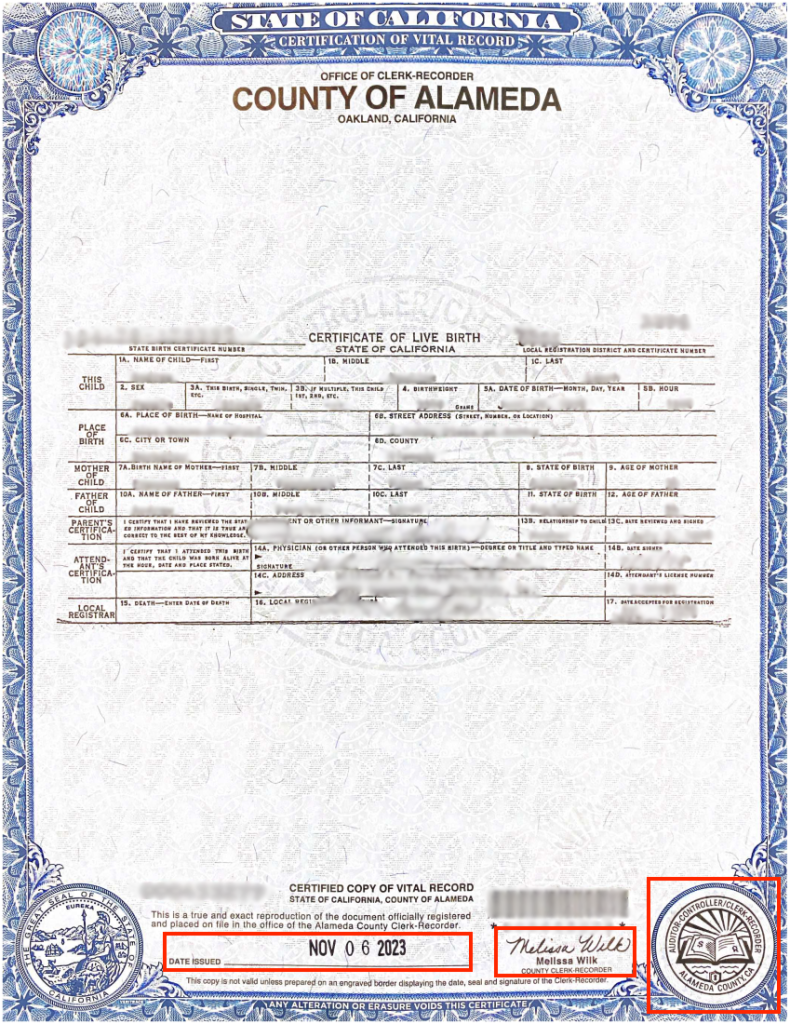
Authentication of a birth certificate—often referred to officially as an Apostille or legalization—is a critical procedural step that transforms a domestic record into a recognized international asset. From a financial perspective, this process is far more than a bureaucratic formality; it is the fundamental “key” required to unlock cross-border wealth management, international investment opportunities, and sophisticated estate planning. In an era where high-net-worth individuals and savvy investors seek to diversify their portfolios across multiple jurisdictions, understanding the mechanics and implications of document authentication is essential for maintaining financial sovereignty and operational agility.
The Financial Gateway: Unlocking International Banking and Global Markets
The primary financial driver behind authenticating a birth certificate is the requirement for rigorous Know Your Customer (KYC) and Anti-Money Laundering (AML) compliance in the global banking sector. When an investor moves to open a private bank account in a foreign jurisdiction—whether it be a wealth management hub like Switzerland, Singapore, or the Cayman Islands—the financial institution must verify the individual’s identity with absolute certainty.
Facilitating High-Tier Foreign Banking
Domestic documents are generally not recognized at face value by foreign financial institutions because the receiving bank has no way to verify the seal or signature of the issuing local official. Authentication bridges this gap. By obtaining an Apostille (for countries part of the Hague Convention) or a letter of legalization (for non-Hague countries), you provide the bank with a verified chain of custody for your identity. This allows for the seamless transfer of capital and the establishment of credit lines in foreign currencies, which are vital for hedging against domestic inflation and market volatility.
Direct Foreign Investment and Corporate Ownership
For those looking to expand a business footprint or invest in foreign real estate, authentication is often the first hurdle. In many jurisdictions, you cannot register a company or hold title to significant commercial property without first providing authenticated proof of your legal existence and capacity. Authenticating your birth certificate allows you to act as a shareholder or director in foreign entities, enabling the legal structuring of offshore holdings that can offer significant tax efficiencies and asset protection benefits.
Accessing Citizenship by Investment (CBI) Programs
A significant trend in the “Money” niche is the rise of Citizenship by Investment or Residency by Investment programs (often called Golden Visas). These programs allow individuals to acquire a second passport or permanent residency in exchange for a substantial financial contribution to a host country’s economy. Every reputable CBI program requires an authenticated birth certificate as a foundational document. This “financial migration” allows investors to access more favorable tax regimes, avoid capital controls in their home country, and secure a “Plan B” for their family’s financial future.
Asset Protection and the Architecture of Multi-Jurisdictional Trusts
Beyond simple banking, authenticating a birth certificate is a prerequisite for the creation of sophisticated legal structures designed for long-term wealth preservation. Asset protection is a cornerstone of professional financial planning, and the strength of that protection often depends on the validity of the documents used to establish it.
Establishing Foreign Trusts and Foundations
High-net-worth individuals often use foreign trusts or private foundations to shield assets from litigious environments or political instability. These entities are governed by the laws of the jurisdiction in which they are formed (e.g., the Cook Islands or Nevis). To name yourself or your family members as beneficiaries or protectors of these trusts, you must provide authenticated proof of identity. If a birth certificate is not properly authenticated, the entire legal structure could be vulnerable to challenges in court, potentially exposing the assets to creditors or legal adversaries.
Cross-Border Estate Planning and Succession
Wealth transfer is one of the most complex financial challenges families face, particularly when assets are spread across different countries. When an individual passes away, their heirs must navigate the probate laws of every country where the deceased held property. Authentication of the heirs’ birth certificates is required to prove lineage and entitlement to the estate. By authenticating these documents in advance, families can drastically reduce the time and legal costs associated with international succession, ensuring that wealth is transferred efficiently and without the erosion caused by protracted legal battles.

Mitigating Regulatory Risk
In the current global financial climate, transparency is increasing due to the Common Reporting Standard (CRS) and the Foreign Account Tax Compliance Act (FATCA). Authenticating your documents ensures that you are operating within the legal framework of your host country. It provides a “clean” trail for regulators, proving that your identity and your financial structures are legitimate. This transparency actually serves as a layer of protection, as it minimizes the risk of your accounts being frozen or flagged for investigation due to unverifiable documentation.
The ROI of Document Legalization: Costs, Logistics, and Strategic Timing
While authentication may seem like a minor administrative cost, it should be viewed through the lens of Return on Investment (ROI). The “cost” of not having an authenticated birth certificate when a financial opportunity arises can be measured in lost interest, missed market entries, or exorbitant “rush” fees for expedited legal services.
Understanding the Process: Apostille vs. Legalization
The financial professional must distinguish between the two primary paths of authentication. The Apostille process is a streamlined method used between countries that are members of the 1961 Hague Convention. It involves a single stamp from a state or national authority that makes the document valid in all other member nations. Legalization, conversely, is for non-member countries and is more expensive and time-consuming, often requiring stamps from the Secretary of State, the National Department of State, and finally, the consulate of the destination country.
Factoring in Indirect Costs
When budgeting for global expansion, one must consider the indirect costs of authentication:
- Translation Services: Most foreign jurisdictions require a certified and notarized translation of the birth certificate alongside the authenticated original.
- Courier Fees: Secure international shipping is necessary to handle these sensitive documents, as loss can lead to identity theft and significant financial disruption.
- Professional Intermediaries: Many investors hire specialized agencies to handle the “chain of authentication” to ensure no errors are made, as a single mistake in the seal sequence can lead to a rejection by a foreign bank, costing weeks of time and potential investment gains.
Strategic Timing and Document Vitality
From a financial planning perspective, authentication should be proactive rather than reactive. Many authentication seals have a “de facto” expiration date in the eyes of foreign banks (often six to twelve months). Therefore, investors should time their authentication requests to align with planned property closings, business formations, or the opening of new investment accounts. Keeping a “ready folder” of recently authenticated documents is a hallmark of a well-organized family office or professional investor.
Identity as Capital: The Future of Verified Financial Sovereignty
In the digital age, the concept of identity is shifting, but the birth certificate remains the “root of trust” for the global financial system. Authenticating this document is, in essence, the act of certifying your primary human capital. As we move toward more integrated global markets, the ability to prove who you are across borders is becoming as valuable as the capital you intend to move.
The Role of Digital Authentication
While the physical Apostille remains the gold standard, we are seeing the emergence of e-Apostilles and blockchain-verified identity tokens. Investors who stay ahead of these technological shifts in authentication can move capital faster than those relying on traditional, slow-moving bureaucratic channels. However, even in a digital world, the underlying requirement remains the same: a government-backed verification of your origin and identity.
Building a Borderless Financial Legacy
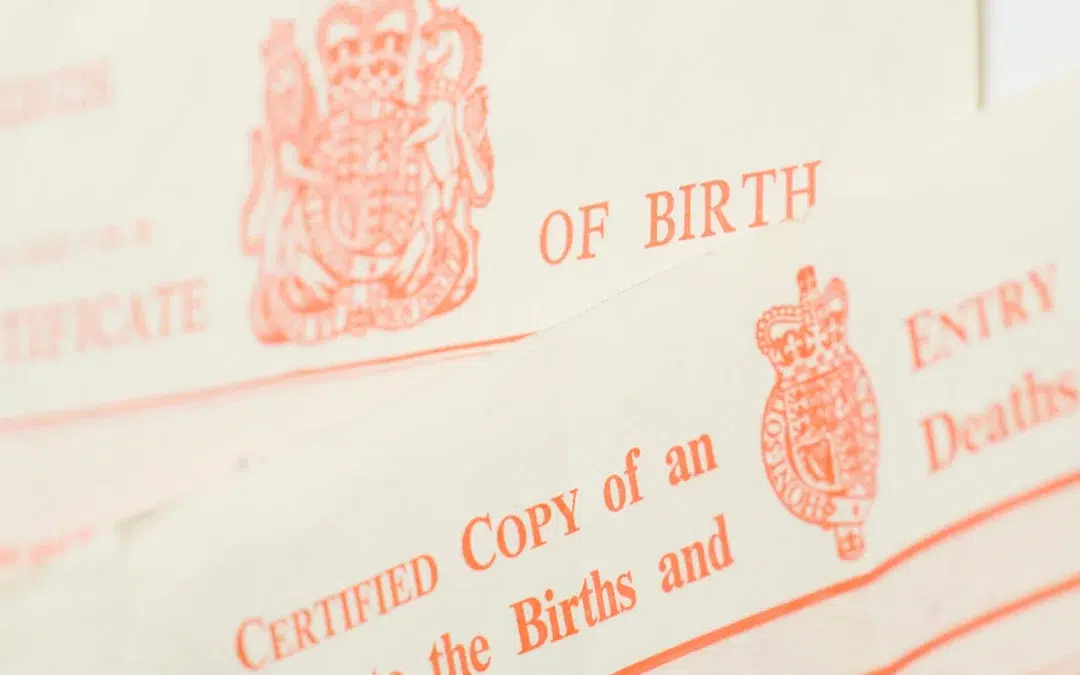
Ultimately, authenticating your birth certificate is an investment in your own mobility. It provides the flexibility to pivot your financial strategy in response to changing tax laws, economic downturns, or geopolitical shifts. By ensuring your foundational documents are recognized globally, you are not just fulfilling a requirement; you are building a bridge to a broader world of financial opportunity.
In conclusion, the authentication of a birth certificate is a critical milestone for any individual serious about international finance. It facilitates the opening of foreign bank accounts, enables the legal formation of offshore entities, secures asset protection structures, and streamlines cross-border inheritance. By treating document legalization as a strategic financial task rather than a chore, you ensure that your wealth is not “trapped” within a single jurisdiction, but is instead positioned to thrive in the global economy. Whether you are an entrepreneur, a retiree looking for a foreign residence, or an investor seeking diversification, the authenticated birth certificate is your most essential tool for securing a prosperous and mobile future.
aViewFromTheCave is a participant in the Amazon Services LLC Associates Program, an affiliate advertising program designed to provide a means for sites to earn advertising fees by advertising and linking to Amazon.com. Amazon, the Amazon logo, AmazonSupply, and the AmazonSupply logo are trademarks of Amazon.com, Inc. or its affiliates. As an Amazon Associate we earn affiliate commissions from qualifying purchases.