
Air travel is a high-stakes game of mathematical probability and revenue management. For the average passenger, an overbooked flight is a stressful inconvenience; for the airline, it is a calculated financial maneuver designed to maximize yield and mitigate the losses associated with “no-shows.” Understanding what happens when a flight is overbooked requires more than just knowing your gate number—it requires a deep dive into the financial structures of the aviation industry and the consumer rights that govern your compensation.
When you purchase a ticket, you are entering a contract of carriage. However, that contract often allows the airline to sell more “assets” (seats) than they physically possess. This article explores the financial mechanics of overbooking, the regulatory frameworks that protect your wallet, and the strategies savvy travelers use to turn a travel hiccup into a financial windfall.
The Economics of Overbooking: Why Airlines Bet Against Full Cabins
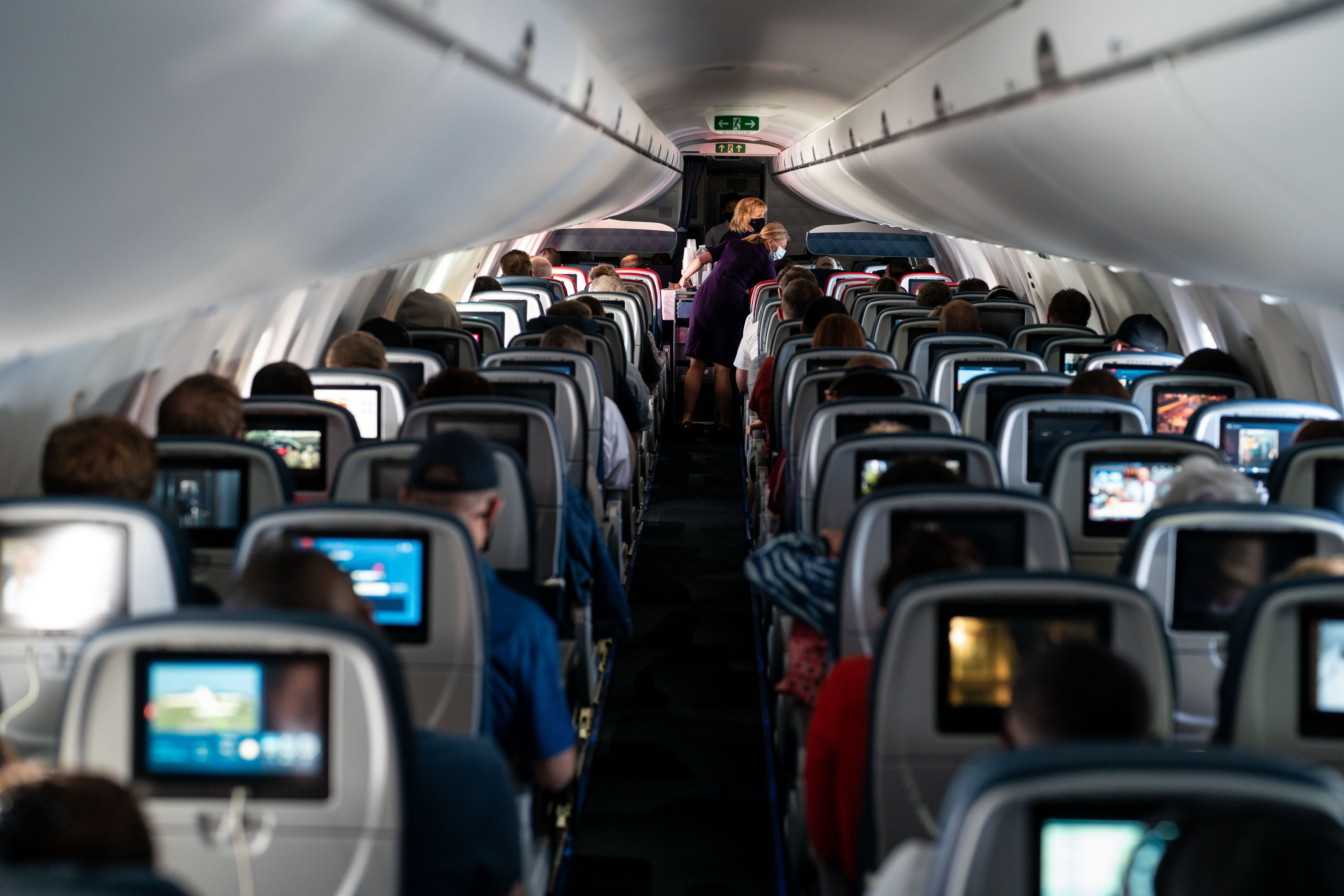
At its core, overbooking is a risk-mitigation strategy. Every empty seat on a departing aircraft represents “perished inventory”—revenue that can never be recovered once the cabin door closes. To prevent this loss, airlines utilize sophisticated yield management algorithms to predict how many passengers will fail to show up for a flight due to cancellations, missed connections, or simple tardiness.
Revenue Management and Statistical Modeling
Airlines employ teams of data scientists to analyze historical booking data, weather patterns, and even local economic indicators to determine the optimal overbooking ratio for a specific route. If a flight between New York and London historically sees a 5% no-show rate, the airline may sell 105% of the cabin’s capacity.
Financially, the goal is to reach a “load factor” of 100% at departure. If the airline under-calculates and everyone shows up, they face a “bump” situation. However, the profit generated from the extra tickets sold across thousands of flights usually far outweighs the occasional cost of compensating a bumped passenger. This is a game of scale where the airline is the house, and the house usually wins.
The Cost-Benefit Analysis of the “Bump”
When a flight is overbooked, the airline must weigh the cost of “Denied Boarding Compensation” (DBC) against the revenue gained from the extra seats sold. If an airline can sell an extra last-minute business class seat for $3,000 but only has to pay a bumped economy passenger $800 in compensation, the financial decision is clear. Overbooking is not an accident; it is an intentional economic choice to ensure the aircraft is generating the maximum possible revenue per available seat mile (RASM).
Financial Rights: Navigating Compensation Frameworks
When an airline’s gamble fails and more passengers arrive than seats exist, the situation moves from the realm of revenue management to consumer finance and regulation. There are two types of denied boarding: voluntary and involuntary. Each has distinct financial implications for the passenger.
Voluntary Denied Boarding (VDB)
Before an airline can forcibly remove anyone, they are legally required in many jurisdictions—including the United States—to solicit volunteers to give up their seats in exchange for compensation. This is where the negotiation begins.
The airline will typically start with a low-value offer, such as a $200 travel voucher. However, because there is no federal ceiling on what an airline can offer for a volunteer, this is a marketplace of supply and demand. If no one bites, the offer rises. It is not uncommon for offers to reach $1,000, $2,000, or even higher in extreme cases. For the financially savvy traveler, this is an opportunity to generate “travel alpha,” essentially getting paid to travel at a later time.
Involuntary Denied Boarding (IDB) and Mandatory Payouts
If not enough volunteers come forward, the airline must move to involuntary denied boarding. This is strictly regulated by the Department of Transportation (DOT) in the U.S. and under Regulation EC 261/2004 in the European Union.
In the U.S., the amount of compensation is tied directly to the price of your ticket and the length of the delay in reaching your destination:
- Short Delays: If the airline can get you to your destination within one to two hours of your original arrival time (domestic) or one to four hours (international), they must pay you 200% of your one-way fare, with a current cap around $775.
- Long Delays: If the delay exceeds two hours (domestic) or four hours (international), or if the airline does not make substitute travel arrangements for you, the compensation jumps to 400% of your one-way fare, capped at approximately $1,550.
These payments are meant to be immediate. The airline is required to offer you a check or cash on the spot, rather than a voucher, if you insist.
The Negotiation Phase: Maximizing Your Financial Return
The moment a gate agent announces an overbooked flight, a micro-economy is created. To maximize your financial return, you must understand the difference between “book value” and “market value” in the context of airline compensation.
Cash vs. Vouchers: The Hidden Exchange Rate
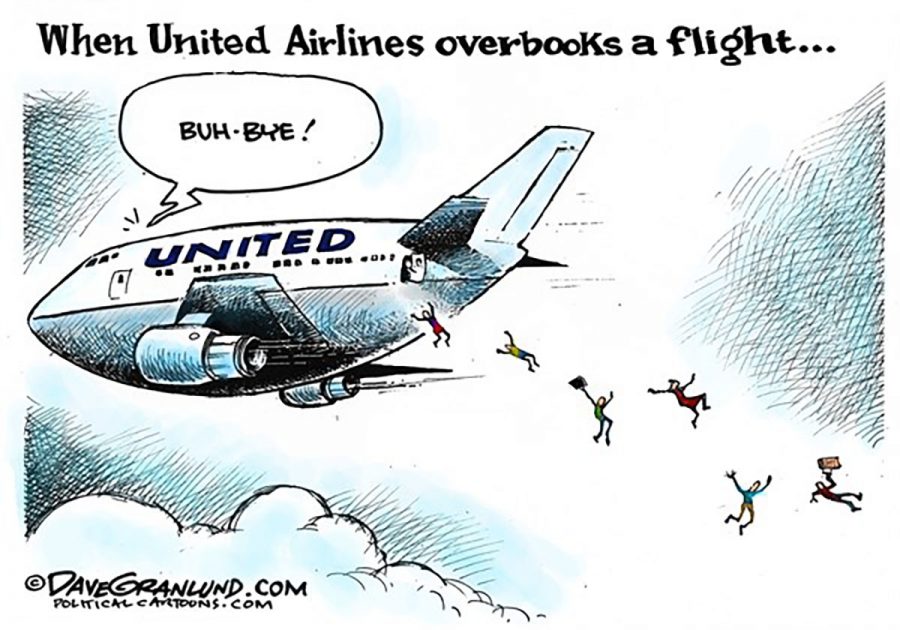
Airlines prefer to issue vouchers because they have a high breakage rate—meaning many go unused—and they keep the money within the airline’s ecosystem. A $500 voucher costs the airline significantly less than $500 in cash.
As a passenger, you should always push for cash or a “cash-equivalent” (like a prepaid Visa card). If you do accept a voucher, ensure it has no “blackout dates” and is transferable. Furthermore, calculate the opportunity cost: Is a $400 voucher worth a six-hour delay? If your time is worth $100 an hour, you are essentially breaking even. Aim for compensation that significantly exceeds the value of your time and the inconvenience caused.
Leveraging Ancillary Expenses
When negotiating your voluntary bump, do not focus solely on the primary compensation. The airline’s goal is to resolve the overbooking as cheaply as possible, but they have “soft costs” they can easily cover. Demand that the airline includes:
- Meal Vouchers: Sufficient to cover high-quality airport dining.
- Hotel Accommodations: If the next available flight is the following day.
- Ground Transportation: Vouchers for Ubers or taxis to and from the hotel.
- Lounge Access: A high-value, low-cost perk for the airline that can make your wait significantly more comfortable.
Involuntary Denied Boarding: Financial Recourse and Legal Safeguards
Being “bumped” against your will is a different financial beast. While the DOT mandates specific compensation amounts, there are nuances that can affect your payout.
The “Threshold” of Denied Boarding
To be eligible for the mandatory 200% or 400% payouts, you must have a confirmed reservation, have met the check-in deadline, and have presented yourself at the gate on time. If you are late to the gate, the airline can deny you boarding without paying a cent in compensation, as you have breached the contract.
Furthermore, compensation is not required if the airline swaps to a smaller aircraft for safety or mechanical reasons, though most reputable carriers will still offer some form of goodwill gesture.
Duty of Care and EU 261
If you are flying within, to, or from the European Union on an EU-based carrier, you are protected by EC 261. This regulation is often more consumer-friendly than U.S. laws. It provides fixed compensation based on the distance of the flight:
- Short-haul (<1,500km): €250
- Medium-haul (1,500km – 3,500km): €400
- Long-haul (>3,500km): €600
Unlike the U.S., these amounts are fixed and do not depend on the ticket price. Additionally, EU regulations mandate a “duty of care,” requiring airlines to provide food, drinks, and communications regardless of the reason for the overbooking.
Long-term Financial Planning for Travelers
Strategic travelers view overbooking as a part of their broader financial portfolio. By positioning yourself to benefit from these disruptions, you can effectively subsidize your annual travel budget.
Credit Card Insurance and External Protection
Many premium credit cards (such as the Chase Sapphire Reserve or American Express Platinum) offer trip delay and cancellation insurance. While these typically don’t pay out “bonuses” for overbooking, they cover expenses that the airline might fight you on, such as high-end meals or missed non-refundable tours at your destination. Knowing your credit card’s benefits allows you to negotiate with the airline from a position of strength, knowing your “downside” is protected by your financial institution.

Using Disruption to Fund Future Travel
Some travelers intentionally book flights on “high-load” days—such as the Sunday after Thanksgiving or Monday mornings on popular business routes—specifically to increase their chances of being bumped. By volunteering for a bump and securing a $1,000 voucher, a traveler can effectively fund their next international vacation.
However, this requires a flexible schedule and a clear understanding of the airline’s financial incentives. It is a form of “travel hacking” that treats airline seats as tradable commodities rather than just a means of transport.
In conclusion, when a flight is overbooked, the airline is essentially asking to buy back the seat they sold you. Like any financial transaction, the outcome depends on your knowledge of the rules and your ability to negotiate. By understanding the economics of yield management and the regulatory protections afforded to you, you can transform a moment of travel frustration into a significant financial gain.
aViewFromTheCave is a participant in the Amazon Services LLC Associates Program, an affiliate advertising program designed to provide a means for sites to earn advertising fees by advertising and linking to Amazon.com. Amazon, the Amazon logo, AmazonSupply, and the AmazonSupply logo are trademarks of Amazon.com, Inc. or its affiliates. As an Amazon Associate we earn affiliate commissions from qualifying purchases.