
Navigating the financial ecosystem of e-commerce requires a clear understanding of how capital flows between consumers, platforms, and third-party vendors. When you click the “Cancel Order” button on Amazon, you aren’t just stopping a delivery; you are initiating a complex sequence of financial reversals within the global banking system. For the modern consumer, understanding the lifecycle of a cancellation is essential for effective cash flow management and personal financial planning.
Whether it is a case of buyer’s remorse, an accidental purchase, or a realization that a better deal exists elsewhere, the financial implications of a cancellation vary significantly based on timing, payment method, and the nature of the merchant.

The Financial Mechanics of an Amazon Cancellation
The most critical factor in an Amazon cancellation is the distinction between a “pending authorization” and a “settled charge.” Unlike a traditional retail transaction where money might leave your hands immediately, digital commerce utilizes a two-step verification process to ensure the security of funds.
Authorizations vs. Settled Charges
When you place an order on Amazon, the platform typically does not “charge” your card immediately. Instead, it contacts your financial institution to place an “authorization hold” on the total amount. This hold ensures that the funds are available and prevents you from spending that money elsewhere. From a personal finance perspective, this money is “locked,” even if it hasn’t officially left your account.
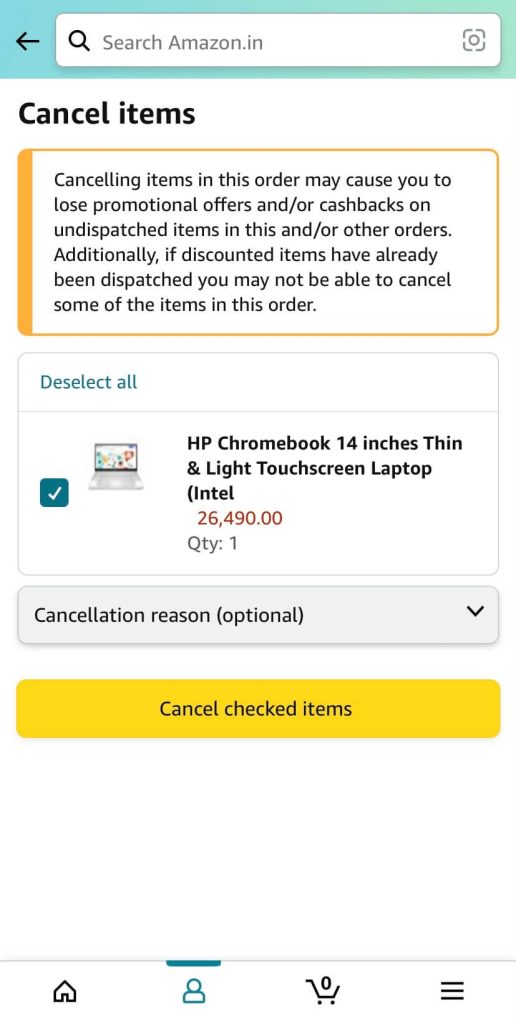
If you cancel the order before the shipping process begins—usually within a 30-minute to two-hour window—Amazon simply sends a notification to your bank to release the hold. Because the transaction was never “settled,” no money actually moved. The “charge” disappears from your statement as if it never happened.
The “Point of No Return” in Logistics
Once an order moves into the “Preparing for Shipment” phase, the financial status shifts. At this stage, Amazon may settle the charge to prepare for the logistics costs associated with the order. If you attempt to cancel at this point, Amazon may inform you that the cancellation is not guaranteed. If the cancellation fails, the transaction is fully settled, and you must transition from a “cancellation” mindset to a “refund” mindset, which carries different financial timelines.
Impact on Consumer Cash Flow and Refund Timelines
For individuals managing a tight monthly budget, the time it takes for funds to return to a liquid state is a primary concern. The speed at which your purchasing power is restored depends almost entirely on the financial instrument used for the transaction.
Debit Cards and the “Hold” Dilemma
Debit cards are often the most problematic during a cancellation. Because debit cards are linked directly to a checking account, an authorization hold can lower your “available balance” even while your “actual balance” remains higher. If you cancel an order, your bank may take 3 to 10 business days to process the release of that hold. For someone living paycheck to paycheck, having several hundred dollars tied up in a “pending” status for a canceled laptop or appliance can cause significant financial strain, potentially leading to overdraft fees on other automated payments.
Credit Cards and Balance Restoration
Credit cards offer more flexibility. Since you are spending the bank’s money rather than your own, a pending authorization only affects your “available credit.” Once a cancellation is processed, the credit limit is typically restored within 1 to 3 business days. This makes credit cards a safer financial tool for large Amazon purchases where there is a possibility of cancellation, as it protects the consumer’s immediate liquid cash.
Amazon Gift Cards and Account Balances
From a speed perspective, Amazon Gift Cards are the most efficient. If you purchase an item using an Amazon balance and cancel the order, the funds are usually restored to your Amazon account almost instantaneously. While this provides immediate “store credit,” it is a less liquid form of wealth since those funds cannot easily be converted back into cash for non-Amazon expenses like rent or utilities.

The Business Side: How Cancellations Affect Sellers and the Marketplace
While consumers focus on their own refunds, every cancellation triggers a series of financial consequences for the entities on the other side of the screen. Amazon’s marketplace is comprised of millions of third-party sellers who operate on thin margins.
Transaction Fees and Sunk Costs
For a third-party seller, a cancellation is not a “neutral” event. Even if an order is canceled before shipping, there are administrative costs associated with inventory management. If the order is canceled after it has been packed or labeled, the seller may have already incurred labor costs. Furthermore, if a cancellation occurs after an item has been shipped, the seller is often on the hook for the shipping fees and the “referral fees” that Amazon charges, which can range from 8% to 15% of the item’s price.
Inventory Management and Opportunity Cost
In the world of business finance, inventory is capital. When an item is “ordered,” it is removed from the seller’s active inventory. If a buyer cancels an order after several days, that item has effectively been “off the market” during that period. For high-demand items or seasonal goods, this represents a significant opportunity cost. The seller lost the chance to sell that item to a committed buyer while the capital was tied up in a pending transaction with a canceling buyer.
Account Health and Financial Viability
Amazon tracks a metric known as the “Pre-fulfillment Cancel Rate.” If a seller has to cancel an order because they ran out of stock, it hurts their standing. Conversely, while buyer-initiated cancellations don’t directly penalize the seller’s metrics, a high volume of “return-to-sender” cancellations can lead to increased scrutiny from Amazon’s financial algorithms. This can lead to held disbursements, where Amazon freezes a seller’s revenue to ensure there are enough funds to cover potential future returns, directly impacting the seller’s business cash flow.
Strategic Consumer Finance: Navigating Disputes and Non-Refundable Scenarios
Not all Amazon “orders” are created equal, and the financial rules change depending on the asset class of the purchase. To protect your personal finances, it is vital to recognize where the standard cancellation rules do not apply.
Digital Goods and Subscriptions
The financial finality of digital products is much higher than physical goods. When you purchase a Kindle book, a Prime Video rental, or a software download, the transaction is often settled instantly. Most digital purchases are non-refundable once the download has started or the “Watch Now” button has been clicked. For subscriptions like Amazon Music or Kindle Unlimited, canceling usually means you retain access until the end of the current billing cycle, but you rarely receive a pro-rated refund for the remaining days. This is a “sunk cost” that consumers must factor into their digital spending habits.
High-Value Items and Fraud Detection
When canceling a high-value item—such as a $2,000 MacBook or a piece of jewelry—the financial institution’s fraud detection systems may be triggered. Rapidly placing and then canceling a large order can look like “card testing” or suspicious activity to a bank. This can lead to a temporary freeze on your entire credit card or bank account. If you are making a large purchase and realize you need to cancel, it is often wise to notify your bank’s fraud department if the refund or hold release doesn’t appear within the expected timeframe.
The Role of Chargebacks
In rare instances, an Amazon cancellation might glitch, or a third-party seller might refuse to honor a cancellation request. Consumers may feel tempted to initiate a “chargeback” through their bank. From a financial strategy standpoint, this should be the absolute last resort. Amazon, like most major retailers, views chargebacks as a hostile financial move. Initiating a chargeback can result in the permanent banning of your Amazon account, which includes the loss of access to digital libraries, cloud storage, and any remaining gift card balances.
Financial Best Practices for Amazon Shopping
To minimize the negative impact of cancellations on your financial health, consider the following strategies:
- The 15-Minute Rule: Treat every purchase as final. If you have any doubts, wait 15 minutes before hitting the “Buy” button. This prevents the “pending hold” cycle entirely.
- Use a Dedicated Credit Card: For online shopping, use a credit card with a high limit rather than a debit card. This keeps your actual cash liquid and ensures that “holds” don’t interfere with your ability to pay for daily necessities.
- Review Third-Party Policies: Before buying from a “Marketplace” seller, check their specific return and cancellation policies. Some sellers may charge a restocking fee if a cancellation is initiated too late.
- Track Your Refunds: Use a financial tracking app or a simple spreadsheet to ensure that every canceled order results in a released hold or a refund. In the high-volume environment of e-commerce, a small percentage of refunds can occasionally “fall through the cracks” of banking automation.
By understanding the movement of money behind the “Cancel Order” button, you can better navigate the digital marketplace, protect your credit score, and maintain a healthier relationship with your personal finances. Amazon’s infrastructure is designed for speed, but the banking system is built for verification—knowing how these two systems interact is the key to savvy online spending.
aViewFromTheCave is a participant in the Amazon Services LLC Associates Program, an affiliate advertising program designed to provide a means for sites to earn advertising fees by advertising and linking to Amazon.com. Amazon, the Amazon logo, AmazonSupply, and the AmazonSupply logo are trademarks of Amazon.com, Inc. or its affiliates. As an Amazon Associate we earn affiliate commissions from qualifying purchases.