
The conclusion of the Skywalker Saga with Episode IX marked more than just the end of a multi-generational narrative; it signaled a critical inflection point for one of the most valuable corporate identities in history. For Lucasfilm and its parent company, Disney, the post-Rise of Skywalker era is not merely about what happens to the characters on screen, but how a legacy brand survives the retirement of its primary marketing engine. When the central pillar of a brand—the Skywalker name—is retired, the strategy must shift from nostalgia-driven consumption to the construction of a sustainable, multi-platform ecosystem.
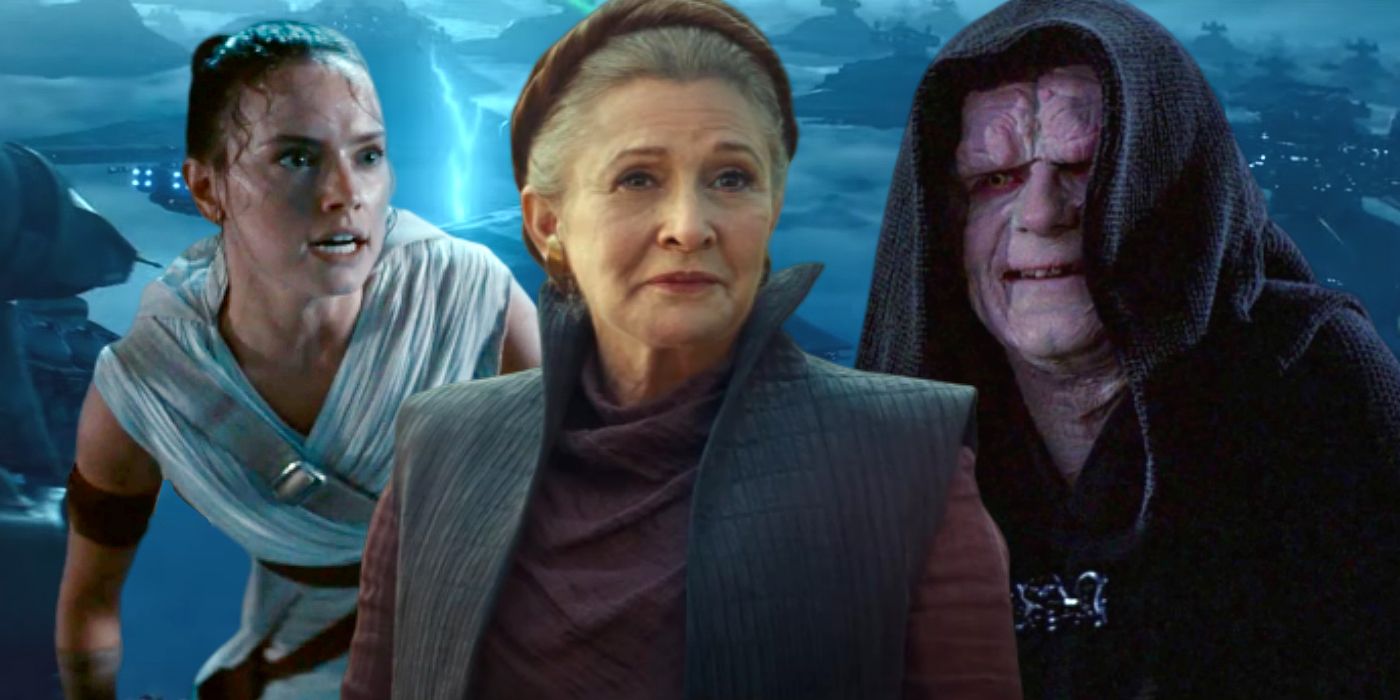
The challenge of managing a post-Skywalker world is a masterclass in brand evolution. It requires a delicate balance between honoring a storied past and innovating for a consumer base that is increasingly wary of franchise fatigue. This transition defines how modern intellectual properties (IP) are managed in an age where the product is no longer just a film, but a continuous lifestyle experience.
De-Aging the Brand: Moving Beyond the Nostalgia Trap
For decades, the Star Wars brand was synonymous with the Skywalker family tree. While this provided a sturdy foundation for three trilogies, it also created a “nostalgia trap.” From a brand strategy perspective, over-reliance on legacy characters creates a high barrier to entry for new audiences and limits the creative bandwidth for expansion. What happens after Rise of Skywalker is a concerted effort to “de-age” the brand—refreshing its identity so it can exist independently of the original 1977 iconography.
Establishing New Brand Pillars
To move forward, the brand has had to identify new pillars of value. Instead of focusing on specific characters, the strategy has shifted toward “Vibe-based Branding.” This involves leaning into the aesthetic and thematic elements that make Star Wars unique—the “lived-in universe,” the conflict between light and dark, and the frontier-style storytelling—rather than specific lineage. By prioritizing the setting over the surnames, the brand gains the flexibility to tell stories in any era, from the High Republic to the distant future.
The Risk of Heritage Overload
One of the primary risks in the immediate wake of Episode IX was “heritage overload”—the tendency to keep returning to familiar planets and faces to guarantee a safe return on investment. However, brand analysts noted that this strategy has diminishing returns. To maintain long-term equity, Lucasfilm has had to pivot toward “innovation through isolation.” By launching initiatives like The High Republic publishing line, they created a “white space” in the brand timeline, allowing for new visual languages and character archetypes that aren’t beholden to the expectations of the Skywalker era.
Diversification of the Portfolio: From Cinema to Ecosystem
In the post-Skywalker landscape, the brand has undergone a structural transformation. The “event cinema” model, which relied on a massive theatrical release every two to three years, has been supplemented by a “constant-contact” ecosystem. This shift was accelerated by the launch of Disney+, which fundamentally changed how the audience interacts with the brand.
The Disney+ Pivot and Episodic Engagement
The transition from the big screen to the small screen was a calculated move to increase “brand stickiness.” While a film is a one-time transaction, a streaming series is a recurring engagement. The Mandalorian served as the prototype for this new era. By moving away from the epic stakes of the Skywalker Saga and toward a more serialized, “Western” brand identity, Lucasfilm was able to capture a broader demographic, including casual viewers who felt intimidated by the dense lore of the main films. This shift demonstrated that the brand could thrive on character-driven, smaller-scale narratives.
Cross-Platform Synergy
The modern Star Wars brand strategy relies on a 360-degree integration of media. What happens after Rise of Skywalker is the seamless blending of gaming, publishing, theme parks, and television. For example, the narrative seeds planted in a comic book may blossom in a video game like Jedi: Survivor, which in turn influences the aesthetic of a live-action series. This interconnectedness ensures that the consumer is always “in” the brand, regardless of the medium they prefer. This is a move from selling a story to selling an environment—an “Always-On” brand strategy.
Curating the Creative Identity: The Role of the Brand Architect
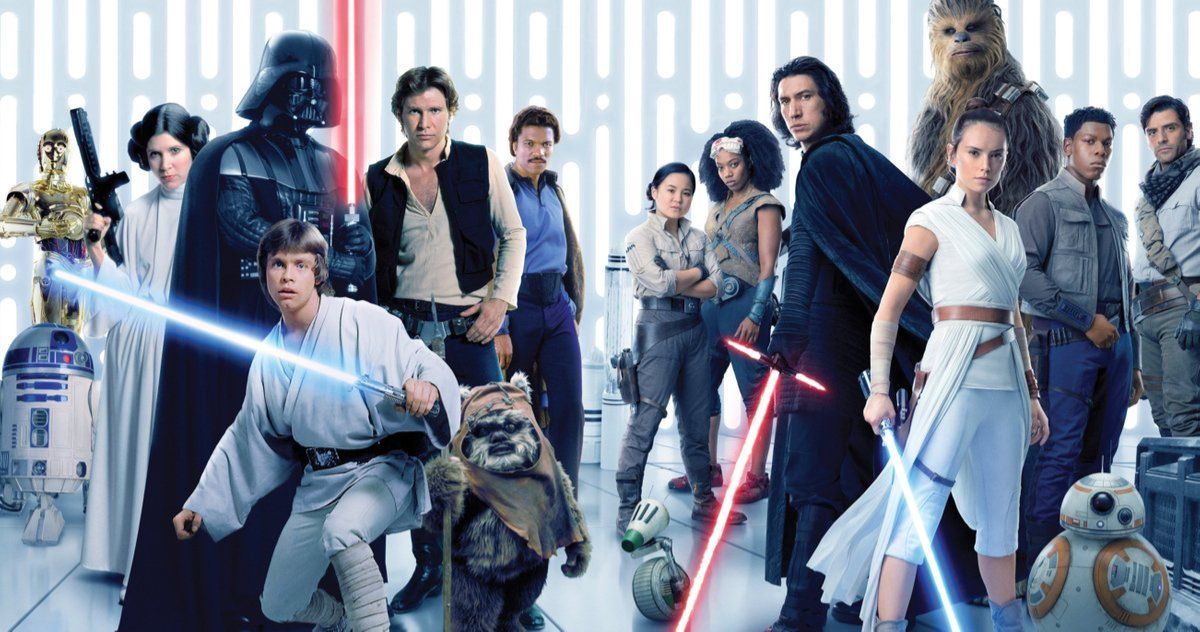
One of the most significant shifts following the sequel trilogy was the realization that a global brand needs a cohesive creative vision to maintain trust. The perceived lack of a roadmap for the sequel trilogy led to brand fragmentation. Consequently, the post-Skywalker era has seen the rise of “Brand Architects”—individuals like Dave Filoni and Jon Favreau—who serve as the guardians of the brand’s internal logic.
Consistency vs. Creative Freedom
The tension between maintaining a consistent brand voice and allowing for creative experimentation is a constant battle for Lucasfilm. Post-Episode IX, the strategy has been to adopt a “Boutique” approach to storytelling. By hiring directors with distinct visual styles for projects like Andor or Star Wars: Visions, the brand is signaling that it can contain multiple tones—from gritty political thrillers to experimental animation. This prevents the brand from feeling “monolithic” and stale, allowing it to appeal to different psychological segments of the audience.
The Importance of Brand Lore Internalization
For a brand as deep as Star Wars, “lore” is a form of currency. The brand strategy now involves treating lore not just as trivia for fans, but as a framework for quality control. By internalizing the rules of the universe, the brand architects ensure that every new product feels “authentic.” In the post-Skywalker market, authenticity is the primary driver of brand loyalty. If a product feels like a “corporate cash-in” rather than a legitimate expansion of the world, the brand equity suffers.
Rebuilding Consumer Trust and Market Sustainability
The polarized reception of the sequel trilogy left the Star Wars brand in a precarious position regarding consumer trust. The strategy moving forward has been one of “Reconstruction through Quality.” Instead of rushing into the next theatrical trilogy, the brand opted for a period of reflection and diversification, prioritizing the rebuilding of the core fan base’s confidence.
Addressing Franchise Fatigue
Market saturation is a legitimate threat to any mega-brand. Following the underperformance of Solo: A Star Wars Story, the brand leadership recognized that even Star Wars is not immune to fatigue. The post-Rise of Skywalker strategy involves a more deliberate release cadence. By spacing out major cinematic events and filling the gaps with high-quality streaming content, the brand maintains a sense of “prestige” while still providing enough content to satisfy the “heavy users.”
The Role of Data in Brand Evolution
While the creative process is driven by storytelling, the brand strategy is increasingly informed by consumer data. Disney’s ability to track viewing habits on Disney+ allows them to see exactly which characters, themes, and styles resonate most with the audience. This data-driven approach allows for more informed “greenlighting.” If the data shows a high demand for darker, more mature themes—as seen with the success of Andor—the brand can pivot to satisfy that niche without alienating the family-friendly core.
The Future: A Brand Without a Map
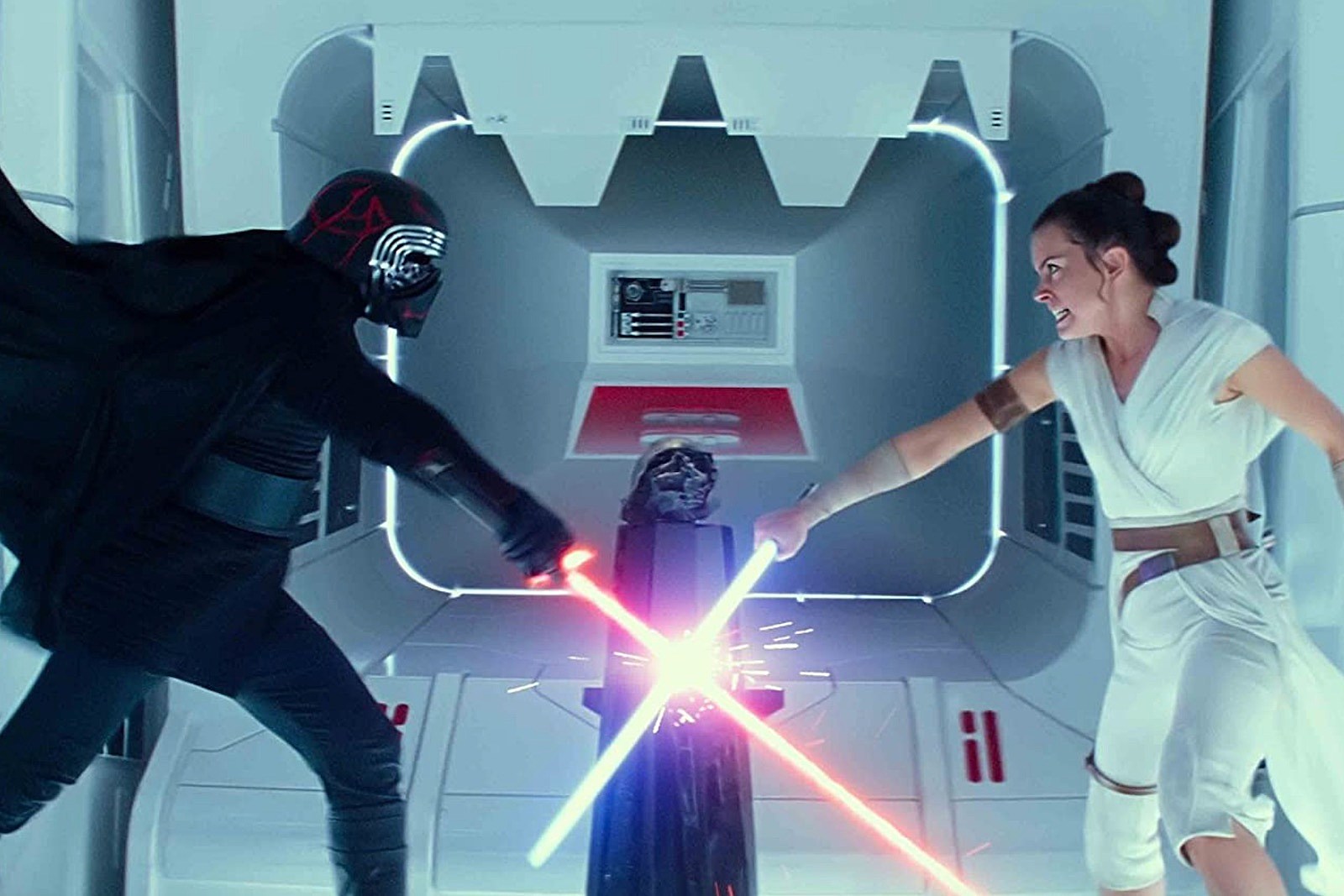
What happens after Rise of Skywalker is ultimately the decentralization of the Star Wars brand. It is no longer a single story told in three acts; it is a sprawling, multi-era, multi-tonal universe. The brand has successfully transitioned from being a “legacy IP” to a “living IP.”
The upcoming slate of films, including projects focused on the dawn of the Jedi and the rebuilding of the New Jedi Order, indicates a brand that is finally comfortable with its own vastness. By looking thousands of years into the past and years into the future, Lucasfilm is ensuring that the brand is no longer tethered to a single family or a single conflict.
The Star Wars brand today is a testament to the power of strategic evolution. It has survived the transition from its original creator, the completion of its primary narrative arc, and the shift in global media consumption habits. By focusing on ecosystem development, creative consistency, and audience trust, the brand has positioned itself to remain a dominant force in the global cultural landscape for decades to come. The post-Skywalker era isn’t the end of the brand; it is the beginning of its most expansive and strategically sophisticated chapter.
aViewFromTheCave is a participant in the Amazon Services LLC Associates Program, an affiliate advertising program designed to provide a means for sites to earn advertising fees by advertising and linking to Amazon.com. Amazon, the Amazon logo, AmazonSupply, and the AmazonSupply logo are trademarks of Amazon.com, Inc. or its affiliates. As an Amazon Associate we earn affiliate commissions from qualifying purchases.