
The trajectory of the hit History Channel series American Restoration serves as a masterclass in the complexities of brand management within the entertainment industry. For six seasons, the show was synonymous with Rick Dale and his family-run business, Rick’s Restorations. However, the sudden and dramatic shift in the show’s seventh season—which saw the entire original cast replaced—provides a stark lesson in how brand equity is built, how it can be alienated, and the risks involved when a corporate identity attempts to decouple from its primary personality.

To understand what happened to American Restoration, one must view it through the lens of brand strategy. It was not merely a show about fixing old vending machines and gas pumps; it was a carefully constructed brand narrative that centered on craftsmanship, Americana, and the “Expert” persona. When that narrative was disrupted, the brand itself fractured.
The Power of Personal Branding: The Rick Dale Era
The success of American Restoration was predicated on the strength of a personal brand. Rick Dale first appeared as a recurring expert on Pawn Stars, where his brand was established as the ultimate authority on vintage Americana. This “expert-led” branding is a proven strategy in media, where the audience develops trust in an individual’s skills and personality.
Building Trust Through Visual Identity
At Rick’s Restorations, the brand was built on a specific aesthetic: mid-century nostalgia, neon lights, and the “patina” of history. This visual identity was consistent across the show’s production. Rick Dale wasn’t just a restorer; he was the face of a brand that promised to bring the past back to life. This consistency allowed viewers to form an emotional connection with the shop, the crew, and the results of their labor.
The Family Business as a Brand Narrative
The inclusion of Rick’s family—his son Tyler, his brother Ron, and his wife Kelly—added a layer of “authentic brand storytelling.” In modern marketing, “authenticity” is a high-value currency. By showcasing the interpersonal dynamics and the passing down of trade secrets, the show transitioned from a technical tutorial into a lifestyle brand. Viewers weren’t just buying into the restoration of a 1950s Coke machine; they were buying into the American dream of family entrepreneurship.
The Pivot: A Failed Rebranding Strategy
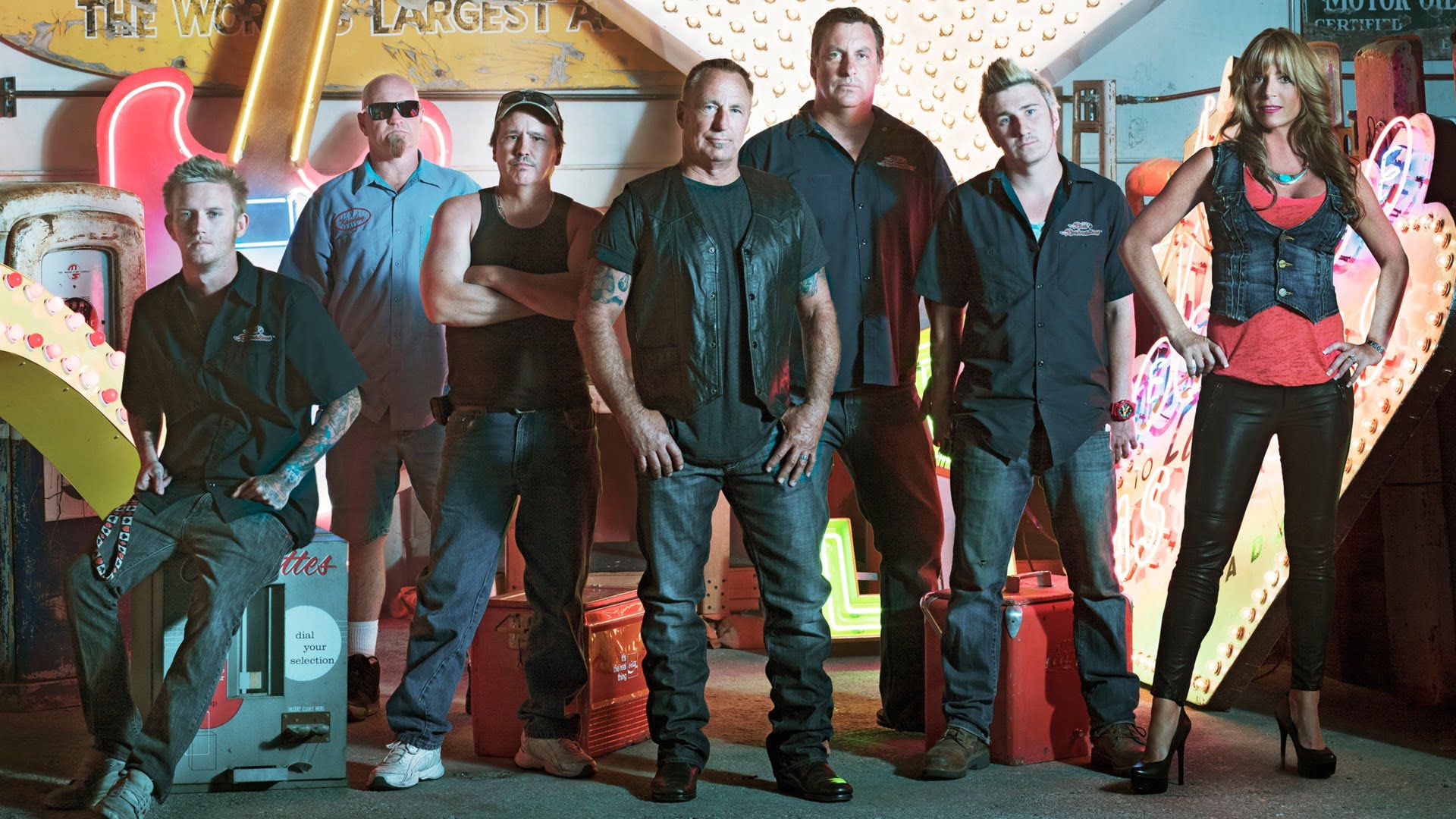
In 2016, the History Channel made a decision that would eventually lead to the show’s conclusion: they fired the entire original cast and reformatted the show to feature five different restoration shops across the United States. From a brand management perspective, this was a high-risk move to “scale” the brand by turning American Restoration from a personality-driven show into a procedural format.
The Danger of Decoupling Personality from Product
The fundamental error in the Season 7 reboot was the assumption that the “American Restoration” brand name held more value than the “Rick Dale” personal brand. In many industries, a company can survive the departure of its founder if the brand identity is sufficiently institutionalized. However, in reality television and specialized services, the personality is the product.
When the network replaced Rick Dale with a rotation of different shop owners, they effectively deleted the brand’s unique selling proposition (USP). The “new” American Restoration lacked the singular vision and the familiar interpersonal relationships that the audience had invested in for nearly a hundred episodes.
Diluting the Brand Value
By expanding the focus to five different shops, the show suffered from brand dilution. Instead of a deep, focused look at one artisan’s process, the narrative became fragmented. Each shop had its own sub-brand, which competed for the viewer’s attention. This fragmentation made it difficult for the audience to form a new emotional connection, leading to a sharp decline in viewership and brand loyalty.
Brand Equity and Audience Alienation

The fallout from the cast change highlights the importance of “brand equity”—the commercial value that derives from consumer perception of the brand name of a particular product. American Restoration had massive equity built over five years. However, equity is fragile and relies heavily on a “brand promise.”
Breaking the Brand Promise
The brand promise of American Restoration was an intimate look at Rick Dale’s workshop. When the network changed the “product” without changing the “packaging” (the show title), it created a cognitive dissonance for the consumer. Fans felt that the brand they had supported had been hijacked. This led to a grassroots “Boycott American Restoration” movement on social media, demonstrating how quickly a loyal fan base can turn into a brand’s biggest detractor when they feel the core values of the brand have been betrayed.
The Role of Social Media in Brand Defense
Following his departure, Rick Dale used his own personal branding channels—primarily Facebook and his shop’s website—to communicate directly with his fans. This allowed him to retain his brand equity even after losing the television platform. It served as a reminder that in the digital age, a personal brand can often outlast the corporate entity that helped launch it. Rick’s Restorations continued to thrive as a physical destination and service provider because the “Rick Dale” brand was successfully salvaged from the “American Restoration” wreckage.
Lessons in Corporate Identity and Market Positioning
The story of what happened to American Restoration provides several key takeaways for brand strategists and corporate leaders. Whether you are managing a television franchise or a tech startup, the principles of identity and positioning remain the same.
1. Know Your Core Asset
In the case of American Restoration, the core asset was not the concept of restoration; it was the specific expertise and charisma of the lead talent. Companies must accurately identify what their customers are actually paying for. If the value is tied to a specific individual or team, any rebranding that removes them must be handled with extreme care and transparency.
2. The Limits of Scaling
Not every brand is meant to be a franchise. The attempt to turn a boutique, family-oriented brand into a national “portfolio” of shops failed because it stripped away the intimacy that made the brand successful in the first place. Scaling a brand requires maintaining the “soul” of the original product, which is often lost in mass-market expansion.
3. Transition vs. Disruption
If a brand must change its leadership or its “face,” a transition period is essential. A phased introduction of new characters or sub-brands while the original “anchor” is still present can help transfer trust. The abrupt “hard reset” of Season 7 was a disruption that the brand’s ecosystem could not survive.
The Legacy of Rick’s Restorations and the Industry Brand
While the television show American Restoration eventually faded into obscurity after its seventh season, the “Restoration” brand category remains a significant niche in the media landscape. Rick Dale’s influence can still be seen in how restoration businesses brand themselves today—emphasizing heritage, manual skill, and the preservation of history.
The Survival of the Independent Brand
Rick’s Restorations continues to operate, proving that the business brand was robust enough to survive the loss of its marketing engine (the TV show). By pivoting back to his roots as a high-end, specialized service provider, Rick Dale was able to reclaim his brand identity from the corporate hands of the network. This move reinforced the idea that a brand is most resilient when it stays true to its original mission.
Final Analysis: The Brand That Lost Its Way
The demise of American Restoration as a television powerhouse was not due to a lack of interest in the subject matter. The popularity of similar shows like Garage Squad and Restoration Garage proves that the market for this content remains strong. Instead, the show fell victim to a strategic brand failure. By ignoring the importance of personal branding, failing to manage audience expectations, and diluting its unique identity, the show lost its place in the market.
Ultimately, American Restoration serves as a cautionary tale for any brand that seeks to evolve. Innovation and change are necessary for growth, but they must be balanced with a deep respect for the brand’s history and the loyalty of its consumers. When a brand forgets who it is—and who its audience is—it risks losing everything it worked so hard to restore.
aViewFromTheCave is a participant in the Amazon Services LLC Associates Program, an affiliate advertising program designed to provide a means for sites to earn advertising fees by advertising and linking to Amazon.com. Amazon, the Amazon logo, AmazonSupply, and the AmazonSupply logo are trademarks of Amazon.com, Inc. or its affiliates. As an Amazon Associate we earn affiliate commissions from qualifying purchases.