
For over three decades, the silhouette of a white half-mask paired with a single red rose served as one of the most potent logos in the global entertainment industry. When “The Phantom of the Opera” finally lowered its chandelier for the last time on Broadway in April 2023, the event marked more than just the end of a record-breaking theatrical run; it signaled a critical inflection point in the lifecycle of a multi-billion-dollar brand.
Understanding what happened to “The Phantom of the Opera” requires looking past the stage lights and into the mechanics of brand management, market saturation, and the strategic necessity of scarcity. The “Phantom” was not merely a show; it was a corporate juggernaut that defined how live entertainment could be packaged, exported, and sustained as a global franchise.
The Architecture of an Immortal Brand Identity
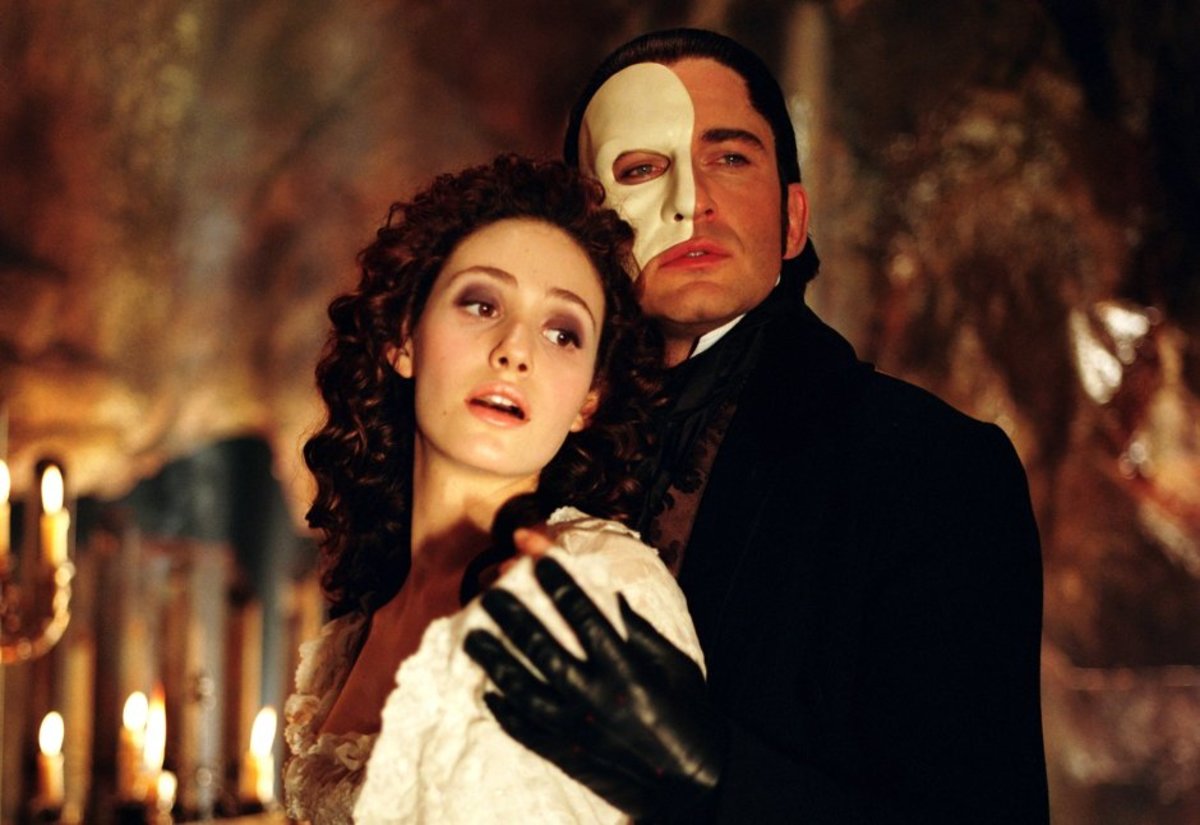
The success of “The Phantom of the Opera” was grounded in a masterstroke of visual branding. Long before the digital age made minimalist icons a necessity, producer Cameron Mackintosh and his marketing team understood the power of a “visual shorthand.” While other shows relied on busy illustrations or photos of the cast, the “Phantom” brand was built on high-contrast, symbolic imagery.
The Power of Visual Simplicity: The Mask and the Rose
The white mask is perhaps the most effective logo in Broadway history. It is instantly recognizable, culturally agnostic, and carries an inherent sense of mystery and luxury. From a brand strategy perspective, the mask functioned similarly to the Nike “Swoosh” or the Apple logo. It transcended language barriers, allowing the brand to expand into non-English speaking markets like Japan, Germany, and South Korea with zero loss in brand equity.
The color palette—stark white, deep black, and blood red—conveyed a specific brand promise: gothic romance, high-stakes drama, and premium production value. By maintaining this visual identity with absolute rigidity for 35 years, the brand created a sense of permanence. Consumers didn’t just buy a ticket; they bought into an institution.
Consistency as a Competitive Advantage
In branding, consistency is the bedrock of trust. “The Phantom of the Opera” achieved a level of “standardized excellence” that became its hallmark. Whether a patron saw the show in London’s West End, on Broadway, or in a touring production in São Paulo, the brand promise remained identical. The lighting, the orchestration, and the iconic “falling chandelier” were meticulously preserved.
This consistency allowed the brand to become a reliable “anchor product” for New York City and London tourism. For decades, it was the safe choice for international travelers—a brand they knew would deliver a high-quality experience regardless of their familiarity with musical theater. However, this same consistency eventually contributed to the brand’s greatest challenge: the perception of stagnation.
The Dilution of Prestige: When Longevity Becomes a Liability
The fundamental paradox of any “legacy brand” is that the qualities that make it successful—reliability, longevity, and mass appeal—can eventually erode its “cool factor” and perceived value. In the world of high-end branding, exclusivity is a driver of demand. When a product is available every day for 35 years, it loses the “event” status that drives premium pricing and cultural urgency.
The “Tourist Staple” Conundrum
By the mid-2010s, “The Phantom of the Opera” had transitioned from a “must-see event” to a “tourist staple.” In brand positioning terms, it moved from the “Innovator/Early Adopter” phase of its lifecycle into “Laggard” territory. It became the show people saw because they felt they should, not because it was the most exciting thing on the market.
This shift changed the demographic of the brand’s audience. While “Phantom” once attracted the elite of the theater world, its later years were sustained by group sales and international tourism. When the COVID-19 pandemic decimated international travel, the brand was left vulnerable. It no longer had the domestic “buzz” required to fill a 1,600-seat theater week after week without the influx of global visitors.
Failure to Adapt to Gen Z and Millennial Consumer Behaviors
Modern brand strategy, especially in the luxury and entertainment sectors, has shifted toward “Instagrammable” moments, interactivity, and social relevance. Shows like “Hamilton,” “Six,” and “Wicked” mastered the art of digital engagement and fan-driven content.
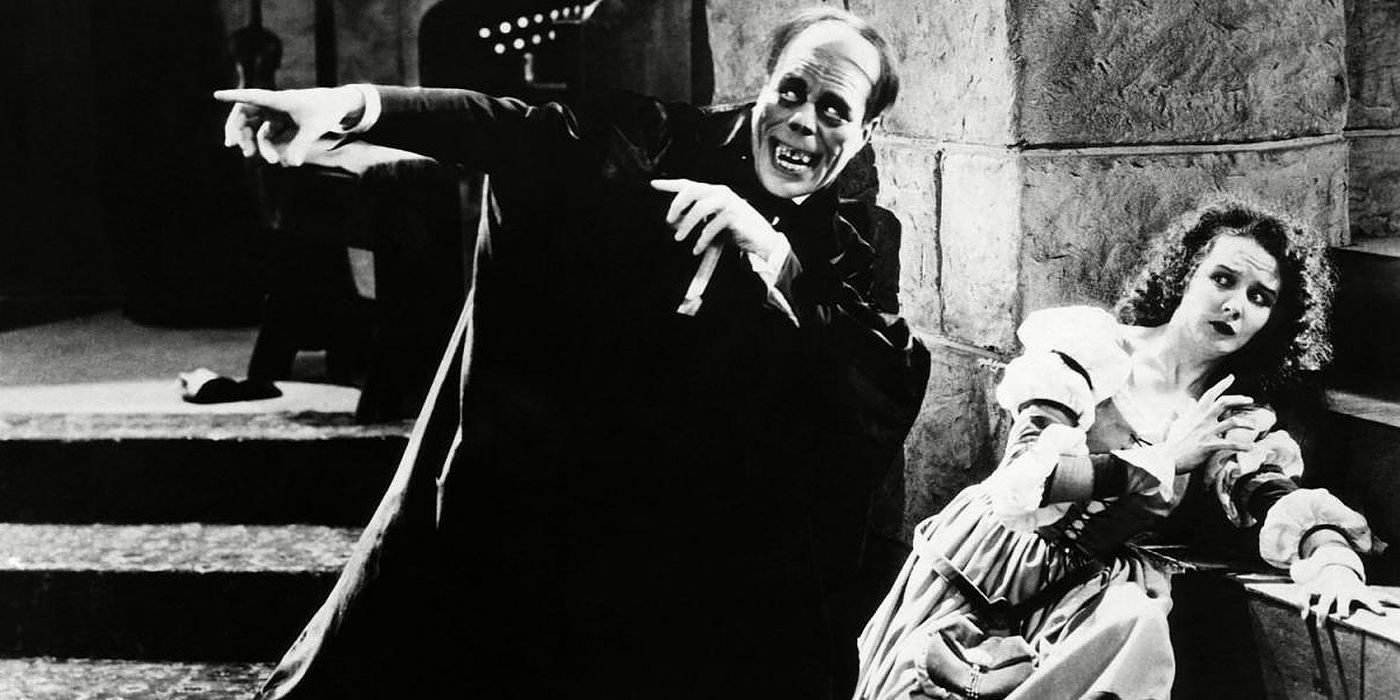
“The Phantom of the Opera,” by contrast, remained a static brand. Its marketing remained traditional, and its “old world” aesthetic, while charming to older demographics, struggled to resonate with Gen Z and Millennial consumers who value disruption and contemporary relevance. The brand became a victim of its own success; its refusal to change kept its core identity intact but prevented it from capturing the zeitgeist of a new generation.
The Strategic Calculus of the Broadway Closure
The decision to close the Broadway production was not a sign of failure, but rather a calculated move in brand equity management. In the world of high-finance theater, the “break-even” point for a show of “Phantom’s” scale is exceptionally high. Weekly running costs—including a large orchestra, elaborate pyrotechnics, and a massive cast—meant that even a 70% capacity house could result in a financial loss.
Rising Operational Costs and the Economic “Death Spiral”
Post-pandemic inflation hit the theater industry hard. The cost of labor, materials for costumes, and the specialized technical maintenance required for the show’s aging infrastructure soared. From a business finance perspective, the “Phantom” brand was facing a “death spiral”: revenue was softening due to a lack of urgency, while overhead was climbing.
By closing the show while it was still relatively successful, the producers avoided the brand-damaging optics of performing to half-empty houses. They chose to exit on a “high,” turning the final months into a massive marketing event that saw ticket prices skyrocket and the show return to the top of the box office charts.
Creating Strategic Scarcity
The most brilliant aspect of the “Phantom” closure was the creation of artificial scarcity. For 35 years, the brand had suffered from an oversupply of its product. By announcing a closing date, the producers immediately re-injected “event status” into the brand.
This is a classic move in brand strategy: the “Vault” tactic used by companies like Disney. By removing the product from the primary market (Broadway), the brand owners increased the value of the IP. The closure wasn’t an ending; it was a “reset” designed to clear the palate of the market, making way for a future “Grand Re-imagining” or a high-priced revival in years to come.
The Future of the Franchise: Brand Extension and Modernization
The Broadway closing was a localized event, but the “Phantom” brand is global. What we are seeing now is a strategic pivot away from a single, permanent “home” and toward a more diverse, multi-channel brand presence.
Leveraging the IP Across Multiple Channels
The “Phantom” brand is currently being decentralized. While the Broadway flagship is dark, the brand continues to generate massive revenue through:
- International Licensing: New productions in markets like China and Italy are being staged with “restaged” direction, offering a more modern aesthetic that appeals to younger audiences.
- Film and Streaming: There is constant speculation regarding a new cinematic or limited-series adaptation. Moving the brand into the streaming space allows it to reach millions of viewers who may never visit a Broadway theater.
- Secondary Branding: The music of Andrew Lloyd Webber remains a potent brand in its own right, with “Phantom” highlights serving as the cornerstone of concert tours and digital streaming playlists.
The Immersive Theater and Digital Pivot
To survive in the 2020s and beyond, the “Phantom” brand must embrace the trend of “experience branding.” We are already seeing the brand experiment with immersive technology and smaller, more intimate stagings that prioritize the “atmosphere” over traditional proscenium theater.
By deconstructing the massive, expensive Broadway spectacle into more agile, tech-forward experiences, the brand can reduce its financial risk while increasing its appeal to a digital-native audience. The “Phantom” of the future will likely involve augmented reality (AR) elements, site-specific “immersive” locations (like actual opera houses or historic basements), and a social media strategy that encourages fan-generated content.

Conclusion: The Brand Lives On
“The Phantom of the Opera” didn’t disappear; it evolved. The “what happened” is not a story of decline, but a story of a brand reaching the end of a specific lifecycle and choosing to hibernate rather than fade away. By closing its Broadway doors, the brand owners protected the prestige of the IP, corrected a decades-long oversupply issue, and set the stage for a future where the Phantom can return not as a dusty relic, but as a revitalized, contemporary icon.
The mask remains. The rose remains. The brand strategy has simply moved into its next act. For any corporate entity or personal brand, the lesson of “The Phantom” is clear: the greatest risk to a successful brand isn’t failure—it’s becoming so permanent that you are no longer noticed. Sometimes, the most powerful thing a brand can do is disappear, only to wait for the right moment to make its next “spectacular” entrance.
aViewFromTheCave is a participant in the Amazon Services LLC Associates Program, an affiliate advertising program designed to provide a means for sites to earn advertising fees by advertising and linking to Amazon.com. Amazon, the Amazon logo, AmazonSupply, and the AmazonSupply logo are trademarks of Amazon.com, Inc. or its affiliates. As an Amazon Associate we earn affiliate commissions from qualifying purchases.