
When players first encountered Samuel Drake in Uncharted 4: A Thief’s End, the question of “what happened” to him was not merely a plot point—it was a technical milestone for the gaming industry. The introduction of Nathan Drake’s long-lost older brother represented a significant leap in how technology, software engineering, and digital performance capture coalesce to create believable human entities within a virtual space. To understand what happened to Sam in the context of the Uncharted universe, one must look beyond the scripted dialogue and examine the sophisticated technology that allowed Naughty Dog to retroactively weave a complex character into an established multi-billion dollar franchise.
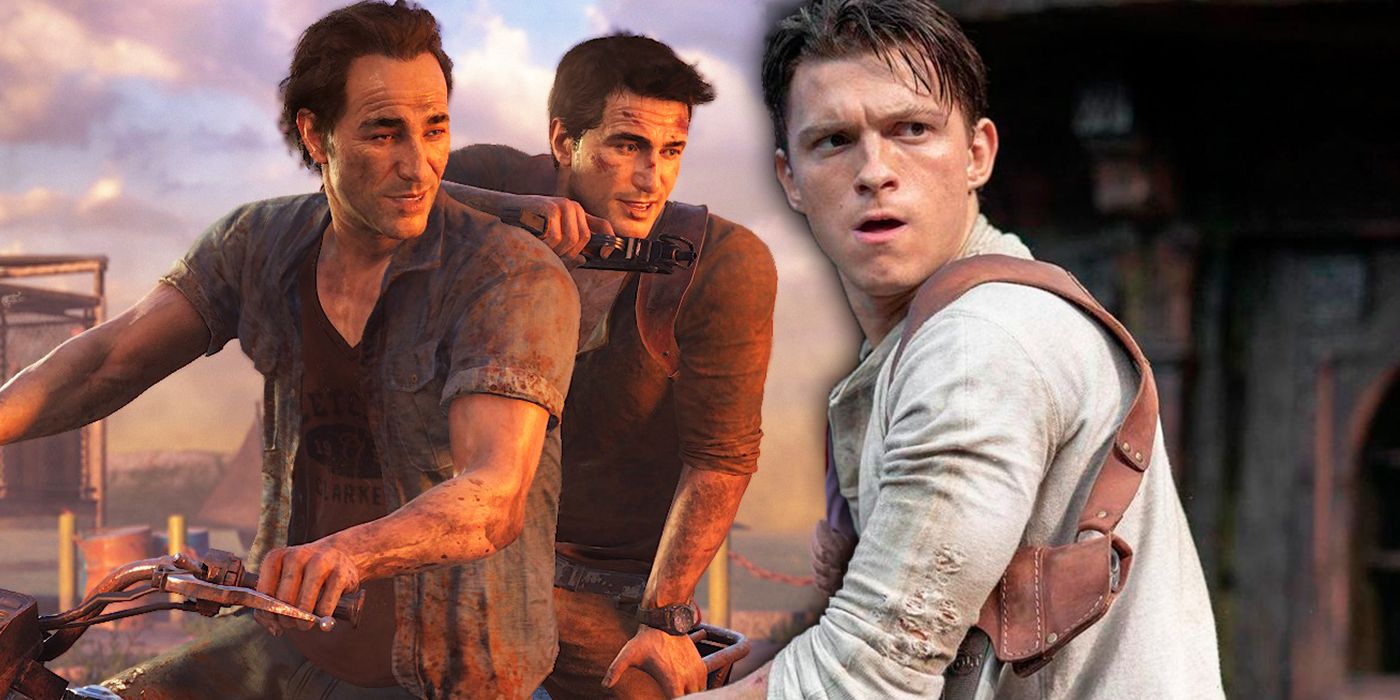
The evolution of Sam Drake is a case study in how modern game engines and animation pipelines can bridge the gap between cinematic storytelling and interactive software. From his initial “disappearance” in a Panamanian prison to his eventual technical refinement in The Lost Legacy, Sam’s journey is intrinsically linked to the progression of high-fidelity rendering and artificial intelligence.
The Technological Genesis of Samuel Drake
The creation of Samuel Drake required more than just a talented voice actor; it demanded a complete overhaul of Naughty Dog’s proprietary engine to handle the nuances of a character who needed to feel both familiar and entirely new. To answer “what happened” to Sam, the developers had to solve the technical debt of three previous games that never mentioned his existence. This was achieved through a blend of advanced narrative design and cutting-edge visual technology.
Performance Capture and the Human Element
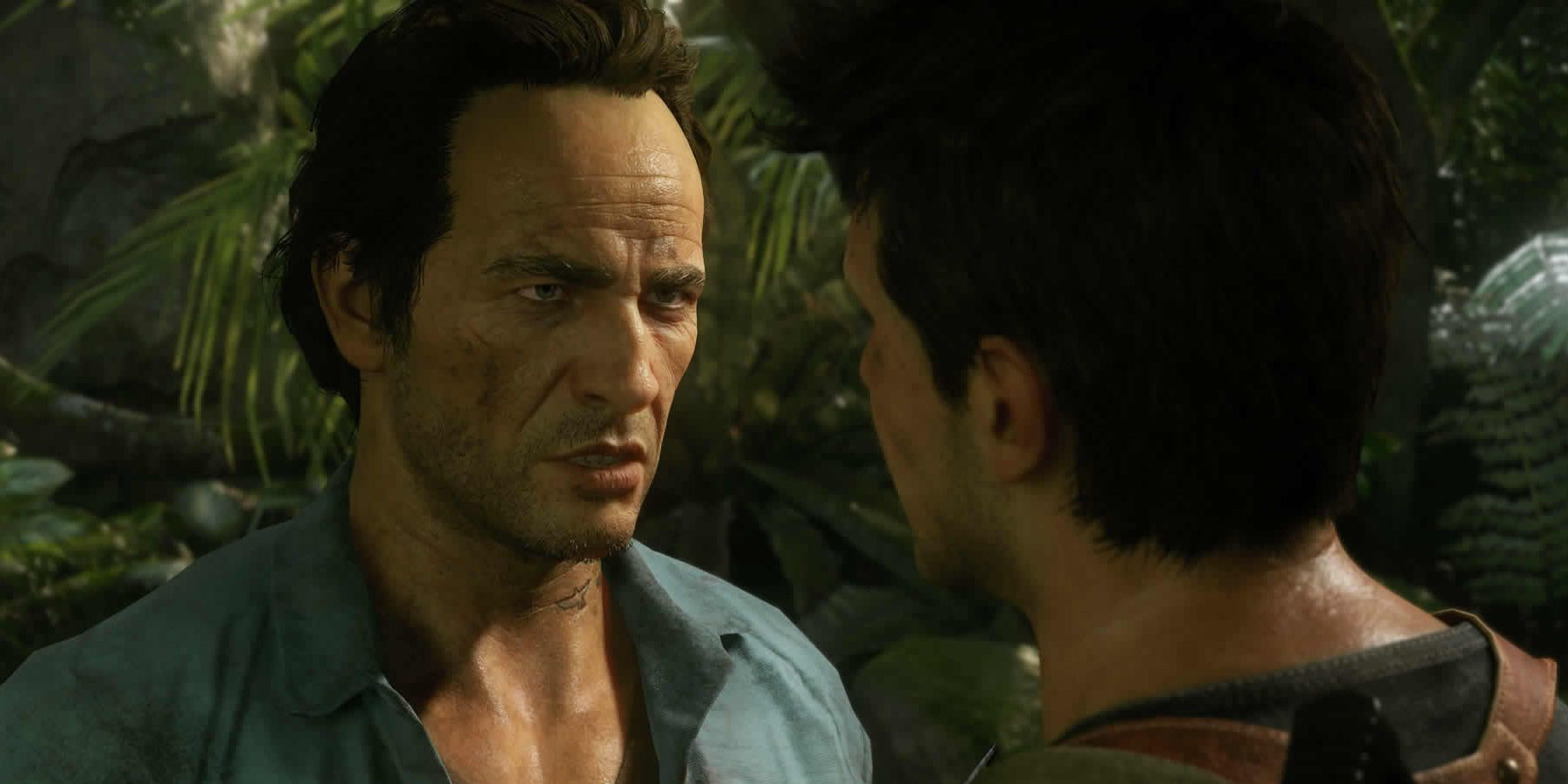
The “Sam” we see on screen is the result of a massive leap in performance capture technology. Unlike earlier entries in the series where body movement and facial expressions were often captured separately or hand-animated, Sam was brought to life using full-body, facial, and voice performance capture simultaneously. This synchronization allows for “micro-expressions”—tiny muscular shifts in the face—that convey Sam’s hidden motivations and internal conflict.
Utilizing a high-density vertex count for facial meshes, the software was able to render wrinkles, sweat, and subtle eye movements that react to the lighting environment in real-time. When Sam lies to Nathan about his escape from prison, the technology captures the subtle tells—the tightening of the jaw and the shifting of the eyes—that would have been impossible on previous hardware generations. This level of fidelity is what allowed the character to feel like a living, breathing part of the history, rather than a late-stage addition.
High-Fidelity Rendering and Skin Shaders
What happened to Sam visually throughout the game is a masterclass in physically-based rendering (PBR). To depict Sam’s transition from a weathered inmate to a rejuvenated treasure hunter, the technical artists utilized sophisticated subsurface scattering shaders. This technology simulates how light penetrates the skin, scatters, and exits, giving the character a lifelike glow or a sickly, sallow appearance depending on the scene’s requirements.
The aging process of Sam, seen in various flashbacks, utilized a dynamic material layering system. As the game shifts between the 15-year prison stint and the present day, the engine adjusts textures for skin elasticity, scarring, and hair density. This technical fluidity ensures that “what happened” to Sam over a decade and a half is communicated to the player visually without the need for constant expository dialogue.
Advanced AI and the Companion System in A Thief’s End
From a software engineering perspective, Sam Drake is a sophisticated piece of artificial intelligence. For the majority of Uncharted 4, Sam acts as a companion character, a role that requires complex AI logic to ensure he assists the player rather than hindering the experience. The “what happened” to Sam during gameplay is a series of calculated decisions made by the game’s “Companion AI” system.
Context-Aware Navigation
One of the greatest challenges in game development is the “follower” problem—ensuring the AI companion moves realistically through the environment. For Sam, Naughty Dog developed a context-aware navigation system. Unlike simpler AI that follows a “bread-crumb” path behind the player, Sam’s AI analyzes the geometry of the environment in real-time.
If Nathan Drake climbs a cliff side, Sam’s AI calculates an alternative, plausible route that avoids overlapping with the player’s hitbox. This prevents the immersion-breaking “clipping” seen in older titles. Furthermore, Sam is programmed with “idle behaviors” that trigger based on the environmental context. If the player stops to look at a map, Sam might lean against a nearby wall or inspect a specific relic, a technical trick that uses localized triggers to make the software appear sentient.
Cooperative Gameplay Mechanics and Combat Logic
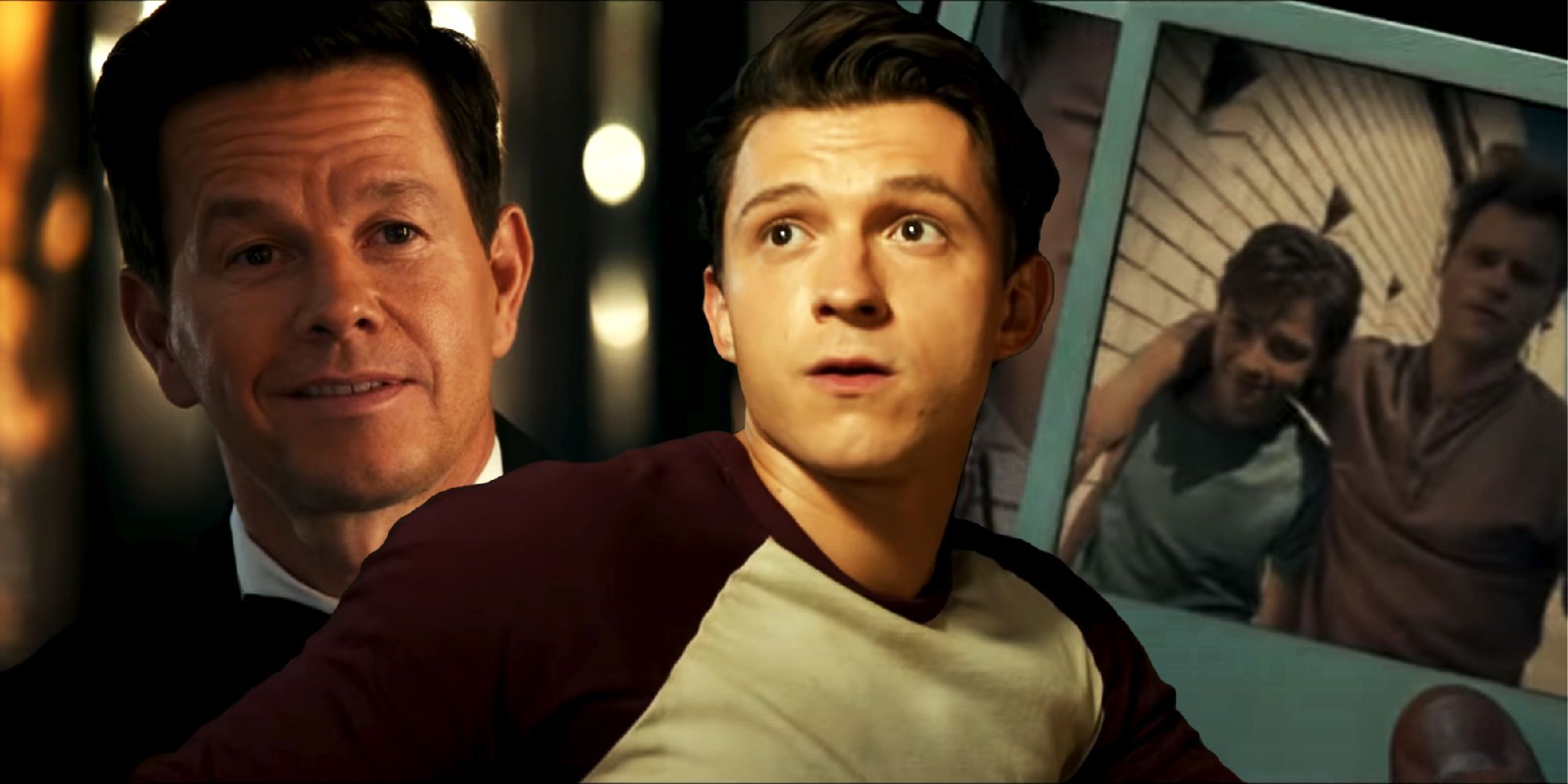
The technical implementation of Sam in combat scenarios reflects a major advancement in cooperative AI. Sam does not simply fire at enemies at random; his scripts are integrated with the player’s detection state. Using a “Shared Knowledge” AI architecture, Sam knows when the player is attempting a stealth approach and will prioritize takedowns that are out of the enemy’s line of sight.
During loud combat encounters, Sam’s AI utilizes a weight-based priority system to decide which enemies to target. He is programmed to assist the player when they are being grappled, a mechanic that requires frame-perfect synchronization between two separate character rigs. This seamless interaction is the result of thousands of lines of code dedicated to “inter-character animation blending,” ensuring that when Sam saves Nathan, the physical contact looks anatomically correct and weight-distributed.
Narrative Design and the Architecture of Flashbacks
To explain what happened to Sam in the years he was missing, the developers utilized “The Architecture of Flashbacks,” a technical method of loading and unloading assets to create a seamless timeline. This is where the hardware power of the PlayStation 4 and later the PS5 (for the Legacy of Thieves Collection) became crucial.
Seamless Transitions and Load-Free Storytelling
The transition from the “present” to the “past” in Sam’s story is often handled without a single loading screen. This is achieved through a technique called “Background Streaming.” While the player is engaged in a high-intensity cutscene or a narrow traversal corridor, the engine is quietly purging the current level from the RAM and loading the assets for the flashback sequence.
This technical wizardry allows the story of Sam’s “death” and subsequent survival to feel like a continuous cinematic experience. The software manages the transition between different character models—from the younger, more agile Sam to the older, more cynical version—by utilizing a unified skeletal rig that can swap external meshes instantly during camera pans or scene cuts.
Environmental Storytelling via Technical Detail
The environments that Sam inhabits—particularly the prison cell and the pirate colony of Libertalia—are built using highly modular assets that allow for immense detail without crashing the memory budget. Through the use of “Decal Placement Systems,” the developers were able to tell Sam’s story through the environment.
The scratches on the prison walls or the specific placement of items in Sam’s temporary living quarters provide a technical narrative. These assets are often “instanced,” meaning they use very little memory while allowing the world to feel cluttered and lived-in. This digital archaeology is how the player discovers “what happened” to Sam during his years of isolation, relying on the engine’s ability to render hundreds of unique, physics-enabled objects simultaneously.
The Legacy of Sam Drake in the Evolution of Gaming Tech
The technical journey of Sam Drake didn’t end with Uncharted 4. His appearance in Uncharted: The Lost Legacy showcased further refinements in character rendering and AI interaction. As the franchise moved forward, the “what happened” to Sam became a blueprint for how to handle secondary protagonists in high-budget software development.
From Uncharted 4 to The Lost Legacy
In The Lost Legacy, the engine had matured, allowing for even more complex lighting interactions on character models. Sam’s role shifted from a primary companion to a narrative catalyst, and the developers used this opportunity to test “Dynamic Hair Physics” and improved “Wetness Shaders.” When Sam is seen in the humid environments of India’s Western Ghats, the software calculates the accumulation of moisture on his clothing and skin in real-the, a significant upgrade from the static textures used in earlier iterations.
Influence on Future Naughty Dog Projects
The technology developed to realize Sam Drake’s character arc—specifically the AI companion systems and the seamless narrative transitions—served as the foundation for subsequent titles like The Last of Us Part II. The “buddy AI” logic that allowed Sam to interact naturally with the world was refined to create even more lifelike companions.
What happened to Sam in Uncharted is, ultimately, a story of digital survival. He survived the transition from a concept on a whiteboard to a complex, multi-layered digital human through the sheer power of software innovation. By pushing the boundaries of what a game engine could do in terms of facial fidelity, environmental interaction, and AI autonomy, the creators of Uncharted ensured that Sam Drake would be remembered not just as a character, but as a pinnacle of technical achievement in the eighth and ninth generations of gaming hardware.
As we look toward the future of the industry, the lessons learned from Sam’s development—how to integrate a complex backstory through technical environmental cues and how to utilize AI to build emotional bonds—remain the gold standard for narrative-driven technology. The answer to “what happened” to Sam is found in every line of code that makes him blink, every shader that makes him sweat, and every AI script that makes him feel like a brother.
aViewFromTheCave is a participant in the Amazon Services LLC Associates Program, an affiliate advertising program designed to provide a means for sites to earn advertising fees by advertising and linking to Amazon.com. Amazon, the Amazon logo, AmazonSupply, and the AmazonSupply logo are trademarks of Amazon.com, Inc. or its affiliates. As an Amazon Associate we earn affiliate commissions from qualifying purchases.