
The landscape of modern media is littered with ephemeral stars who flame out as quickly as they rise. Yet, in the annals of television history, few names carry the weight of a sustained, multi-decadal brand quite like Sally Jessy Raphael. For nearly two decades, her signature red glasses were not just a fashion choice; they were a corporate logo, a visual shorthand for empathy, controversy, and daytime reliability. When her eponymous show, Sally, was canceled in 2002 after an astonishing 19-year run, the industry witnessed the transition of a person into a permanent legacy brand. Understanding what happened to Sally Jessy Raphael requires more than a simple biographical update; it demands an analysis of how a personal brand evolves, survives the end of its primary distribution channel, and maintains relevance in a digital-first economy.

The Architecture of an Iconic Personal Brand
Sally Jessy Raphael’s rise to prominence was not an overnight success but a calculated exercise in brand positioning. Long before influencers understood the importance of a “niche,” Raphael was carving one out in the male-dominated world of broadcasting. Her journey from local radio to international syndication serves as a foundational case study in building a brand from the ground up through consistency and visual identity.
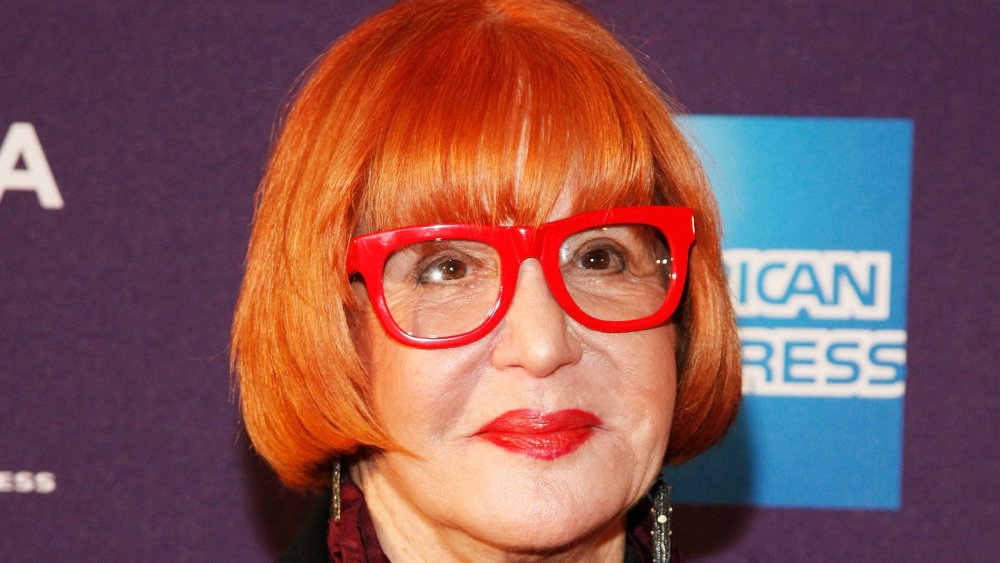
The Visual Signature: The Power of the Red Glasses
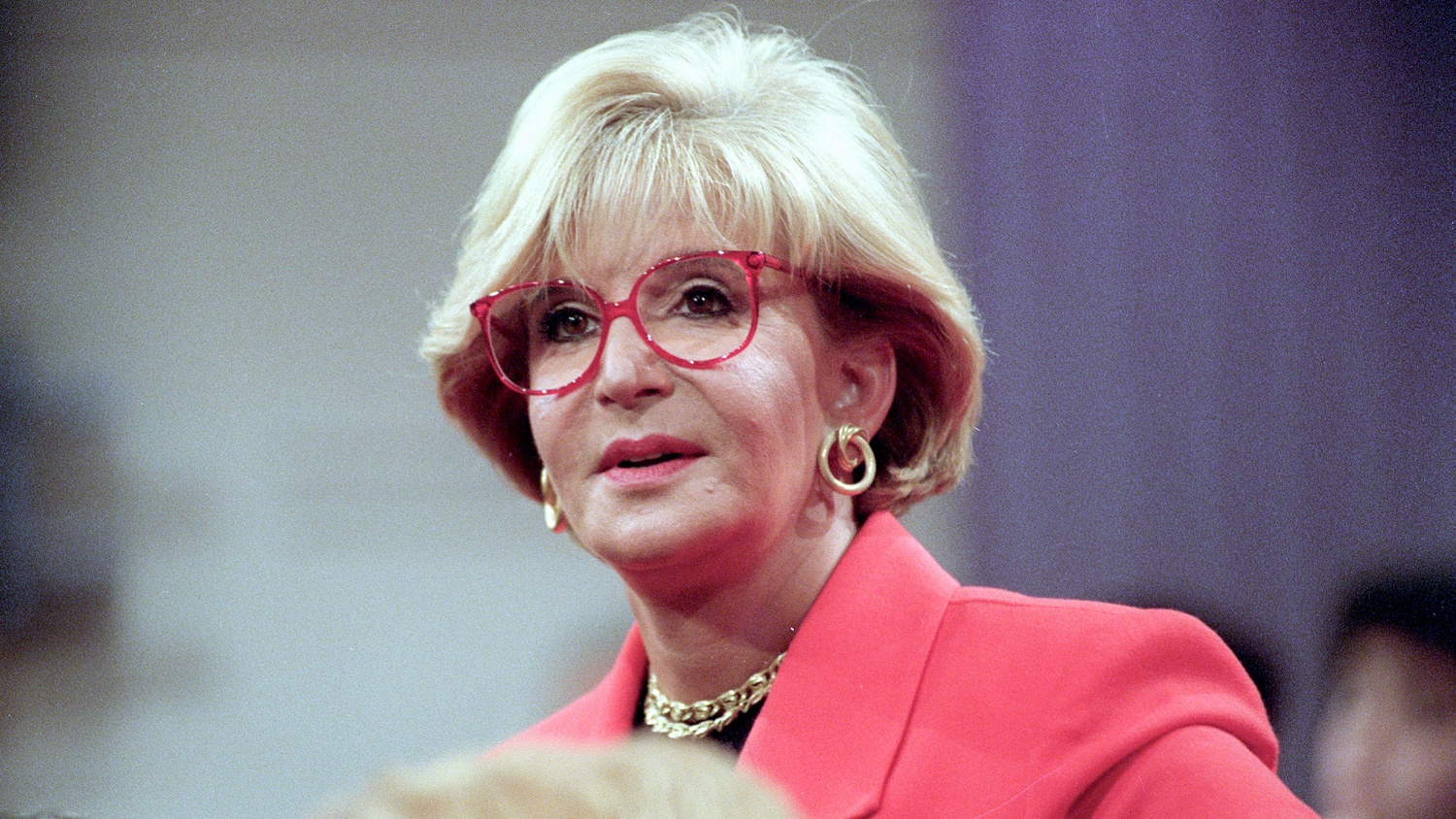
In the world of branding, visual cues are paramount. Raphael’s decision to wear her iconic red-rimmed glasses was originally a matter of necessity—she reportedly had difficulty reading the teleprompter and grabbed a pair of red frames because they were the only ones available. However, what began as a functional tool quickly became a masterstroke of visual branding.
By maintaining those glasses as a permanent fixture, Raphael created a “visual hook” that made her instantly recognizable in a crowded daytime market. While her competitors often opted for generic, high-fashion looks, Raphael’s glasses signaled intellectualism, quirkiness, and accessibility. In branding terms, this is known as “distinctive brand assets.” These assets reduce the cognitive load for the consumer; you didn’t need to see the show’s title to know who was on the screen. Even today, the “red glasses” remain one of the most successful examples of personal accessory branding in media history.
Finding the Authentic Voice in a Crowded Market
In the 1980s and 90s, the “Big Four” of daytime talk—Raphael, Oprah Winfrey, Phil Donahue, and Geraldo Rivera—each represented a different brand pillar. While Oprah leaned into inspiration and Phil Donahue into intellectual debate, Raphael’s brand was built on the “neighborly confidante.” She pioneered the “tabloid-talk” format but managed to maintain a veneer of journalistic credibility stemming from her years in news and radio.
Her brand strategy was rooted in empathy. She was the host who sat on the edge of the stage, physically closer to her audience and guests than many of her peers. This proximity was a brand promise: “I am one of you.” By positioning herself as the empathetic listener, she built a level of brand loyalty that allowed her to navigate increasingly sensationalist topics without losing the core trust of her demographic.
The Business of Daytime: Building and Protecting the Media Powerhouse
At its peak, Sally was more than a television show; it was a revenue-generating engine that navigated the complex waters of syndication. The “Sally” brand was a product sold to local stations across the country, and its success depended on its ability to adapt to shifting cultural appetites while maintaining its core identity.
Pioneering the Tabloid-Talk Format
As the 1990s progressed, the daytime landscape shifted toward “trash TV.” The brand challenge for Raphael was significant: how to stay competitive against high-octane newcomers like Jerry Springer while preserving the dignity of a brand that had been built on more serious ground.
Raphael’s strategy was one of “controlled sensationalism.” She embraced the more provocative topics—wild teenagers, paternity tests, and family secrets—but framed them through her established persona of the “concerned mother figure.” This allowed her to capture the high ratings of the tabloid era while mitigating the brand damage that eventually sidelined many of her contemporaries. From a brand strategy perspective, this was a masterful pivot that extended the life of her show by at least a decade.
Diversifying the Brand Portfolio
While the television show was the flagship, the Raphael brand was always broader. She understood the importance of multi-channel presence long before it was a standard marketing term. Through her radio shows, books, and public appearances, she ensured that the brand “Sally Jessy Raphael” was not tethered to a single medium.
This diversification served as an insurance policy. When the television landscape finally shifted in the early 2000s—away from single-host talk shows toward more ensemble-based or lifestyle-heavy content—Raphael had already established a legacy that transcended her time slot. Her brand was built on her voice and her perspective, not just her set.
Post-Show Evolution: Managing a Legacy in the Digital Age
The cancellation of Sally in 2002 was not the end of the brand, but rather its transition into a legacy phase. For many celebrities, the end of a long-running show marks a period of “brand decay.” Raphael, however, chose a path of strategic withdrawal punctuated by selective re-engagement.
Strategic Withdrawal vs. Rebranding
In the years following her exit from daytime television, Raphael did not attempt to launch a desperate “comeback” show. Instead, she focused on her personal life and business interests, effectively placing her brand in a “legacy hold.” In branding, this is often more effective than attempting to pivot to a format that doesn’t fit. By not diluting her brand with subpar projects, she preserved the “premium” nature of her 19-year run.
When she did appear in the media, it was often to comment on the state of the industry she helped build. By positioning herself as an elder stateswoman of talk television, she transitioned from a “content creator” to a “subject matter expert.” This shift in brand positioning allowed her to remain relevant to media historians and fans alike without the daily grind of production.
Engaging with New Media Platforms
In recent years, the Raphael brand has made a quiet but effective transition to digital platforms. Through her YouTube channel and social media presence, she has engaged with a younger generation that may only know her as a cultural icon. These platforms allow her to maintain her brand “voice” without the gatekeepers of traditional television.
Her digital strategy is characterized by the same authenticity that defined her TV career. She isn’t trying to be a “TikToker”; she is Sally Jessy Raphael using TikTok. This distinction is crucial for legacy brands. Authenticity is the currency of the digital age, and Raphael’s refusal to chase trends that don’t align with her established persona has kept her brand intact.
Lessons for Modern Personal Branding
The trajectory of Sally Jessy Raphael offers invaluable lessons for modern entrepreneurs, creators, and brand strategists. Her career is a testament to the power of a well-defined identity and the importance of long-term thinking.
Consistency Over Decades
The most significant takeaway from the Raphael brand is the power of consistency. From her eyewear to her interviewing style, she remained remarkably consistent for nearly twenty years. In an era of constant “rebranding” and “pivoting,” her career proves that finding a winning formula and sticking to it is often the most sustainable path to success. A brand that changes too often confuses its audience; a brand that remains constant builds a community.
The Importance of Owning Your Narrative
Throughout her career, Raphael was vocal about the challenges she faced, including her firing from multiple radio stations early in her career and the eventual end of her talk show. By being transparent about these setbacks, she integrated them into her brand story. She wasn’t just a success; she was a survivor.
For modern personal brands, this transparency builds a deeper connection with the audience. It transforms a brand from a polished corporate entity into a relatable human story. Raphael’s ability to own her narrative—both the triumphs and the frustrations—is why she remains a beloved figure decades after her show went off the air.
Evolution Without Alienation
Finally, Raphael’s story teaches us how to evolve a brand without alienating the core audience. Whether she was moving from radio to TV, or from news to tabloid talk, she always took her audience with her. She did this by maintaining her core brand values—curiosity, empathy, and directness—even as the context around her changed.
What happened to Sally Jessy Raphael is that she became a permanent fixture of the American cultural landscape. She moved beyond the confines of a 60-minute time slot to become a symbol of an era in media history. By focusing on a strong visual identity, building a deep connection with her audience, and managing her legacy with dignity, she created a personal brand that serves as a blueprint for anyone looking to build a lasting impact in the world of media and beyond. In the end, the red glasses weren’t just about seeing better; they were about making sure the world saw her, and they still do.
aViewFromTheCave is a participant in the Amazon Services LLC Associates Program, an affiliate advertising program designed to provide a means for sites to earn advertising fees by advertising and linking to Amazon.com. Amazon, the Amazon logo, AmazonSupply, and the AmazonSupply logo are trademarks of Amazon.com, Inc. or its affiliates. As an Amazon Associate we earn affiliate commissions from qualifying purchases.