
The question of “what happened” to Robert Palmer is often framed by music historians as a retrospective on a career that ended prematurely with his sudden death in 2003. However, from a brand strategy perspective, the more interesting inquiry is what happened to the image of Robert Palmer. How did a blue-eyed soul singer from Yorkshire transform into the ultimate avatar of 1980s high-fashion sophistication? The evolution of Robert Palmer is not merely a story of musical talent; it is one of the most successful case studies in personal branding, visual consistency, and market positioning in the history of the entertainment industry.
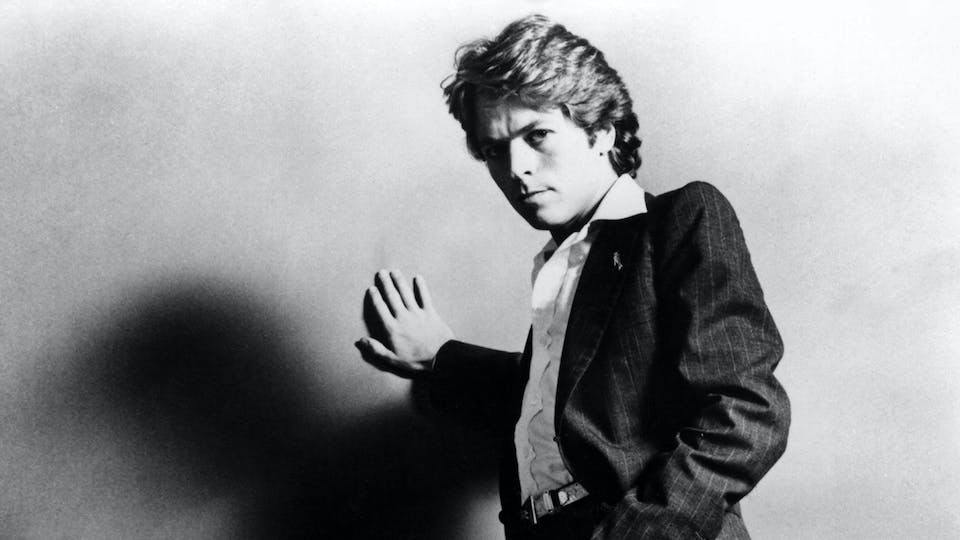
To understand the brand of Robert Palmer, one must look past the hits and into the architecture of his public persona. He was a master of the “visual hook,” creating a brand identity so potent that it remains recognizable decades after its peak. In the volatile world of pop music, where trends shift quarterly, Palmer’s commitment to a specific, high-end aesthetic provided a blueprint for how to maintain brand equity across changing market landscapes.
The Architecture of an Icon: The Savile Row Strategy
In the early 1980s, the music industry was undergoing a seismic shift driven by the launch of MTV. This was the era of the “visual artist,” where a performer’s appearance was often as critical as their vocal range. While his contemporaries were leaning into the neon-soaked, chaotic aesthetic of New Wave or the hair-metal excesses of the Sunset Strip, Robert Palmer chose a different path: the “Blue Ocean” strategy of extreme sophistication.
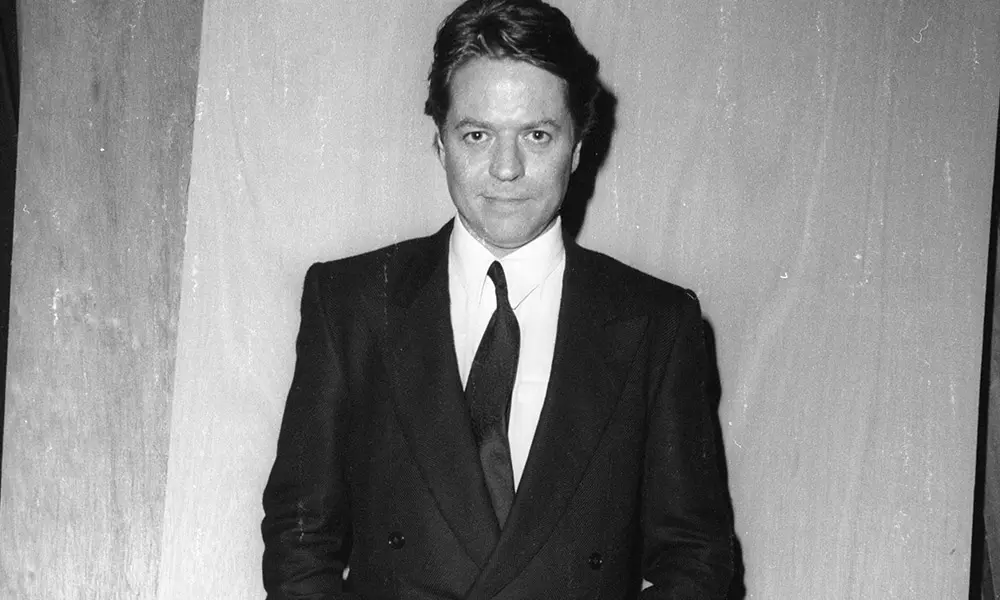
Palmer’s decision to adopt the sharp, tailored look of a Savile Row executive was a brilliant move in personal branding. It distinguished him from the competition by leaning into an aspirational, adult-contemporary elegance that was largely vacant in the pop charts. This wasn’t just a costume; it was a brand mission statement. By wearing Italian suits and maintaining a poised, almost stoic demeanor, Palmer positioned himself as the “grown-up in the room.”
This positioning allowed him to bridge multiple demographics. He appealed to the youth market through the energy of his music, while simultaneously capturing the high-income, older demographic that identified with the luxury and refinement of his visual style. In marketing terms, he expanded his Top of Funnel (ToF) reach by offering a product that looked as expensive as it sounded.
The Power of Visual Uniformity
Brand recognition relies heavily on consistency. Just as a consumer recognizes the Coca-Cola red or the Apple silhouette, music fans in the mid-80s recognized the “Palmer Look.” By standardizing his appearance—the slicked-back hair, the crisp white shirt, and the perfectly knotted tie—he removed the friction of brand identification.
This uniformity created a “halo effect.” When consumers saw a man in a sharp suit standing in front of a minimalist background, they didn’t just see a singer; they saw a lifestyle. Palmer understood that in a crowded marketplace, the most consistent brand wins. He didn’t chase every trend; he refined one single, powerful image until it became synonymous with his name.
The Terence Donovan Collaboration: Visual Identity as Core Product
The peak of the Robert Palmer brand was undoubtedly the release of the “Addicted to Love” music video in 1986. Directed by fashion photographer Terence Donovan, the video is a masterclass in visual identity and high-concept marketing. It did more than just promote a single; it codified the Robert Palmer brand for eternity.
The choice of Donovan was a strategic brilliance. Donovan was a titan of fashion photography, known for his work with Vogue and Harper’s Bazaar. By bringing a high-fashion sensibility to a rock video, Palmer effectively elevated his brand from “pop star” to “luxury asset.” The video’s minimalist backdrop and the iconic troop of “zombie” fashion models served as a stark, high-contrast frame for Palmer himself.
Creating the Brand Archetype
The “Palmer Girls”—the backing band of identically dressed, expressionless models—served a specific function in his brand strategy. They acted as a recurring visual motif that reinforced the brand’s aesthetic of detached, high-end cool. From a marketing perspective, this was “the packaging.”
When the video for “Simply Irresistible” followed two years later, it used almost the exact same visual language. Many artists would have feared repetition, but Palmer understood the value of brand reinforcement. By doubling down on the same aesthetic, he turned a one-off hit into a recognizable brand franchise. He wasn’t just releasing songs; he was releasing “Palmer Products.” This repetition cemented his place in the cultural zeitgeist, ensuring that his brand would be remembered long after the songs left the heavy rotation charts.
The Psychology of Disinterested Cool
The brilliance of the Palmer brand was its emotional distance. In an era where artists were often desperate for the audience’s affection, Palmer appeared entirely indifferent. This “disinterested cool” is a classic luxury brand tactic. Luxury brands like Rolex or Porsche do not beg for consumers; they exist in a state of self-assured excellence that invites the consumer to aspire to them. Palmer’s persona operated on this exact psychological plane. He was the brand you wanted to be invited to join.

The Strategic Pivot: From Soul Specialist to Global Pop-Art Icon
One of the most difficult challenges in branding is the “pivot”—the ability to change direction without losing your core audience. What happened to Robert Palmer in the late 70s is a textbook example of a successful brand repositioning.
Early in his career, Palmer was known primarily as a blue-eyed soul and funk singer. He was a critical darling but lacked the massive commercial reach he would later achieve. He was part of the band Vinegar Joe and released solo albums like Sneakin’ Sally Through the Alley, which were deeply rooted in New Orleans funk. While authentic, this brand was niche.
Repositioning for a Digital Age
As the 80s approached, Palmer recognized that his “Soul Singer” brand had limited growth potential in the emerging digital and synth-heavy landscape. He began to integrate electronic elements, rock guitars, and polished production into his sound. Crucially, he did this while maintaining his vocal integrity.
This pivot was not a betrayal of his original brand but an evolution. He kept the “soul” (the core product quality) but updated the “interface” (the sound and look). This allowed him to maintain his credible artist status while becoming a global commercial powerhouse. The lesson for modern personal brands is clear: you must be willing to update your delivery mechanism while staying true to your core competency.
The Power Station: A Brand Extension
In 1985, Palmer joined the supergroup The Power Station. From a brand management perspective, this was a brilliant “co-branding” exercise. By aligning himself with members of Duran Duran and Chic, Palmer gained access to a younger, more pop-oriented audience while bringing his own “prestige” to the project. The Power Station acted as a brand extension that tested the waters for his later solo success, proving that his voice and image could thrive in a high-energy, rock-pop environment.
Market Saturation and the Risk of Self-Parody
By the late 1980s, the Robert Palmer brand was so pervasive that it began to face the classic challenge of market saturation. When a brand becomes too successful, it risks becoming a caricature of itself. The suit, the models, and the “Simply Irresistible” aesthetic were being parodied in commercials, movies, and by other artists.
What happened next is an important lesson in brand lifecycle management. Rather than trying to out-suit himself, Palmer began to diversify his output. He returned to his roots in jazz, blues, and even bossa nova. He realized that the “80s Icon” brand was a gilded cage.
The Pivot Back to Authenticity
In his later years, Palmer consciously stepped back from the high-gloss production of his peak years. Albums like Ridin’ High and Drive focused on his technical skill as a vocalist rather than his visual image. For a brand, this is the “Legacy Phase.” Once you have achieved peak recognition, you can afford to focus on “niche” projects that reinforce your credibility and ensure long-term brand equity.
Palmer’s later work was a way of signaling to the market that he was a “musician’s musician,” not just a video star. This move helped preserve his reputation, ensuring that when we look back on his career, we see a multifaceted artist rather than a one-trick pony of the MTV era.
The Enduring Equity of Robert Palmer: Lessons for Modern Branding
What happened to Robert Palmer? He became a permanent fixture in the gallery of modern icons. His death in 2003 at the age of 54 was a shock, but his brand was already immortalized. Today, the “Robert Palmer aesthetic” is still referenced by fashion designers, music video directors, and marketing agencies.
The longevity of his brand provides several key takeaways for today’s entrepreneurs and personal brand builders:
- Visual Consistency is Non-Negotiable: Palmer’s commitment to a specific look made him instantly recognizable. In a world of infinite scrolling, a consistent visual “thumb-stop” is your most valuable asset.
- Quality is the Foundation: No amount of branding could have saved Palmer if he couldn’t sing. His vocal prowess was the “product” that backed up the “packaging.” Branding can get people in the door, but quality keeps them there.
- Understand Your Positioning: Palmer knew he wasn’t a punk or a hair-metal star. He leaned into his natural sophistication and marketed it as a premium product.
- Embrace the Power of the “Visual Hook”: Whether it’s a specific color palette, a recurring motif, or a signature style, having a visual shorthand for your brand is essential for long-term recall.
Robert Palmer’s career was a masterclass in the art of the pivot and the power of the image. He managed to navigate the transition from the analog era of the 70s to the digital explosion of the 80s without losing his soul or his style. He remains a prime example of how a well-managed personal brand can transcend its era and become a permanent part of the cultural landscape. What happened to Robert Palmer is that he stopped being just a singer and started being a symbol of timeless, sophisticated excellence.
aViewFromTheCave is a participant in the Amazon Services LLC Associates Program, an affiliate advertising program designed to provide a means for sites to earn advertising fees by advertising and linking to Amazon.com. Amazon, the Amazon logo, AmazonSupply, and the AmazonSupply logo are trademarks of Amazon.com, Inc. or its affiliates. As an Amazon Associate we earn affiliate commissions from qualifying purchases.