
In the realm of modern media, few characters have achieved the level of brand equity associated with Rick Grimes. As the central protagonist of AMC’s The Walking Dead, Rick Grimes—portrayed by Andrew Lincoln—was more than just a survivor in a post-apocalyptic landscape; he was the foundational pillar of a multi-billion dollar franchise. When the announcement came that the character would be exiting the flagship series in its ninth season, it presented one of the most significant brand management challenges in television history. To understand what happened to Rick Grimes is to understand the strategic pivot of a global intellectual property (IP) and the complexities of maintaining a corporate identity when its most recognizable face departs.
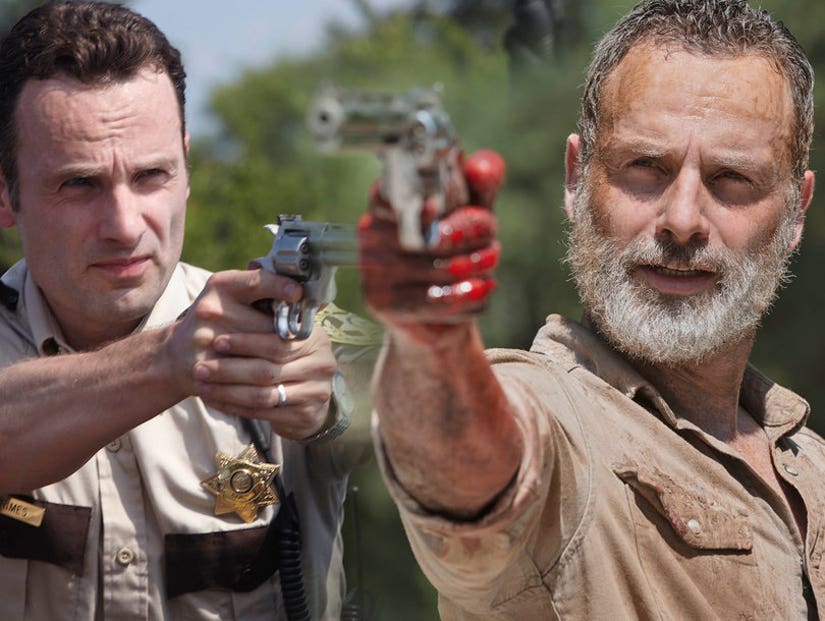
The narrative exit of Rick Grimes was not a conclusion, but rather a sophisticated rebranding exercise designed to transition a singular television show into a sprawling cinematic universe. By examining the “disappearance” of Rick Grimes through the lens of brand strategy, we can uncover how AMC navigated the risks of brand dilution and successfully leveraged nostalgia to fuel a new era of content.
The Evolution of the Rick Grimes Brand
Before analyzing his departure, it is essential to define what the “Rick Grimes” brand represented. From the series premiere in 2010, the character was established as the moral and tactical compass of the show. His brand identity was built on the pillars of leadership, paternal protection, and the grueling transformation from a civil servant to a hardened survivor.
Establishing the Moral Compass as a Brand Pillar
In the early seasons, the Rick Grimes brand was synonymous with the “Sheriff” archetype. This visual and ideological branding provided the audience with a sense of stability. For the franchise, Rick served as the entry point for the consumer—the lens through which the chaotic world was filtered. His brand was defined by a specific set of values: the preservation of the nuclear family and the quest for a restored civilization. This clear brand positioning made him indispensable; he was the “product” that viewers “purchased” week after week.
Visual Identity and Iconography
Consistency is the hallmark of any successful brand, and Rick Grimes possessed a distinct visual identity. The sheriff’s hat, the Colt Python revolver, and eventually, the rugged, bearded aesthetic of later seasons became iconic logos in their own right. This iconography allowed the franchise to market Rick Grimes as a standalone entity, independent of the ensemble cast. When consumers saw the silhouette of a man with a hat and a revolver, the brand recognition was immediate. This high level of brand equity is what made his eventual exit so high-stakes for AMC’s bottom line.
Strategic Departure: The High-Stakes Brand Pivot
What happened to Rick Grimes in Season 9, Episode 5, titled “What Comes After,” was a masterfully executed “bridge” strategy. Rather than killing the character—a move that would have permanently terminated the brand’s value—the creators opted for a cliffhanger disappearance. Injured and cornered, Rick blew up a bridge to save his community, only to be whisked away by a mysterious helicopter belonging to the Civic Republic Military (CRM).
Managing the “Bridge” to Future IP
From a brand strategy perspective, the “Bridge” was both literal and metaphorical. By leaving Rick’s fate ambiguous, AMC transformed a potential loss into a “mystery box” marketing tool. This kept the consumer base engaged through speculation and anticipation. Instead of mourning a dead character, fans were now invested in a long-term search. This pivot allowed the flagship show to continue with an ensemble cast while the “Rick Grimes Brand” was moved into a high-value holding pattern, awaiting a more premium re-release.
The Risks of Brand Dilution without a Central Lead
The departure of a central brand figure often leads to a decline in market share. Following Rick’s exit, The Walking Dead faced the challenge of “brand dilution.” Without the central gravity of Rick’s leadership, the narrative became decentralized. However, the writers used this as an opportunity to perform a “brand extension,” elevating secondary characters like Daryl Dixon and Carol Peletier into primary lead roles. This diversification of the brand portfolio was necessary to ensure the franchise’s survival beyond a single personality.
Expanding the Universe: From Character to Franchise Ecosystem
The disappearance of Rick Grimes served as the catalyst for the “Walking Dead Universe” (TWDU) expansion. By removing the character from the immediate vicinity of the main group, the creators were able to introduce the CRM—a shadowy corporate-like entity that represented a larger, more sophisticated world.
The CRM and the Mystery Box Marketing Strategy
The CRM acted as a brand surrogate for Rick during his absence. Every time a helicopter appeared or a cryptic symbol was found in a spinoff series like Fear the Walking Dead or World Beyond, it reinforced the Rick Grimes brand without him having to appear on screen. This is a classic example of “ghost branding,” where the influence of a flagship product is used to drive interest in ancillary products. The mystery of Rick’s location became the glue that held the disparate parts of the franchise together.
Rebranding Through “The Ones Who Live”
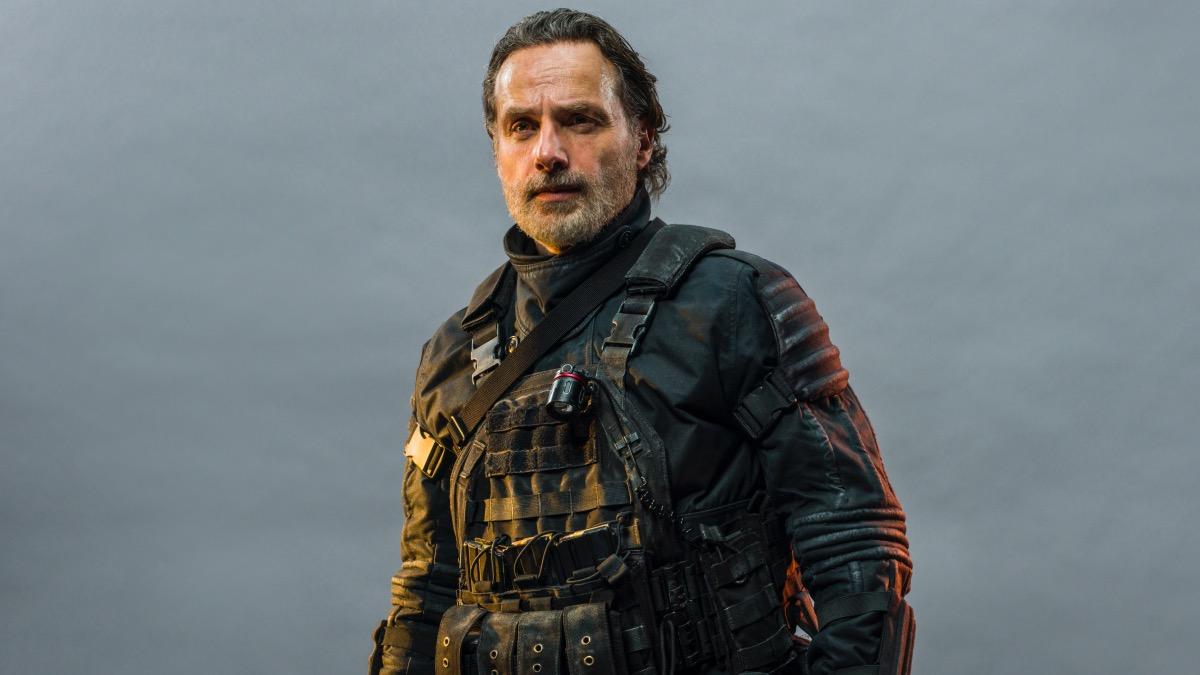
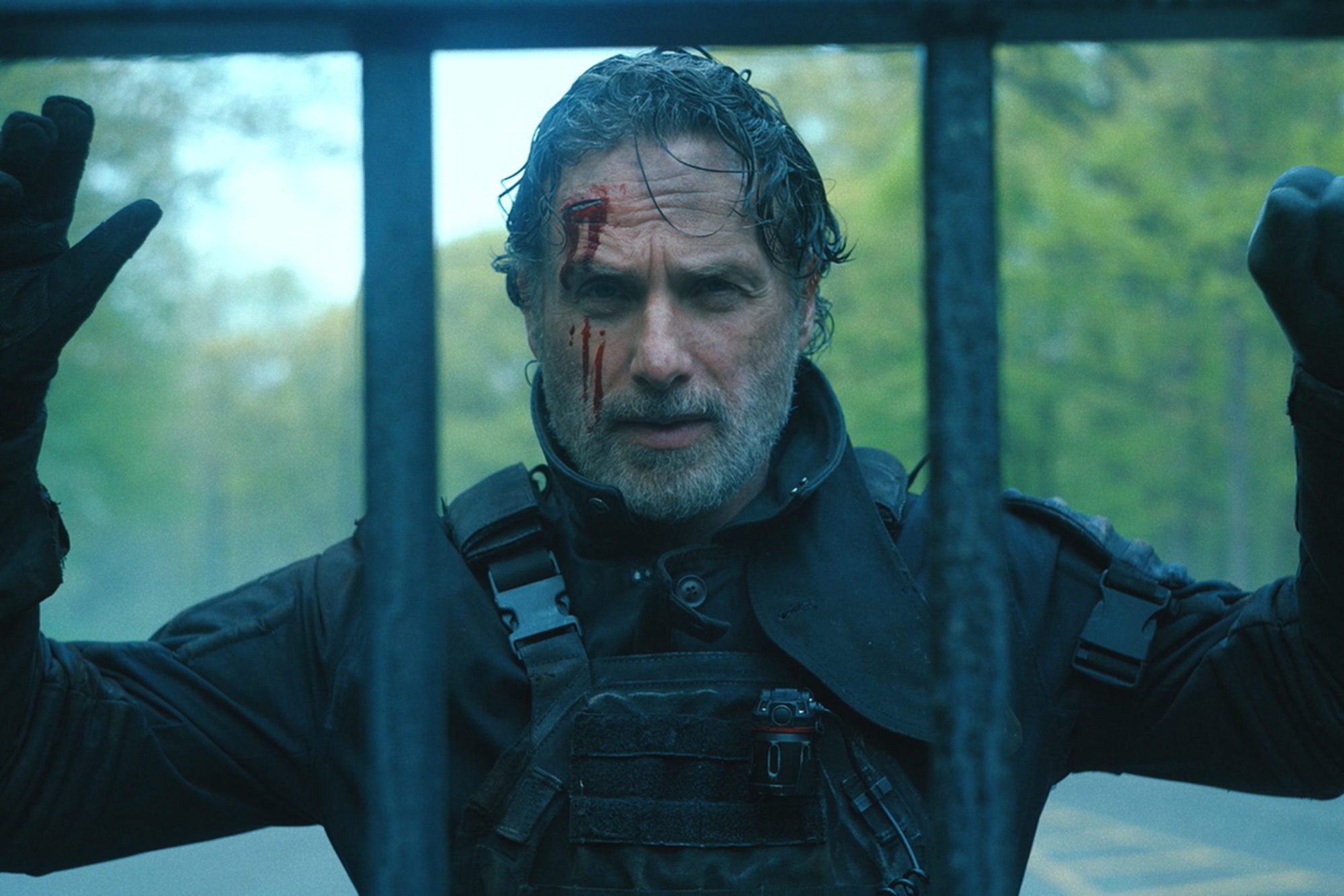
The culmination of this long-term strategy was the release of the limited series, The Walking Dead: The Ones Who Live. This series served as a formal “rebranding” and “relaunch” of Rick Grimes. It took the character out of the rural, grimy aesthetic of the original series and placed him in a high-tech, militaristic urban environment. This change in “packaging” allowed the brand to feel fresh and premium, catering to both long-time loyalists and new viewers who were drawn to the higher production values and focused storytelling of the spinoff format.
Lessons in Long-Term Brand Sustainability
The saga of Rick Grimes offers several insights into how media entities can manage legacy brands over decades. It highlights the importance of knowing when to withdraw a product from the market to increase its perceived value and how to use a “legacy” to launch new ventures.
Continuity vs. Reinvention
One of the key successes in the management of the Rick Grimes brand was the balance between continuity and reinvention. While his core motivations (finding his family) remained the same, his environment and his role within the world were completely reinvented. This prevents “brand fatigue,” a common issue for long-running television leads. By taking Rick off the board for several years, the franchise allowed the audience to miss the character, creating a surge in “brand sentiment” that was overwhelmingly positive when he finally returned.
Leveraging Nostalgia as a Brand Asset
In the final analysis, the management of Rick Grimes was a play on nostalgia. In a fractured media landscape, known quantities (legacy brands) are the most valuable assets a company can possess. AMC recognized that Rick Grimes was their most valuable trademark. By carefully controlling his exit and eventual return, they ensured that the “Walking Dead” brand remained relevant even as the original show reached its natural conclusion.
What happened to Rick Grimes was not an ending, but a relocation. He was moved from the “flagship” storefront to a “premium boutique” experience. This strategic move protected the integrity of the character while providing the necessary fuel for a decade of franchise expansion. For brand managers in any industry, the Rick Grimes case study proves that a well-timed exit, followed by a strategic re-entry, can be far more profitable than simply running a product until it loses its luster. The “Rick Grimes” brand survives today not because it stayed the same, but because it had the courage to disappear and evolve.
aViewFromTheCave is a participant in the Amazon Services LLC Associates Program, an affiliate advertising program designed to provide a means for sites to earn advertising fees by advertising and linking to Amazon.com. Amazon, the Amazon logo, AmazonSupply, and the AmazonSupply logo are trademarks of Amazon.com, Inc. or its affiliates. As an Amazon Associate we earn affiliate commissions from qualifying purchases.